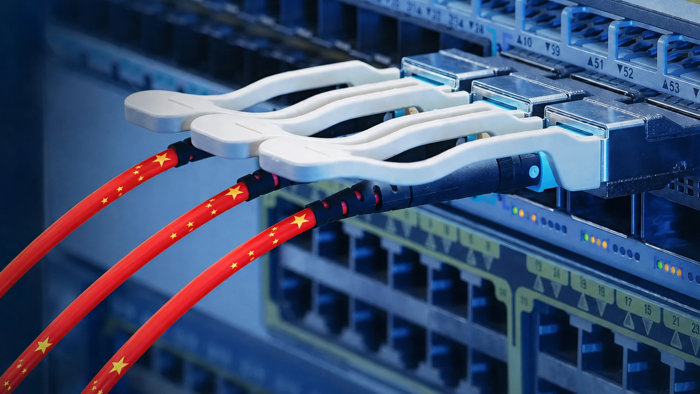
The Trump administration is preparing a possible ban on new models of Chinese data center components being imported into the US The move is aimed at protecting the infrastructure that supports the fast-growing artificial intelligence industry.Trump administration plans possible ban on new Chinese data center transceivers to protect US AI infrastructure from data theft, malware and security risks. (AFP File/ Representational image) (HT_PRINT)The Federal Communications Commission (FCC) is working on the proposed restriction. The FCC regulates the US telecommunications industry and is looking at blocking imports of new Chinese optical transceivers, which are important parts used inside data centers. Reuters reported this based on people familiar with the matter.How optical transceivers workOptical transceivers help move data through fiber-optic cables. They convert electrical signals into optical signals and allow huge amounts of data to move through data centers at the speed of light. The FCC hopes to publish the measure this year. If the plan moves forward, the restrictions would take effect after being published, according to the people familiar with the matter via Reuters.US national security concernsThe main concern is national security. US officials want to stop Chinese companies from potentially stealing data, putting malware into systems or disrupting services at American data centers, Reuters reported. The issue is especially important because data centers power AI systems. These facilities contain the powerful chips and other equipment needed to train and run artificial intelligence models.The proposed ban is not final yet. The FCC could still change the plan or decide not to introduce the restriction at all, the sources told Reuters. The sources spoke anonymously because the discussions are sensitive. This means the proposal is still being worked on inside the government and has not been officially announced.AI data center supply chainThe possible ban is part of a wider effort by the Trump administration to limit Chinese technology in critical US industries. The administration wants to prevent Chinese technology from becoming deeply embedded in American supply chains before it becomes harder and more expensive to remove.AI infrastructure is now a major focus of this effort. As companies build more data centers to support the AI boom, US officials are increasingly looking at the security of every part of the supply chain. AI policy expert Divyansh Kaushik said transceivers are a security risk that should be addressed early. “Transceivers definitely pose a risk,” Kaushik, an AI policy expert at Washington, D.C.-based advisory firm Beacon Global Strategies, told Reuters.Also read: The S&P 500 is hitting record highs again. Here’s what’s driving the rallyKaushik said the US should secure the data center supply chain while the industry is still expanding. He said that as data center construction grows, the US needs to make sure the supply chain is secure “from the get-go,” Reuters reported. The news immediately helped some US companies that make data center transceivers. Investors saw them as possible winners if Chinese suppliers face restrictions.US chip stocks gainLumentum shares jumped 7% after the Reuters report. Coherent shares rose 11%, while Applied Optoelectronics shares climbed 18%. China has warned that it could respond if the US moves ahead with the restrictions. The Chinese embassy in Washington said Beijing wants the US to listen to businesses in both countries and stop targeting Chinese companies with what it called unfair accusations and sanctions.China also said it would take action if its interests were seriously harmed. The Chinese embassy said Beijing would take “all necessary measures” in response to actions that cause material harm to China’s interests. The White House and FCC did not respond to Reuters' requests for comment. This means there was no official confirmation from the Trump administration that the proposed ban will definitely happen.China's Innolight could be hitOne major Chinese company that could be affected is Zhongji Innolight. The company is one of the world's biggest sellers of optical transceivers used in data centers. Innolight was added to a Pentagon list of alleged Chinese military-linked companies in June. Being placed on that list can signal that a company could face tougher US action in the future, Reuters reported.The proposed restrictions could also increase costs for US cloud companies. Companies such as Amazon Web Services may have to shift away from cheaper or established Chinese suppliers and buy more equipment from American companies instead. US cloud companies could turn to Coherent and Lumentum for replacement equipment. But replacing Chinese suppliers may not be easy because US companies do not currently have the same scale.Huawei is a warning for TrumpThe administration is trying to avoid another Huawei-style situation. China hawks in the Trump administration do not want Chinese technology to become so deeply connected to US infrastructure that removing it later becomes extremely difficult and expensive. Huawei is the example officials are worried about. Telecom equipment from the heavily sanctioned Chinese company became deeply embedded in parts of US infrastructure, making efforts to remove it slow, costly and incomplete, according to Reuters.The FCC has traditionally operated independently from direct White House control. However, its ability to act has gained attention after the Supreme Court backed Trump's firing of a Democratic member of the Federal Trade Commission in June. The Supreme Court decision expanded Trump's power over parts of the federal government. Reuters said the ruling could strengthen presidential control over regulatory agencies that have historically enjoyed greater independence.Innolight holds 27% market shareInnolight is already a major player in the global transceiver market. Counterpoint Research estimates that the Chinese company has about 27% of the worldwide data center transceiver market. That large market share could make it difficult for US companies to replace Chinese suppliers quickly. Coherent and Lumentum have competitive products, but they do not currently have enough scale to fully replace Chinese vendors, according to a Foundation for American Innovation report cited by Reuters.Innolight also depends heavily on customers outside China. About 90% of the company's revenue comes from outside China, according to the Foundation for American Innovation report. Amazon Web Services, Coherent and Lumentum did not respond to Reuters' requests for comment.FCC targets Chinese technologyThe FCC has already used similar methods against other Chinese technology products. The agency has imposed restrictions involving Chinese drones, routers, robots and power inverters. The proposed transceiver rule could follow the same approach. The FCC would first ban imports of all new models of transceivers and then allow many non-Chinese companies to remain outside the restrictions through exemptions, three sources told Reuters.This approach would target new Chinese equipment rather than immediately removing every existing device from US data centers. That could help the US prevent further dependence on Chinese suppliers without instantly forcing companies to replace all equipment already installed.Trump has a long history of accusing Chinese companies of technology and intellectual property abuses. During his first term, he focused heavily on allegations that Chinese firms stole US intellectual property and that Huawei was involved in state-backed spying. Huawei has denied the spying allegations. Trump's approach toward China has been less aggressive during his second term in some areas. Reuters noted that his administration became more cautious after Beijing used export controls on rare-earth minerals last year.The Commerce Department had already backed away from some planned China technology restrictions. Reuters reported in February that the department shelved a group of proposed import restrictions targeting China, including one involving Chinese data center equipment. That decision came after tensions between Washington and Beijing eased following a trade-war détente last October. The Commerce Department has tools that can be used to restrict technology imports when officials believe foreign products pose a threat to the US supply chain.What happens nextThe FCC has taken a more active role in restricting Chinese technology. The agency announced restrictions on Chinese drones in December and routers in March through its Covered List. The Covered List was created by Congress to keep certain foreign companies from selling future equipment in the US It is designed to block equipment from companies whose products are considered a national security threat. The FCC's actions have expanded beyond drones and routers. Restrictions on Chinese inverters and robots followed last week, according to Reuters.The possible transceiver ban would therefore be another step in the FCC's broader effort to secure US technology infrastructure. The focus is increasingly on equipment that could become an important part of the country's AI and data center networks. At the heart of the issue is the rapid expansion of AI data centers in the US As companies spend heavily on AI chips, servers and data centers, the Trump administration is also trying to make sure that critical hardware does not create future security risks.But the proposed ban could create a trade-off for American companies. Blocking Chinese suppliers may improve supply-chain security, but it could also reduce competition and force US cloud and technology companies to pay more for replacement equipment. For now, the measure remains a draft and has not been finalized. The FCC could still change the proposal or abandon it, but if it goes ahead, it would mark another major US move to keep Chinese technology out of critical AI infrastructure.
Why is the US planning to ban new Chinese data center models? Trump targets AI security risks
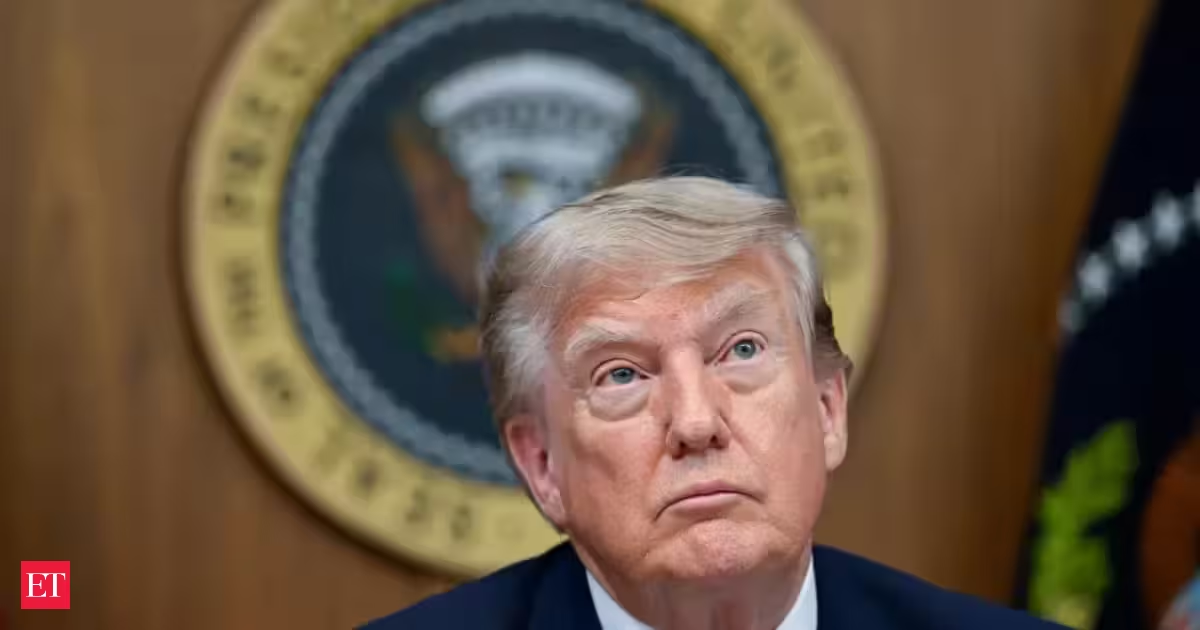
Trump administration plans possible ban on new Chinese data center transceivers to protect US AI infrastructure from data theft, malware and security risks.
TL;DRAI
FCC bans Chinese optical transceivers (Innolight 27%) to protect US AI data centers from data theft and disruption. Trump secures AI supply chain before Chinese lock-in becomes irreversible; cloud companies must shift to US suppliers at higher cost.
1,506 words~7 min read