In the modern web development ecosystem, building robust authentication is no longer just about hashing passwords and issuing JSON Web Tokens (JWTs). As software applications scale, they inevitably attract the attention of automated bot networks, serial free-trial abusers, and malicious actors. For founders and engineering teams deploying applications in 2026, securing the top of the funnel is critical.
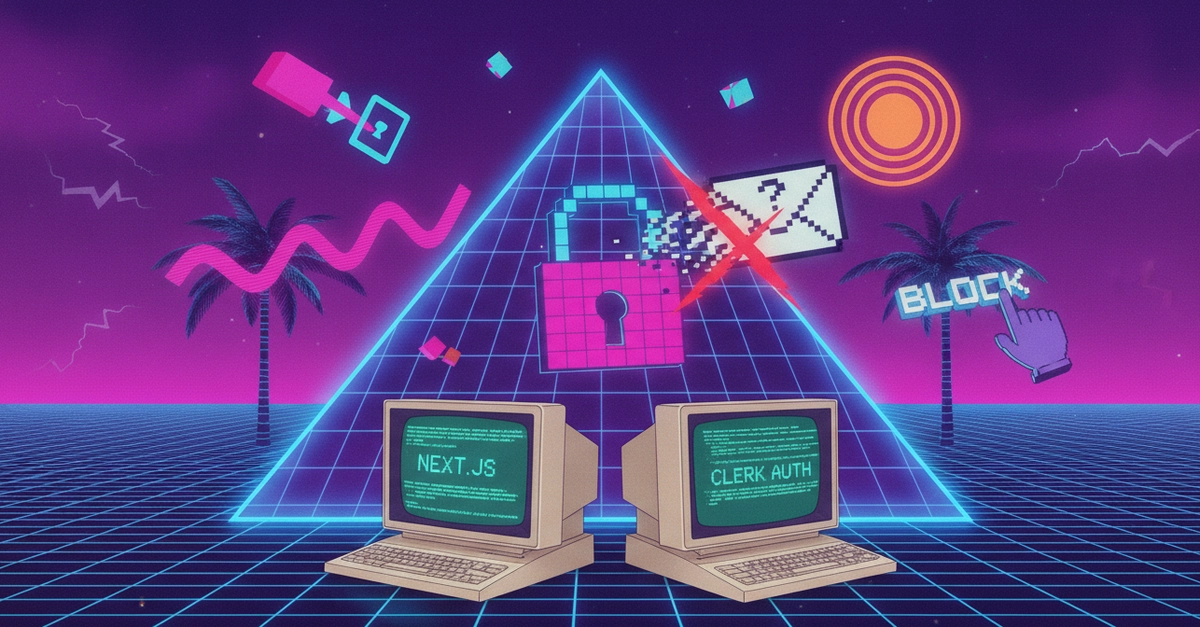
When you pair Next.js (specifically the App Router paradigm) with Clerk—a leading user management and authentication provider—you get an exceptionally smooth developer experience and a polished user interface out of the box. However, because Clerk makes it so easy for users to onboard, it also inadvertently lowers the barrier for bad actors using disposable email addresses to flood your database.
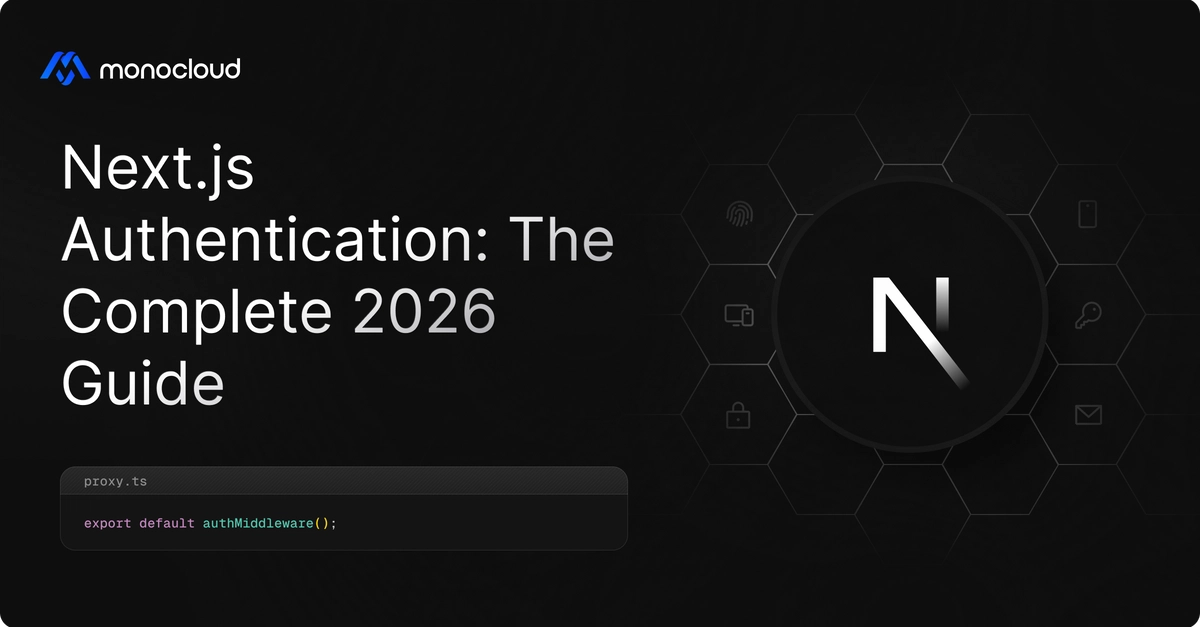
In this exhaustive, 3500-word technical guide, we will explore the deep architectural implications of fake account creation, dissect how Next.js App Router and Clerk handle authentication state, and provide a step-by-step tutorial on intercepting and blocking disposable emails using both custom sign-up flows and asynchronous webhooks.
Part 1: The Architectural Threat of Disposable Emails
Before writing a single line of code, it is imperative to understand the threat model. A disposable email address (DEA) is a temporary, short-lived inbox provided by third-party services. These inboxes allow users to receive verification links and bypass sign-up gates, only to self-destruct shortly after.