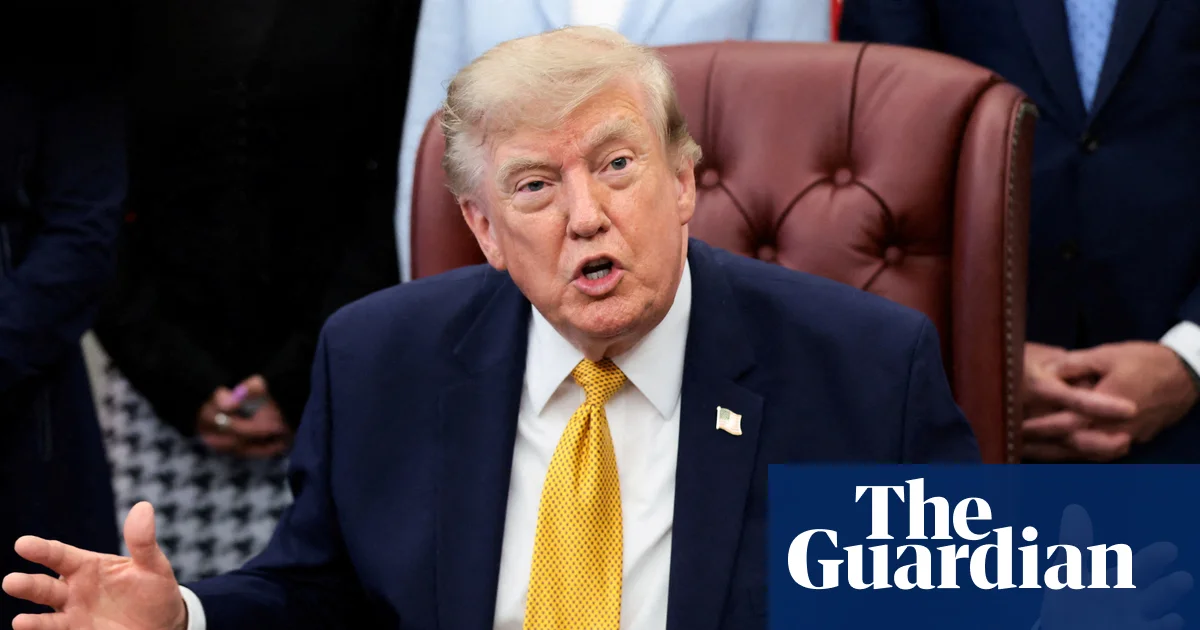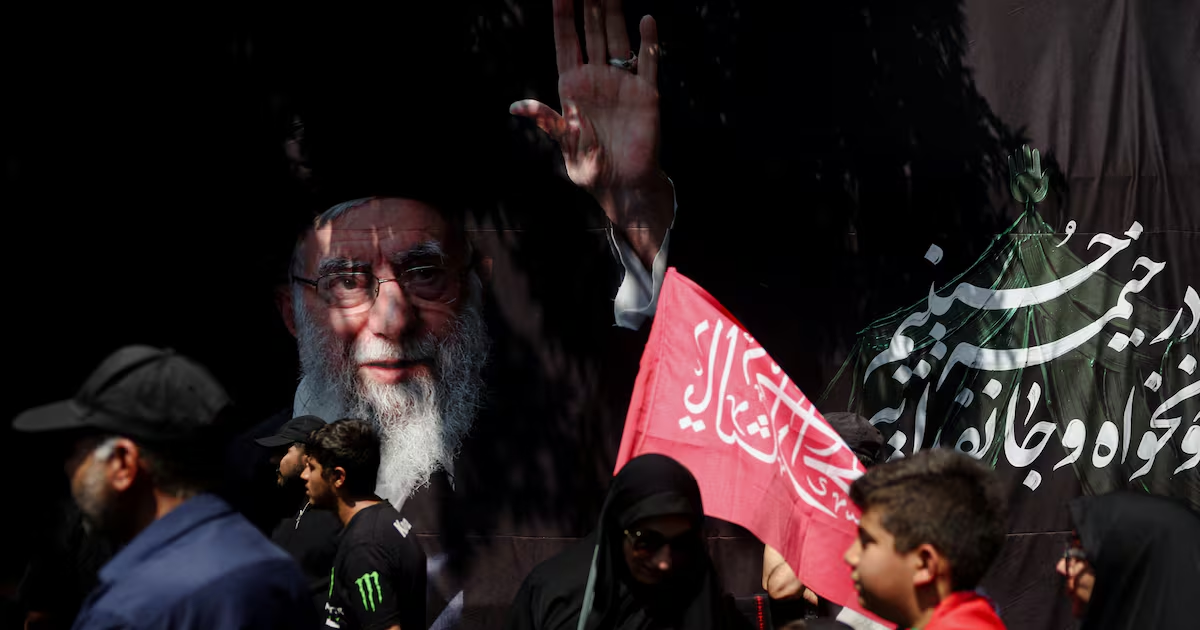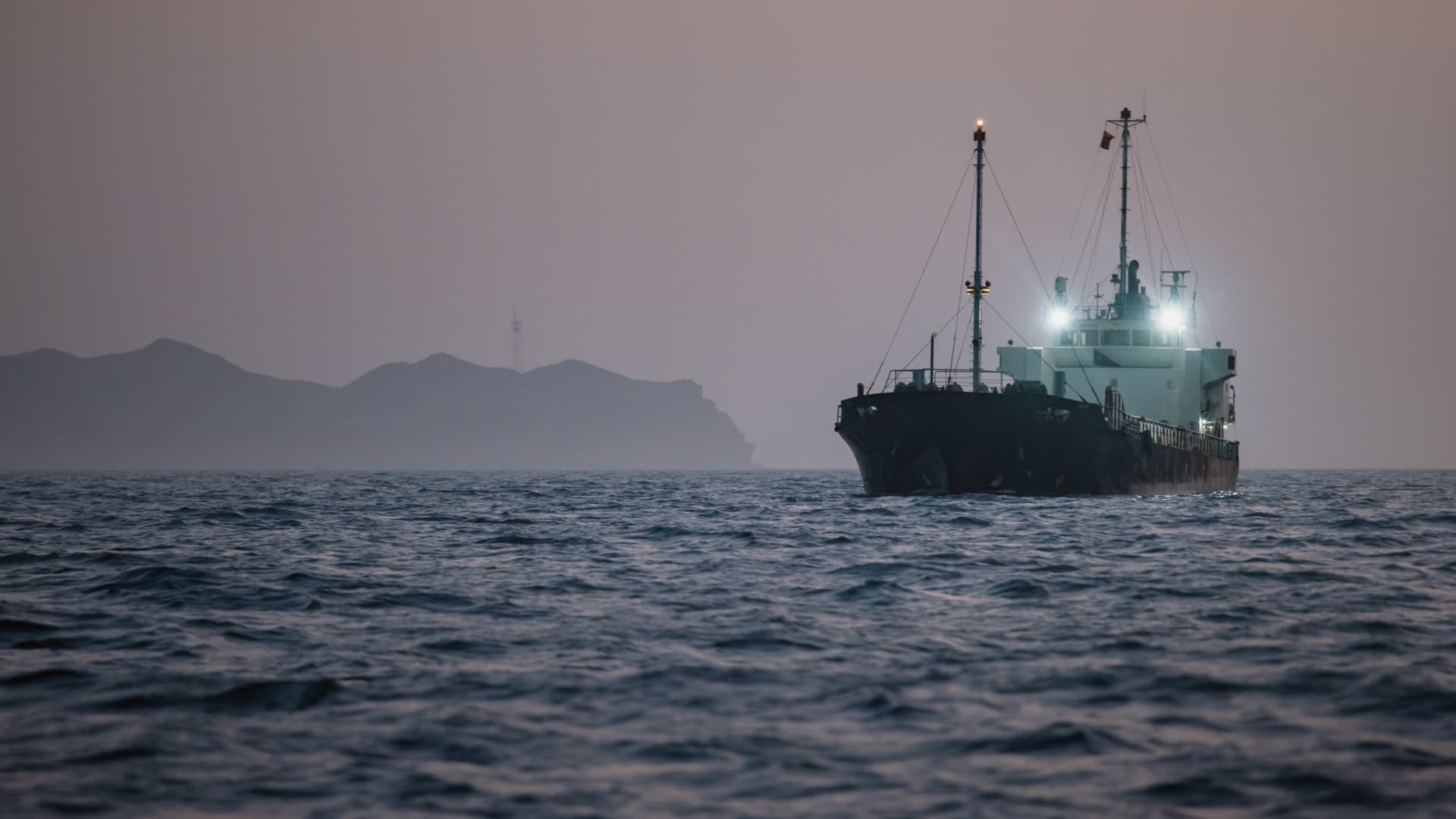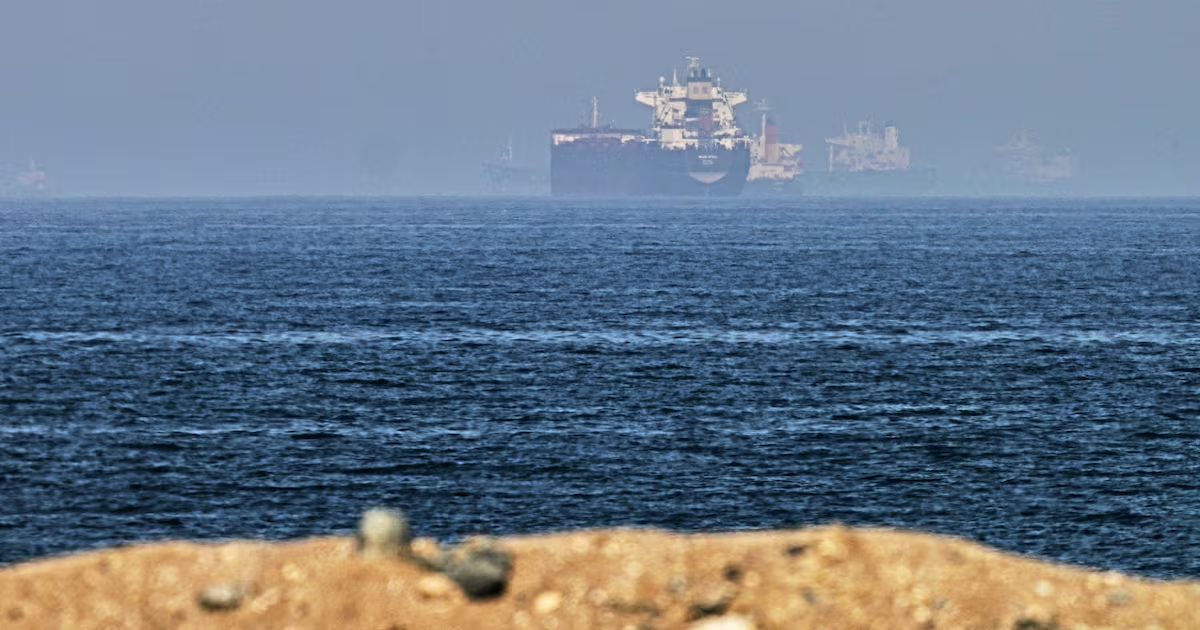
Oil prices fell on Tuesday to a three-week low after comments by Qatari and US officials raised hopes for a diplomatic resolution to the Iran war that could improve oil flows through the Strait of Hormuz.US secretary of state Marco Rubio said on Tuesday there was progress in talks with Iran and Oman about moving more ships through the strait, but a final agreement was yet to be reached. Earlier on Tuesday US treasury secretary Scott Bessent said a deal with Iran to reopen the strait could come as soon as Tuesday or Wednesday.Qatar’s foreign ministry spokesperson Majed al-Ansari said efforts to secure a diplomatic resolution to the Iran war were continuing.Disruptions to shipping through the strait, through which a fifth of global oil and gas flowed before the war, have forced Middle Eastern nations to cut oil output sharply. The world has lost more than 2.6 billion barrels of oil since the Iran war began in February, the head of Saudi oil company Aramco said.The oil market will, therefore, remain highly sensitive to political developments, Massabni said. Oil prices gained earlier in Tuesday’s session after a senior Iranian source said that Iran wants control over inbound shipping and visibility over outbound traffic through the strait, with the ability to intervene if necessary, as part of a plan being discussed with Oman to reopen the strategic waterway.Overnight, an attack on a vessel near the Strait of Hormuz had underscored doubts that the US-Iran war was nearing a resolution, as Tehran pushed back against US president Donald Trump’s assertion that talks were under way.Trump said on Monday that talks with Tehran were under way and Iran faced a “last chance” to reach a deal, while Iranian officials insisted no negotiations with the United States were taking place. Iran says its only talks are with Oman about the Strait of Hormuz and no major meetings are planned this week.“They are going on right now,” Trump told reporters at an Oval Office event when asked about negotiations, adding that discussions were taking place at the request of Iran, Saudi Arabia, the United Arab Emirates and Qatar.“This is a last chance for them (Iran) to sign a good document.”Trump’s remarks followed his weekend decision to cancel what he described as “massive attacks” on Iran, repeating a pattern in which he has threatened major military action before stepping back and citing negotiations.Iran’s president Masoud Pezeshkian said Iran did not want the conflict to widen: “We defend our borders, but we do not seek to expand the war,” he was quoted as saying by state media.Iran has halted most traffic through Hormuz while Washington maintains a blockade of Iranian shipping and ports, disrupting a corridor that normally carries about a fifth of global oil and liquefied natural gas shipments.Maritime sources said that the vessel struck near Hormuz was a dry bulk ship. Its crew had to abandon the vessel and one seafarer was missing, the sources said.Traffic through Hormuz remained slow, with three tankers and three bulk carriers among the six vessels transiting the strait on Monday, down from seven the previous day, Kpler data showed. In peacetime, more than 100 ships would typically transit per day.Gulf officials and analysts say Iran is betting it can outlast Washington by turning the region’s trade routes, shipping lanes and energy infrastructure into pressure points that steadily raise the cost of confrontation.“Their big advantage is that they can hurt the regional states and the global economy,” said Michael Knights of the Washington Institute. - Reuters
Oil prices drop on hopes Strait of Hormuz could reopen
US secretary of state Marco Rubio says progress in talks could allow shipments to resume
586 words~3 min read