in Architecture, History | August 4th, 2026 Leave a Comment
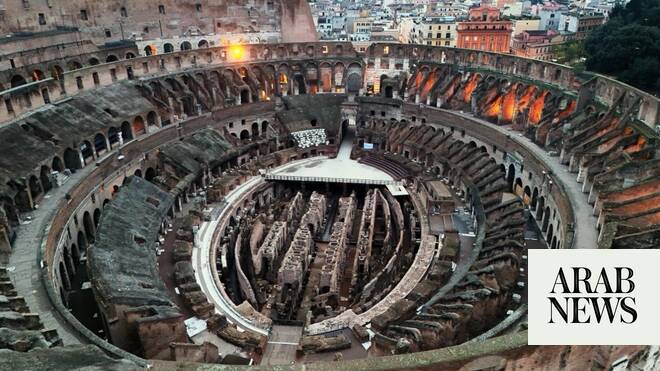
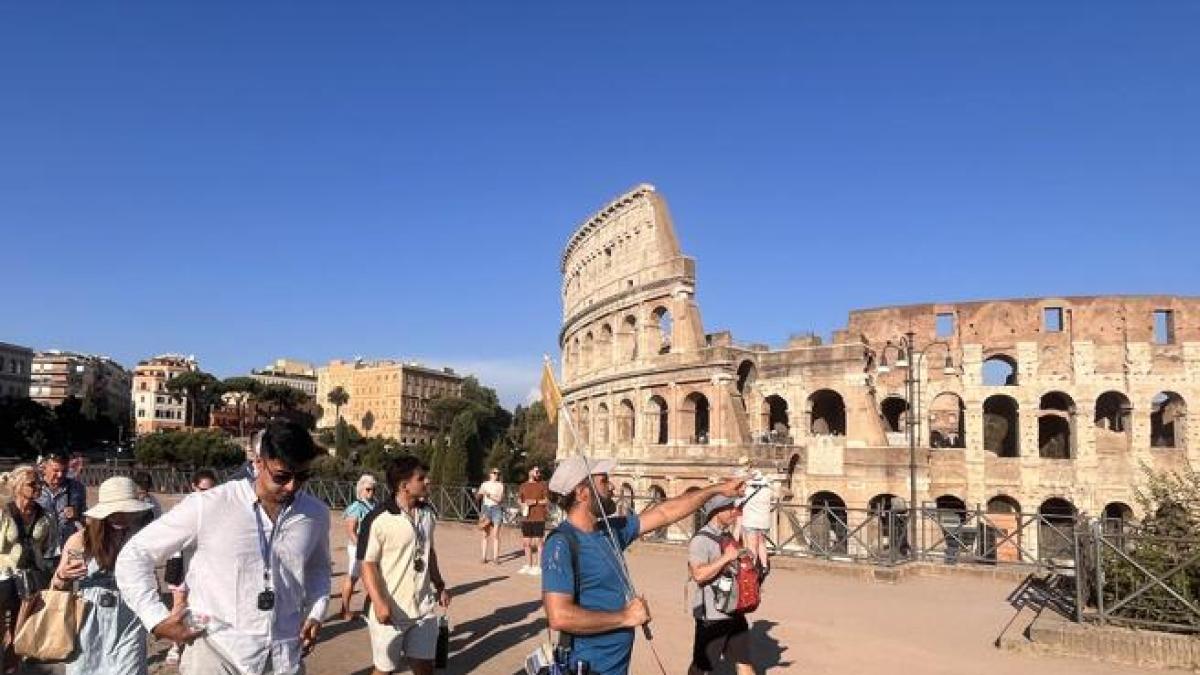
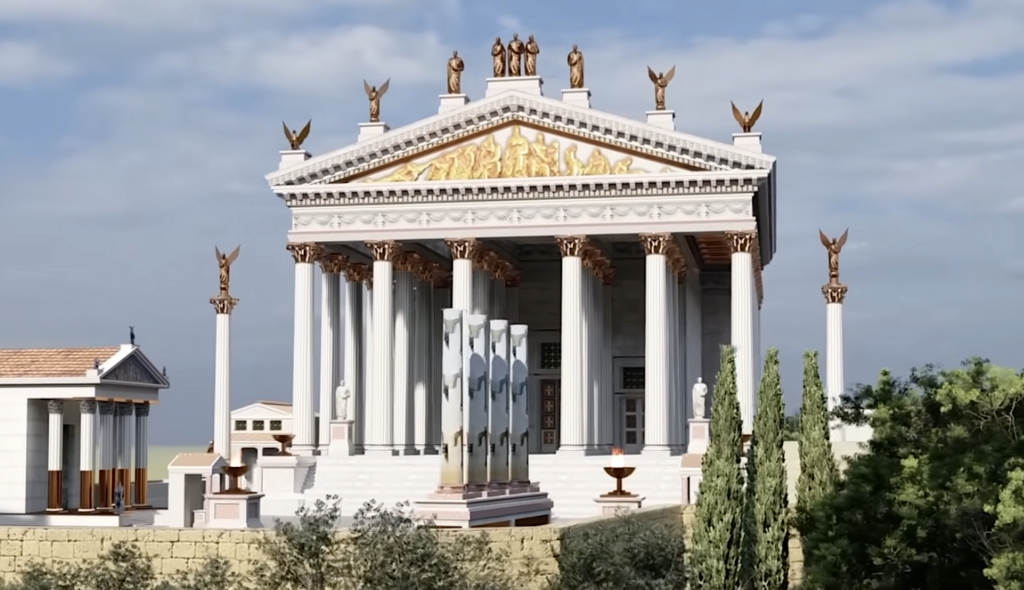
The description “open-air museum” has often been applied, in various senses both positive and negative, to the country of Italy in general and the city of Rome in particular. Indeed, only the imagination of a truly blinkered (or unusually phone-addicted) tourist could fail to be cast back to antiquity upon entering its historic center, itself an officially designated UNESCO World Heritage Site. Yet it also takes little exposure to the intense culture of tourism and all it has wrought to wonder how Rome was back when, if you like, Rome was Rome: in the second century AD, say, when its built environment reached the height of its glory.
Manuel Bravo can show us. A YouTuber who creates highly informative real, virtual, and hybrid video tours of famous ancient places, he’s previously been featured here on Open Culture for his work on everywhere from the Acropolis to the Sistine Chapel, to Paris and Pompeii.
His “Virtual Rome” takes us on not a walk through the Eternal City of nearly two millennia ago, but a flight: viewers of modern travel documentaries will find its camera movements reminiscent of nothing so much as drone photography. This technique provides views even the most august ancient Roman citizens could never have commanded.