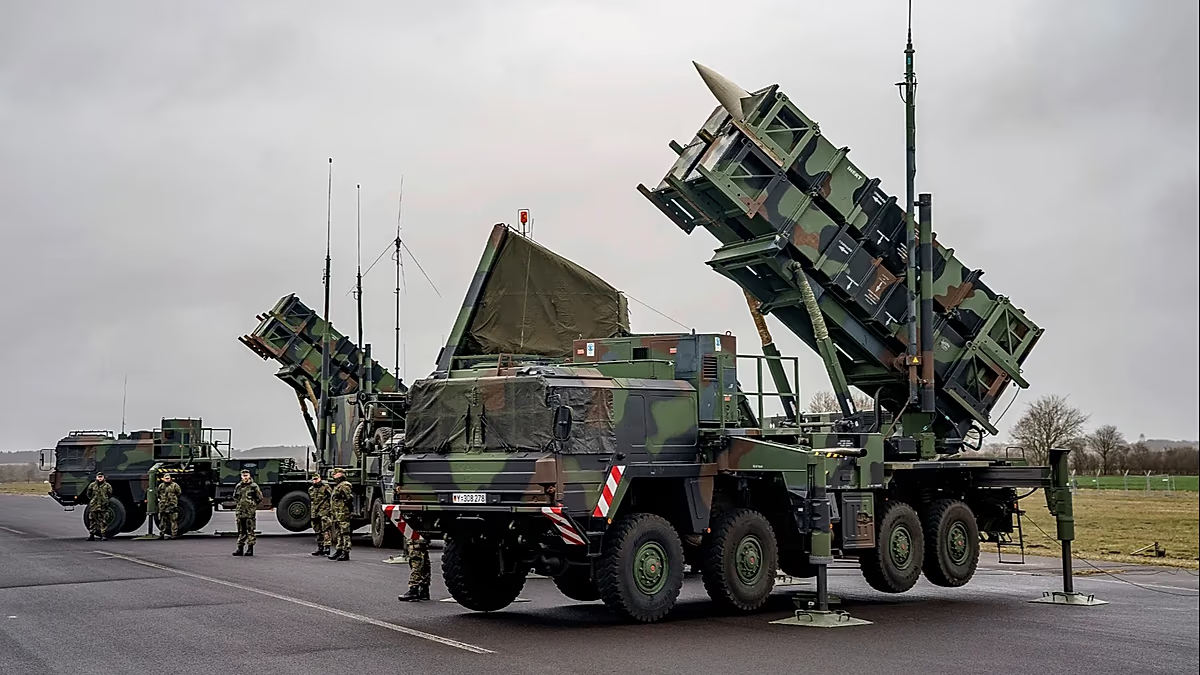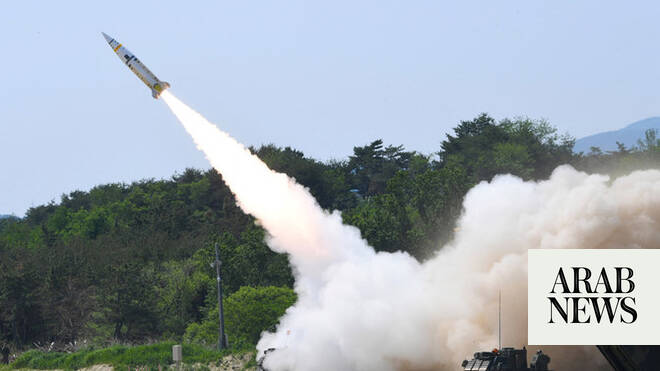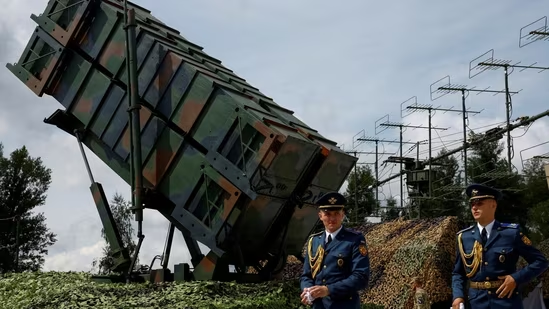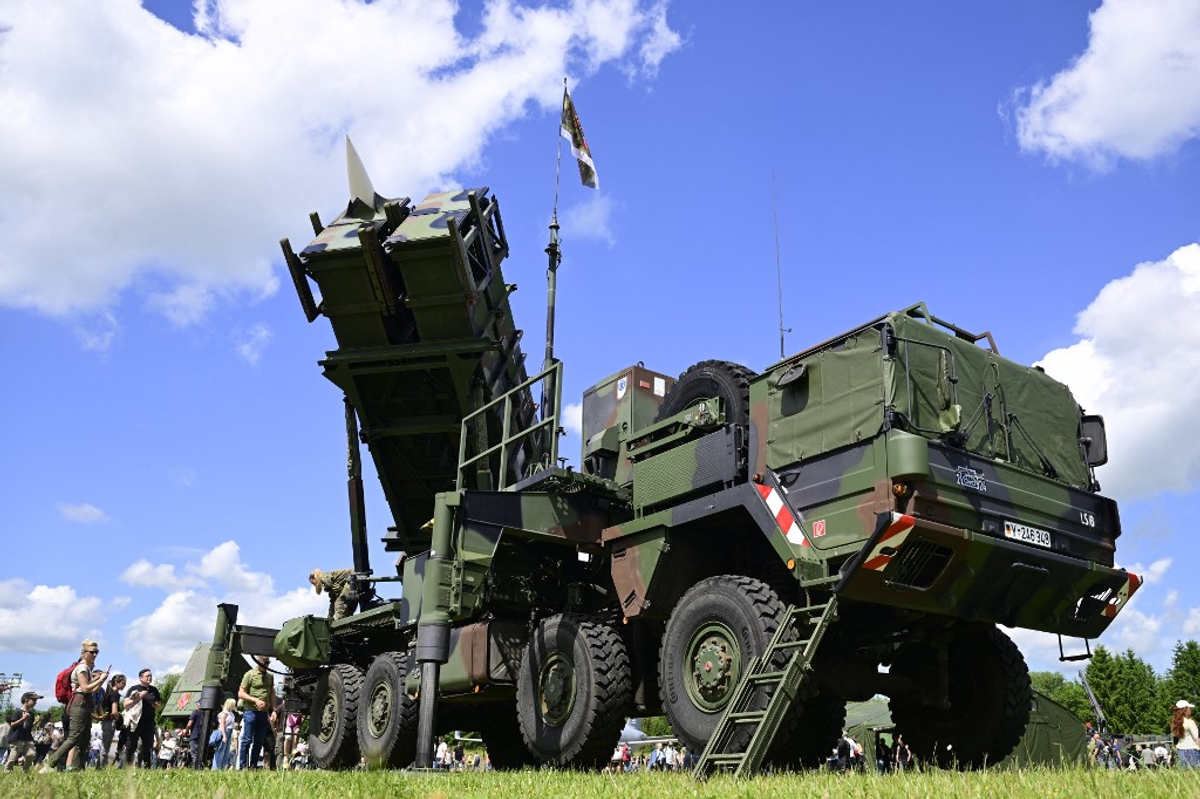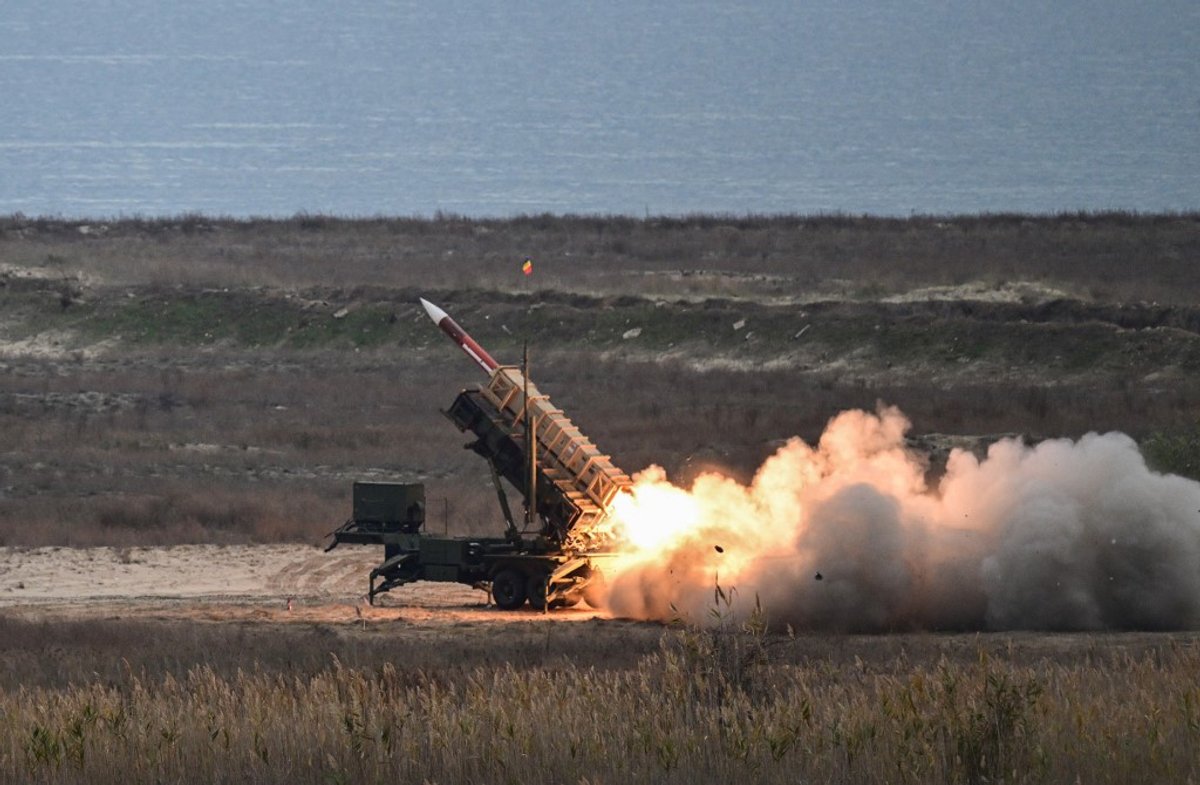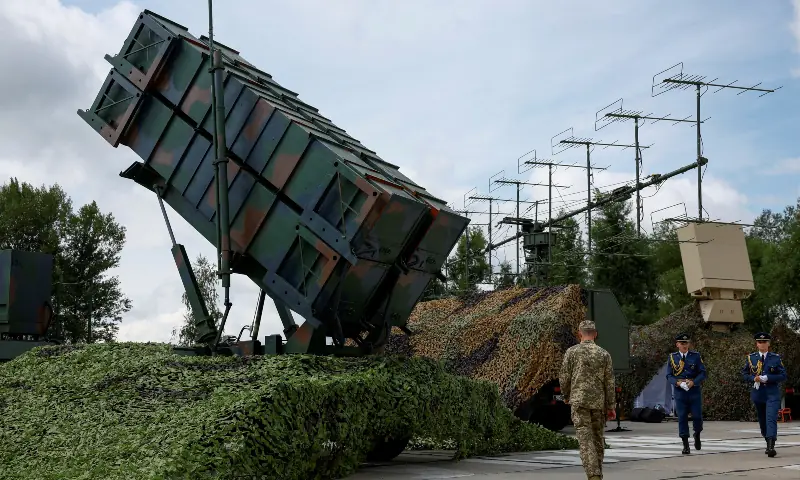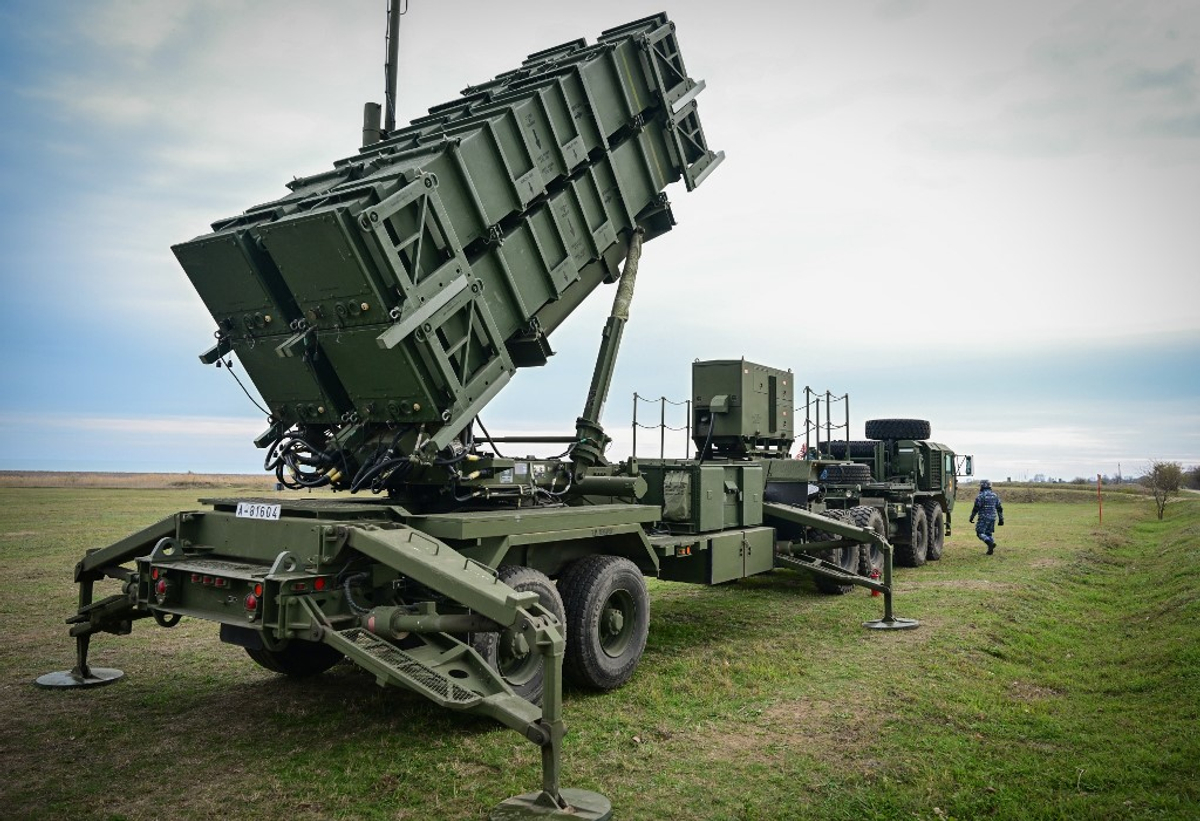
Over the past few months, Russia’s large-scale ballistic missile attacks have become a tragic reality for Ukrainians. Kyiv has been particularly affected, with the capital coming under repeated strikes from Iskander-M, Tsirkon, and other ballistic missiles. During some attacks, the enemy launches dozens of missiles in a single night – or even within just a few hours. The Patriot air defense system remains one of the very few systems that has consistently demonstrated its ability to intercept modern ballistic missiles. However, simply possessing Patriot launchers does not solve the problem. Every interception requires interceptor missiles, and their stockpiles are limited.JOIN US ON TELEGRAMFollow our coverage of the war on the @Kyivpost_official. President Volodymyr Zelensky has repeatedly stated that securing additional PAC-3 interceptor missiles is one of the most difficult issues in negotiations with Ukraine’s allies. Every country prioritizes its own national security and strategic reserves, meaning that even transferring a relatively small number of missiles often requires lengthy negotiations at the highest political level. To put the challenge into perspective, global annual production of PAC-3 missiles is estimated at up to 850 units, while intercepting a single ballistic missile typically requires at least two interceptors. To reduce Ukraine’s dependence on deliveries from international partners, US President Donald Trump announced his readiness to grant Ukraine a license to manufacture Patriot interceptor missiles.
What It Will Take for Ukraine to Manufacture Patriot Interceptor Missiles
Ukraine’s success depends not only on manufacturing Patriot missiles, but also on leveraging the partnership to strengthen its own missile engineering capabilities for decades to come.
2,643 words~12 min read