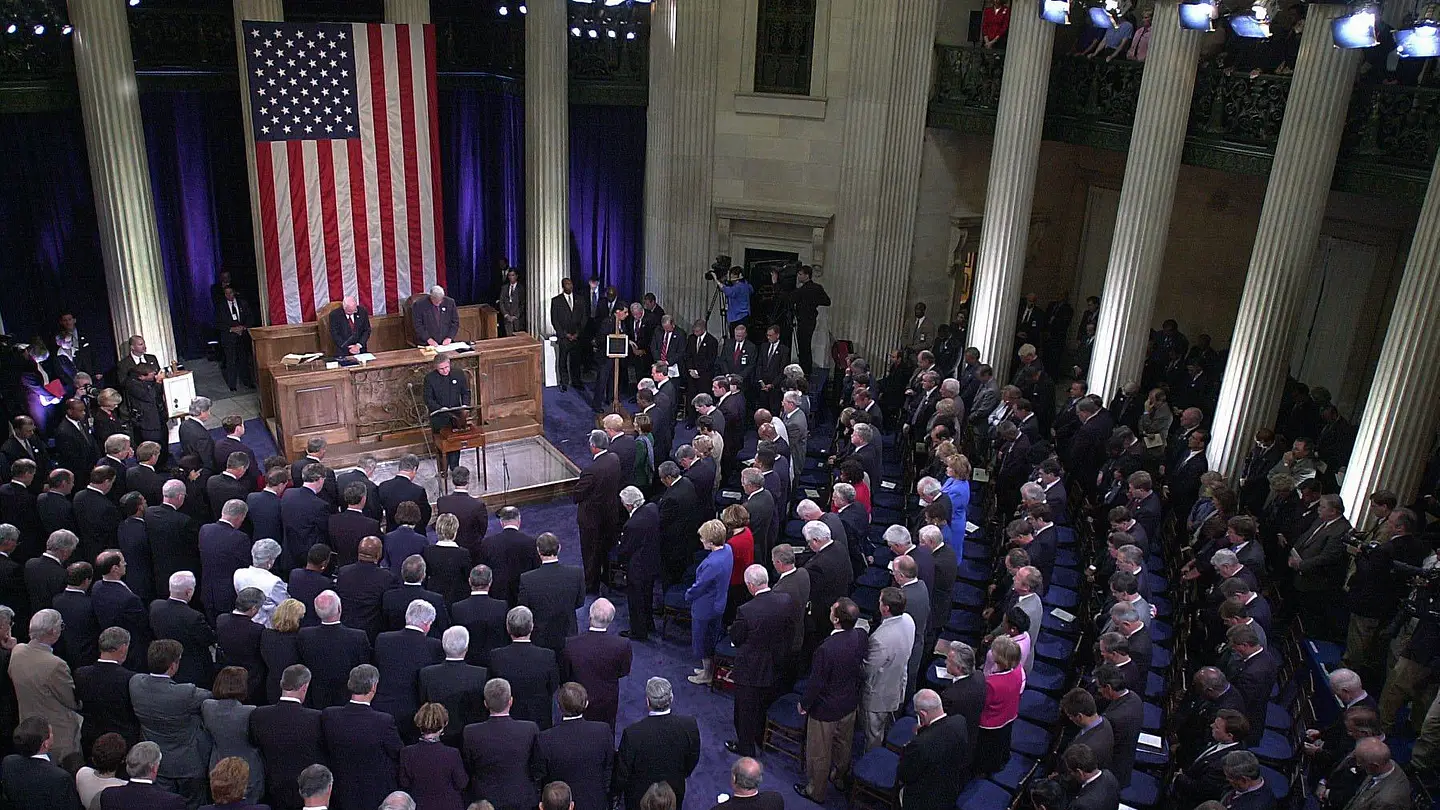
The biggest debate in college sports today is not about athletes. It is about power. As lawmakers, college presidents, and athletic directors rally around the Protect College Sports Act of 2026, the conversation has centered on governance, regulation, and lawsuits — and less on the students whose futures hang in the balance. The landmark piece of proposed legislation establishes a uniform framework to codify the rights of student-athletes and regulate college athletics in order to save college sports. But save it for whom?College sports has become a marketplace with too few rules and too little accountability — and student-athletes are often paying the price. They are expected to navigate compensation, transfers, contracts, and eligibility in a system defined by inconsistent state laws, shifting policies, judicial inconsistency, and competing financial interests. As billions of dollars flow through college athletics, power has increasingly shifted to agents, collectives, and other intermediaries, while the students at the center of the enterprise are caught in the middle with the least certainty and protection.
The public’s attention is captured by the handful of athletes signing life-changing name, image, and likeness deals. But those stories are the exception, not the rule. For nearly every student-athlete, the real payoff is an education culminating in a college degree and the character forged through competition. We should not accept a system that treats those outcomes as secondary to short-term transactions. College athletics should remain a pathway to lifelong opportunity, not a race to the next deal.