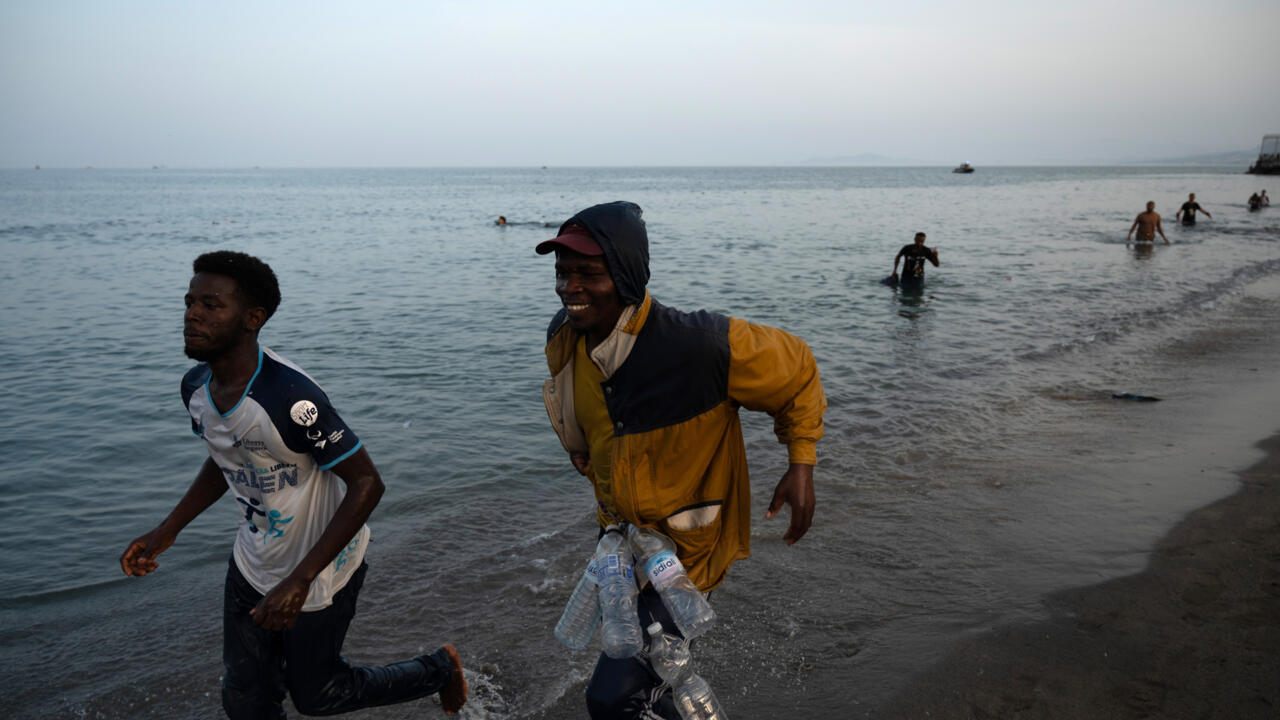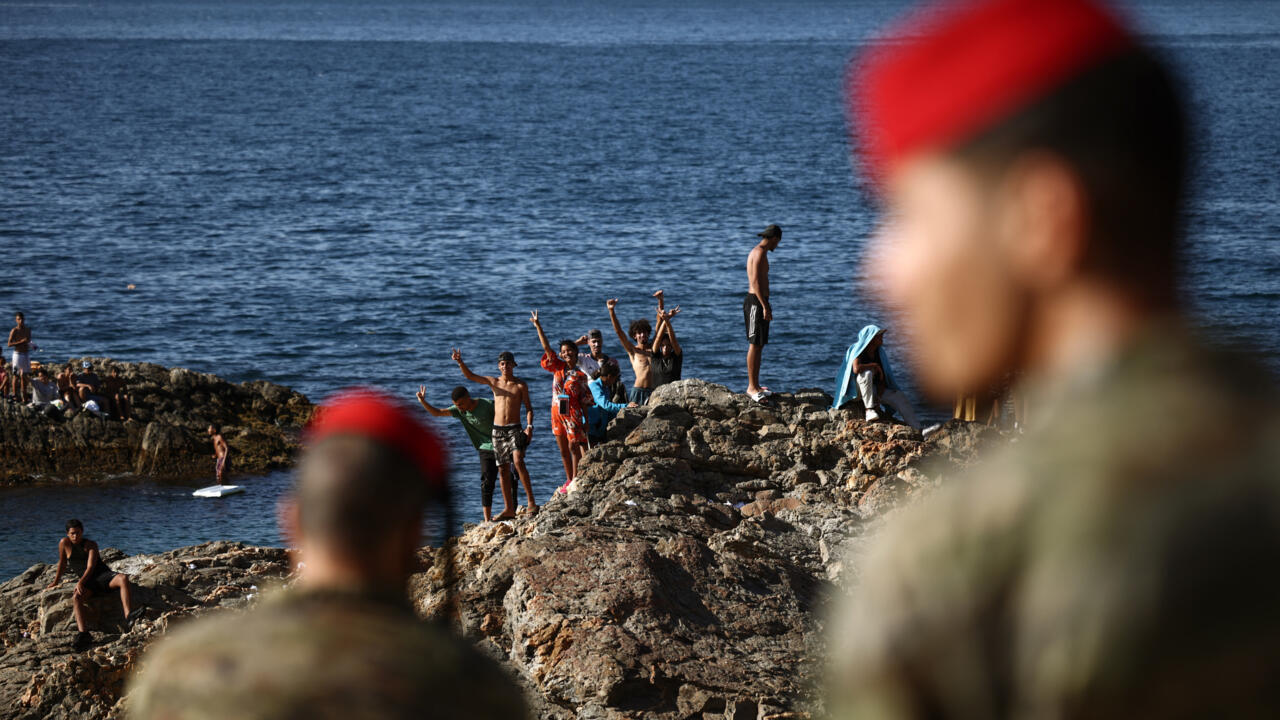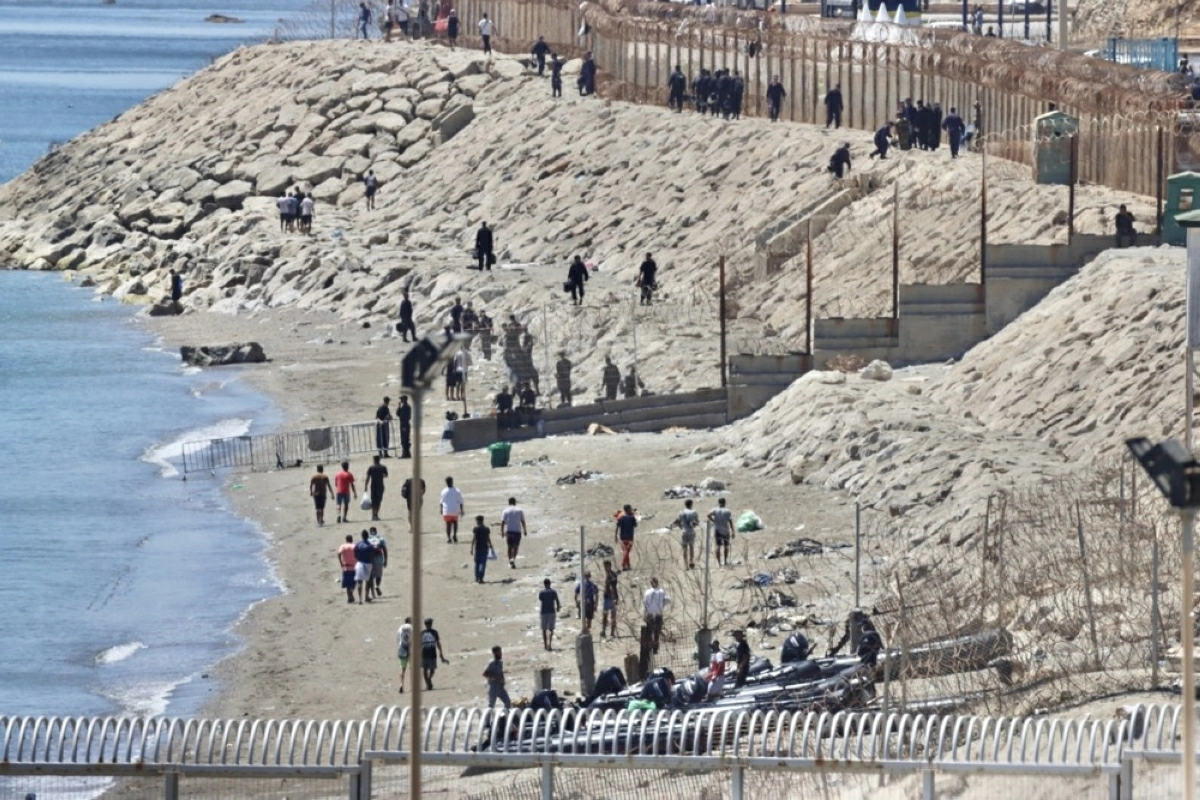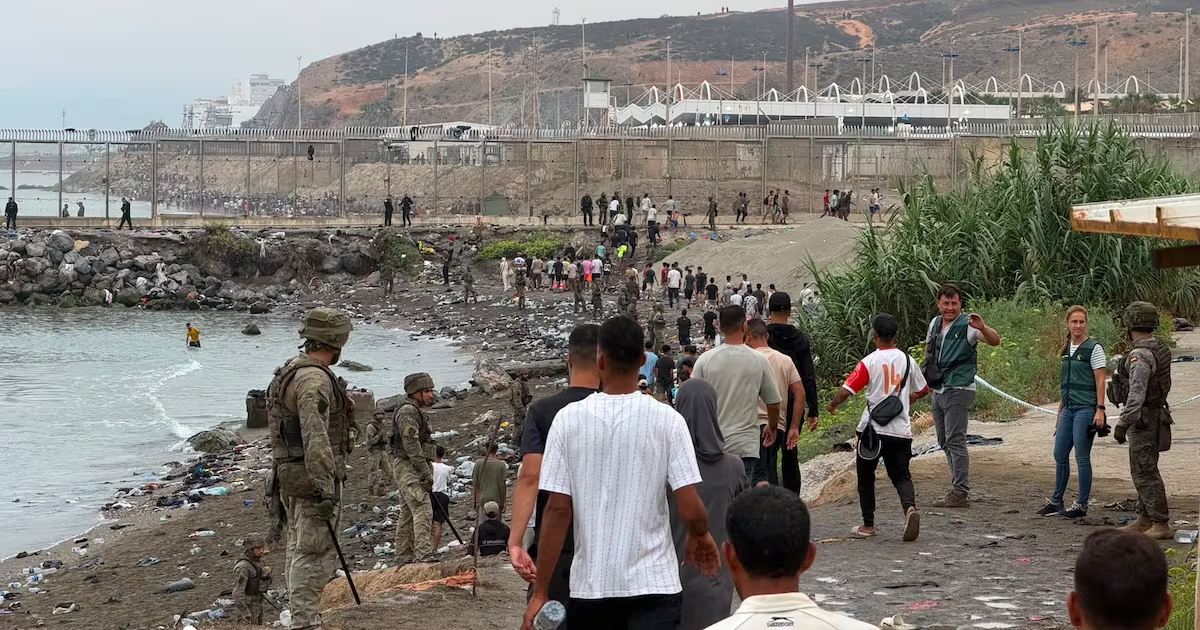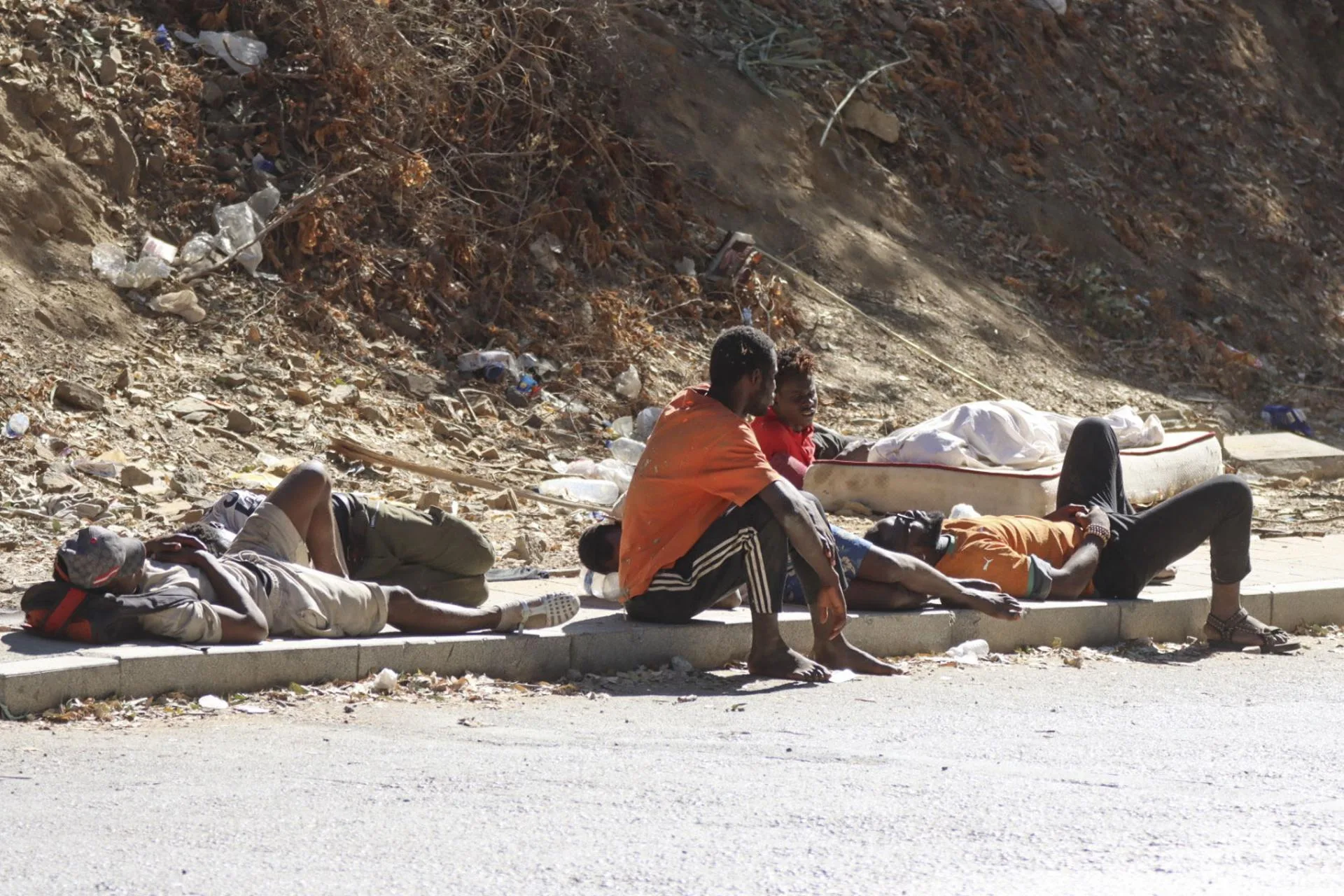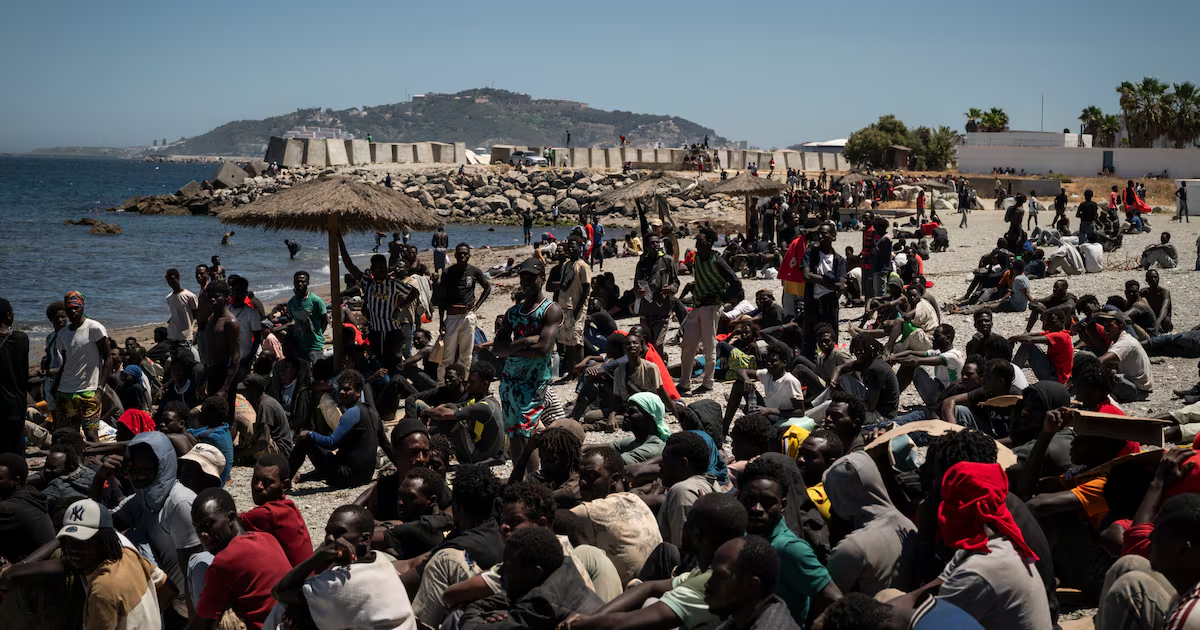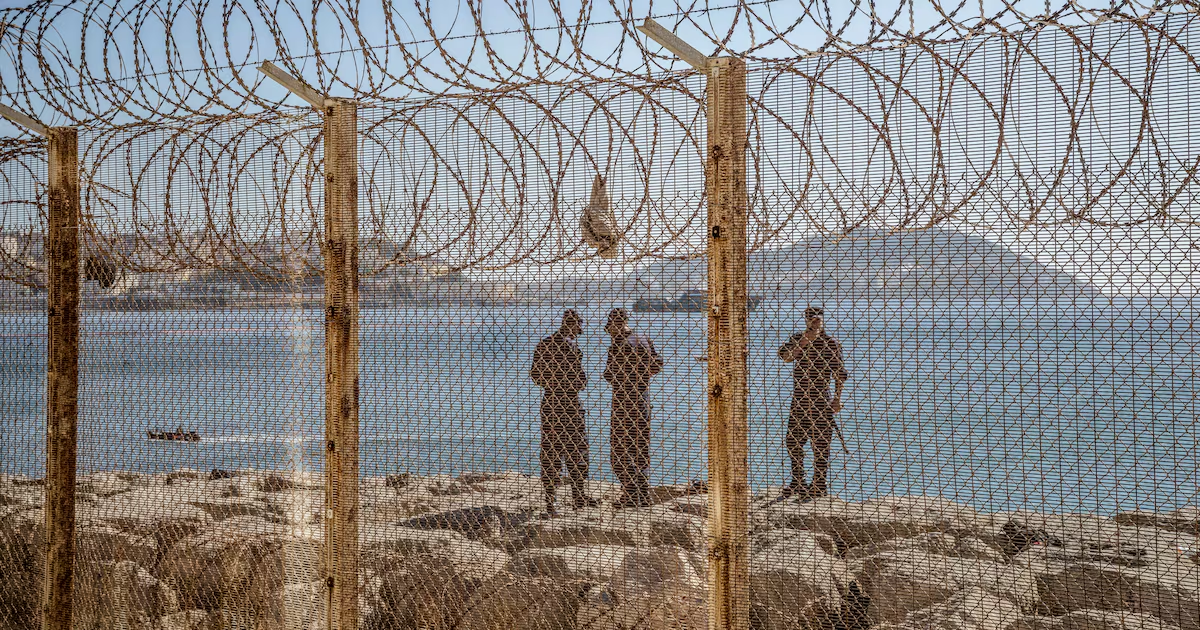
The European Union (EU) needs to be more proactive and resilient against foreign “information manipulation” and interference in the wake of the Ceuta migration crisis, an emergency meeting of ministers has heard. Minister for Justice Jim O’Callaghan said the EU borders are a “shared responsibility” for the bloc, following a video meeting where countries expressed solidarity with Spain despite increasing tensions in recent days. An estimated 69,500 people swam from Morocco to the Spanish enclave of Ceuta in north Africa on Thursday and Friday. It is the largest ever single illegal migration event in the history of the EU. More than 90 people have died in the crisis and the death toll is expected to increase. Some people drowned while others were crushed as they tried to cross a breakwater barrier. The overwhelming majority of people who swam to Spain have now been returned, with an estimated 2,000 still remaining in Ceuta. On Tuesday, the Government chaired an emergency meeting of EU justice and home affairs ministers in response to the crisis. It was led by O’Callaghan, who opened the meeting by describing the loss of life in Ceuta as a “human tragedy”. The Spanish government has so far declined to criticise Morocco for the mass illegal migration, amid concerns about protecting relations with its neighbour state. It is understood that the meeting considered how Europe needs to maintain relations with third countries in the context of migration and protecting the bloc’s borders. [ Ceuta leader blames Morocco over ‘atrocity’ of mass border crossing after more than 90 dieOpens in new window ]Tens of thousands of people attempted to enter the EU after videos explaining the route from Morocco to Spain went viral on social media. It is understood that some EU ministers have raised questions about how and why the European Commission failed to use its sophisticated social media monitoring to anticipate and mitigate against the crisis. A statement, via Ireland’s EU presidency website, following the meeting said that it had “provided an opportunity for Member States to exchange on further co-ordination of outreach to third countries, the protection of the EU’s external borders and the need for strengthened crisis communication, particularly in the context of foreign information manipulation and interference”.Despite some terse exchanges between Italy and Spain over the weekend in response to the large-scale illegal migration crisis, it is understood that there was “unanimous” solidarity expressed at the meeting with prime minister Pedro Sánchez’s government. It is also understood that Spain ended the meeting by thanking other member states for their constructive support. Italy had suspended its free-travel Schengen arrangements with Spain, which prompted Sánchez’s to criticise a “kind of selfish, polarising and unlawful reaction” from EU member states. Speaking after the meeting, O’Callaghan said that the EU “is united and stands ready to support Spain.”“We commend Spain for their swift response to the situation in Ceuta and extend our deepest condolences for the tragic loss of life. The EU’s external borders are our shared responsibility, and migration requires a united European response.”“Today’s meeting provided an important opportunity for member states to assess the tools already at our disposal, identify where further co-operation is needed, and advance our collective preparations ahead of the next ministerial meeting and the European Council in October,” he said. It is also understood that the meeting heard calls for “innovative solutions,” from member states who have been advocating for controversial “return hubs” – detention centres in third countries where those who attempt to illegally enter the EU would be sent. The same meeting heard that irregular arrivals into the EU are down 55 per cent over the last two years. In the wake of the Ceuta crisis some countries had sought to blame Spain’s migration policies, which had been perceived by neighbouring countries as being too soft.Earlier this year, the Spanish government approved a plan to give 500,000 undocumented migrants legal status in the country. It is understood that a small number of member states had alluded to the regularisation scheme as a pull factor in the meeting, which Spain has denied.
EU must be resilient against ‘information manipulation’ following Ceuta crisis, says O’Callaghan
Minister for Justice says borders are a ‘shared responsibility’ following meeting with member states
680 words~3 min read