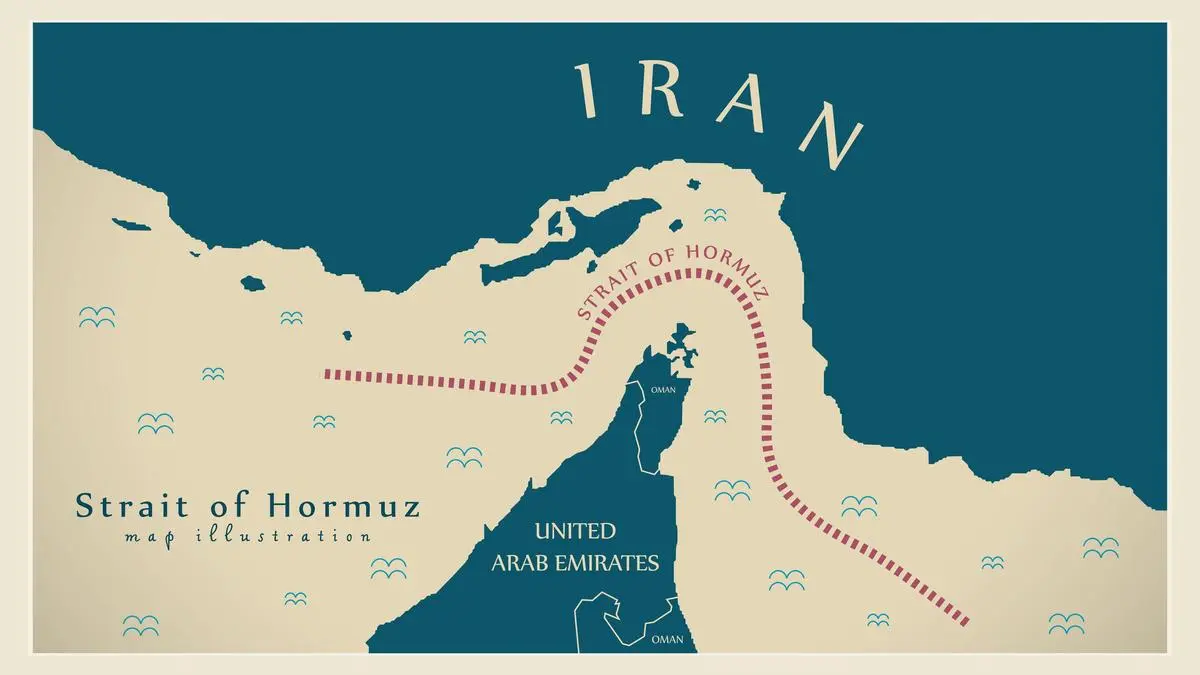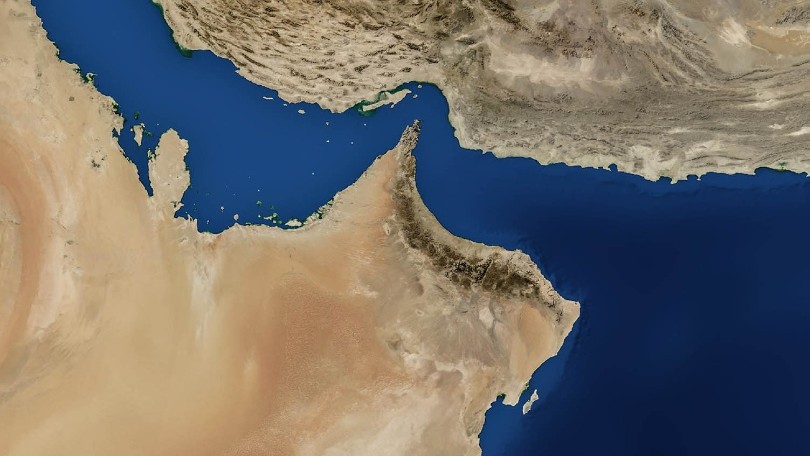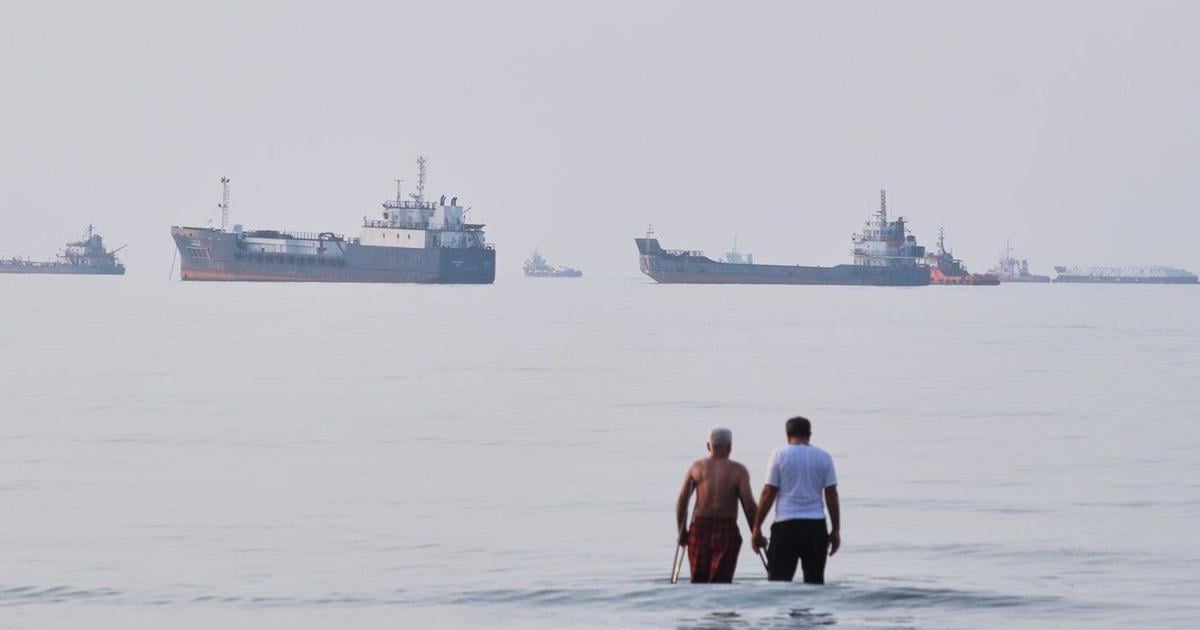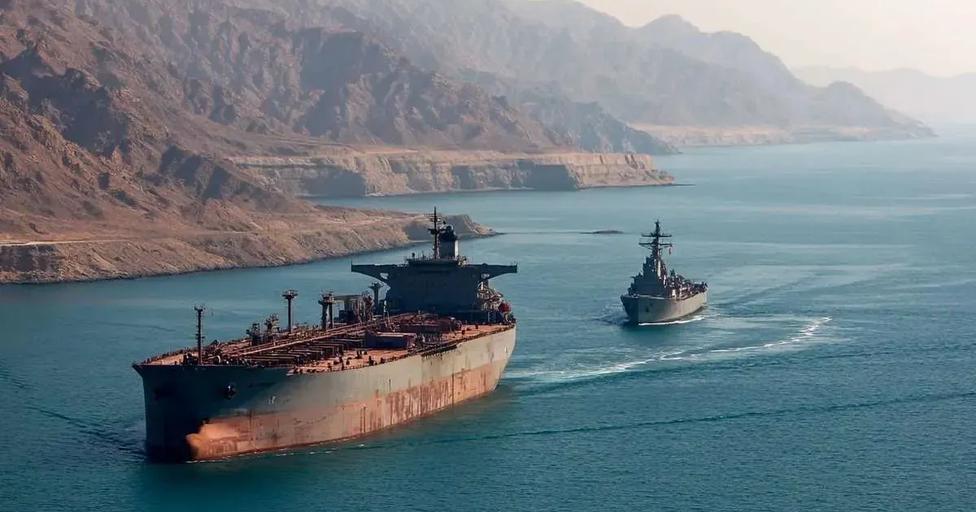
A new report indicates a shift in the oil export routes of Arab states bordering the Persian Gulf, showing that the UAE’s Port of Fujairah and ship-to-ship transfer operations in the Sea of Oman have become the most critical alternative routes for bypassing the Strait of Hormuz.
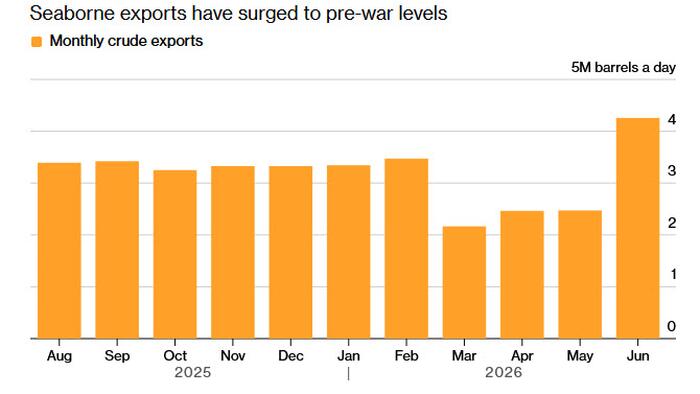
The HFI Institute announced that approximately 4.2 million barrels of oil are exported daily via this route. Iraq accounts for the largest share, with 1.5 million barrels, followed by the UAE with 1.2 million, Kuwait with 1 million, and Saudi Arabia with 500,000 barrels. HFI is an energy research center that publishes reports and analyses on the oil market, including the status of strategic ports and global supply-and-demand flows.
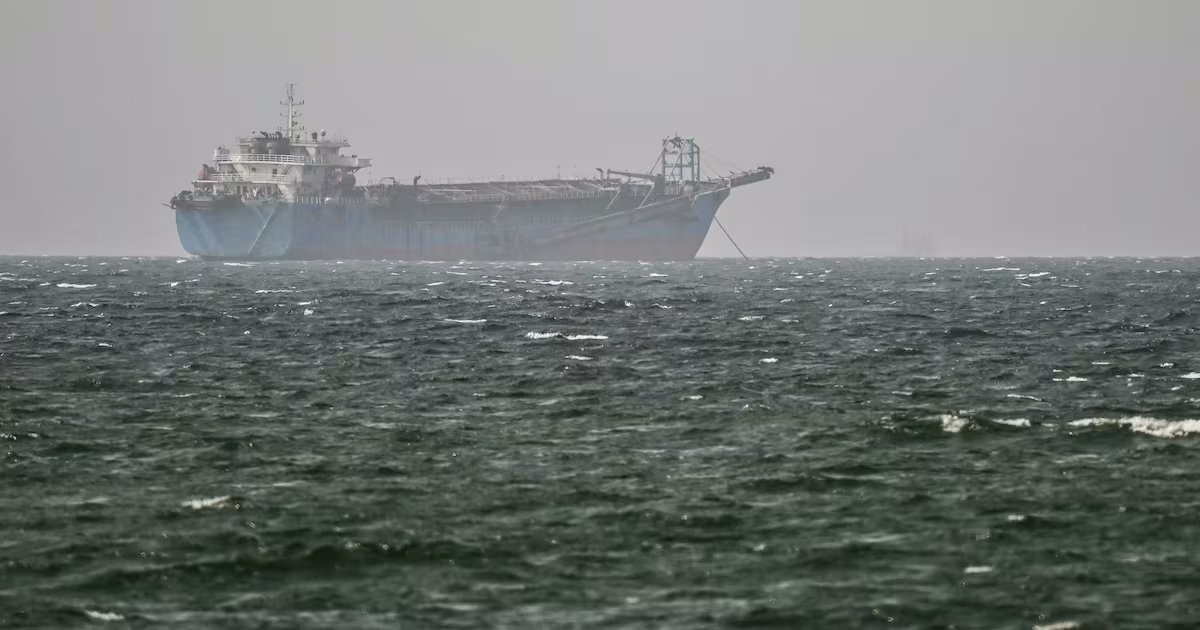
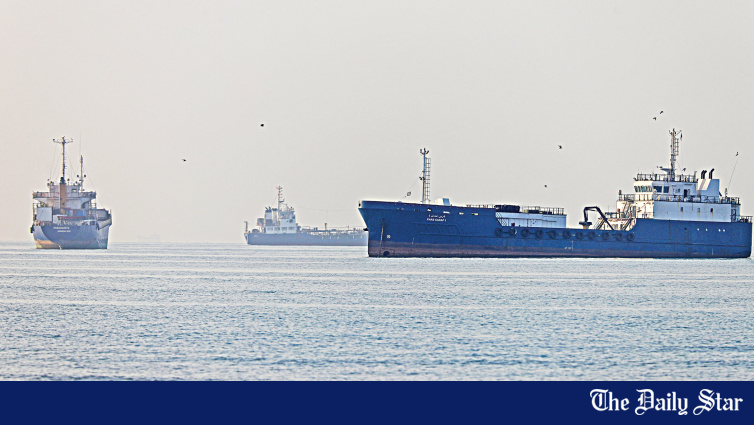
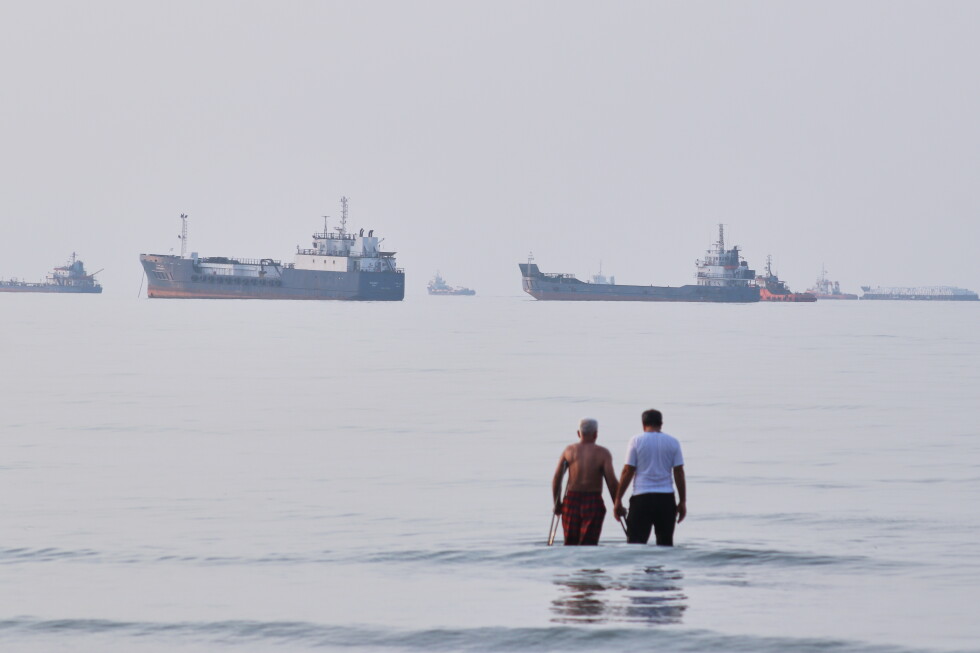
According to the report, targeting Very Large Crude Carriers (VLCCs) alone cannot halt Arab oil exports, as the oil is first transported through the Strait of Hormuz using smaller Aframax tankers and then transferred to VLCCs near Oman’s Port of Sohar or the UAE’s Port of Fujairah. According to HFI, this transfer chain has continued uninterrupted over the past three weeks with the logistical cooperation of Oman and Arab nations.
At the same time, following heightened regional tensions, Gulf Arab states have accelerated the implementation of at least seven major oil transportation projects to reduce their reliance on the Strait of Hormuz. Once completed, these projects will divert oil export routes to the Red Sea, the Sea of Oman, and the Mediterranean Sea.