DOHA: For much of the modern era, museums were defined by a singular mission: to collect, classify, and determine what was worthy of preservation.
Over time, institutions such as the Louvre, the British Museum, and the Metropolitan Museum of Art drew their authority from the weight of their collections until their narratives came to resemble truth itself. Visitors arrived, and the museum spoke.
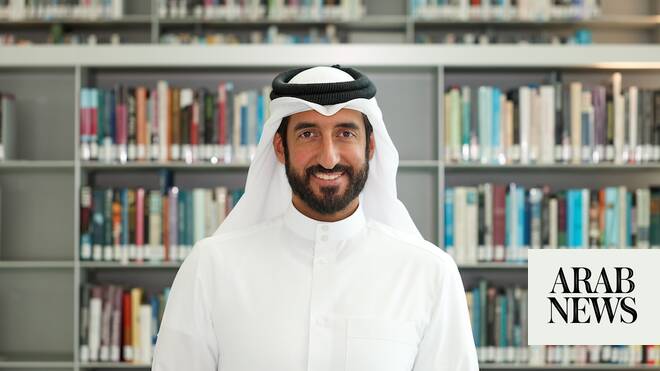
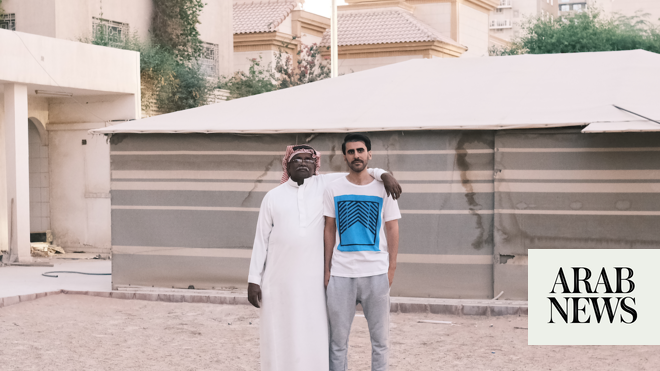
Shahnawaz Zali is an Oscars Student Academy Award–nominated filmmaker and “Forbes 30 Under 30” honoree based in Doha. (Supplied)
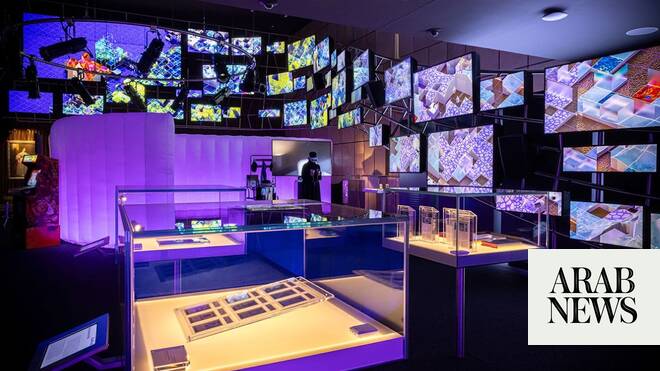
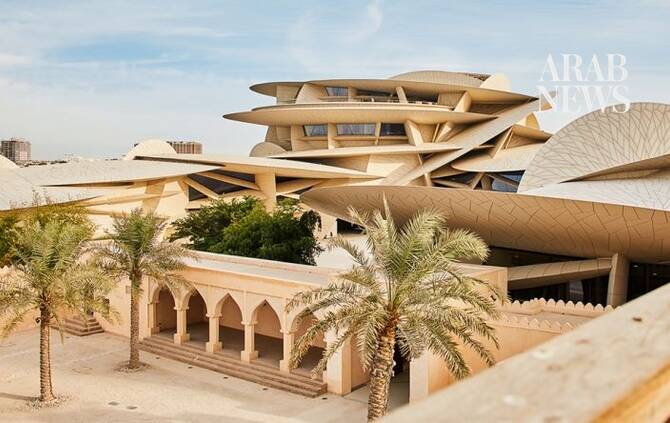
The Middle East may have entered this tradition later than others, but that delay has, I would argue, worked very much in our favor. The region’s most ambitious museums did not inherit the Louvre model. They were built in the age of the smartphone, algorithmic content, and generative technologies.
As a result, they have quietly resisted assuming the role of their older counterparts. Rather than asserting their authority over visitors, they have moved toward dialogue with them. The role of the visitor has also changed. No longer simply there to receive knowledge, they have, at times, become part of the debate itself.