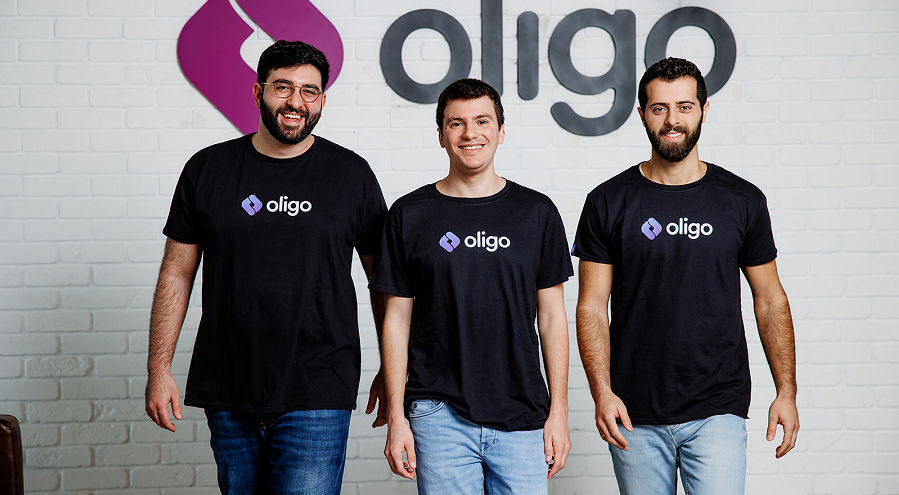
Oligo Security raises $60M as AI speeds up exploit development
Runtime security startup Oligo Security Ltd. said today that it had raised $60 million in new funding to accelerate product innovation and expand global go-to-market operations.
Oligo’s software sits alongside applications in production. A sensor built on eBPF, the Linux kernel feature, tracks which library functions a workload actually calls. Most of the vulnerabilities a scanner flags are never called at all, and those are the ones Oligo tells customers they can leave alone. The ones that do get called can be blocked mid-exploit at the application layer, without killing the container or the process behind it.
That last piece arrived in April with Runtime Exploit Blocking, which defends against classes of attack techniques rather than individual CVEs, meaning a single rule can cover zero-day and n-day exploits that share a pattern. Oligo also pitches the approach as a way to buy time between patch cycles through virtual patching.
Interest in runtime defenses has climbed since unauthorized access to Anthropic PBC’s restricted Claude Mythos model sharpened concern about how quickly vulnerability discovery and exploit development can be automated.