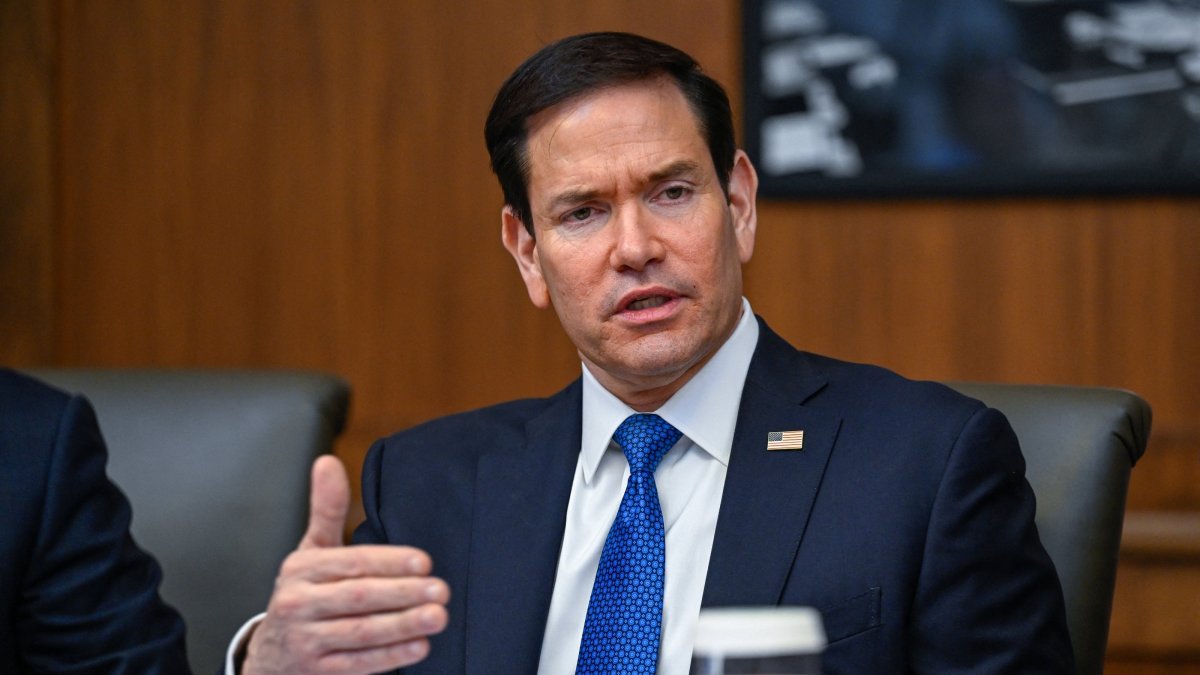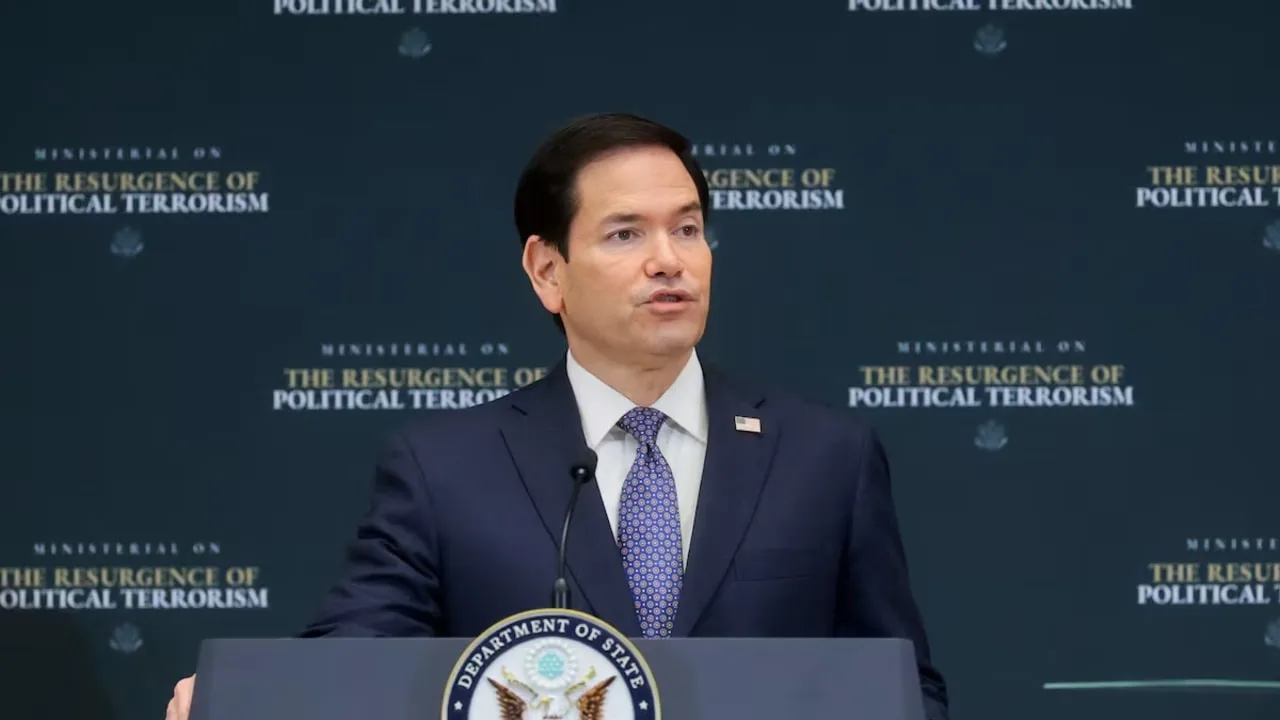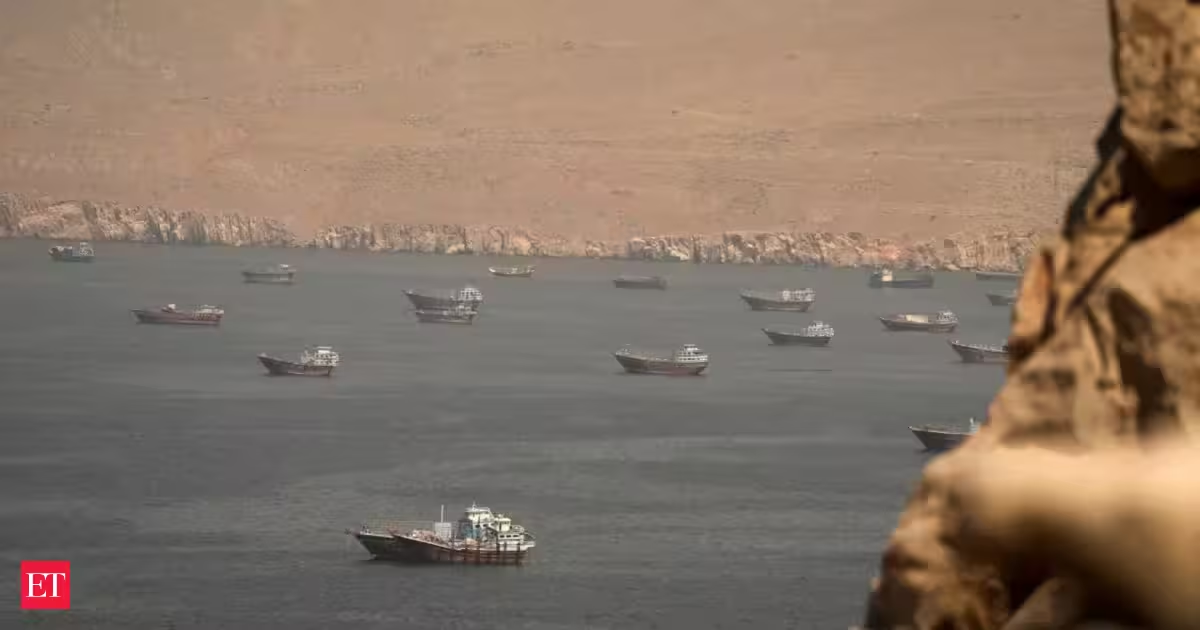
Secretary of State Marco Rubio says talks with Iran and Oman have advanced but remain unfinished, as Qatar, Pakistan and Oman exchange proposals aimed at restoring shipping through the blockaded energy corridor“There’s been progress made in those talks, but not finality yet,” Rubio told reporters at the State Department. “We’re hoping that will happen very shortly.”GalleryUS Secretary of State Marco Rubio (Photo: Johan NILSSON / TT NEWS AGENCY / AFP)His comments offered the clearest U.S. confirmation yet that negotiations are advancing over the strategic waterway, which has remained virtually closed as the war with Iran continues, Reuters reported.Qatar said earlier Tuesday that mediation efforts had reached “very progressive stages,” though Iranian officials continued to deny President Donald Trump’s assertion that direct negotiations between Tehran and Washington were already underway.Iran maintains that its discussions are limited to Oman and concern only the Strait of Hormuz. Tehran has said no major meetings with the United States are planned this week.Trump said Monday that talks had begun at the request of Iran, Saudi Arabia, the United Arab Emirates and Qatar.“They are going on right now,” Trump told reporters at the White House. “This is a last chance for them to sign a good document.”Qatari Foreign Ministry spokesperson Majed al-Ansari said Qatar, Pakistan and Oman were coordinating closely and exchanging draft proposals between Washington and Tehran.“A lot is happening in the background,” a senior Pakistani security official told Reuters. “We are talking to both sides. Our sole goal at this moment is to make both parties at least agree to start talking.”Treasury Secretary Scott Bessent also suggested that a breakthrough could be imminent.“We are in talks with the Iranians, and I think there is a chance we may have a deal today or tomorrow to open the Strait and move towards a more normalized position in this conflict,” Bessent told CNBC.The diplomatic push comes after Trump canceled what he described as “massive attacks” on Iran over the weekend, once again stepping back from threatened military action while pointing to possible negotiations.Iran has halted most traffic through the Strait of Hormuz, while Washington maintains restrictions on Iran-linked shipping and ports.The strait normally carries about one-fifth of global oil and liquefied natural gas shipments, making its continued closure a major threat to international energy markets.Oil prices fell after Qatar reported progress in the mediation effort. Brent crude dropped more than 2%, extending losses from Monday as investors bet that a deal could restore shipping.The risks, however, remain acute.Strait of Hormuz (Photo: REUTERS/Stringer)A cargo ship was struck by an unidentified projectile near the strait off Oman’s coast, according to the UK Maritime Trade Operations security agency. Maritime sources told Reuters that the vessel was a dry bulk carrier.The crew abandoned the ship, and one seafarer was reported missing.Iran has long argued that it should share control of the strait with Oman, which governs the opposite shore.Tehran rejected an Omani proposal last week that would have established shared oversight of the waterway and allowed voluntary fees to be collected from passing ships.A senior Iranian source told Reuters that Tehran is seeking full control over ships entering the strait, visibility over outbound traffic and the power to intervene when it considers it necessary.Such an arrangement would significantly expand Iran’s regional influence and complicate Washington’s claim that its military campaign has weakened Tehran.The U.S. Army has used much of its stockpile of highly accurate long-range missiles during the five-month war, three people familiar with internal data told Reuters.The depletion has raised concerns about Washington’s ability to respond to future conflicts involving adversaries such as Russia or China.THAAD missile defense system (Photo: AFP / HANDOUT / DVIDS / US ARMY)Iran appears to be betting that it can outlast the United States by turning shipping routes and regional energy infrastructure into sources of sustained economic pressure.“Their big advantage is that they can hurt the regional states and the global economy,” Michael Knights of the Washington Institute said.The pressure has expanded beyond Hormuz. Yemen’s Iran-aligned Houthis have imposed a naval blockade on Saudi Arabia in the Red Sea, further restricting regional oil export routes.Iran has publicly rejected negotiations with Washington since the collapse in early July of a memorandum of understanding intended to end the war.Trump has yet to achieve the goals he set when launching the campaign alongside Israel in February: dismantling Iran’s nuclear program, curbing its ability to attack regional rivals and creating conditions for Iranians to overthrow the country’s clerical leadership.
US hopes for Strait of Hormuz deal ‘very shortly,’ Rubio says
Secretary of State Marco Rubio says talks with Iran and Oman have advanced but remain unfinished, as Qatar, Pakistan and Oman exchange proposals aimed at restoring shipping through the blockaded energy corridor
741 words~3 min read