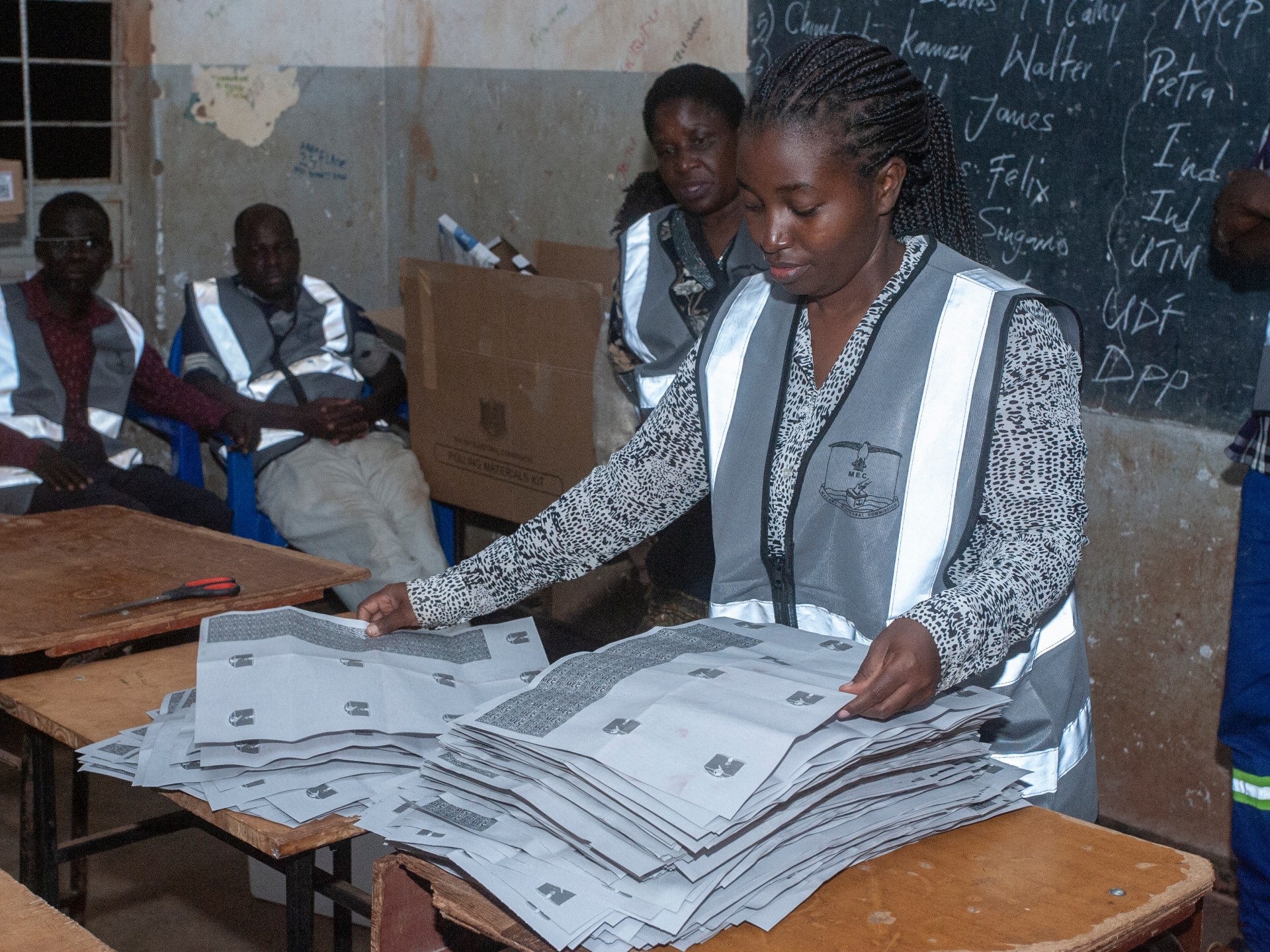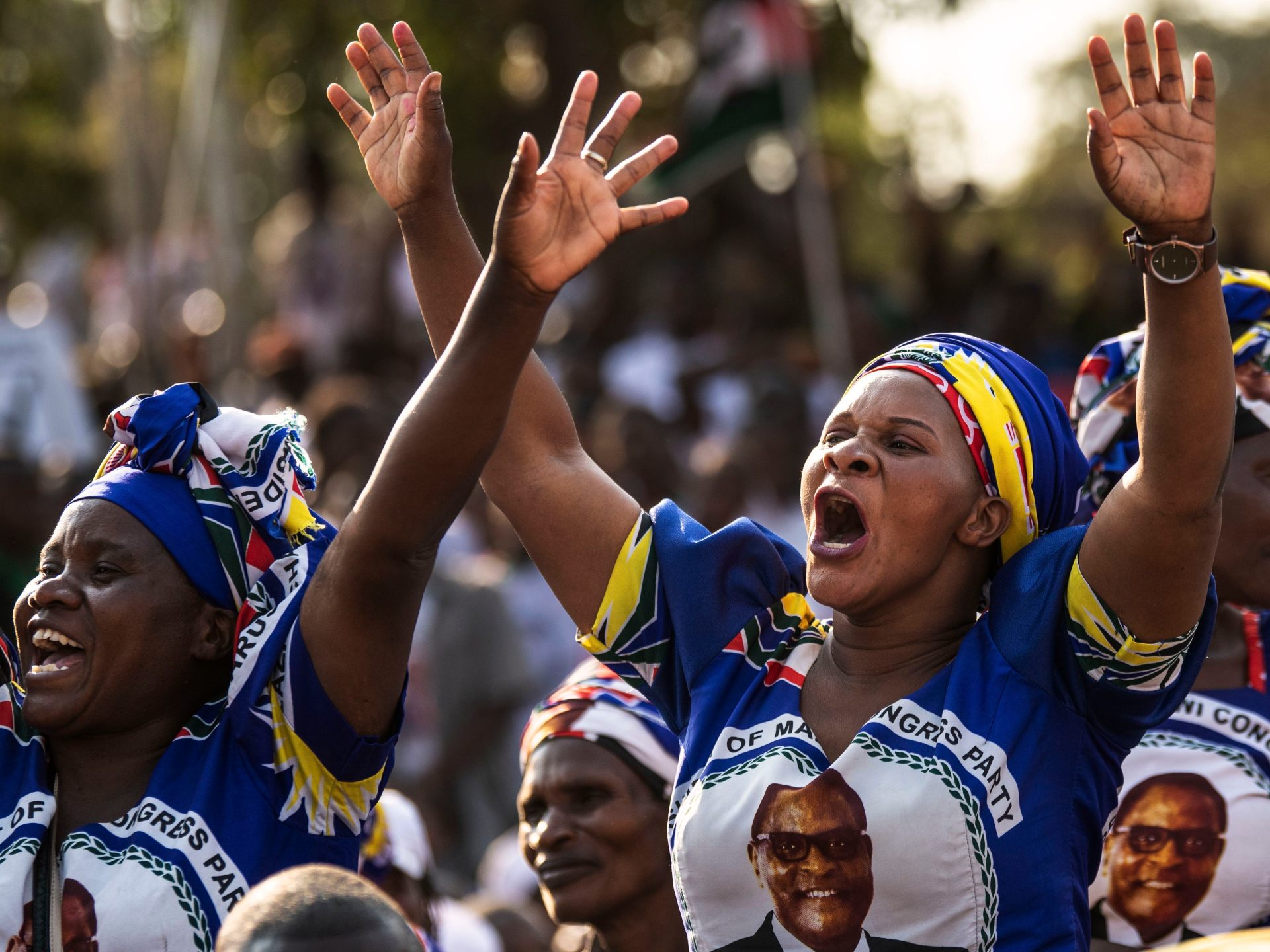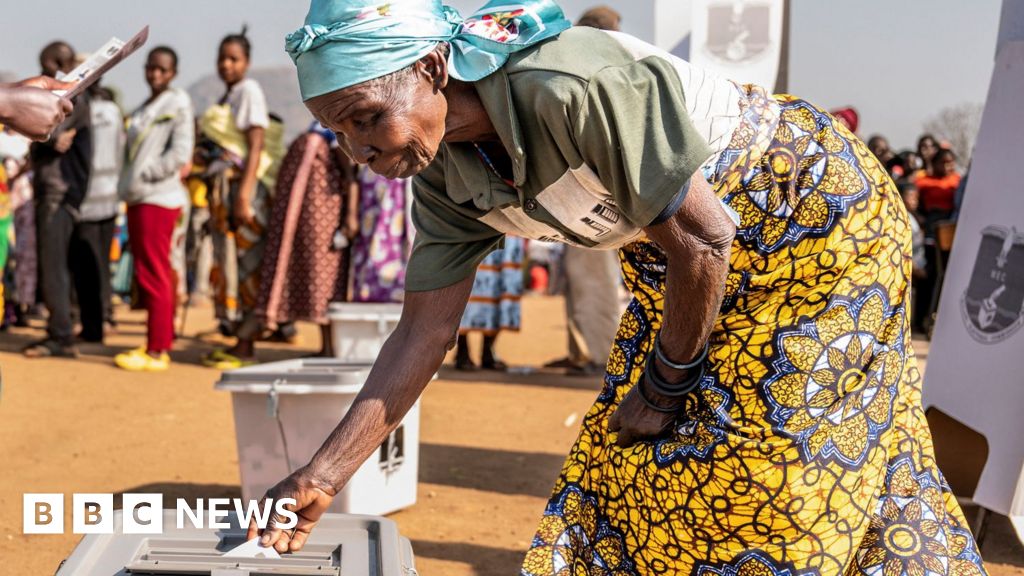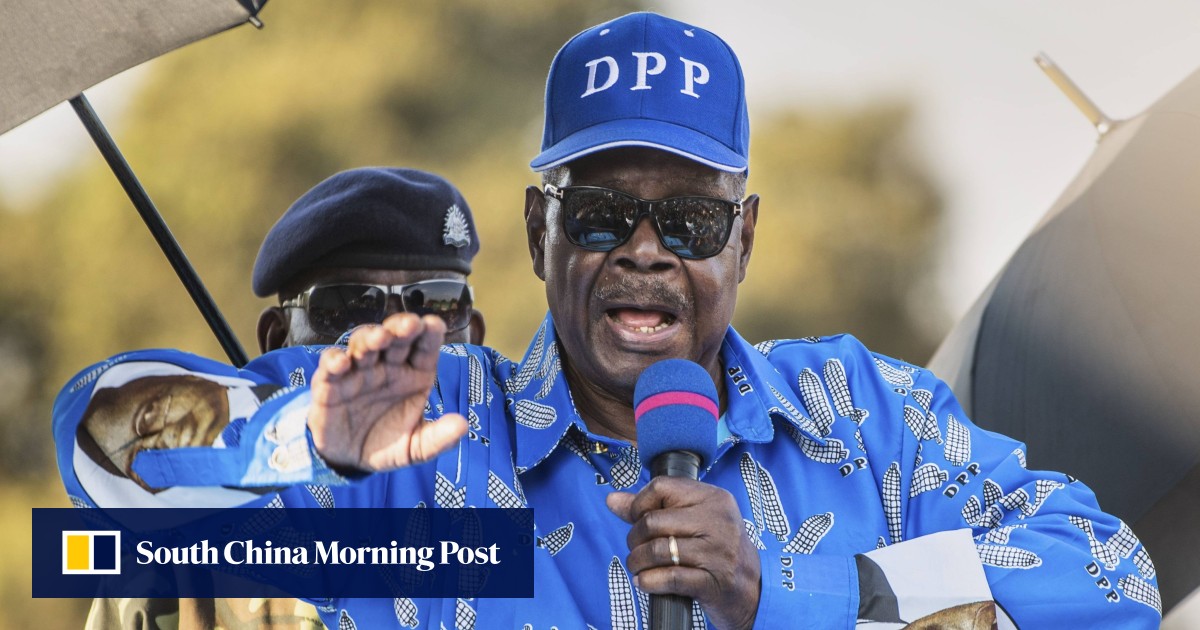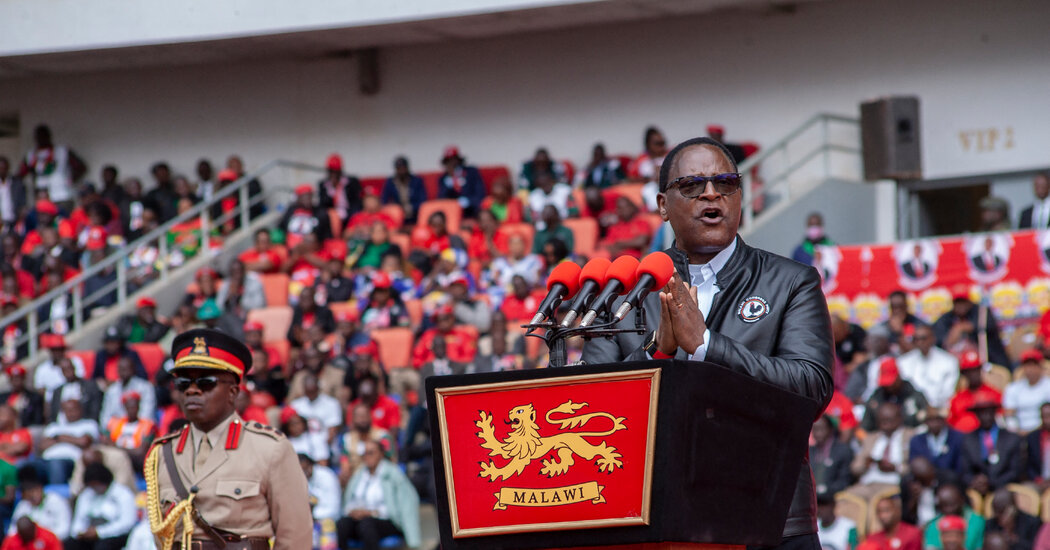
Malawi’s constitutional court annulled the 2019 presidential election. The 2020 re-run brought an extraordinary transfer of power from the ruling Democratic Progressive Party to the opposition Malawi Congress Party, raising hopes for economic and political renewal.
However, the new government came to preside over a period of deep economic crisis and growing public discontent driven by a series of overlapping shocks.
The COVID-19 pandemic disrupted supply chains. Russia’s invasion of Ukraine in 2022 pushed up the cost of key imports like fuel, fertiliser and maize. Malawi has also endured successive floods, droughts and cyclones. Severe shortages of foreign currency, fuel and electricity compounded the effects of poor harvests.
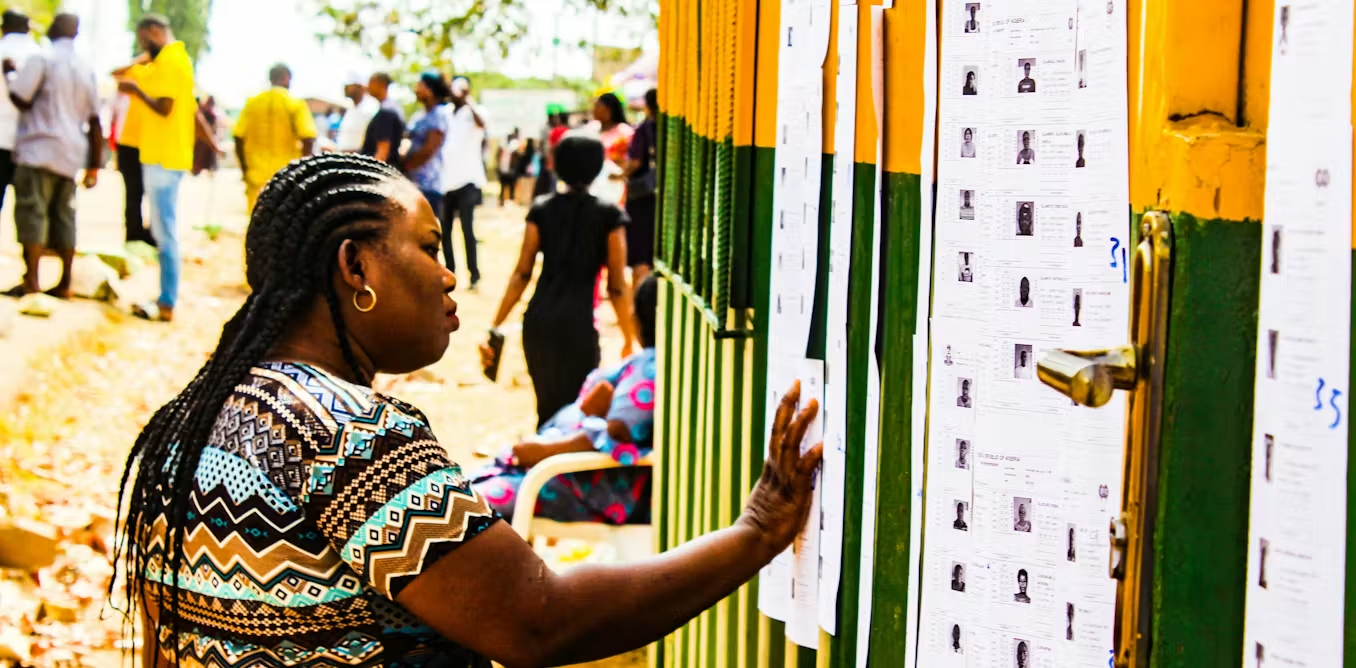
By 2025, the World Food Programme estimated that nearly one-third of Malawians faced acute food insecurity. This meant that Malawi’s 2025 parliamentary election took place against the backdrop of profound political and economic turmoil.
We are researchers of Malawian politics, and in collaboration with the Westminster Foundation for Democracy’s Cost of Politics programme, we sought to understand how an economic crisis can shape an election campaign. Collecting new data from 2025, we were able to make interesting comparisons with the 2019 poll.