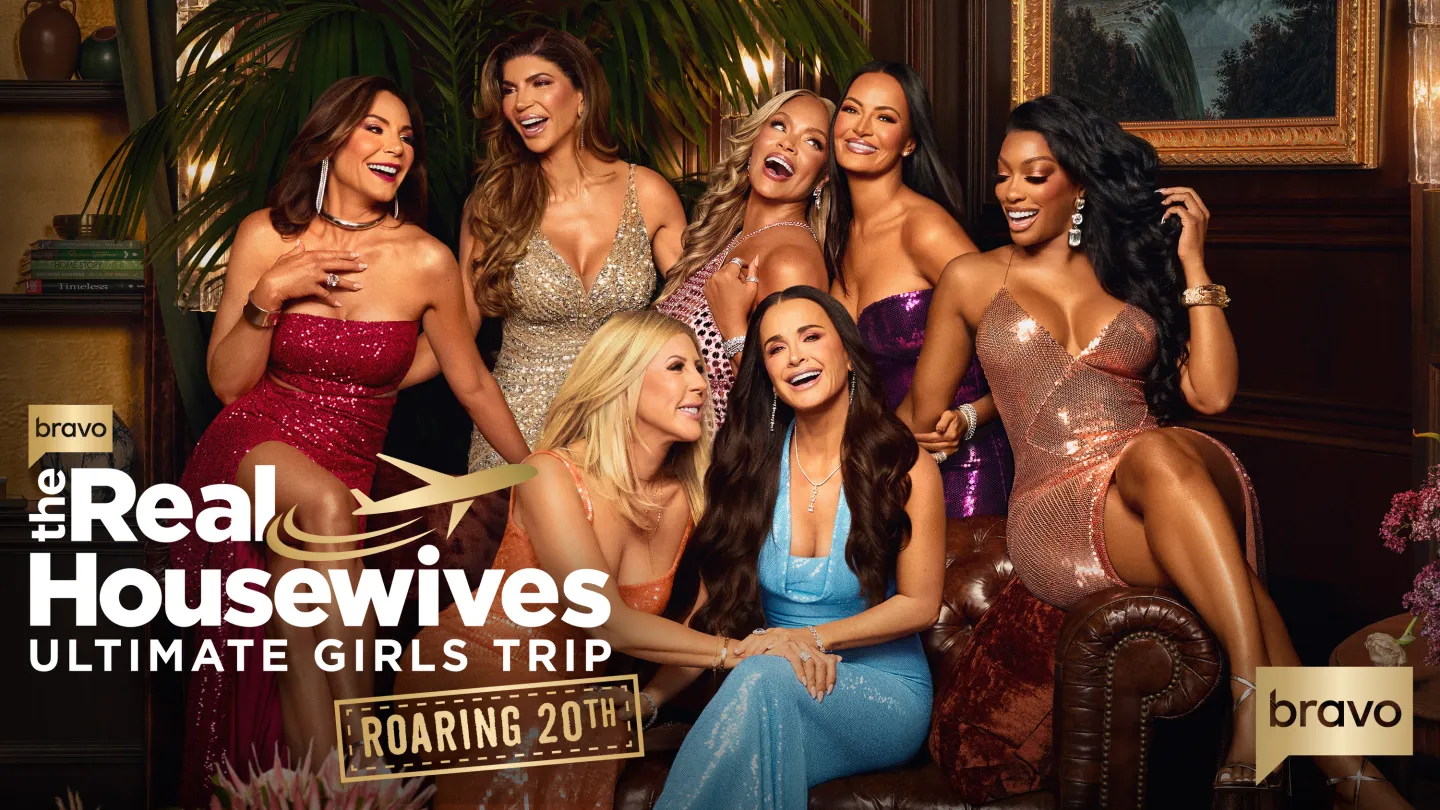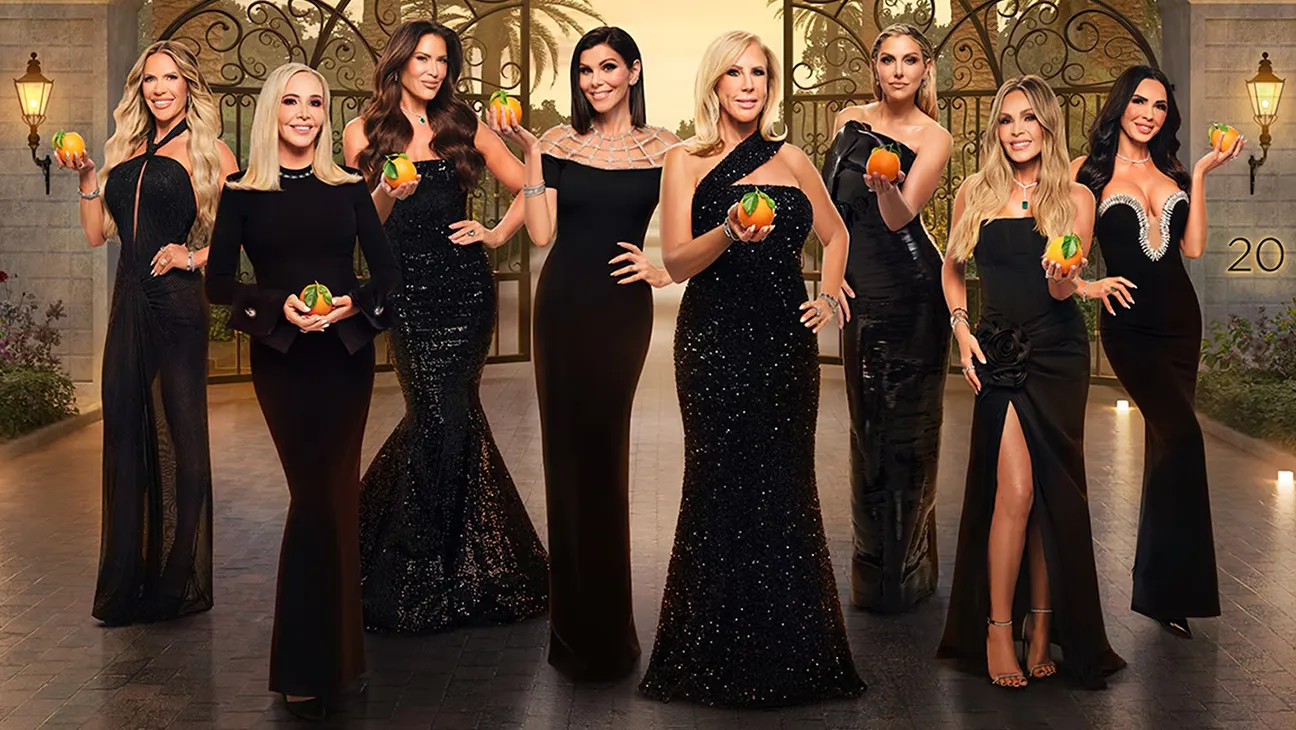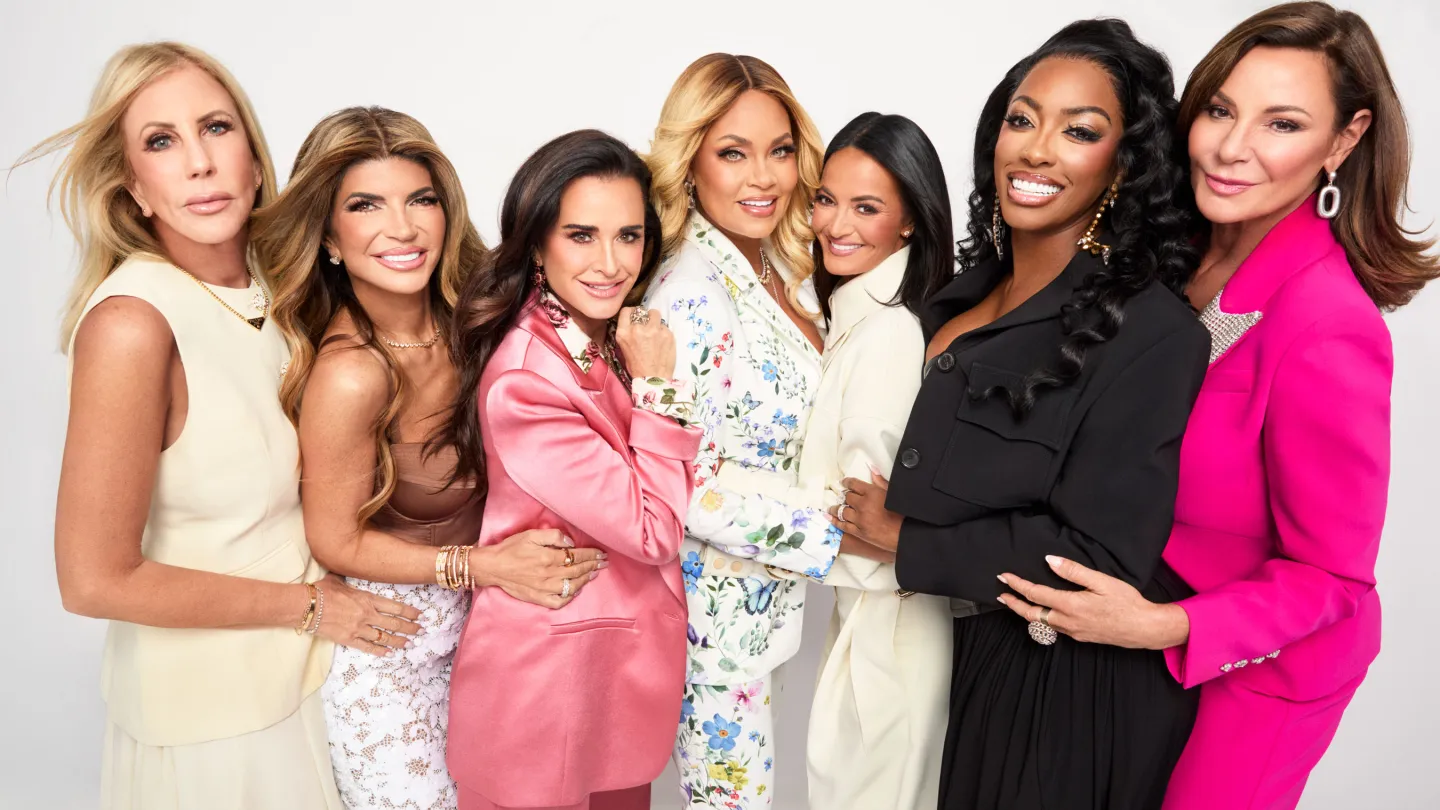
Twenty years ago, when a group of affluent women behind the gates of an Orange County community agreed to let a few Handycams follow them around, nobody imagined they were inaugurating one of the most durable — and consequential — institutions in American popular culture. Least of all the women themselves.
The franchise that would redefine reality television began almost by accident. Scott Dunlop wasn’t looking for America’s next great soap opera. He wanted to document life behind the gates of Coto de Caza, where one ambitious insurance executive named Vicki Gunvalson stood out because, unlike most of her neighbors, she worked. Nobody — not Bravo, not the cast, arguably not even Dunlop — understood that they were inventing a format that would still dominate popular culture two decades later. Bravo executives, underwhelmed by the first footage, seriously debated killing the show before it aired — relenting, Andy Cohen later admitted, largely because they were already $400,000 in.
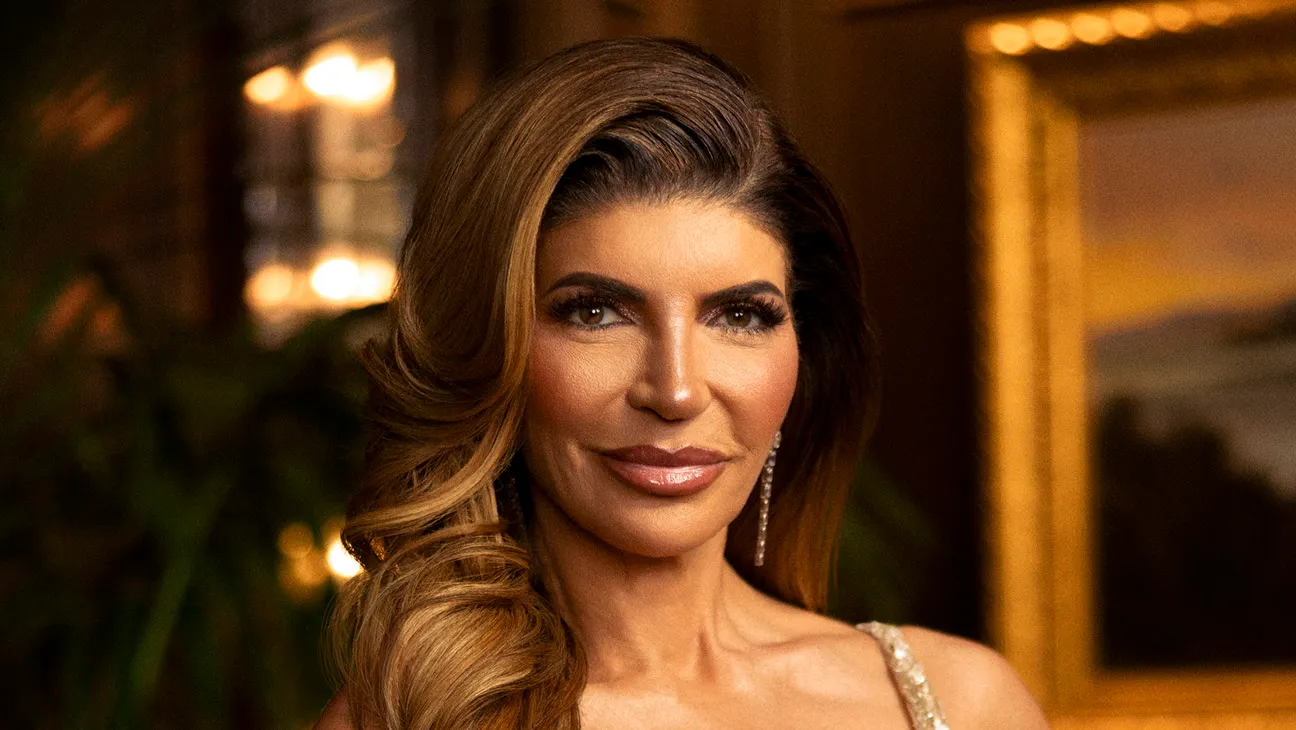
Photographed by Jake Chessum
Every subsequent entry replayed some version of that original bait-and-switch. Gunvalson was told the show was a social experiment. Luann de Lesseps was told she was filming “Manhattan Moms.” Teresa Giudice heard “Jersey Moms.” Even Gizelle Bryant, who entered the universe years later, says producers explicitly assured her that “Ladies of Potomac” would not be another Real Housewives. “They lied to all of us,” Bryant says now, laughing.