Building better boards: The anatomy of high-performing nonprofit governance
In the first two articles of this series, I argued that governance is the foundation of sustainable social impact and that nonprofit organisations must evolve from “working boards” to “governing boards” to remain effective. But governance is only as effective as the people entrusted to lead it. The real question is not whether an organisation has a board; it is whether it has the right board.
This question is increasingly important across Africa’s nonprofit sector. As organisations grow in complexity and visibility, governance challenges rarely stem from poor intentions. More often, they come from boards never designed to govern. Trustees may be committed to the mission but unclear about their responsibilities. Boards may meet regularly yet contribute little strategic value. The result is a governance gap that weakens accountability, effectiveness, and public trust.
Strong governance: Strong board
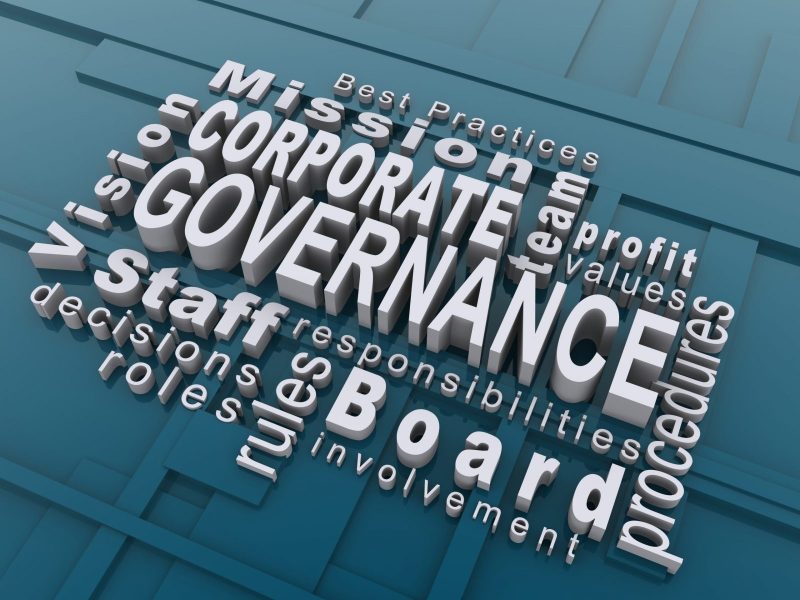
A great board is not defined by the prominence of its members or the number of meetings it holds. It is defined by its ability to provide strategic leadership while remaining faithful to the organisation’s purpose and values. High-performing boards understand that governance is an active responsibility, not an honorary position. Trustees invest time in understanding the mission, governing documents, financial position, legal obligations, and operating environment. Accepting a board appointment means accepting fiduciary responsibility for the organisation’s future.