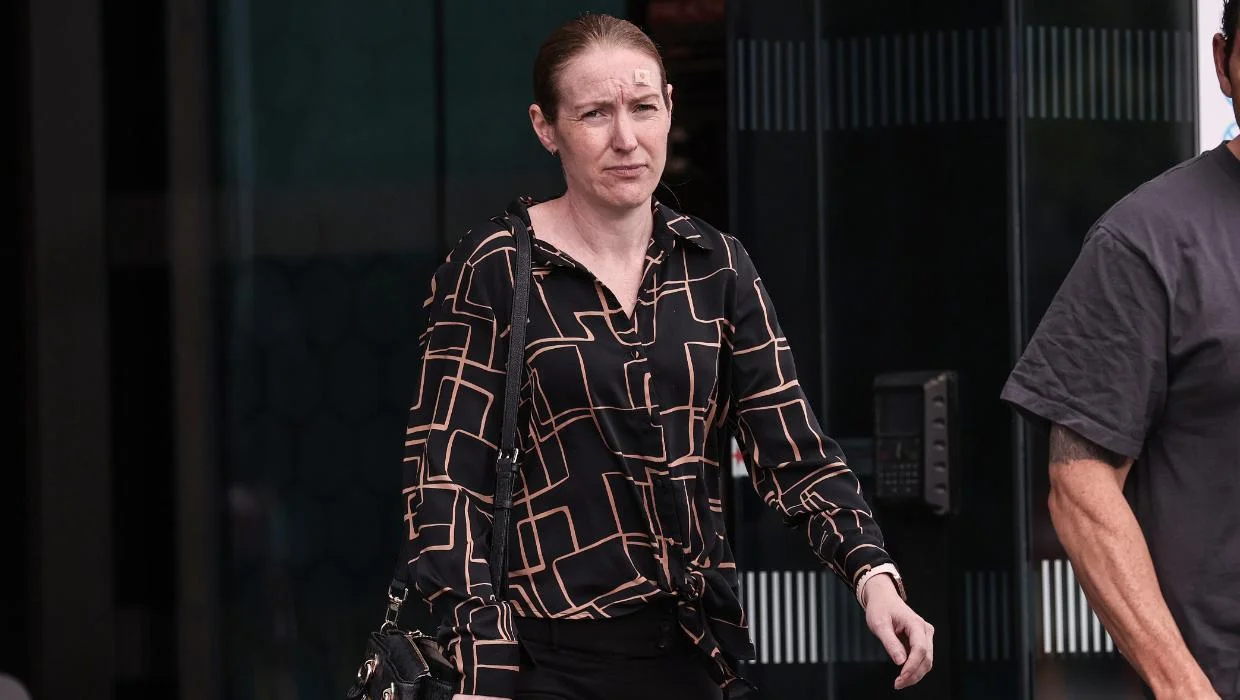
An Illinois woman who spent more than 20 years working inside the DeKalb County Circuit Clerk's Office has pleaded guilty to stealing government money by inventing a home-remodeling business that never actually existed. Erica L. Walker will serve 48 months of probation, pay $41,381 in restitution, and complete 100 hours of community service, but she will not spend a single day behind bars.A Fake Business, Two Loans, No Prison TimeWalker's case is a reminder that pandemic-era relief programs are still generating criminal cases years after the emergency ended. She used a company that investigators say was fictional to pull in two Paycheck Protection Program loans totaling $41,250, and got caught only after her own tax return told a different story than her loan paperwork did.Also Read: This ‘rock’ in Namibia is actually a plant that plays dead, fewer than 200 are leftTwo Applications, One Bank AccountThe scheme moved fast. Walker filed her first PPP application on or around April 15, 2021, telling lender Fountainhead SBF LLC that she was the sole owner of a residential remodeling company based in DeKalb. Paperwork attached to the application claimed the business had pulled in $99,000 in gross sales in 2020. Fountainhead approved the loan for $20,625.Less than a month later, on or around May 11, 2021, Walker went back for more. A second loan, also for $20,625, landed in her account. Together, the two payments added up to $41,250 in under thirty days.A Business That Was Never ThereHere's the catch: when investigators checked Walker's personal income-tax return for 2020, the remodeling income she'd claimed on her loan application was nowhere to be found. The DeKalb County Sheriff's Office opened an investigation and eventually sat down with Walker herself. According to a police report filed in court, and reported by WIFR, she admitted that the remodeling company used to secure the loans did not exist.PPP loans were built to help real, operating businesses keep employees on payroll during COVID-19, and the program did allow self-employed applicants to lean on their own business-income records instead of formal payroll documents. But whatever numbers went to the lender still had to be true. Walker's weren't.From Six Charges Down to TwoDeputies arrested Walker on September 4, 2025. Prosecutors initially threw the book at her: two counts of theft of government funds, two counts of forgery, and two counts of wire fraud — six felonies in all. Walker pleaded not guilty after her indictment.Eventually, a plea agreement narrowed things considerably. Walker pleaded guilty only to the two theft of government property counts. The forgery and wire fraud charges did not end up as part of her final conviction.A Judge From Out of TownBecause Walker had spent decades working inside the very courthouse now handling her case, DeKalb County's State's Attorney's Office asked for a special prosecutor to step in and avoid any conflict of interest. The court also brought in a judge from outside DeKalb County to hear the matter. Walker's county job ended October 1, 2025, less than a month after her arrest, making her a former employee by the time she entered her plea and was sentenced.Also Read:Their shares fell from 5% to 0.63%. Now twin daughters are fighting with billionaire dad for $43.5 millionThe Math Doesn't Quite Add UpOne small mystery remains unsolved: Walker took in $41,250 through the two loans, but the court ordered her to pay back $41,381 — a difference of $131 that isn't explained anywhere in the available court records.What to Do if a PPP Loan Shows Up That Isn't YoursWalker's fake business is one kind of PPP fraud, but plenty of people have discovered the opposite problem — a PPP loan taken out in their name by someone else, using stolen identity information. That kind of surprise can trigger collection notices, tax headaches, or messed-up business records long after the pandemic program itself has shut down.If that happens, the Small Business Administration wants three things: an FTC Identity Theft Report from IdentityTheft.gov, a completed SBA Form 3513 (Declaration of Identity Theft), and a copy of a government-issued photo ID. Those documents go to PPPIDTheftInquiries@sba.gov. It's also worth contacting the lender directly and asking for a copy of the loan application and any supporting records they have on file — things like tax documents, payroll details, funding instructions, e-signatures, identity-verification files, and any communications tied to the loan.
She invented a business, got $41,381 in PPP loans and still won't spend a day in prison
An Illinois woman confessed to fraudulently obtaining government aid via a fake business, netting over forty thousand dollars from two Paycheck Protection Program loans. Her tax returns raised red flags that led to the discovery of the fraudulent activity. Ultimately, she avoided jail time, receiving probation and was ordered to pay restitution. This incident underscores the continuing scrutiny of pandemic relief fund abuses.
726 words~3 min read