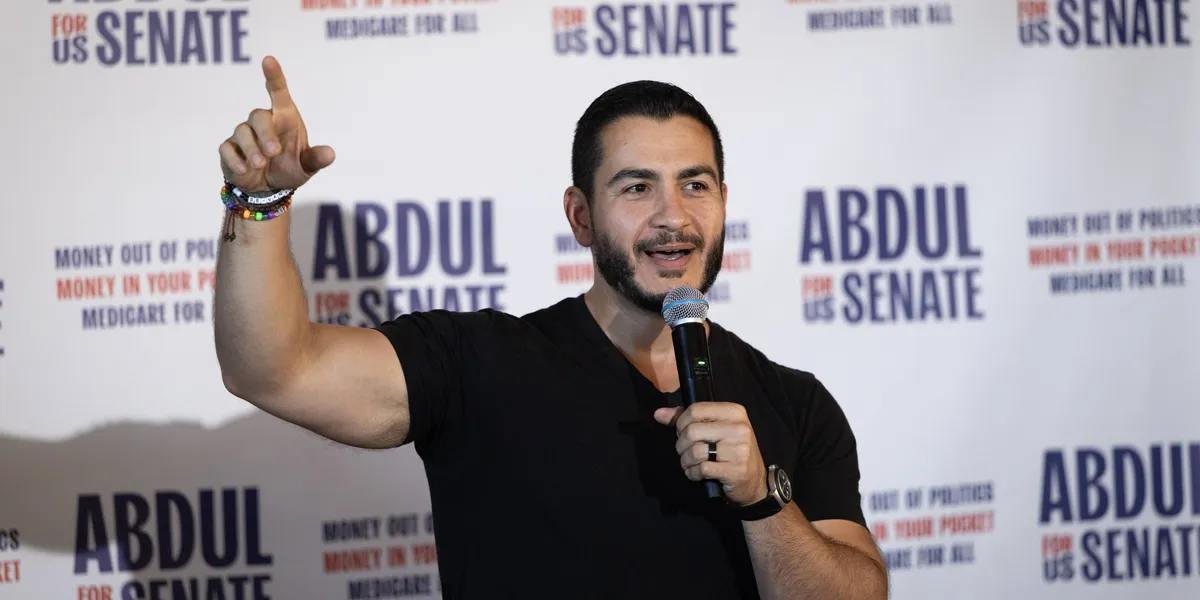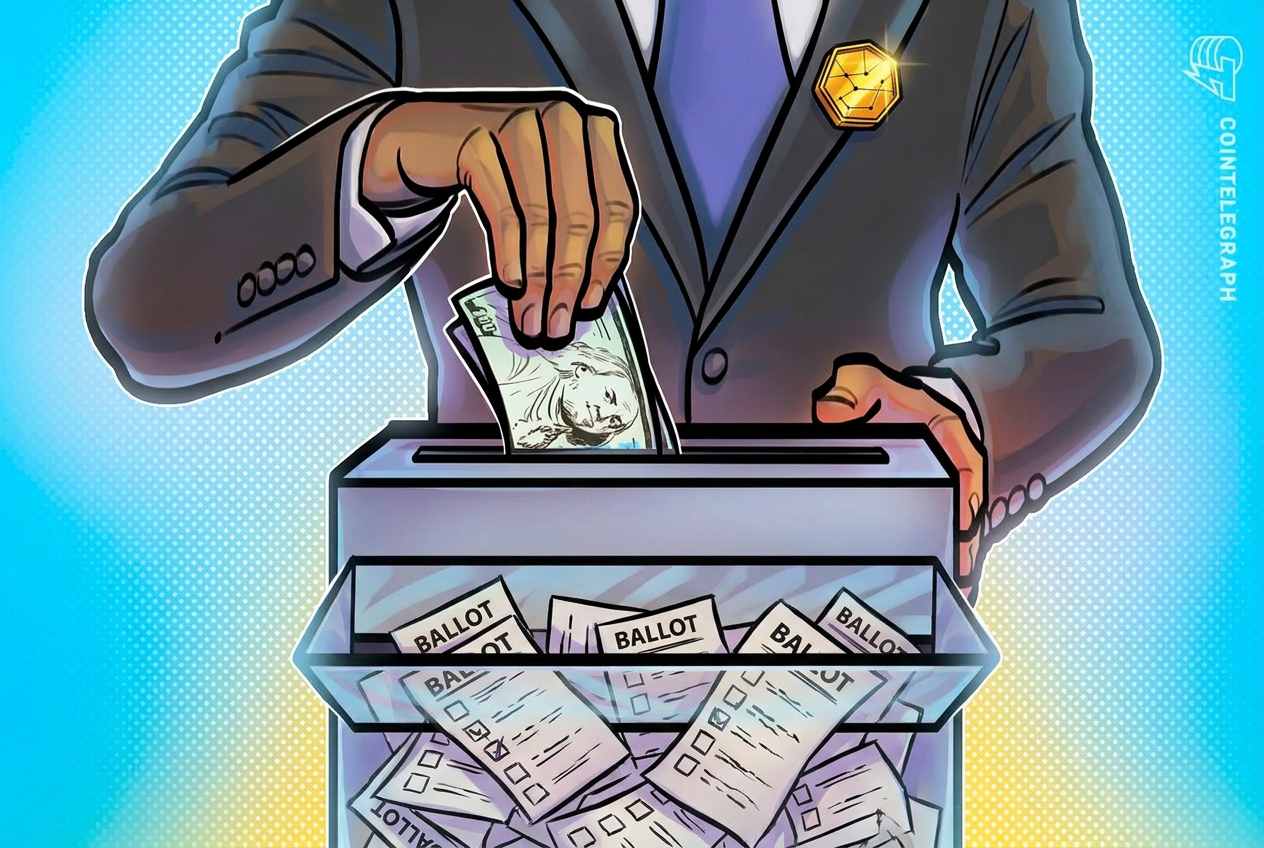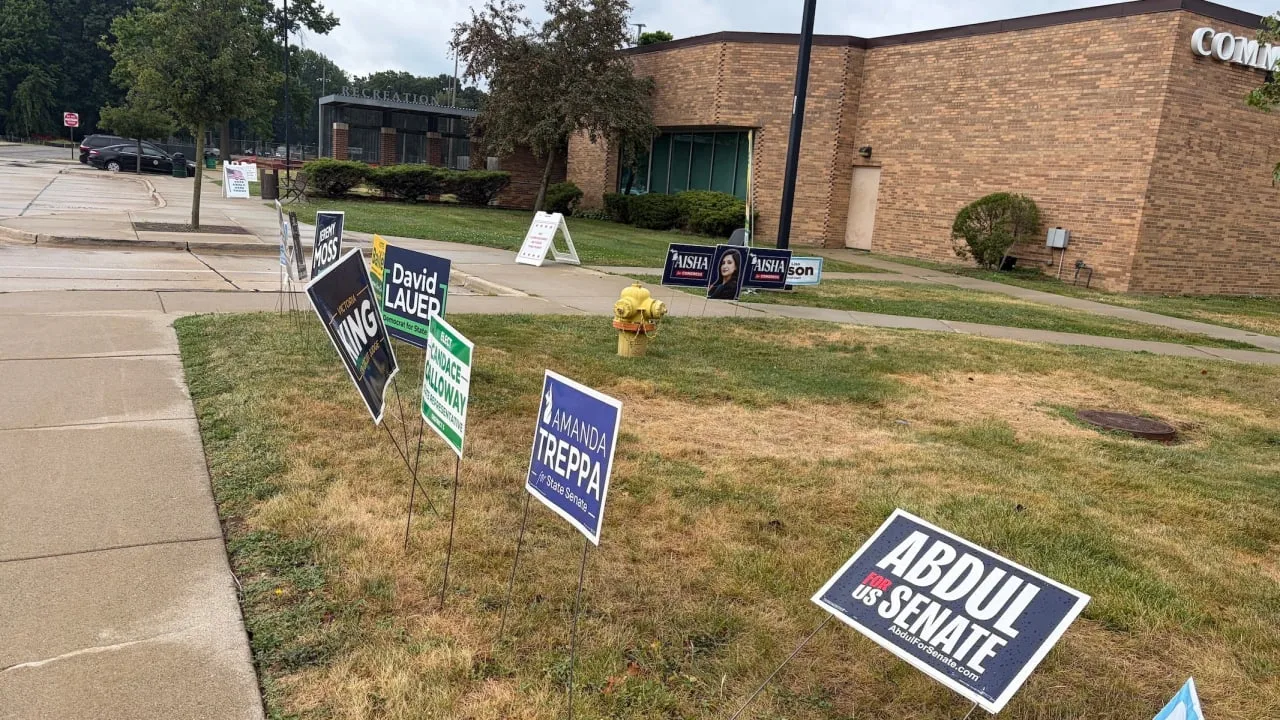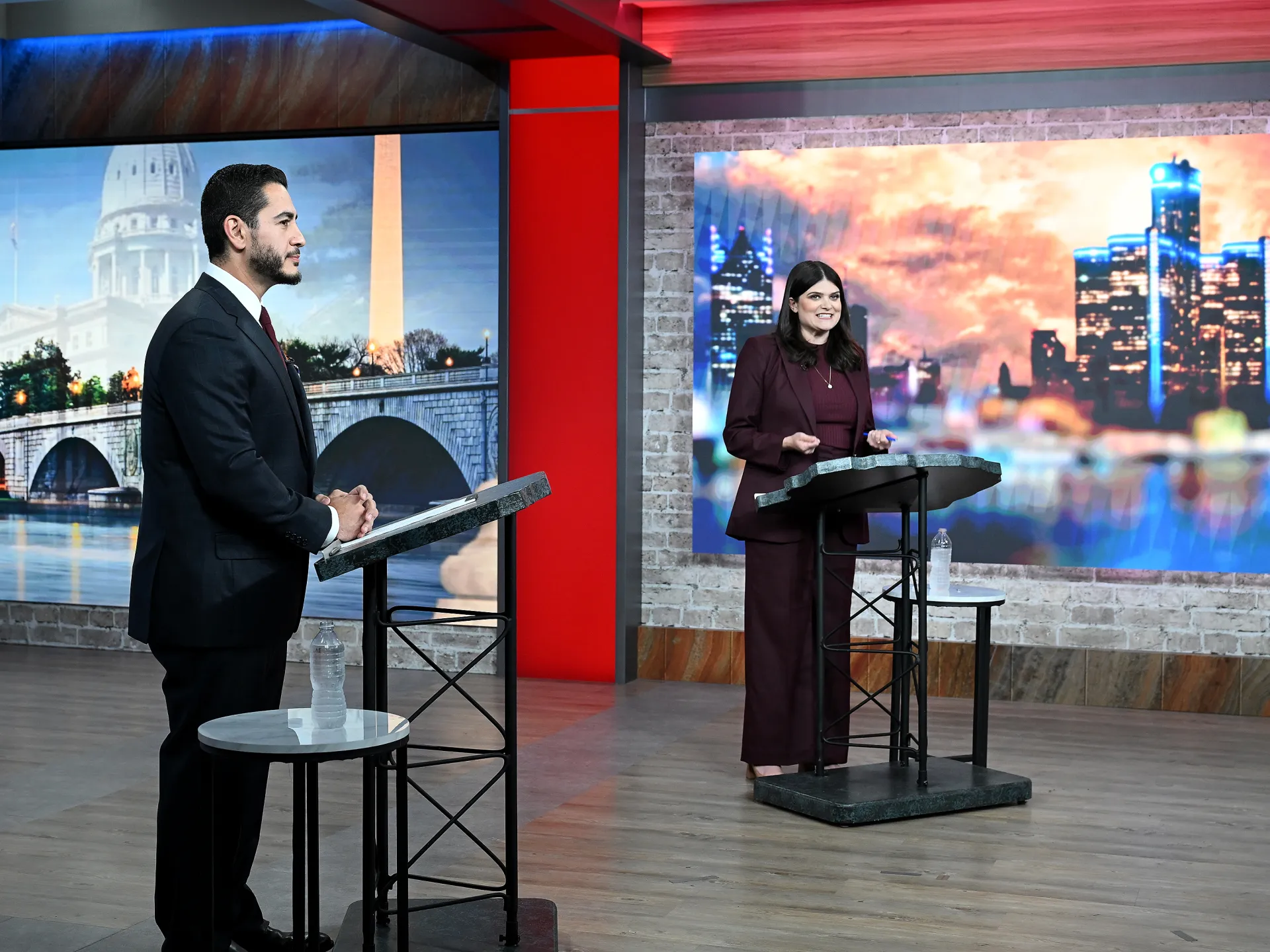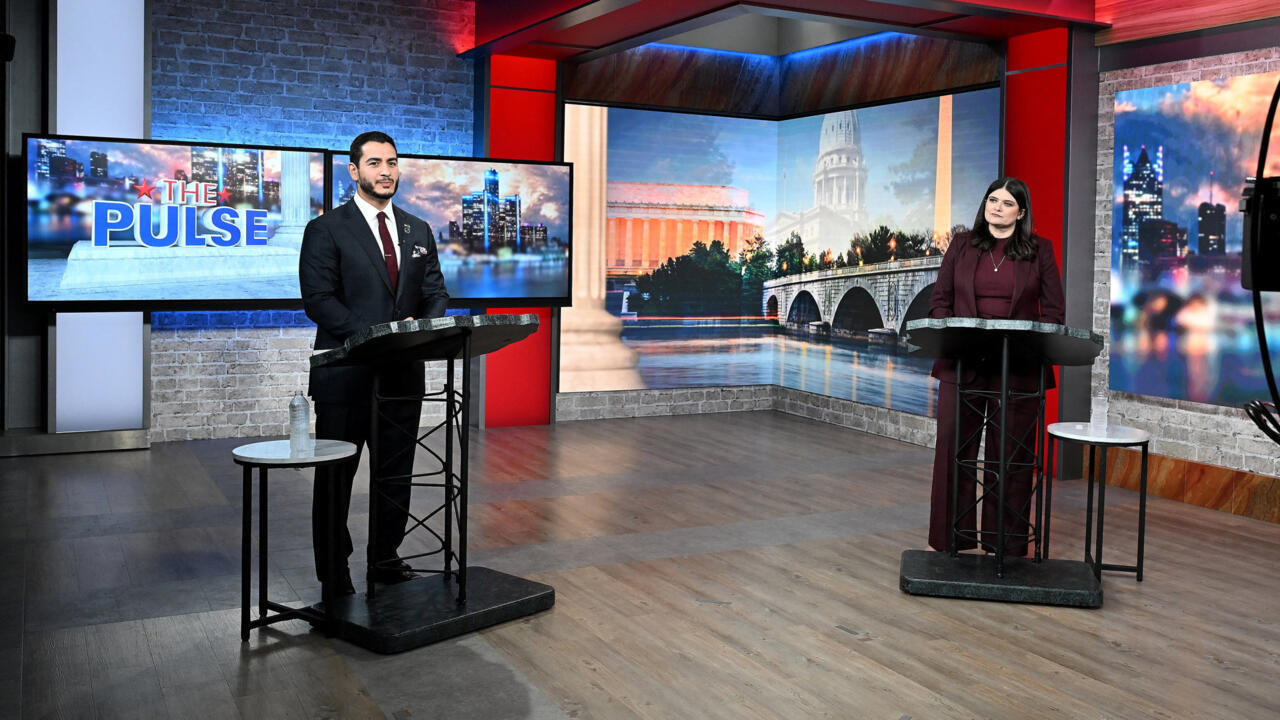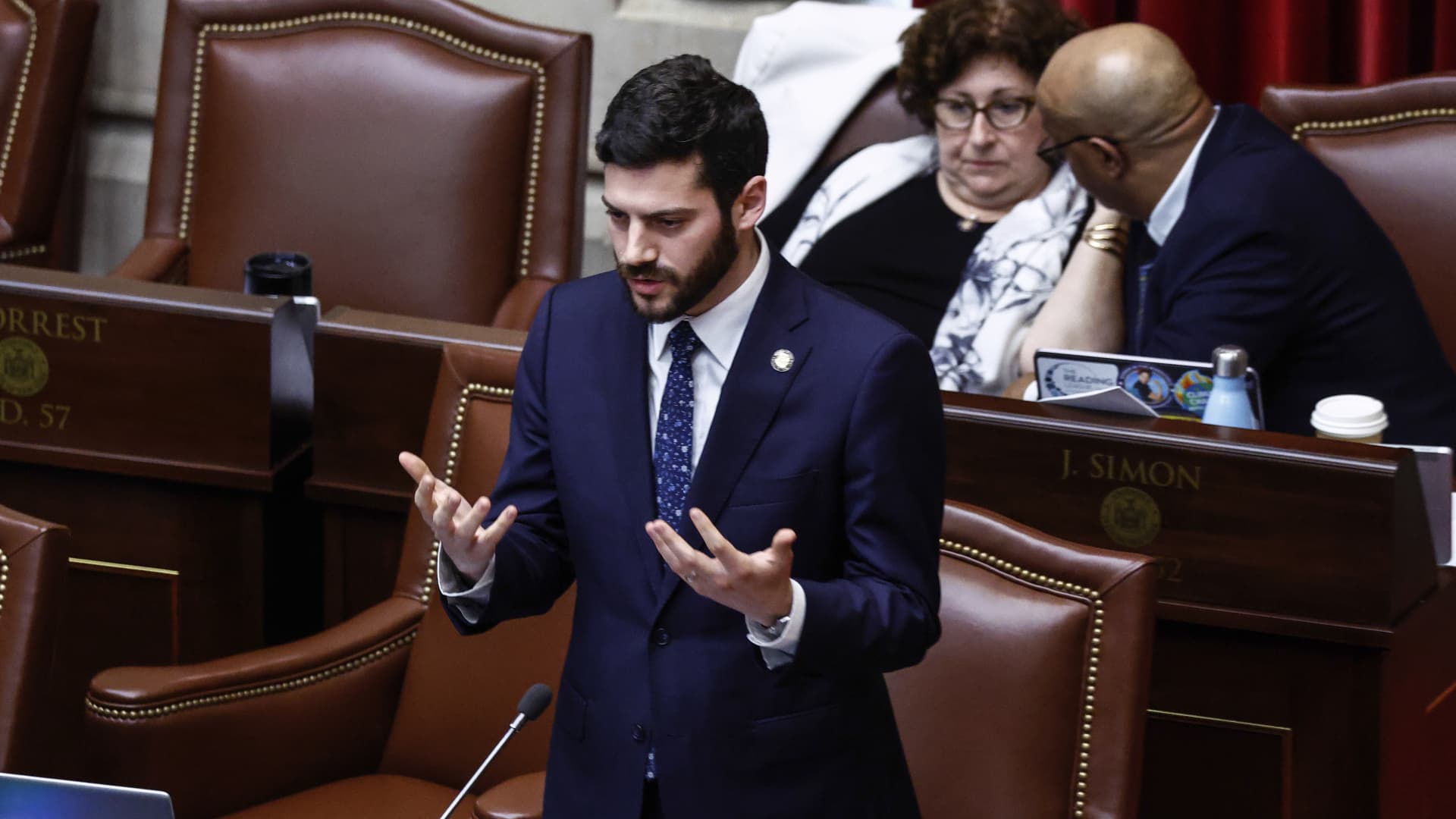
In the months after the 2024 presidential election, Democrats and progressives feared a new wave of free-spending super PACs would reshape American politics and policy. One super PAC backed by AIPAC had dispatched two members of the Squad in primaries. Others funded by the cryptocurrency industry had experienced massive winning streaks, with industry-friendly policies on the horizon. The fears only grew last fall, when the artificial intelligence industry made clear it was copying crypto’s model to launch its own network of super PACs. Concerns about the heavy spending warped campaign planning, with candidates determined to stay on the groups’ good sides. Some progressive operatives worried that every powerful industry would soon copy the formula, turning elections into special interest-dominated battles the left could not afford to compete in. But that hasn’t happened. AIPAC has lost several crucial primaries, and its image continues to tank among Democratic voters as many of them believe Israel has committed genocide. A top policy priority of the cryptocurrency industry is stalled in Congress. And the AI industry’s goal of nationwide regulations still seems distant, with voters rebelling against the data centers needed to power the technology’s growth. Tuesday’s Democratic Senate primary in Michigan, where progressive Abdul El-Sayed is favored to defeat his opponent, Rep. Haley Stevens, could cement the idea Democrats have less to fear from well-moneyed interest groups than previously thought. United Democracy Project, a super PAC backed by AIPAC, has spent $30 million boosting Stevens and attacking El-Sayed. Other super PACs and nonprofits have spent more than $28 million supporting her. In comparison, El-Sayed has received about $3.5 million from super PACs. “If Abdul El-Sayed wins despite having $60 million spent against him by AIPAC and corporate interests, that will send a signal to every other Democratic politician that they can stand up to these groups too,” said Adam Green, the cofounder of the Progressive Change Campaign Committee, which is supporting El-Sayed.The speed of this shift in perception has amazed politicians. “In the 2024 cycle, this kind of money usually won, and now it’s not,” said Evanston, Ill., Mayor Daniel Biss, one of the first politicians to win despite heavy AIPAC spending this cycle when he triumphed in Illinois’ 9th congressional district primary. “What I would hope is happening is that the electorate is just waking up and saying, ‘Wait a second! When somebody pours in millions and millions and millions of dollars to affect an election, that’s probably a red flag that I had to pay attention and maybe dig deeper and figure out what that money is trying to buy.’”“It’s just amazing how fast the world changes,” Biss added, noting that the conventional wisdom when he launched his campaign was: “If AIPAC comes for you with all their money, you’re done for.” The policy impact is realDemocrats are increasingly likely to vote against military aid for Israel. The party has also become bolder in proposing ideas to regulate the AI industry. Even crypto-friendly Democrats have refused to budge on their demands to crack down on President Donald Trump’s crypto corruption in new legislation.This is not to say these groups are without power. All have won critical races over the course of this year’s primaries, and their enormous warchests – $126 million for the crypto-backed Fairshake, $80 million for AIPAC’s United Democracy Project, $31 million for the AI industry’s Leading The Future – mean they will not fade into irrelevance anytime soon. They also could still play major roles in the general election, and perhaps make Democrats regret their current confidence. They may even see victories on Tuesday. Rep. Wesley Bell, an AIPAC-backed incumbent, is in a toss-up race in St. Louis against former Rep. Cori Bush. And money from a crypto industry-backed super PAC has been crucial to Rep. Shri Thanedar’s chances of holding on against progressive Donavan McKinney in Detroit.But even industry-friendly Democrats quietly acknowledge that spending tens of millions of dollars to influence elections looks a lot less tempting to most interest groups than it did two years ago. And in some cases, an influx of money from one of these groups can even be a strike against a candidate. “People have noticed money cannot buy everything, especially when voters are aware of where the money is coming from,” said one former Democratic congressional aide who works extensively with the business community and requested anonymity to speak frankly about private conversations. “Trying to sway an election in a really partisan, polarized time can pretty quickly lead to a backlash.”This may very well play out in Tuesday’s marquee contest. Polling has shown AIPAC is deeply unpopular with primary voters in Michigan, and El-Sayed has made Stevens’ support from the group into one of his major talking points.“Billionaires and AIPAC are spending $50 million to stop Abdul, but they can’t stop a movement,” Rep. Alexandria Ocasio-Cortez (D-N.Y.) said in the closing ad of El-Sayed’s primary campaign. Similarly, ahead of Minnesota’s contested Democratic Senate primary on Aug. 11, Lt. Gov. Peggy Flanagan has highlighted Rep. Angie Craig’s support for – and from – the cryptocurrency industry in ads, accusing her of voting to “let Trump get rich selling crypto coins.”The crypto industry’s influence over Congress seems to have waned from a high point last year when lawmakers passed a bill creating friendly regulations for a category of digital assets known as stablecoins. The stablecoin bill was supposed to be a mere warm-up for a much more ambitious piece of legislation that would give the industry the regulatory framework of its dreams — and shield it from scrutiny if a future president appoints more hostile regulators.However, that bill has stalled, with crypto-friendly Democrats now insisting the legislation include ethics rules for the president. Some Republicans also worry that the bill helps crypto firms at the expense of community banks. The crypto industry’s campaign meddling has irked Democrats, but the president’s merging of his public office with his private business, including crypto firms that have earned him more than $1 billion since last year, has probably been the bigger problem for the industry’s prospects on Capitol Hill. Even if the electoral spending manages to get favored candidates over the finish line, it cannot easily sway public opinion.The anti-regulation parts of the AI industry targeted Alex Bores, a New York assemblyman who authored a law regulating frontier models, for defeat in his congressional primary in New York’s 12th District. After a messy battle with other AI industry groups that actually favored additional regulation, they succeeded in blocking Bores from moving up to Congress. But his stance on AI issues was popular enough that his winning opponent, Assemblyman Micah Lasher, adopted much of it anyway.“I have some news for the two big AI companies who’ve taken such an unusual interest in who won this congressional seat: I won’t be taking my cues from either of you when it comes to protecting our kids, our jobs, our environment,” Lasher said in his victory speech.
How A $60 Million Flop In Michigan Could Change Democratic Politics
Democrats are a lot less afraid of the AI, crypto and AIPAC-backed super PACs than they were a year ago.
TL;DRAI
AIPAC spent $60 million against Abdul El-Sayed in Michigan's Democratic primary; he leads in polling. The shift signals industry mega-spending won't guarantee legislative wins—undercutting AI's bet to lobby policy like crypto did.
1,157 words~5 min read