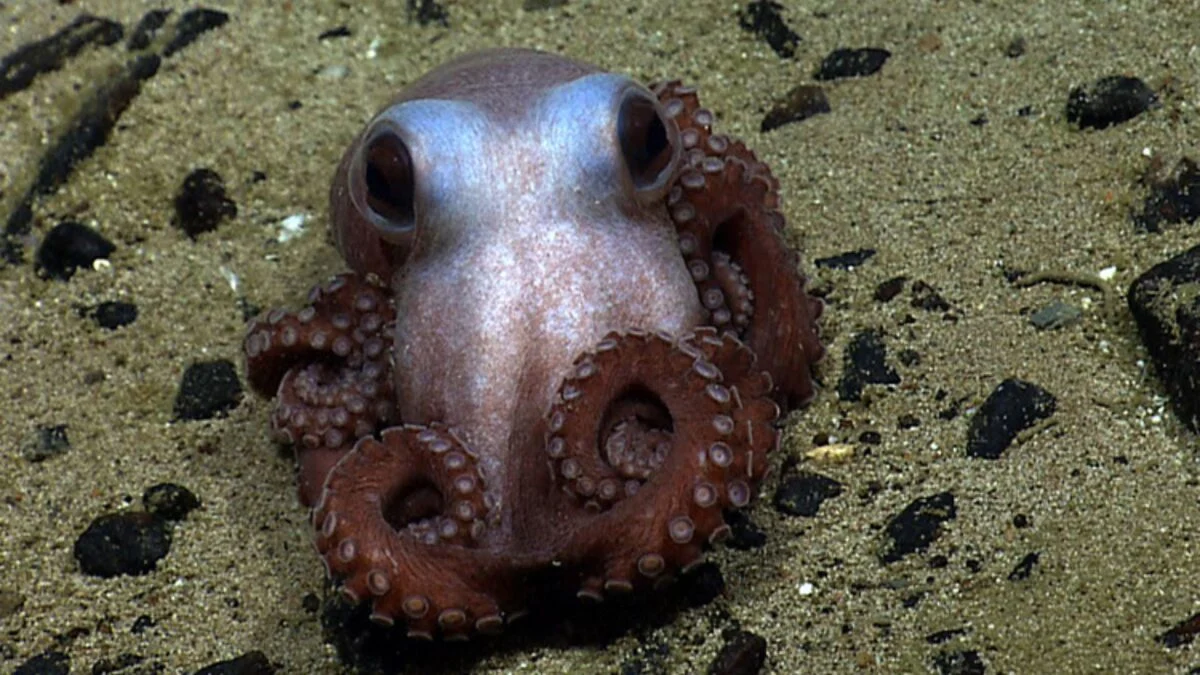
Octopuses are among the smartest, most scientifically fascinating creatures in the ocean. They are also a culinary delicacy enjoyed around the world. At the nexus of these two facts lies an ethical conundrum: Should we be eating animals that appear to be sentient and offer exceptional insight into non-human intelligence? If one answers yes, another question immediately arises. What is the most ethical way to consume highly intelligent animals that live in sensitive ecosystems? Should we fish them from their natural habitat, or farm them? Spanish seafood giant Nueva Pescanova has long argued that aquaculture reduces the impact of environmentally harmful fishing methods and relieves pressure on wild fishing grounds, but its plan to create the world’s first commercial octopus farm recently went belly-up, the BBC reports. The news follows five years of public outcry over the murky ethics of the farm and an equally long regulatory dispute with the port authority of Las Palmas de Gran Canaria, where it was supposed to be built. Nueva Pescanova reportedly said its decision to kill the plan was based on new requirements from the Regional Environmental Assessment Commission, including the need for a full environmental impact assessment, which changed the conditions, timelines, and scope of the project.
Plans for World's First Octopus Farm Scrapped Over Ethical Concerns and Regulatory Hurdles
After five years of public outcry and regulatory disputes, a Spanish seafood company will no longer build the 1,000-tank facility.
613 words~3 min read