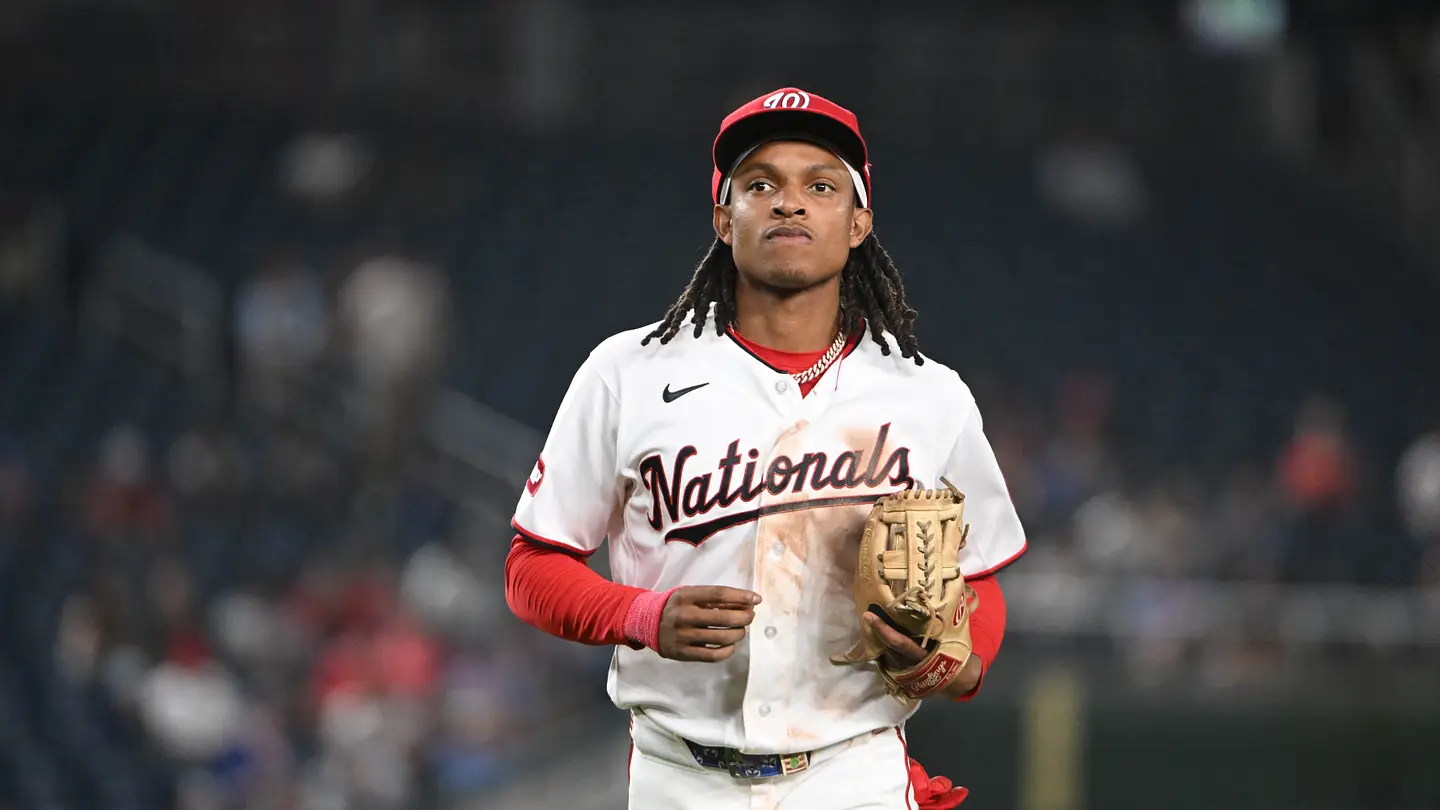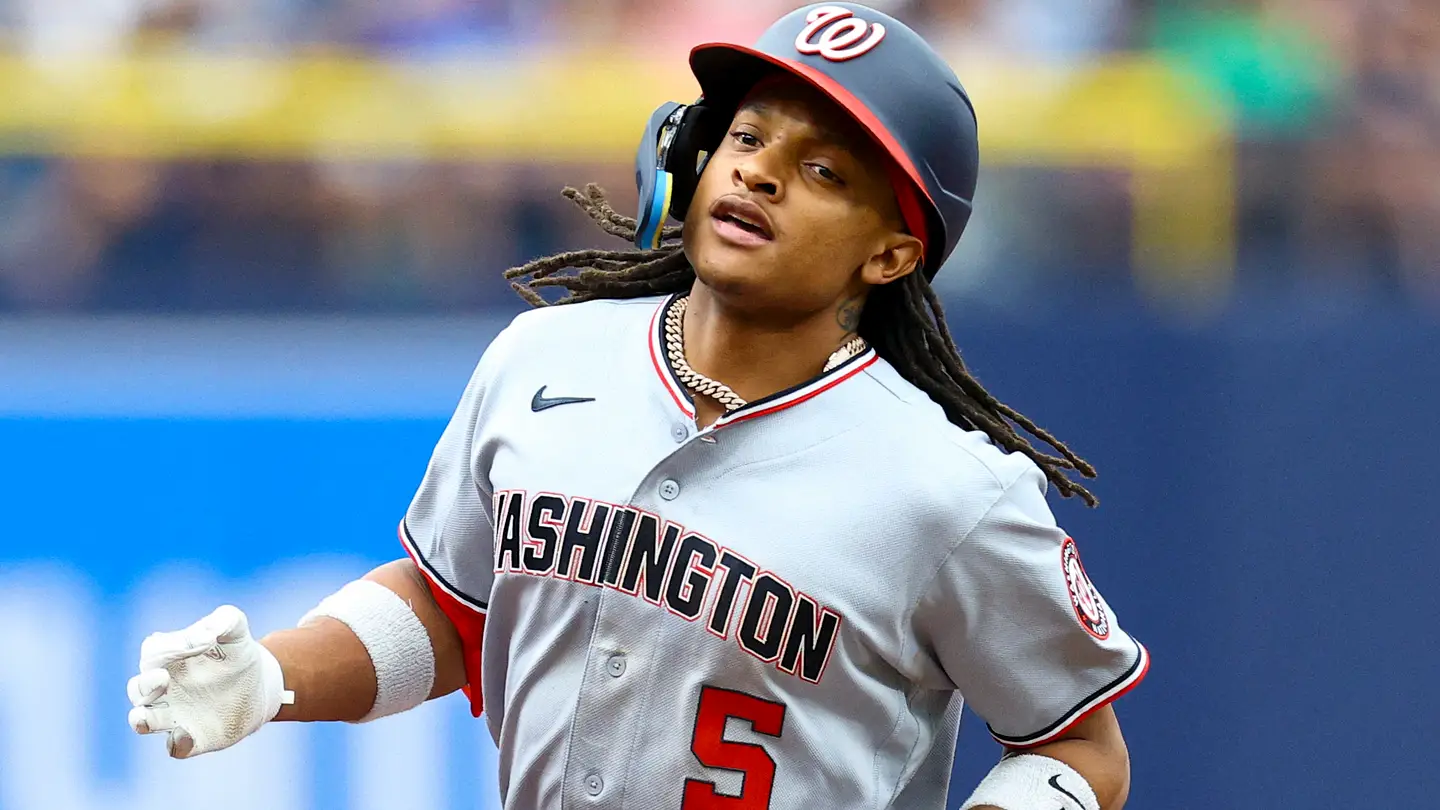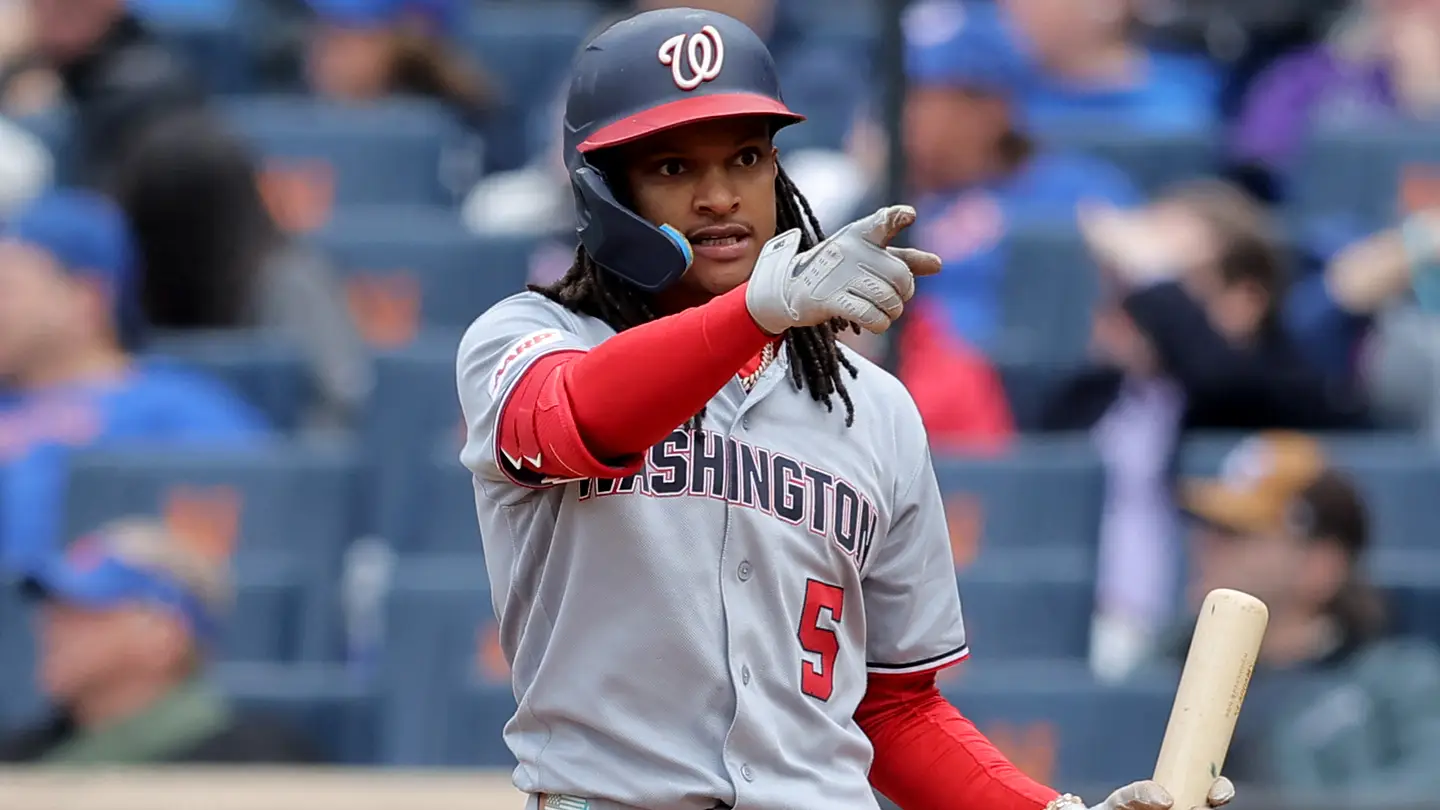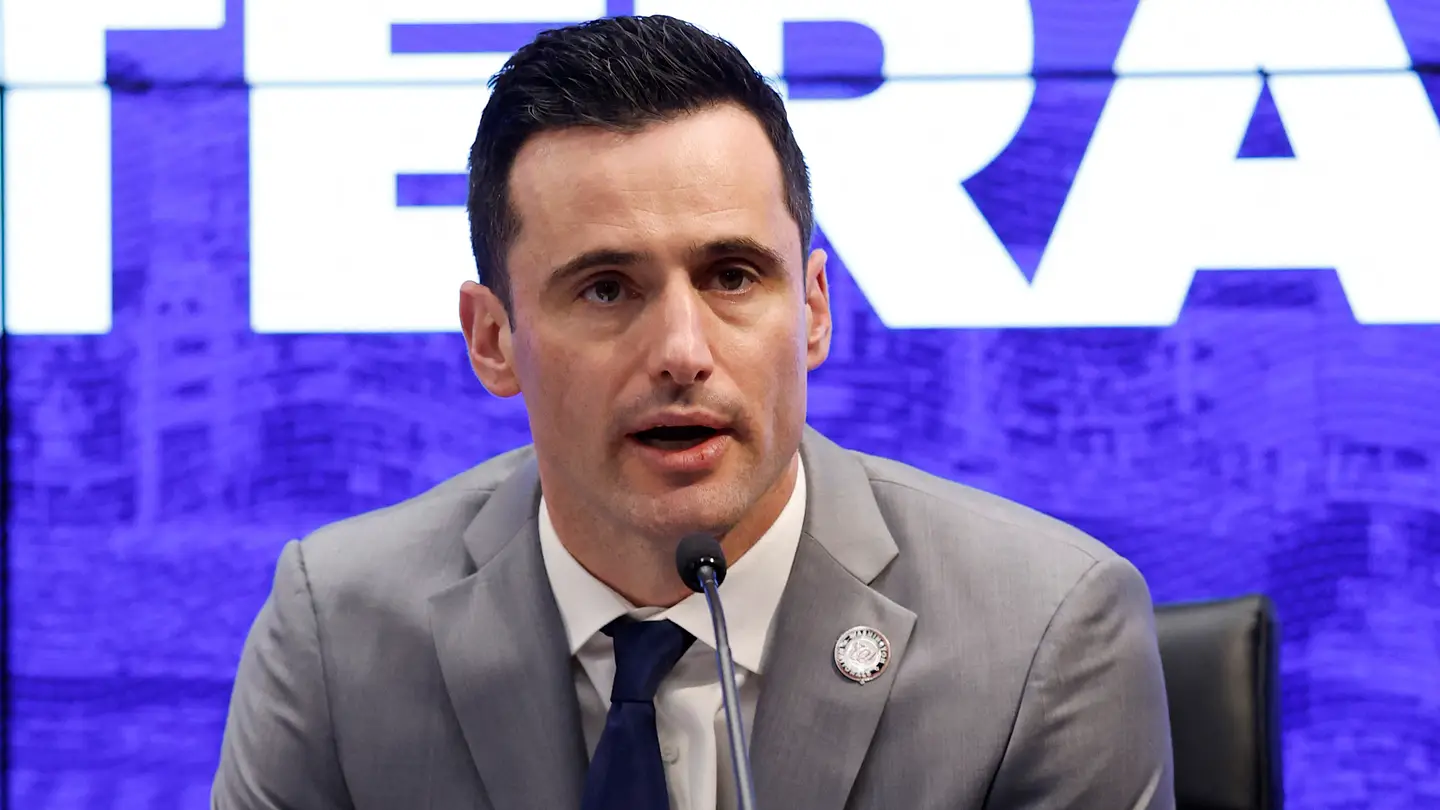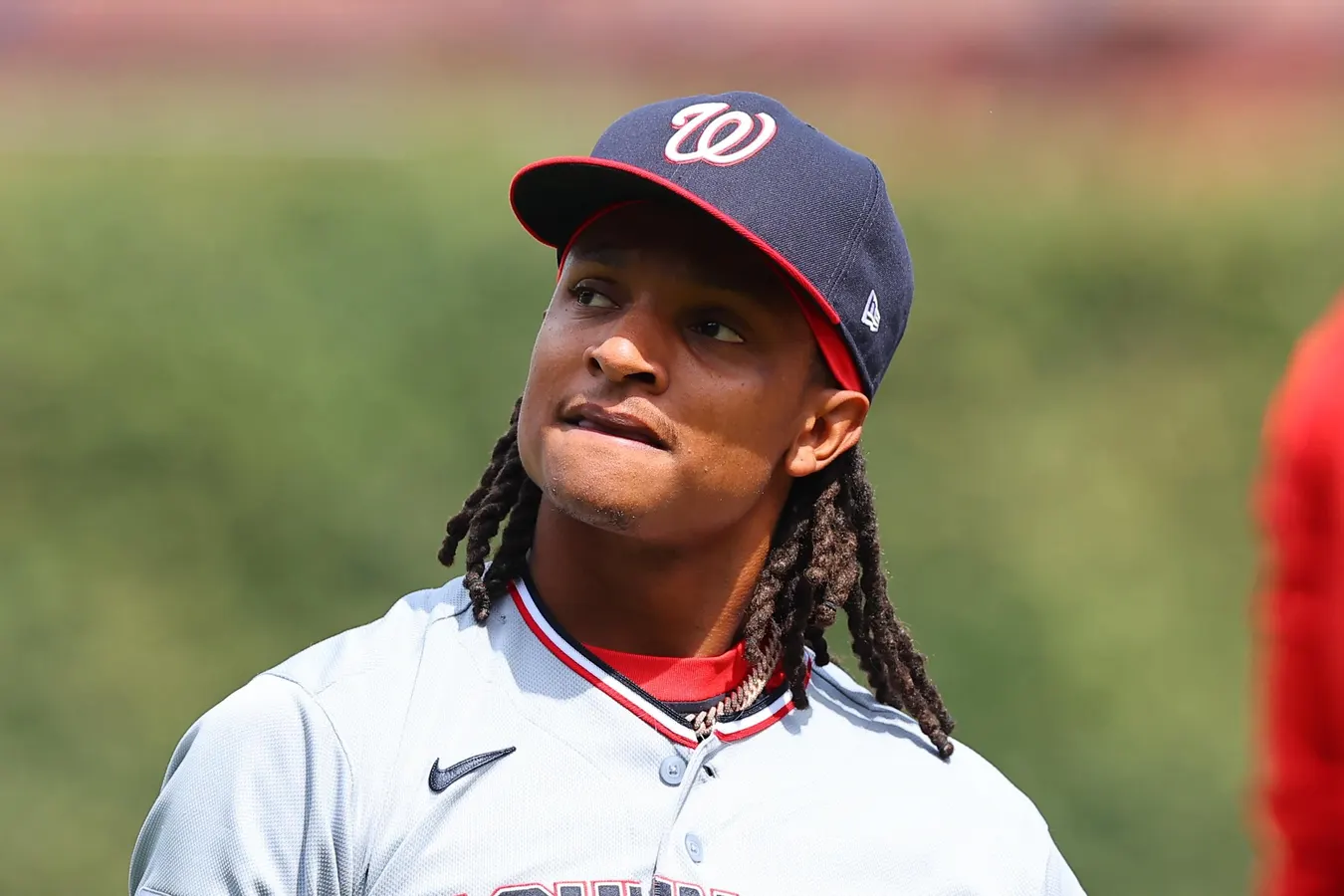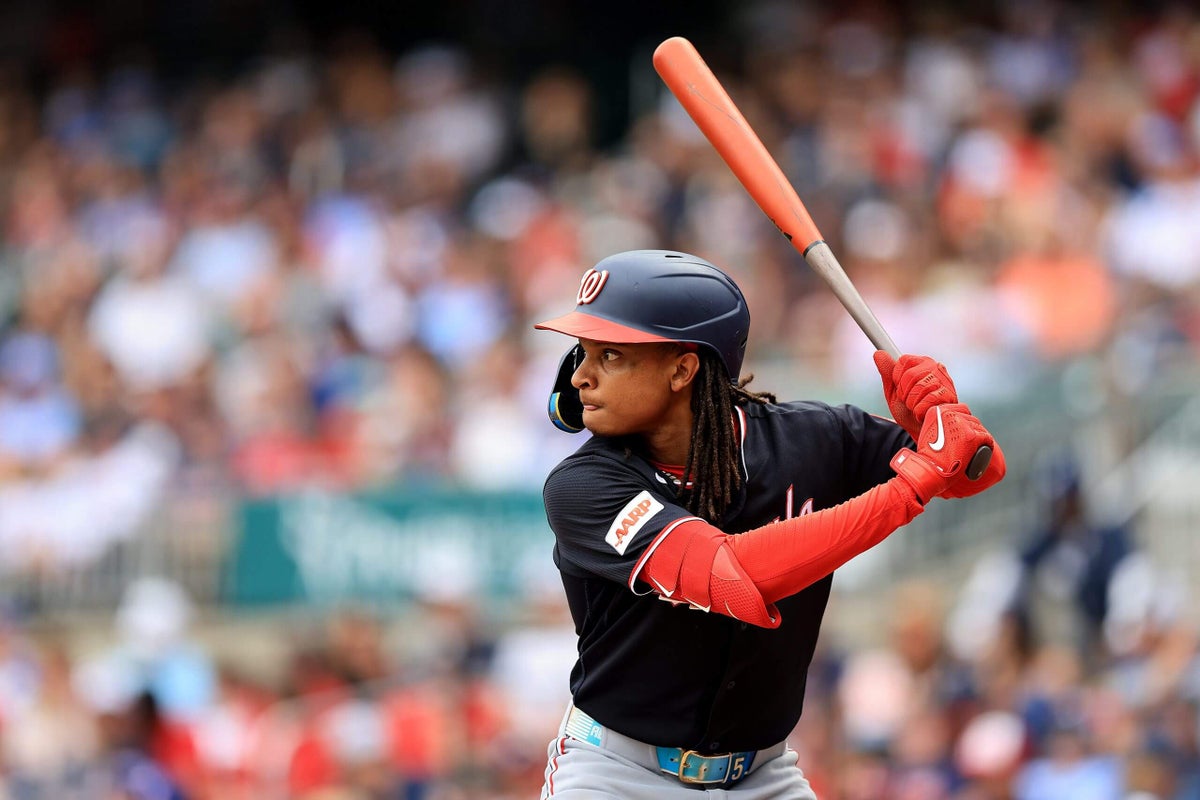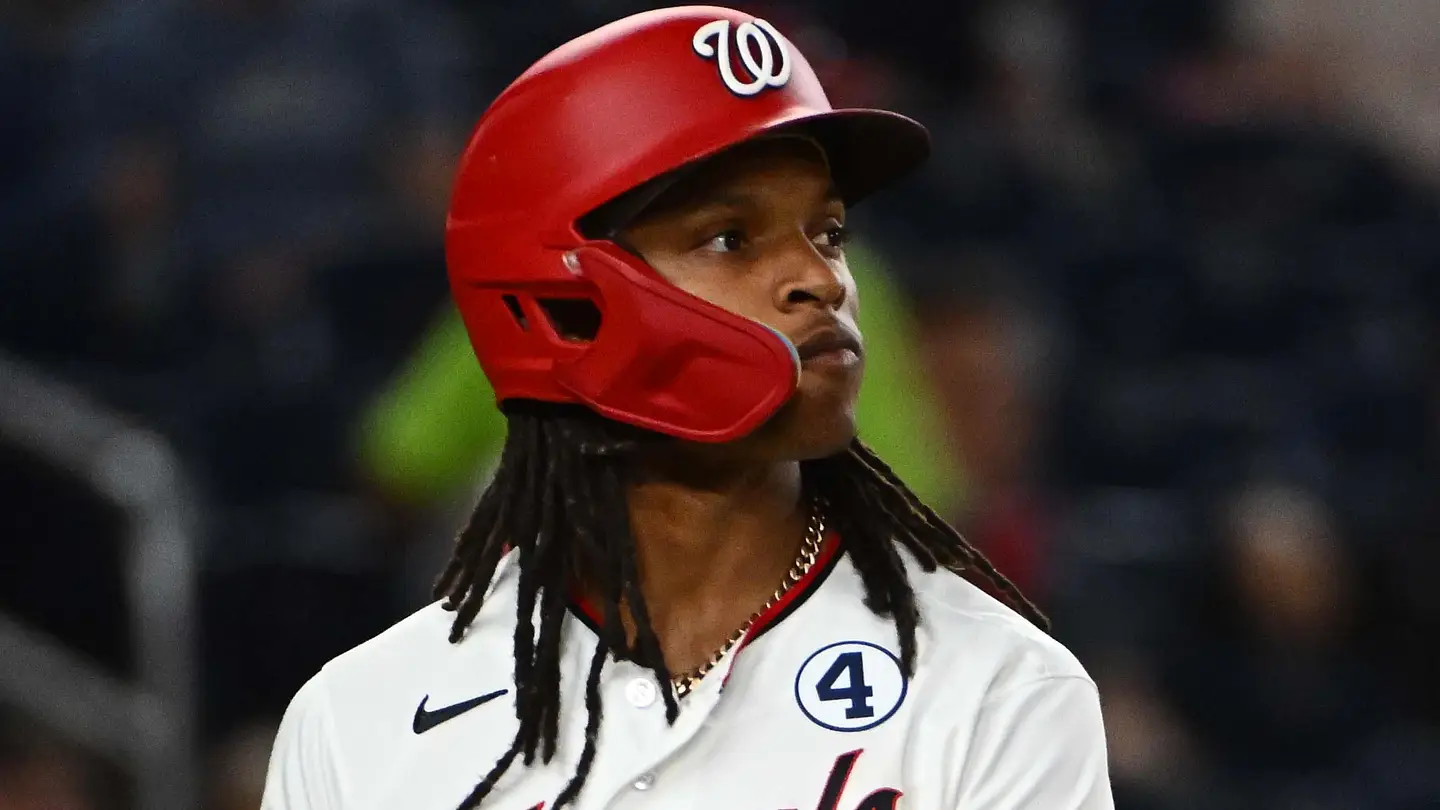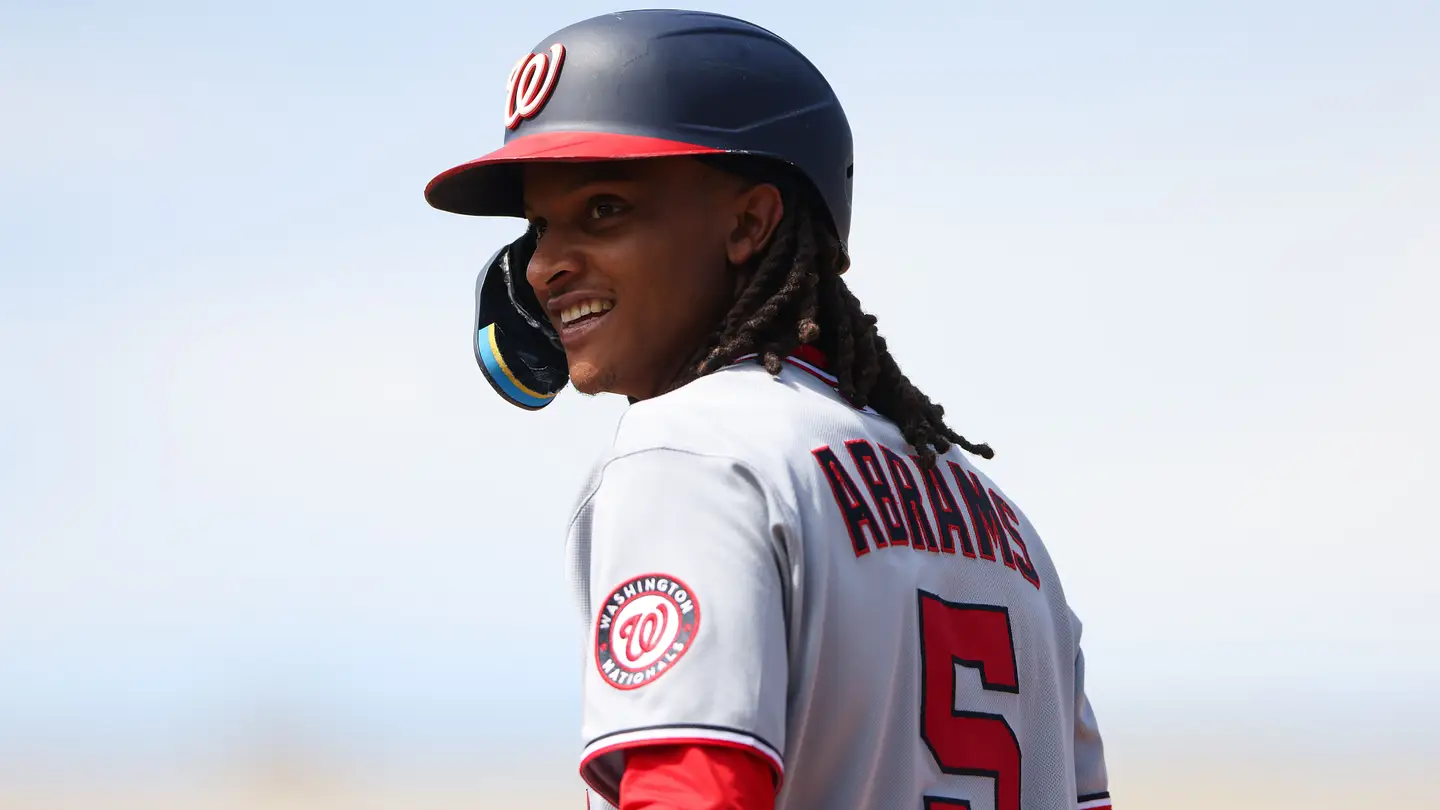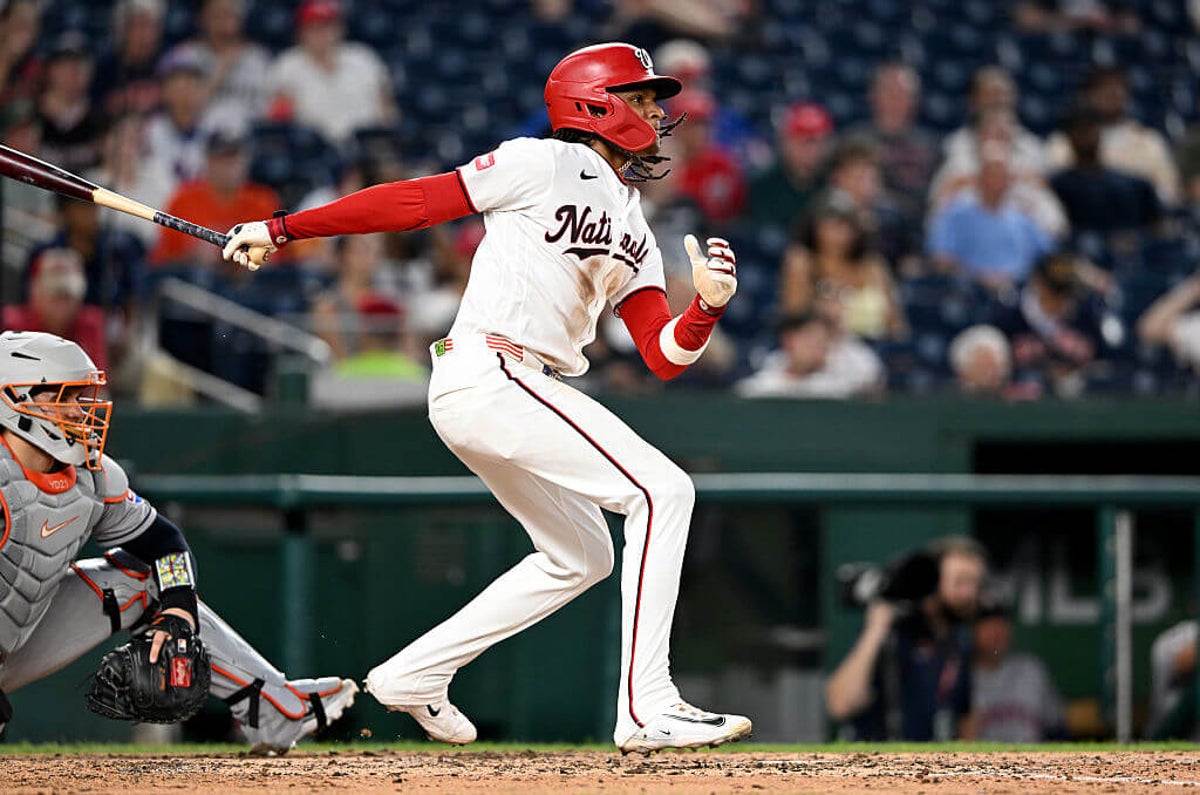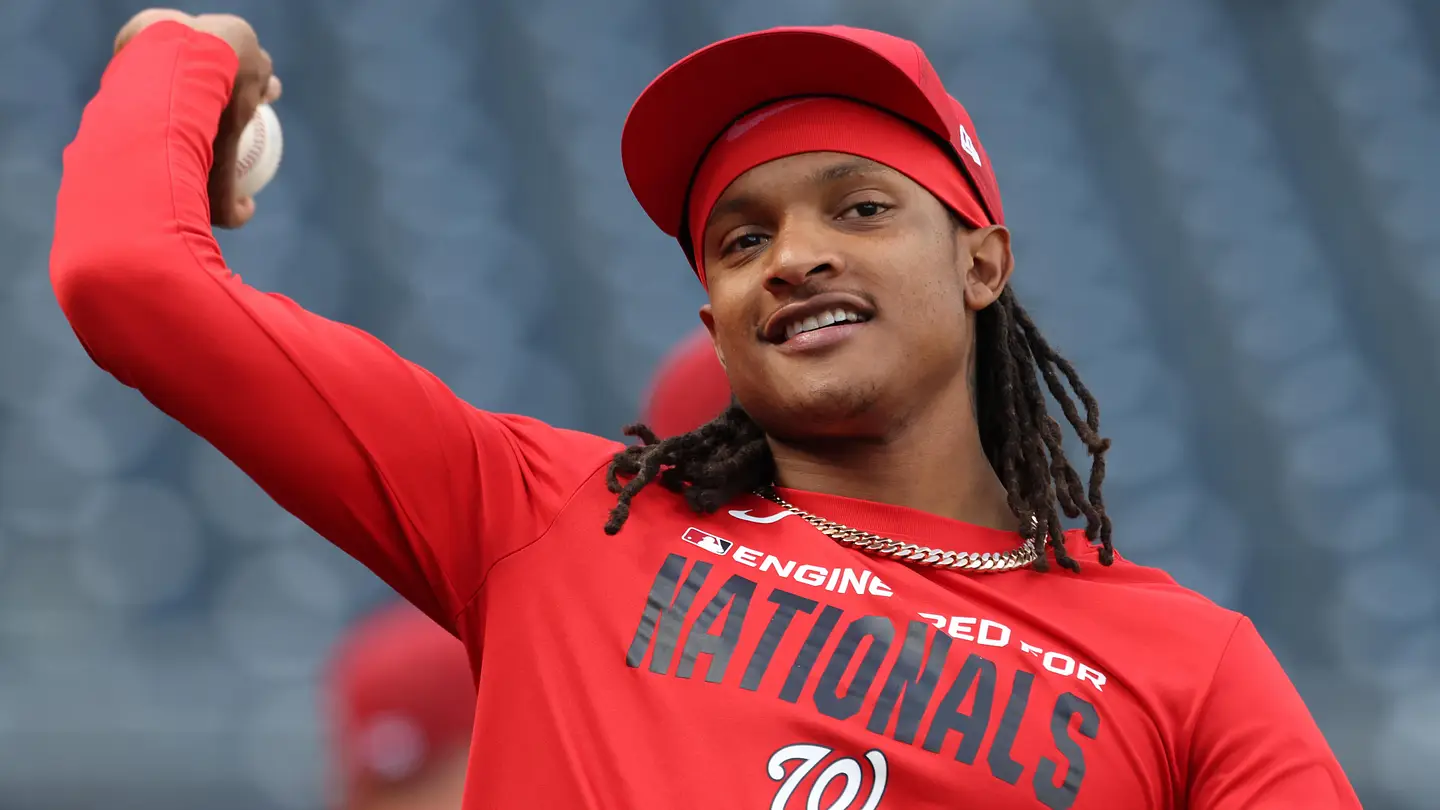
PHILADELPHIA — CJ Abrams operated as though this Monday was no different from any other. He took a few deep breaths on the dirt at Citizens Bank Park and fielded several grounders with his manager at his side. He strolled off the field, threw something into a trash bin more than a dozen feet away, then grinned and celebrated by putting three fingers to his temple.On deadline day, unsettling for many, Abrams had the look of a man who was calmed by his boss’ assurances.Before the Nationals left for Atlanta last week, first-year president of baseball operations Paul Toboni told Abrams there was a less than 10 percent chance he would be traded. Though Toboni traded away impact players in Curtis Mead, Foster Griffin and Luis García Jr., the odds he promised Abrams came to pass, even as most public projection models gave the Nationals even less of a shot to make the postseason.That Abrams remains encapsulates where the Nats stand in their rebuild. They are too far ahead of schedule to trade a foundational player like Abrams without irking fans, players and a coaching staff with player development bona fides that have helped them blow past dour preseason predictions. They also will almost certainly not win the World Series this year, even while employing two of the game’s brightest young stars in Abrams and James Wood, and would again likely be among the longest shots to win it next year, even if Abrams sticks around.Additionally, while it could make sense for the Nationals to keep Abrams if they plan to extend him, the ownership group has shown little publicly to suggest a willingness to make a financial commitment in the hundreds of millions.This is partly why Abrams’ name became popular in trade talks. How aggressively the Nationals worked to move him remains a matter of debate. Three league sources who spoke anonymously to discuss sensitive deliberations painted a picture of the Nationals shopping Abrams in the final days before the deadline. Internally, that characterization has been disputed.Here’s what isn’t in dispute. The Nats set such a high bar that Abrams never emerged as a serious candidate to be moved. And on deadline day, a time for front offices to explore every possibility, the Nationals spent limited time actually discussing such a deal.Which MLB teams did the most?Levi Weaver and Madison EadesSo here the Nats stand, in a strange spot where they held onto Abrams in part to keep the vibes high while acknowledging that this is the time — has to be the time — for the team to make its hardest decisions in the hope of eventually opening a lengthy World Series window.That doesn’t mean trading Wood. The Nationals didn’t even entertain offers for the 23-year-old MVP candidate. But it did mean selling pieces off during a charmed season.
CJ Abrams remains. Here’s what that says about the Nationals’ rebuild
The Nationals are too far ahead in their process to trade away players like Abrams — even if they're not quite yet World Series contenders
1,324 words~6 min read