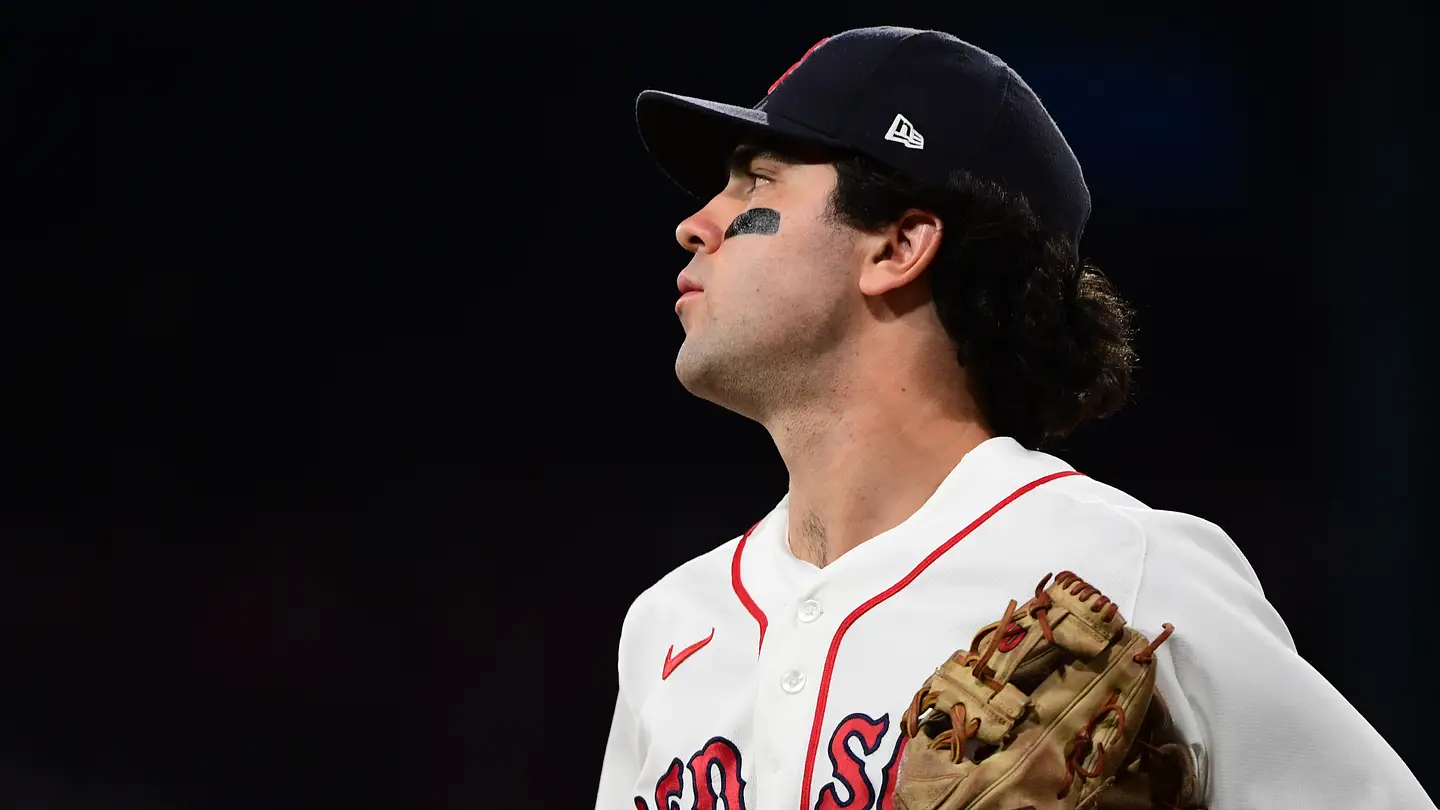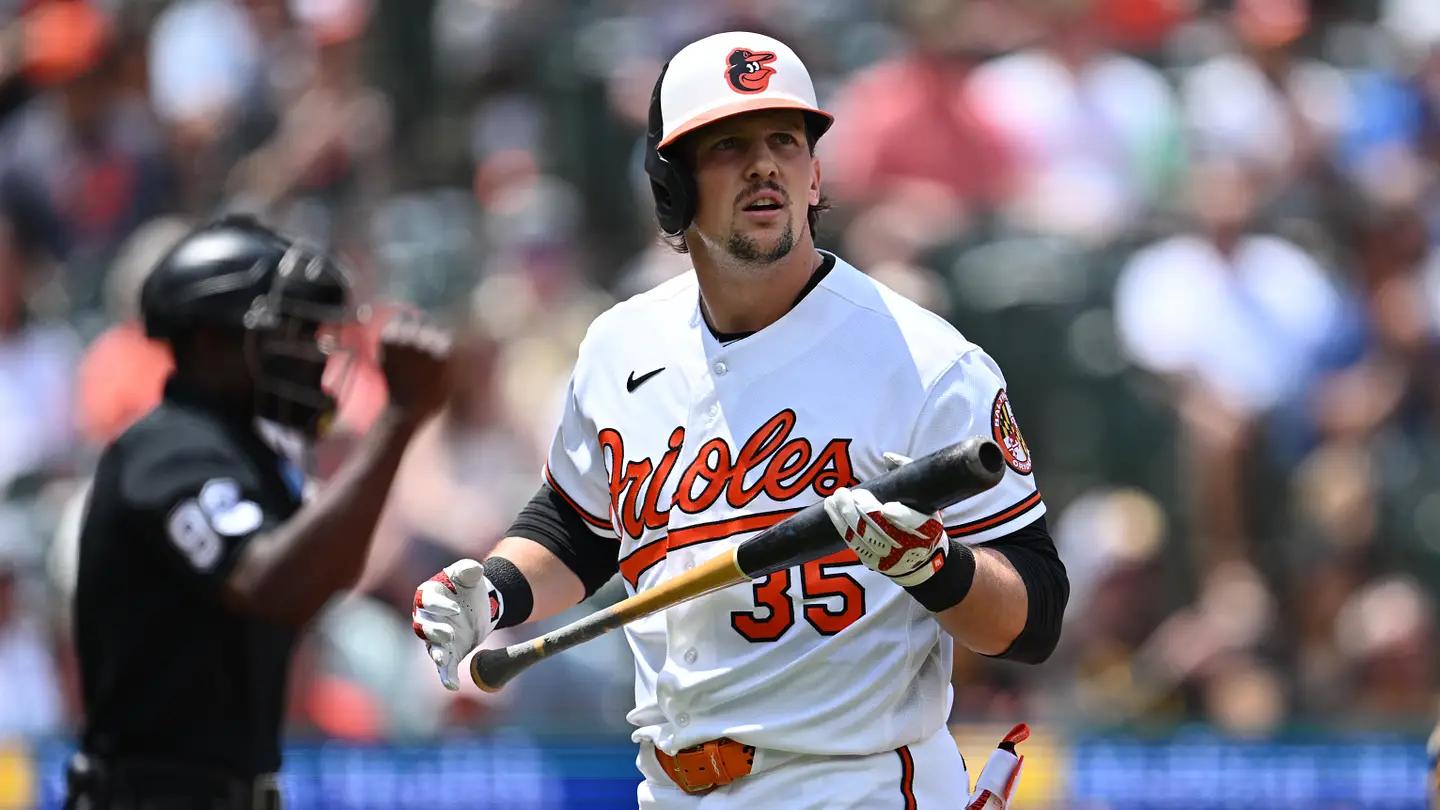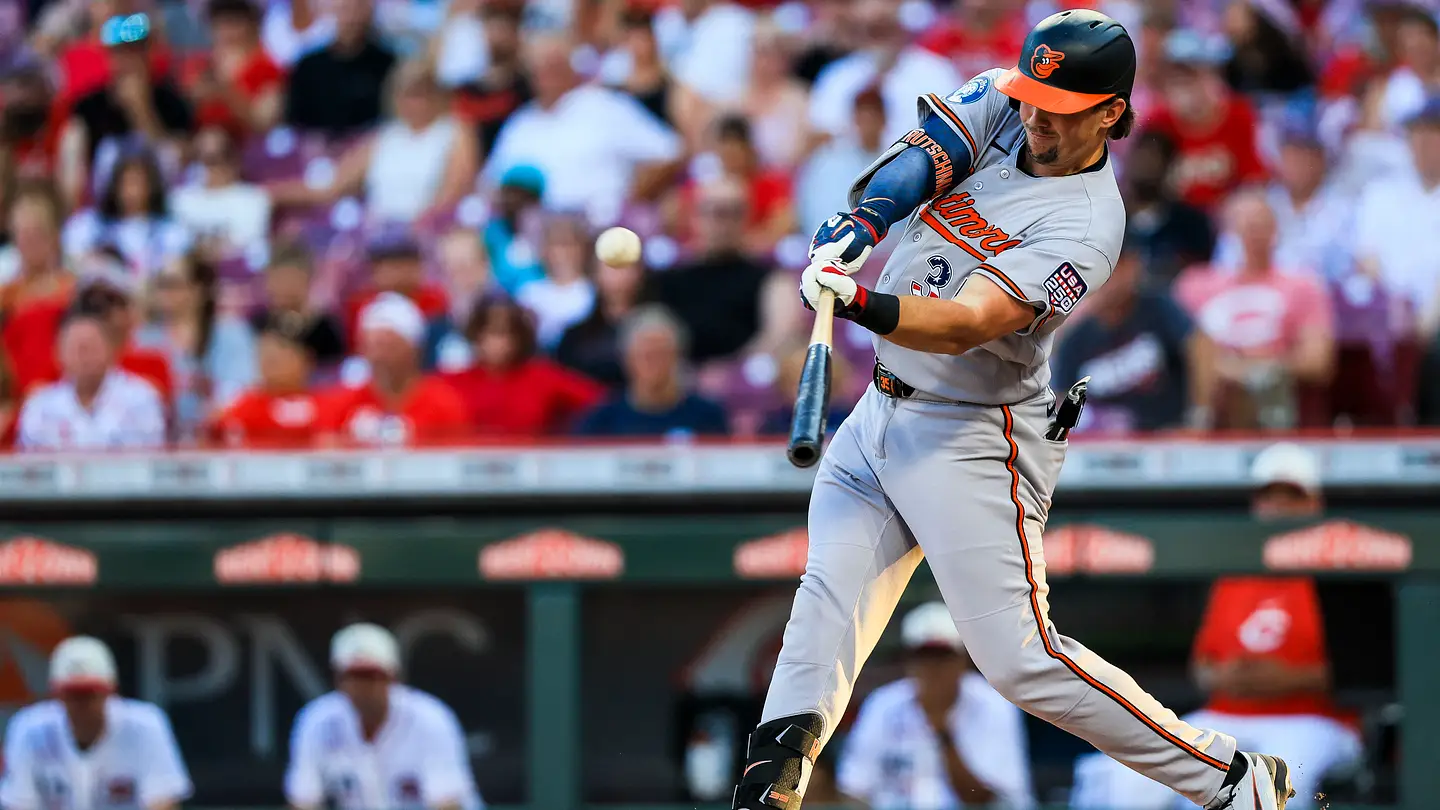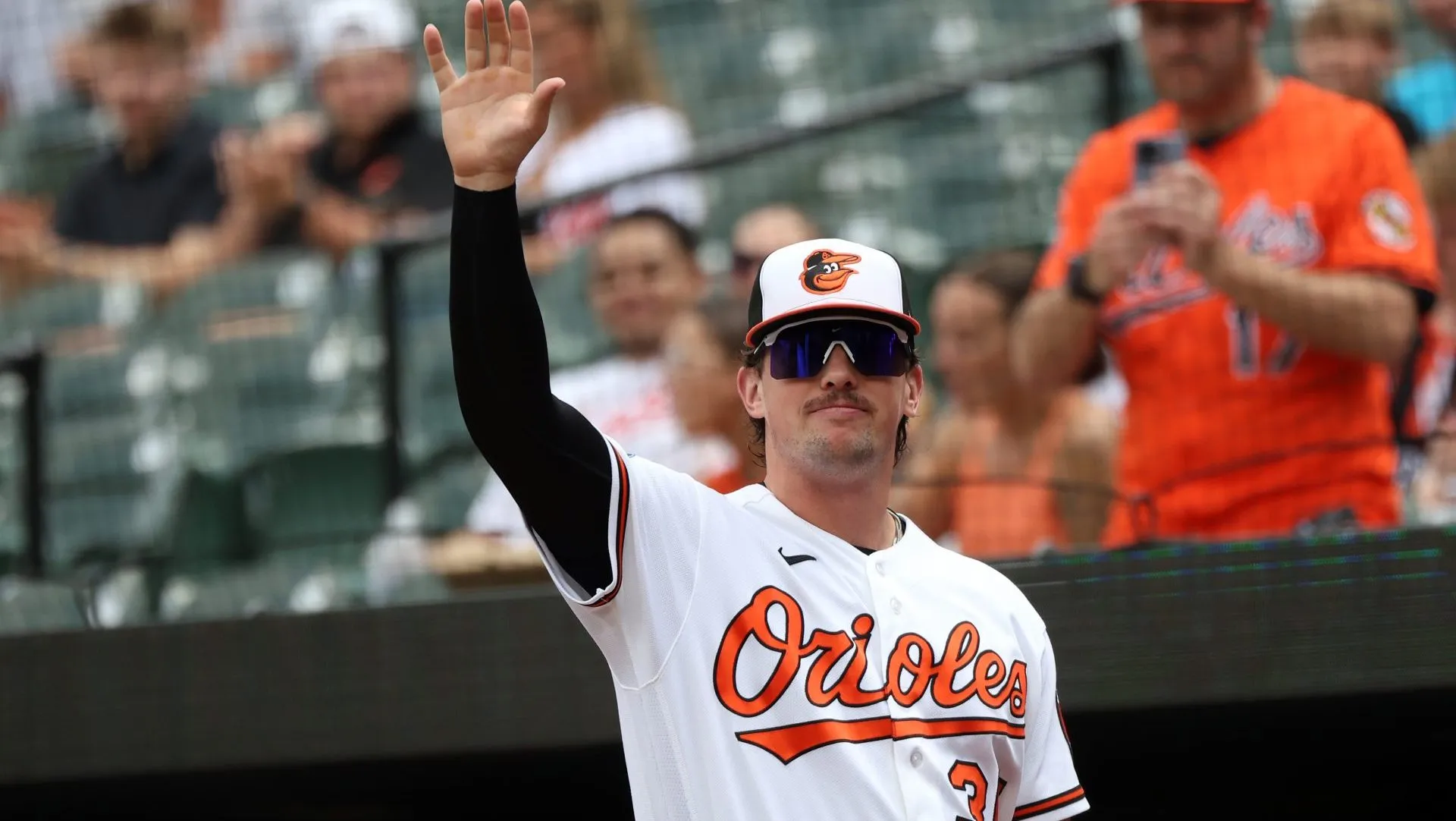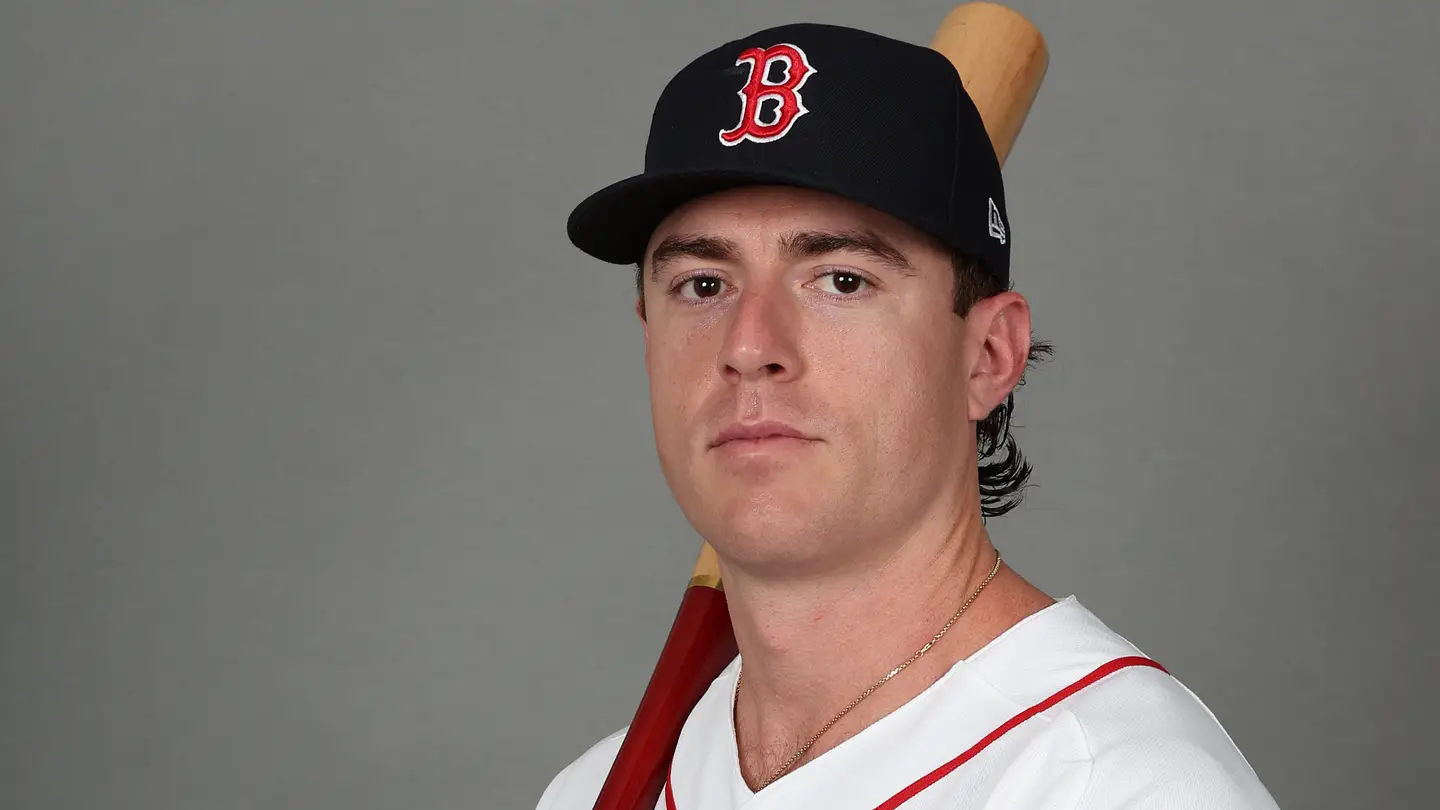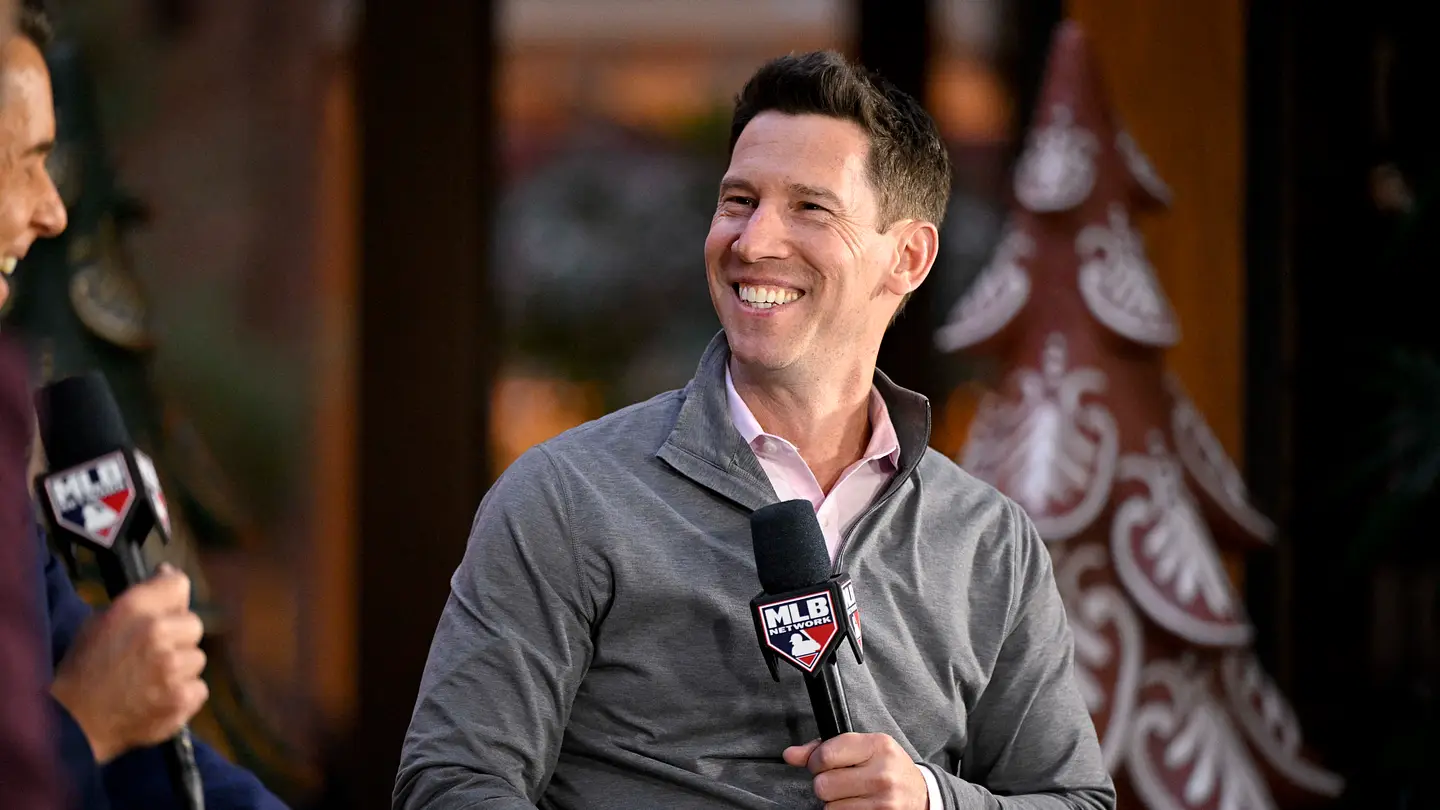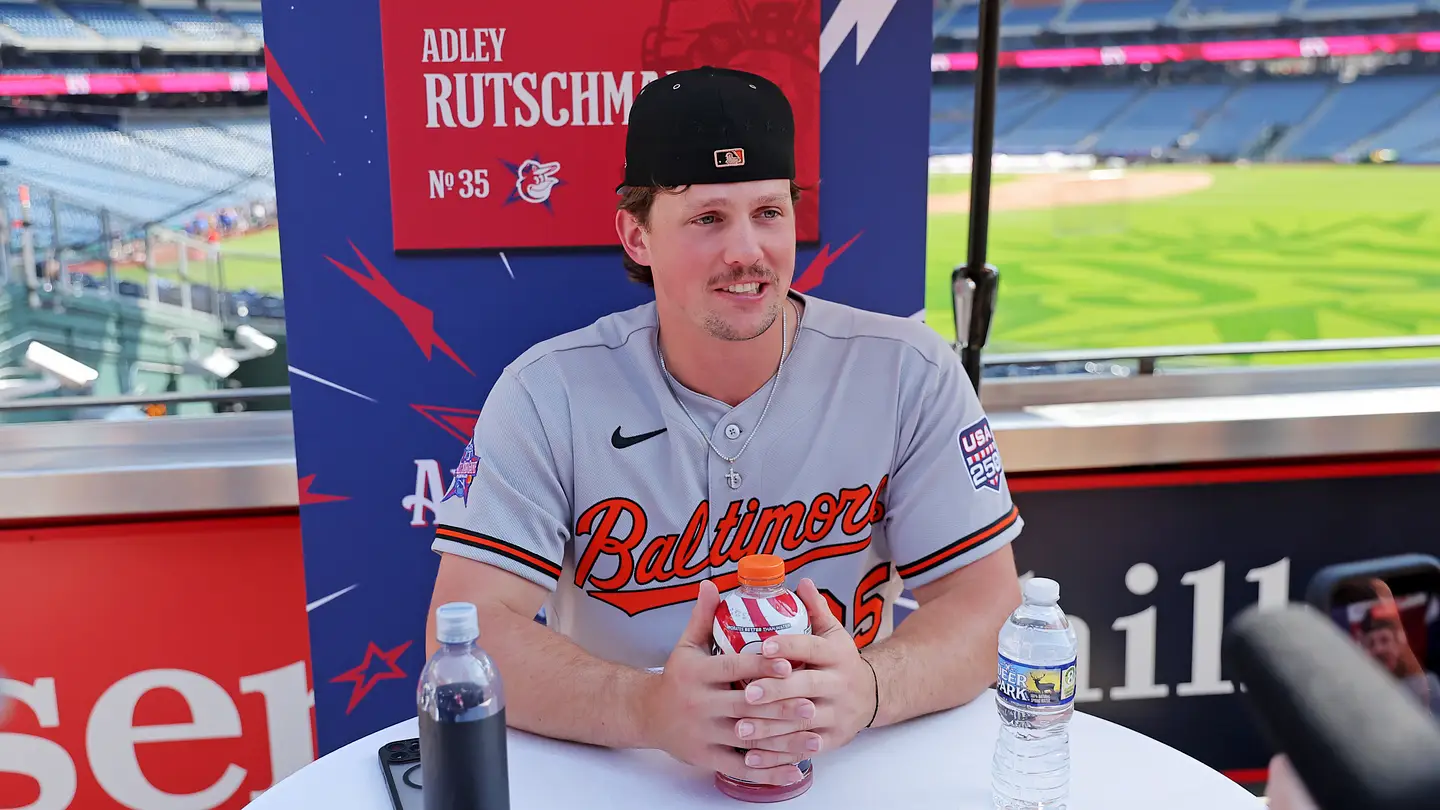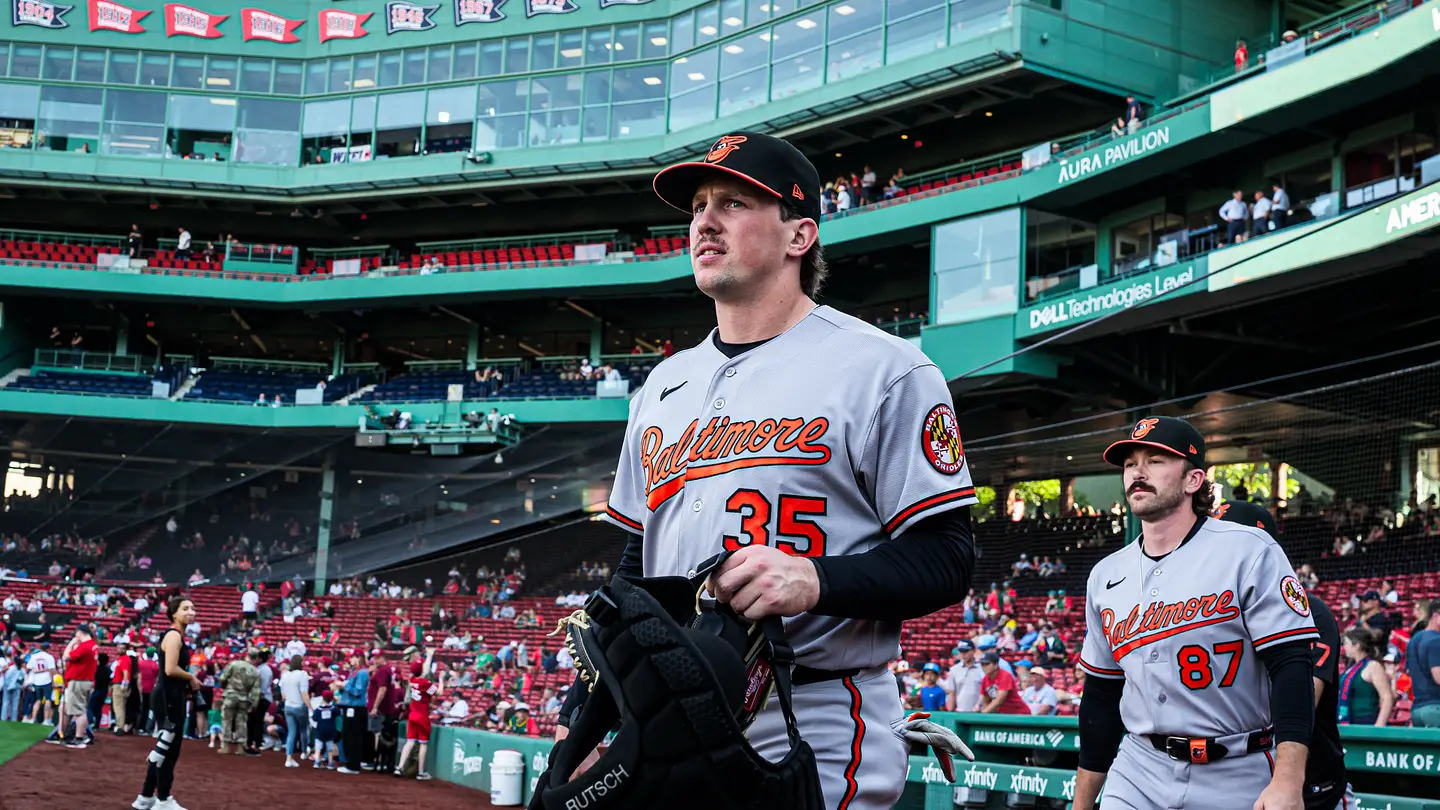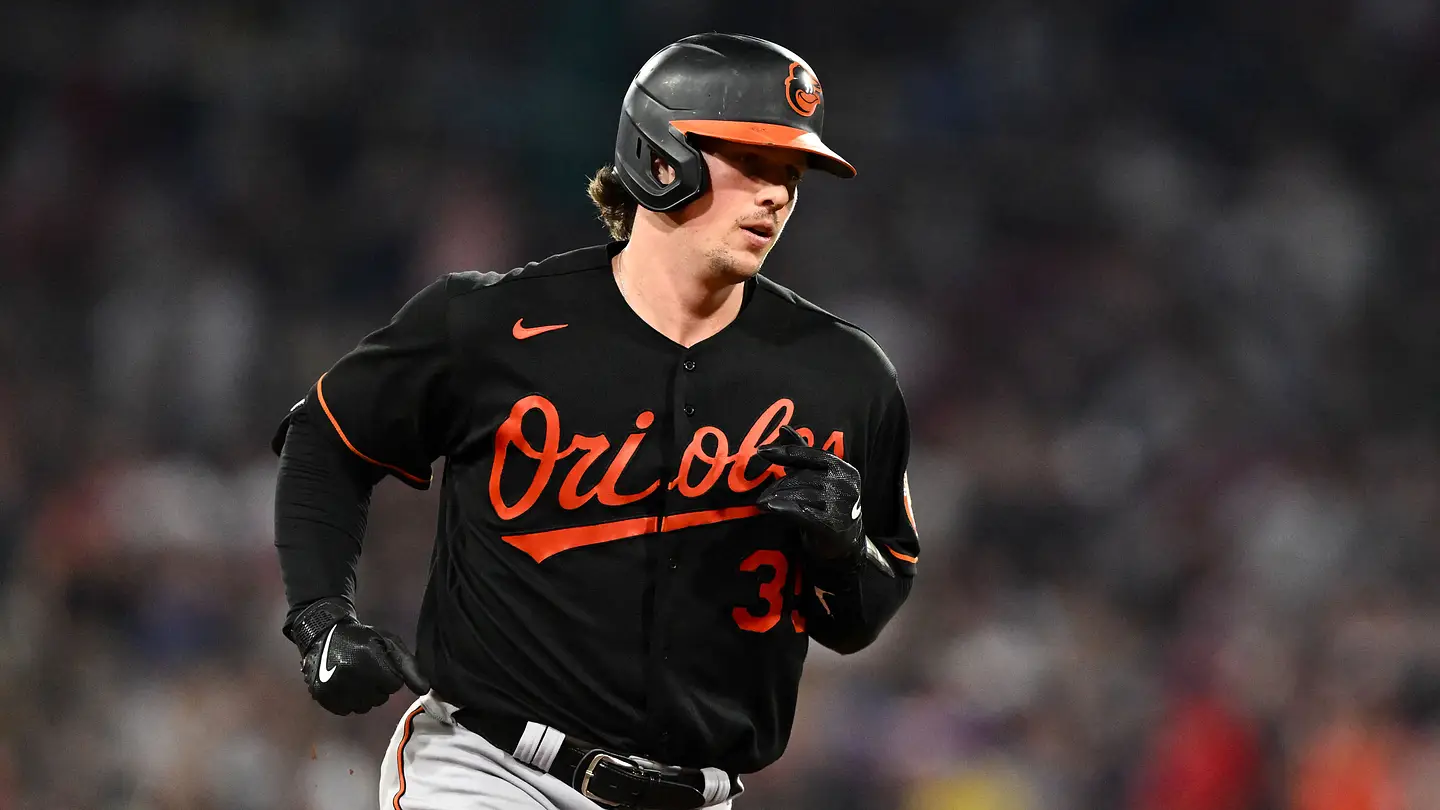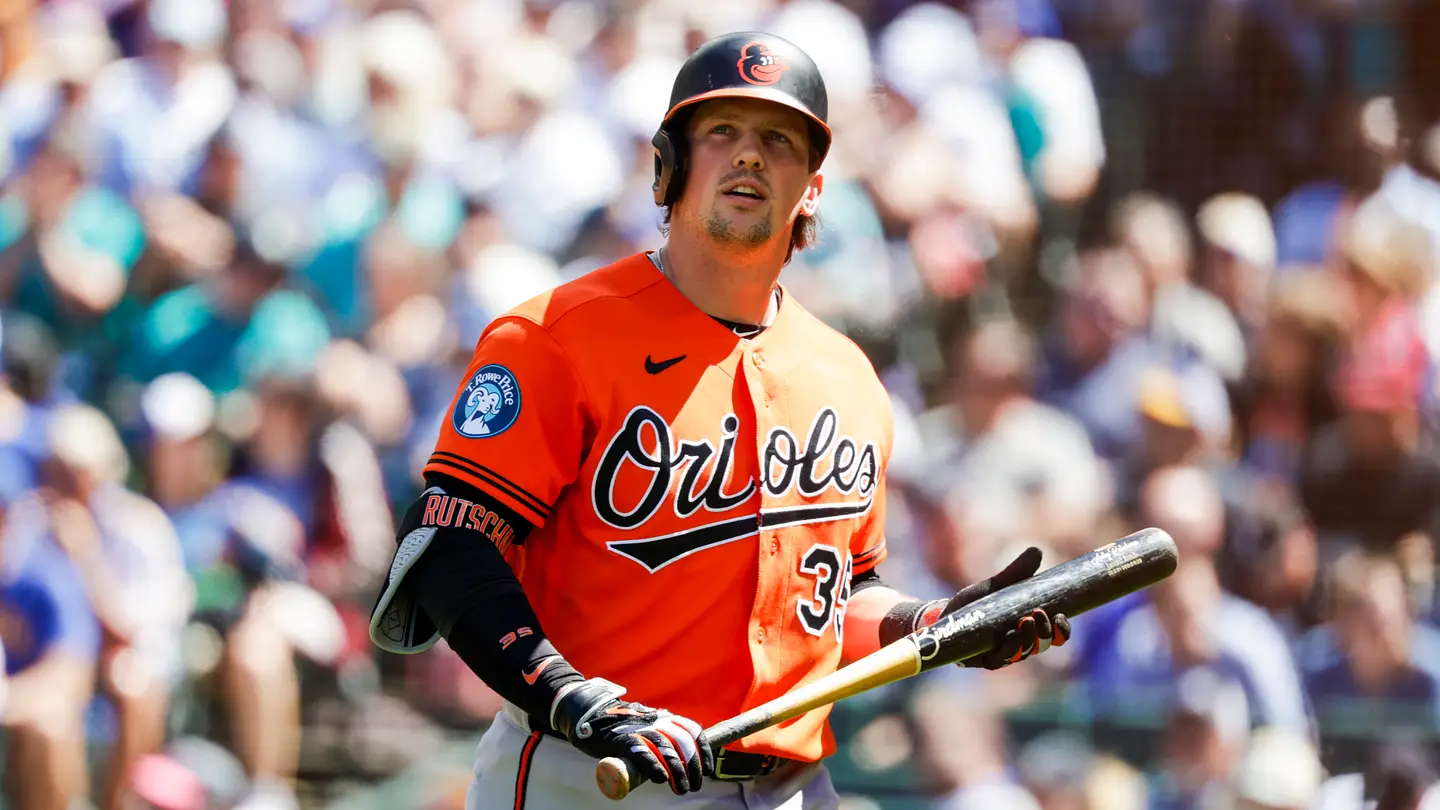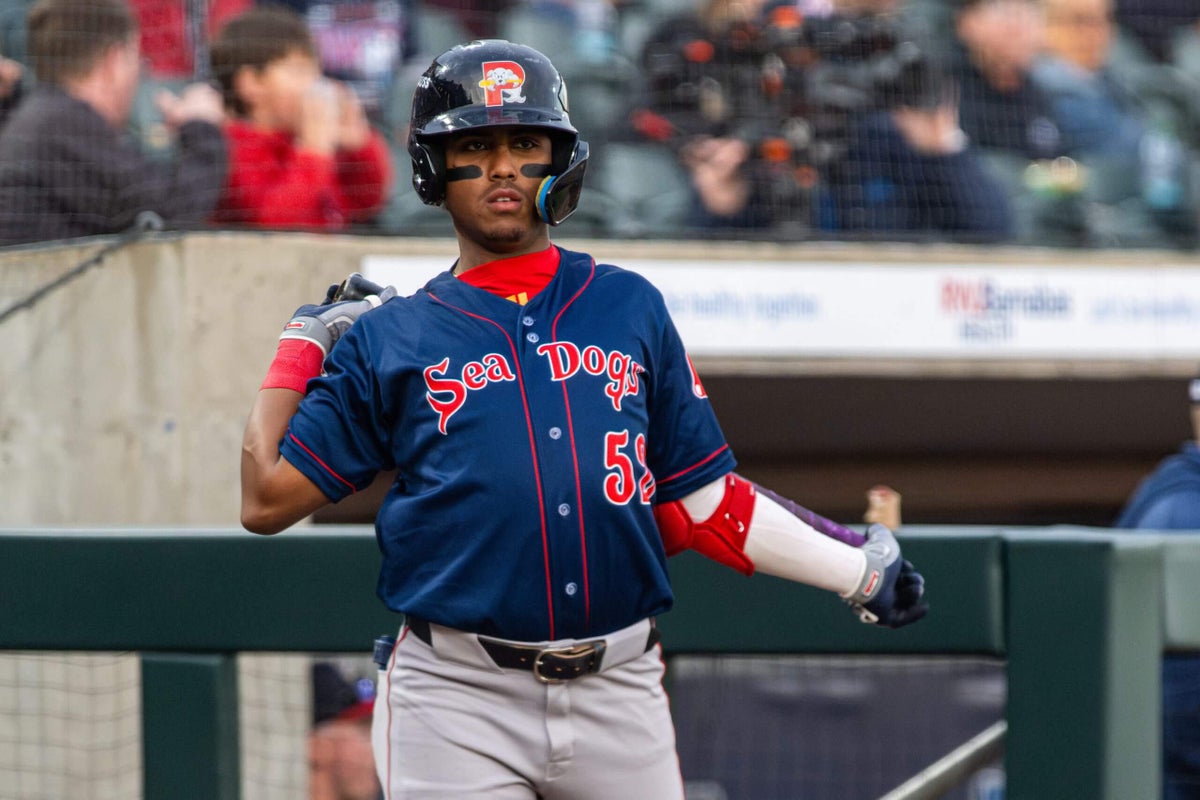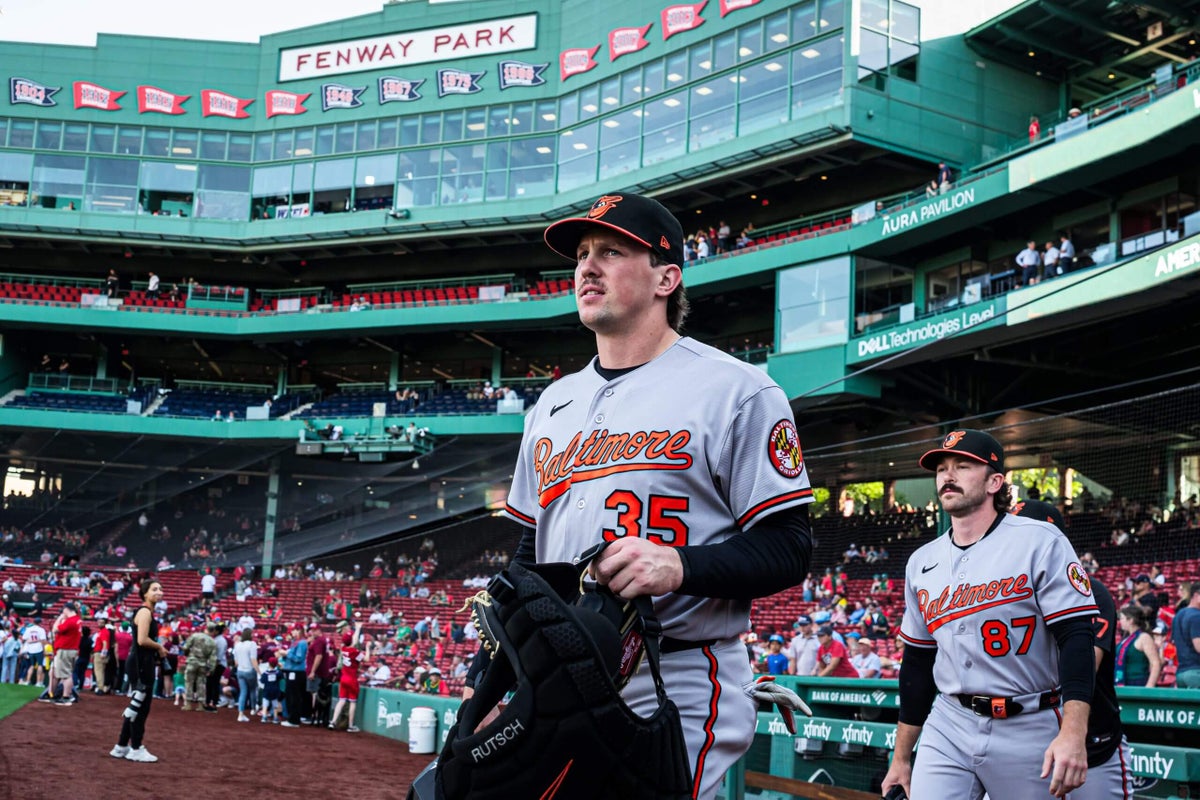
With his words and actions on Monday, Boston Red Sox chief baseball officer Craig Breslow proved he is all-in on this resurgent club gunning for a postseason spot.“We felt going into the season like we had a really competitive team,” Breslow said on a videoconference call an hour after the deadline passed. “We are seeing it over the last month and a half, and we wanted to do everything that we could to give ourselves the best chance to go out and compete for the World Series.”Competing for a World Series would have been a laughable notion six weeks ago when the Red Sox sat 14 games below .500 with the worst record in the American League. But even at the time, Breslow refused to lean into the seller’s market. On June 17, he said he was “absolutely not” giving up on the Red Sox, despite seemingly little reason to believe they could turn things around.“Right now, given we’ve got six weeks or so before the deadline,” he said at the time, “our focus is on doing everything we can to give ourselves a chance to win the game each night.”About a week later, the Red Sox began winning almost every night, compiling the hottest stretch in baseball. They’ve gone 31-8 since mid-June, vaulting themselves from likely sellers to one of the most aggressive teams at the deadline on Monday. They added All-Star catcher Adley Rutschman, reliever Erik Miller and outfielder Eli White while sending off a slew of prospects as well as catcher Carlos Narváez and infielder Marcelo Mayer.Adley Rutschman shipped to Boston in stunning tradeRates and Barrels“They are going for it in a league that is down,” said one National League evaluator who spoke anonymously to discuss the trade deadline candidly.Breslow admitted as much.“I do think the position that our team is in right now …” Breslow said, “the opportunity that we believe we have in front of us, it warranted being aggressive and meaningfully improving our outlook, and we’re hopeful that we did that today.”Monday’s deadline aggressiveness was different from years past, when Breslow hedged his bets with middling relievers or held on tightly to top prospects. This year was different, and he said he may have been too cautious before.“It’s always going to be uncomfortable,” he said. “I think maybe when they feel comfortable … you look up in six months or a year and realize you should have been a lot more uncomfortable with it.”A few more thoughts on a wild deadline day in Boston:Rutschman’s injury and offensive potentialRutschman is a strong defender and clubhouse presence, two traits Narváez also possessed, but the Red Sox needed more offense and hope Rutschman’s bat provides that.In 67 games, he’s posted a .251 average and .764 OPS. After a hot April, though, Rutschman has hit just .218 with a .671 OPS. Breslow said the Red Sox weren’t focused on the surface numbers.“If you look at the performance a little bit more under the hood, you see really strong bat-to-ball, really good ball flight relative to previous seasons, which gives us some excitement about his ability to do damage in our park,” Breslow said. “Consistently good strikeout rates, walking, getting on base. And then when we look at some things like xwOBA and some of the quality of contact, you get a lot more excited than what kind of the top-line stats might look like.”To that end, Rutschman’s 19.3 percent air-pull rate means he should have success pulling the ball in the air at Fenway and using the wall in left. He’s walked at a 10.6 percent clip and struck out just 14.1 percent of the time. And as it relates to xwOBA (expected weighted on-base average), a metric that uses exit velocity and launch angle to decipher quality and amount of contact, Rutschman has the second-highest rate of his career at .348. By contrast, Narvaez’s xwOBA is .271. Willson Contreras’ xwOBA is .387.These numbers provide clarity as to why the Red Sox like Rutschman offensively and feel he can boost the lineup more than Narvaez’s .187 average and .535 OPS.Rutschman does come to Boston while dealing with wrist inflammation that has sidelined him since July 20, and Breslow was hesitant to provide a timeline for his return before the Red Sox’s medical staff gets a look at him. Reports before the trade said Rutschman would return to the Orioles by mid-August, and he was expected to start a rehab assignment as early as this week.Acquiring an injured player isn’t ideal, but it worked for the Red Sox in 2021 when they acquired Kyle Schwarber at the deadline while he was dealing with a hamstring strain. He wasn’t activated from the injury list until Aug. 13, but then propelled them into the postseason.As part of the Rutschman deal, the Red Sox also acquired catcher Jake Rogers from the Orioles. It’s likely he’ll share playing time with Connor Wong until Rutschman is ready to return.Who won and lost the MLB trade deadline?Andy McCullough and Johnny SweetFranklin Arias’ futureMore than once, Breslow referenced Arias’ future potential as key to the club. The Red Sox had checked in on multiple controllable shortstops, according to league sources, but clearly felt the asking price was too high.One team source who spoke on the condition of anonymity to describe trade talks noted that while they’d received inquiries on Arias, there had been nothing “worth discussing.”Breslow acknowledged he looked for ways to improve, but also noted the team’s shortstop depth, specifically Andruw Monasterio’s solid play and that Isiah Kiner-Falefa and Trevor Story are getting closer to rehab assignments. But he also noted Arias’ presence at Triple-A Worcester as part of his answer.Franklin Arias started at shortstop for the American League in the 2026 Futures Game. (Chris Szagola / Associated Press)“That’s a number of major-league shortstops and a really exciting young player, so we feel pretty good about where we are there,” he said of Boston’s depth at the position.When asked directly about the possibility of Arias debuting this season, Breslow left the door open.“I hate to put those types of expectations on a 20-year-old,” he said. “What I am very excited to say is that every challenge that he has faced, he’s met, which is pretty incredible for someone his age and what he’s done at each level. I just feel like we’ll continue to take note of what he’s doing. We’ll continue to put him in the best development environment that we can, and if he is the person who can help us, then we’ll have that conversation when it comes time.”Arias has two homers and two doubles in seven Triple-A games. He also played back-to-back games at second this past weekend; while the Red Sox see him as a shortstop long term, flexibility is clearly being incorporated.A decimated pitching pipelineAfter so much talk about building up the pitching depth, Breslow has traded nearly all of it away. Besides Connelly Early, Kyson Witherspoon and Anthony Eyanson, Breslow has also traded these pitchers over the past year: Tyler Uberstine, Wikelman Gonzalez, Richard Fitts, Hunter Dobbins, Shane Drohan, Kyle Harrison, Blake Aita, Yhoiker Fajardo, Luis Perales, David Sandlin and Brandon Clarke.Many of those names returned key pieces of the big-league roster, but it’s still notable that, given how important pitching developing is to Breslow, he’s been aggressive trading it away. That can be viewed as a success: developing players to the point where they can be traded for big-league talent. Conversely, it leaves an uncomfortable hole in the organizational pipeline.It speaks to Breslow’s trust in Payton Tolle and Jake Bennett on the big-league side. But trading away Early and the club’s top two pitching prospects in Eyanson and Witherspoon, both drafted last year, could be a decision that bites them in the future, especially because they were traded in the division.Witherspoon and Eyanson were on the same development plan that fast-tracked Tolle and Early to the majors.“It’s very uncomfortable, there is no such thing as having too much starting pitching and those guys that you mentioned are really, really talented,” Breslow said. “I also think that some of the other arms in the organization who have taken a step forward give us the ability to make moves like this, and that’s a credit to a lot of people in the organization, from scouting to player development. And so you’re always uncomfortable when you move this type of talent, but we have to believe in our ability to continue to help identify players and get the most out of them.”Which MLB teams did the most?Levi Weaver and Madison EadesMayer’s time ends before it startedMayer’s first two major-league seasons followed a similar pattern: strong defensively, subpar offensively and interrupted by injury.The 2021 first-round pick never quite found his footing, and in the end the Red Sox clearly felt Arias’ potential at shortstop had surpassed Mayer’s, allowing them to trade him to the Giants. The writing may have been on the wall last week when Boston acquired controllable infielder Curtis Mead, who conceivably only plays second. It marked one fewer future spot for Mayer with Caleb Durbin now manning third.Over the winter, the Red Sox reportedly refused to include Mayer in a deal for Arizona Diamondbacks infielder Ketel Marte. Now they’ve traded him for a controllable, back-end reliever in Erik Miller. It was an odd and abrupt end to Mayer’s time in Boston after so much was made of his prospect status. Mayer will likely go on to have a solid career, but it’s another reminder that prospect potential is tenuous, even for a chief baseball officer so focused on player development.“He was a really big part of this organization, someone that was looked upon to be part of a core,” Breslow said of Mayer. “We were able to make a trade, but in no way is this an indictment of Marcelo. I think in some ways it’s probably a credit to the player development group and the organization that we were able to make this trade and still feel like we’ve got players in-house or who are able to fill a major-league shortstop role.”A bullpen addSpeaking of Miller, the 26-year-old lefty is under control through 2029 and provides the Red Sox another weapon alongside Aroldis Chapman, Garrett Whitlock, Justin Slaten and Tyron Guerrero in the back of the bullpen. That’s a solid group of relievers that already has baseball’s best ERA (2.95).Miller has a 31.7 percent strikeout rate, but it comes with a 15.5 percent walk rate.“(He’s) a back-end reliever with control who throws from the left side with huge stuff, generates a ton of swings-and-misses, and gets a ton of strikeouts,” Breslow said. “You think about a bullpen down the stretch and potentially into the postseason. The ability to bring guys in who can get swings-and-misses and shorten the game when relievers are available almost every night because of the schedule, (that) becomes really, really valuable.”Not messing with the cultureBreslow said he was mindful of what the current group of players has done to get to this point, where FanGraphs gives it an 85 percent chance of making the playoffs. The chemistry the Red Sox have cultivated and what it’s taken to go from the worst record in the American League to third-best wasn’t overlooked.Breslow didn’t want to add pieces just for the sake of it, but was mindful that if he were to trade from the current group, it had to be for impact players. He still traded major-league pieces in Early for Mead, a well-liked catcher in Narváez and a piece of the future in Mayer.“We thought about the identity of the team and the relationships and the way that the group had come together over the last couple of months and wanted to make sure that if we were going to introduce anything that might disrupt that, that the talent that we were bringing in made it very, very clear,” Breslow said. “We didn’t want to go through a deadline where we just kind of rearranged the chairs but didn’t actually get better and introduced the possibility of messing with the culture and the environment. So it is a real consideration, and it’s one that we took really seriously.”How this all plays out in the coming weeks will be interim manager Chad Tracy’s biggest task.
Red Sox trade deadline implications: Adley Rutschman’s offense, Franklin Arias’ future
What are the biggest takeaways after Breslow got aggressive and acquired an All-Star catcher and dealt away Marcelo Mayer?
2,050 words~9 min read