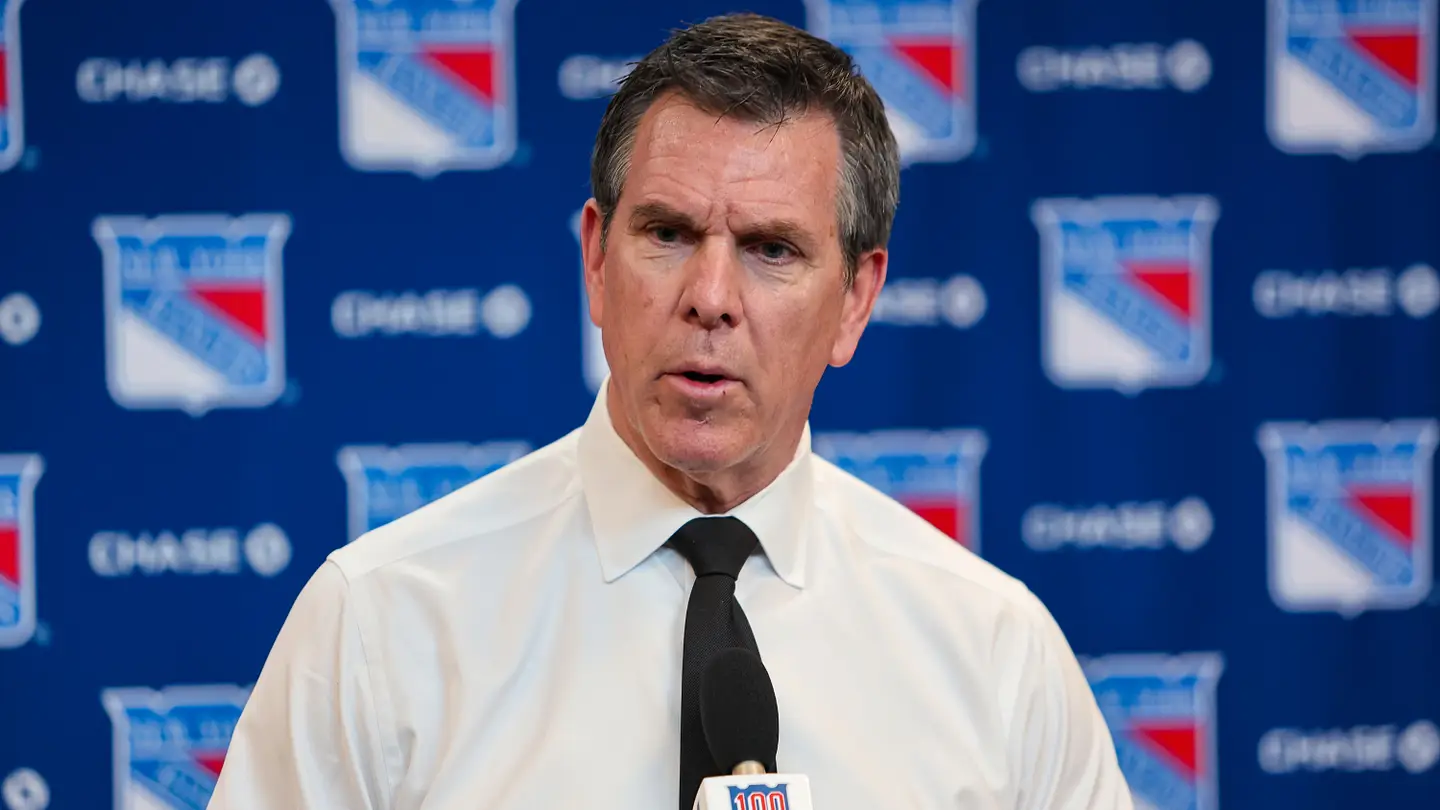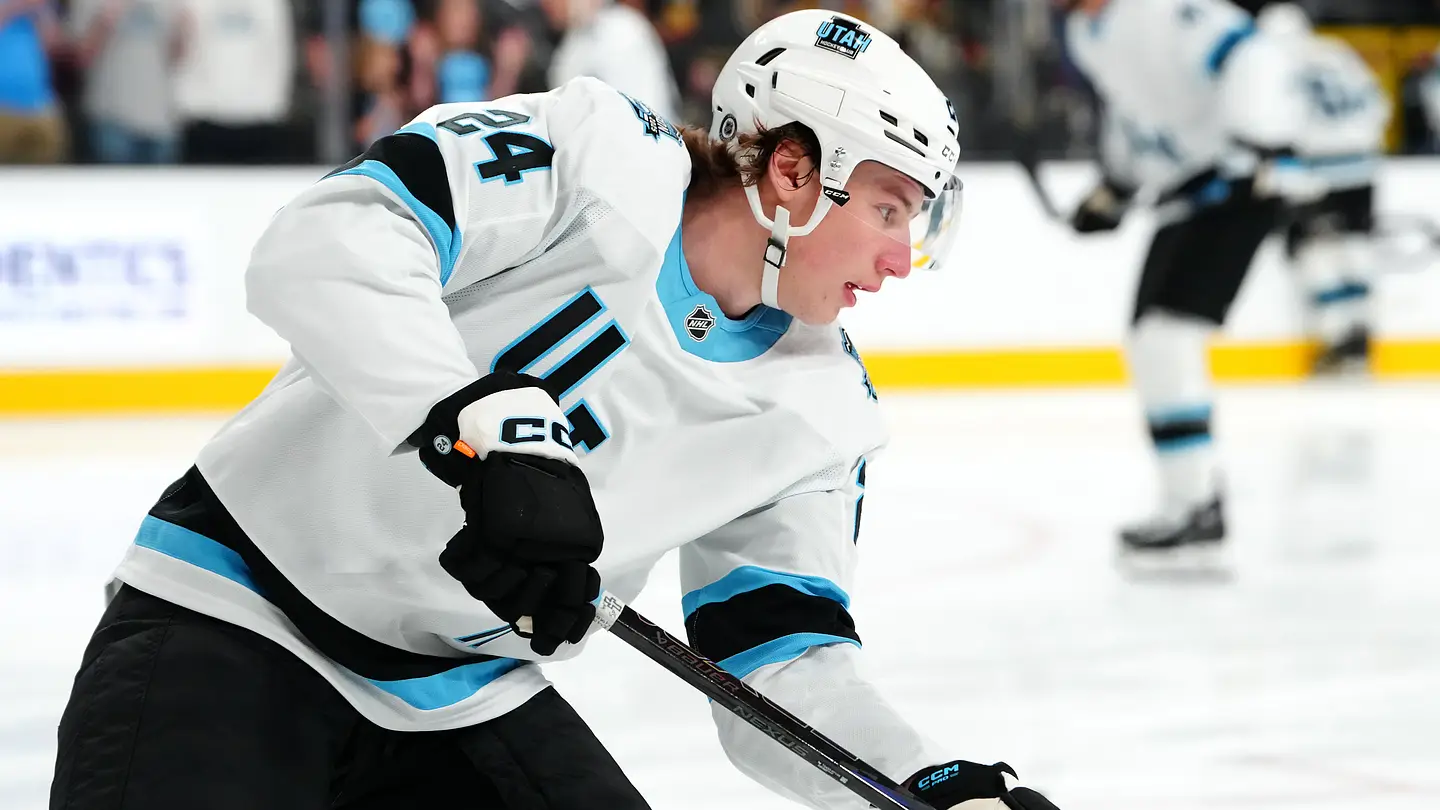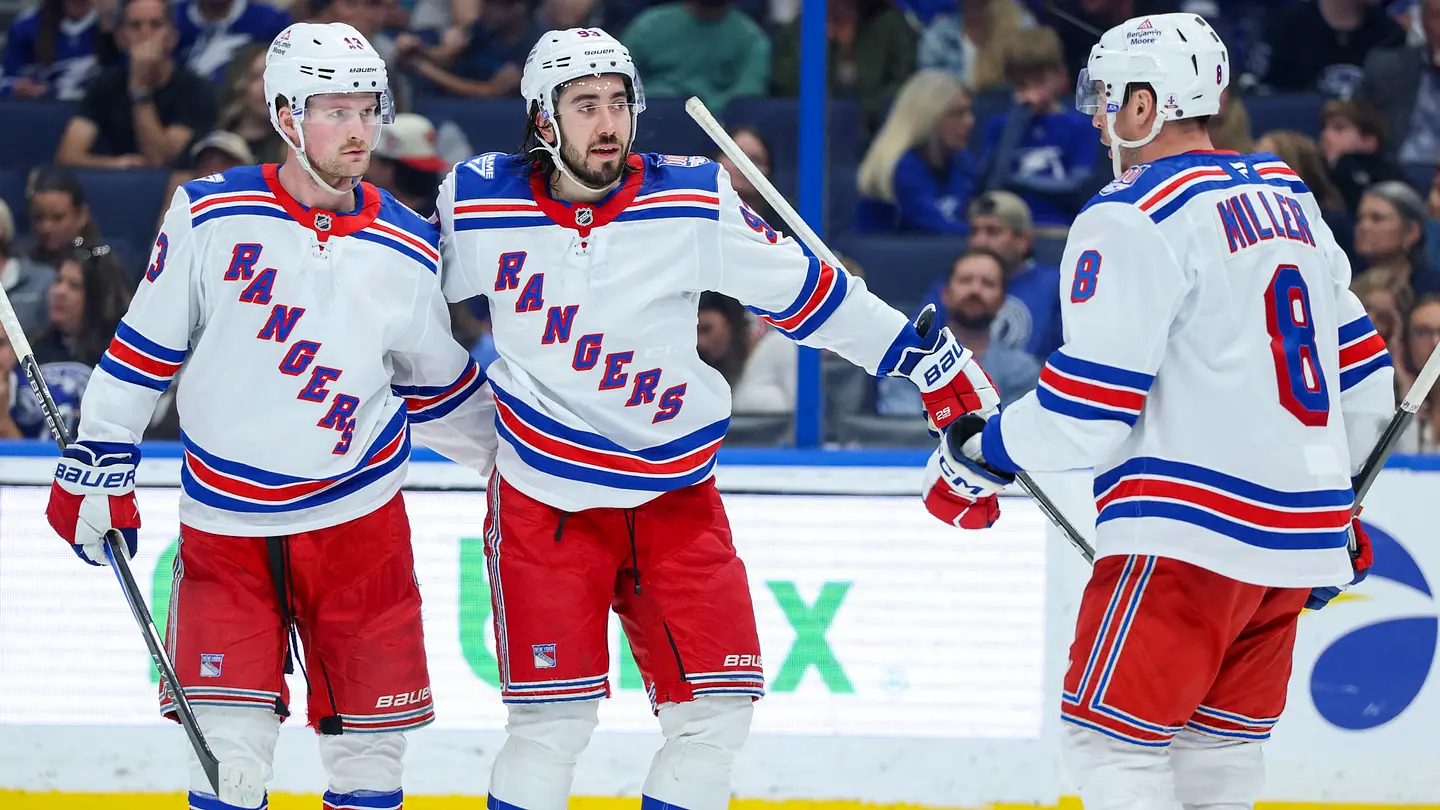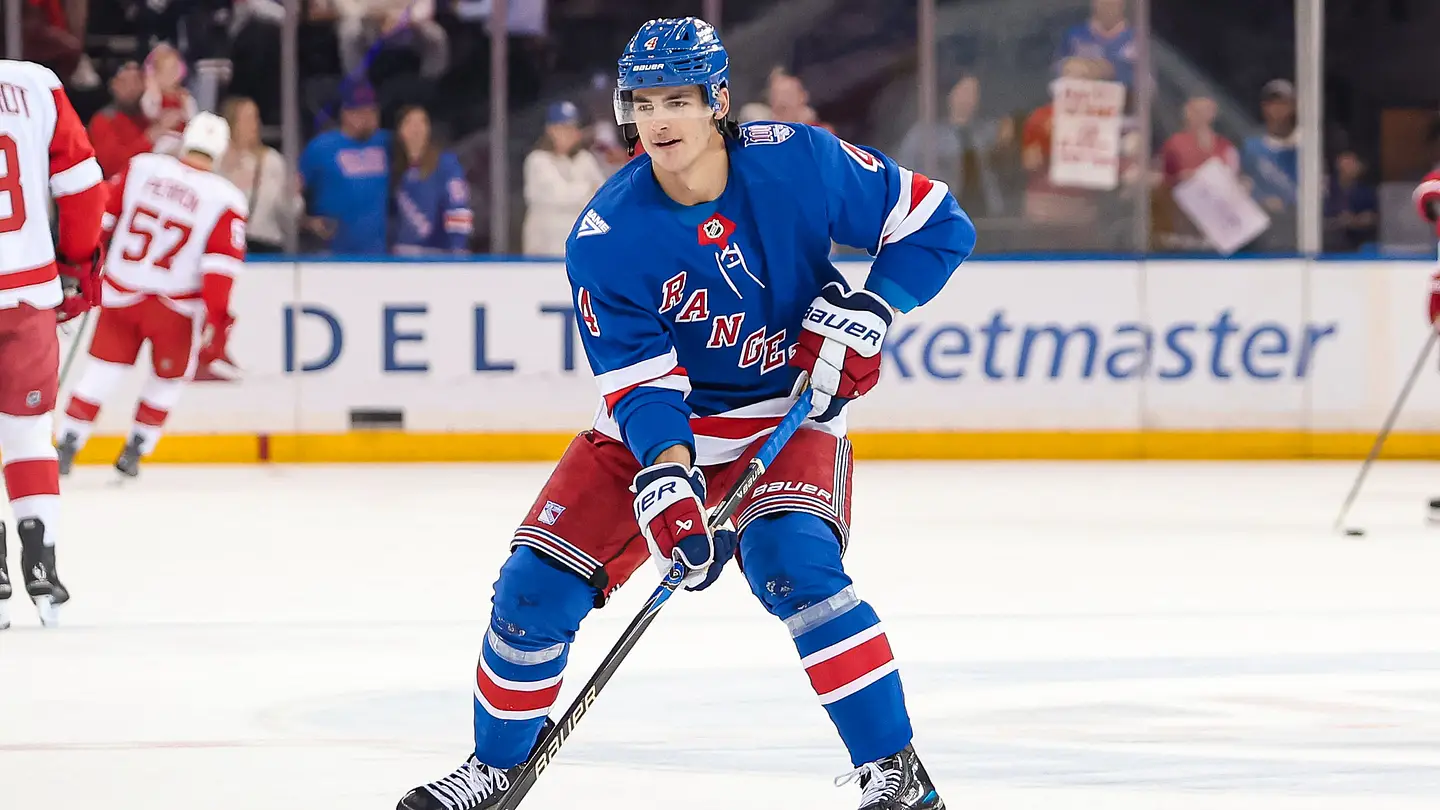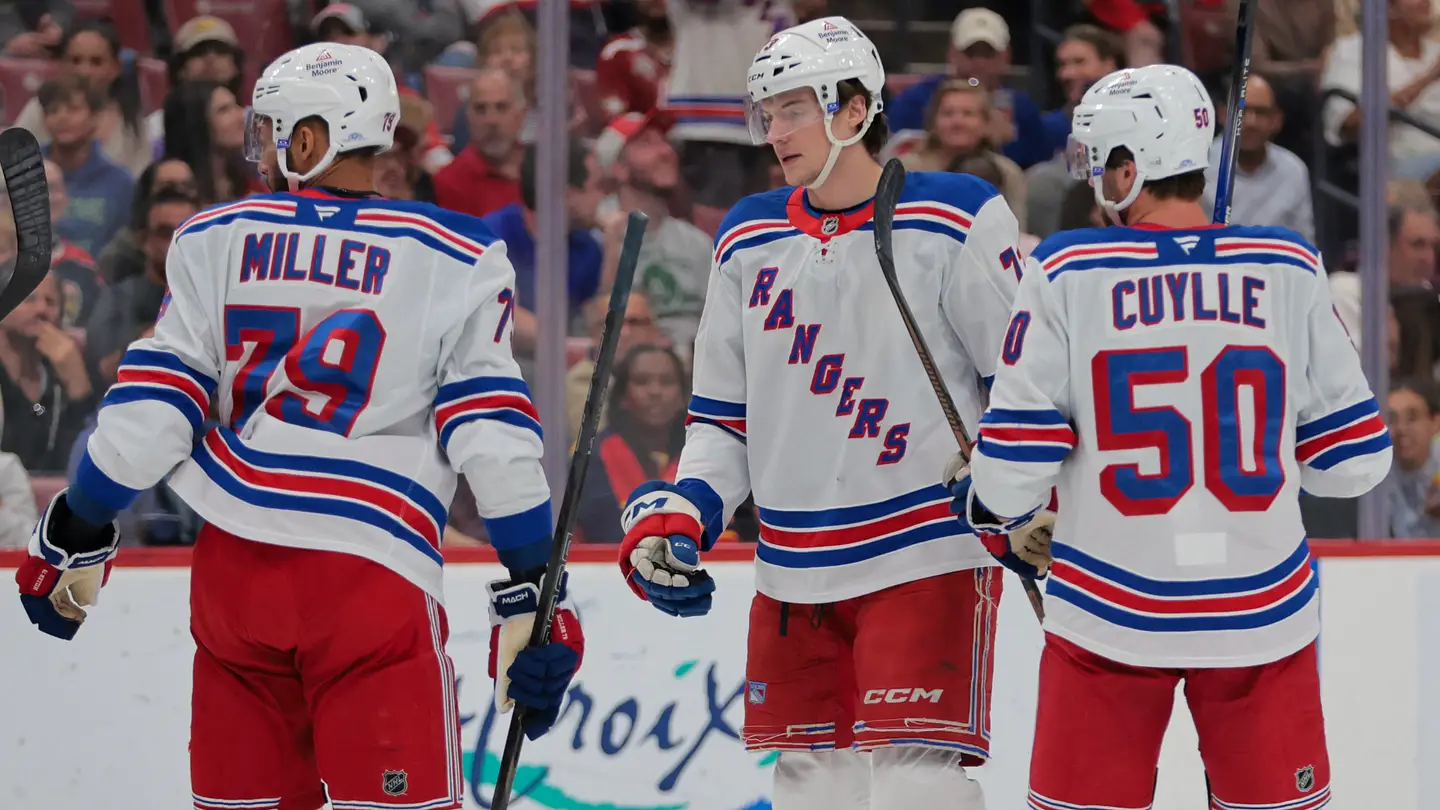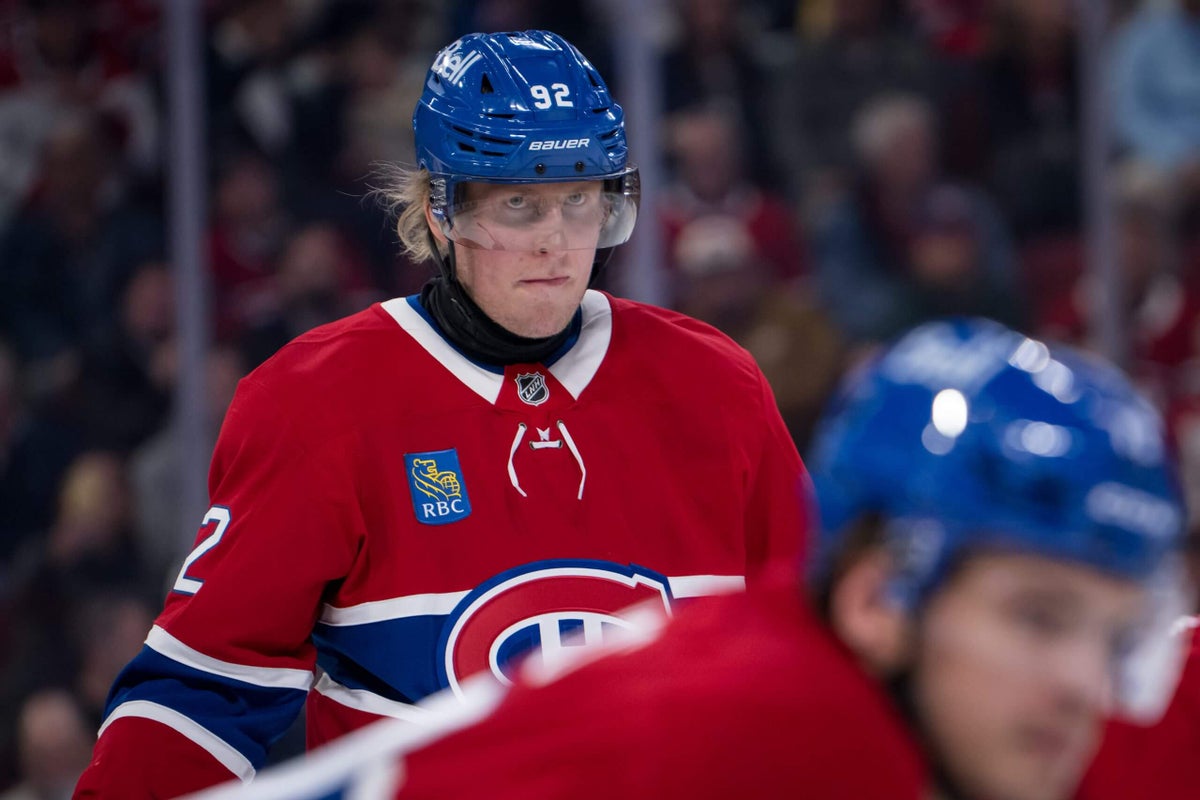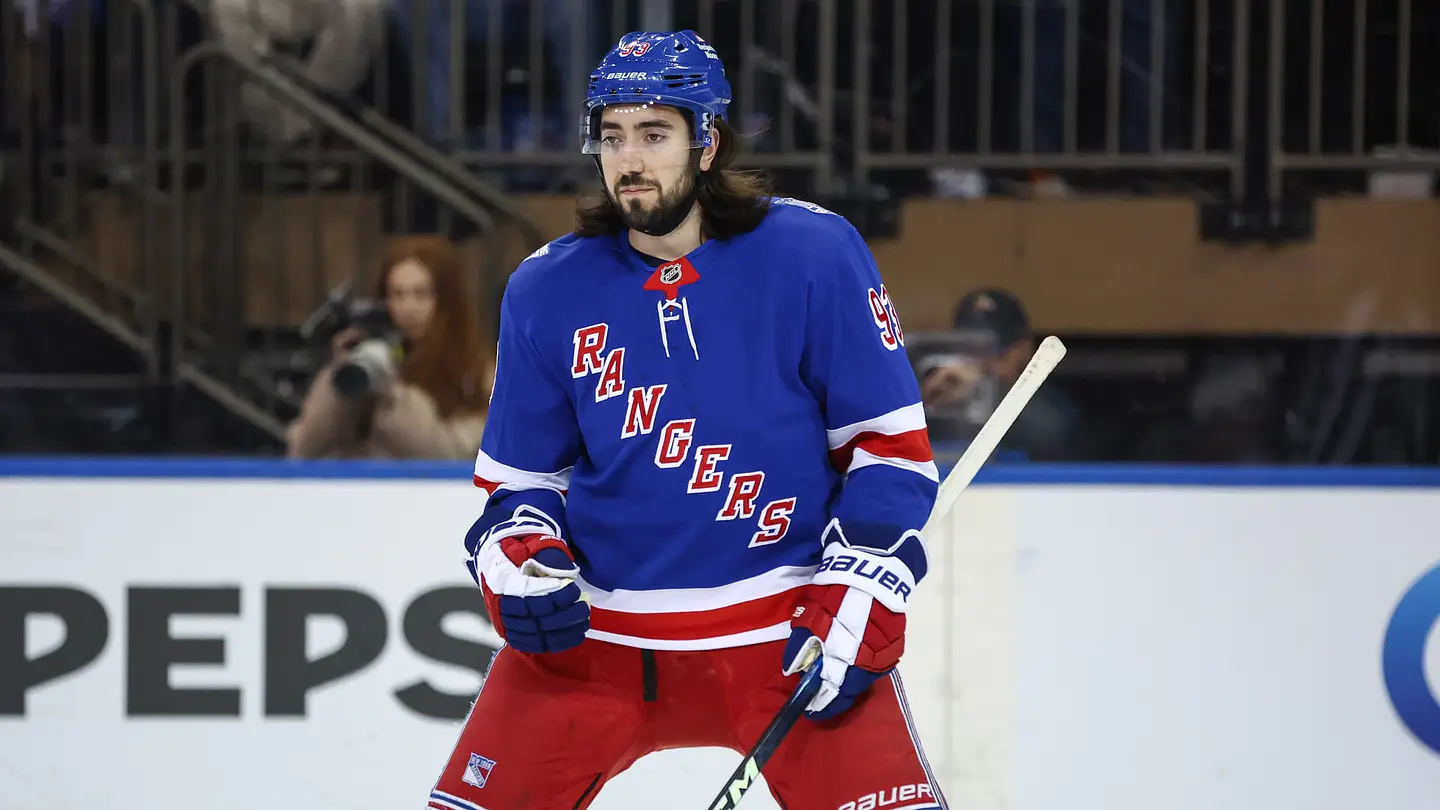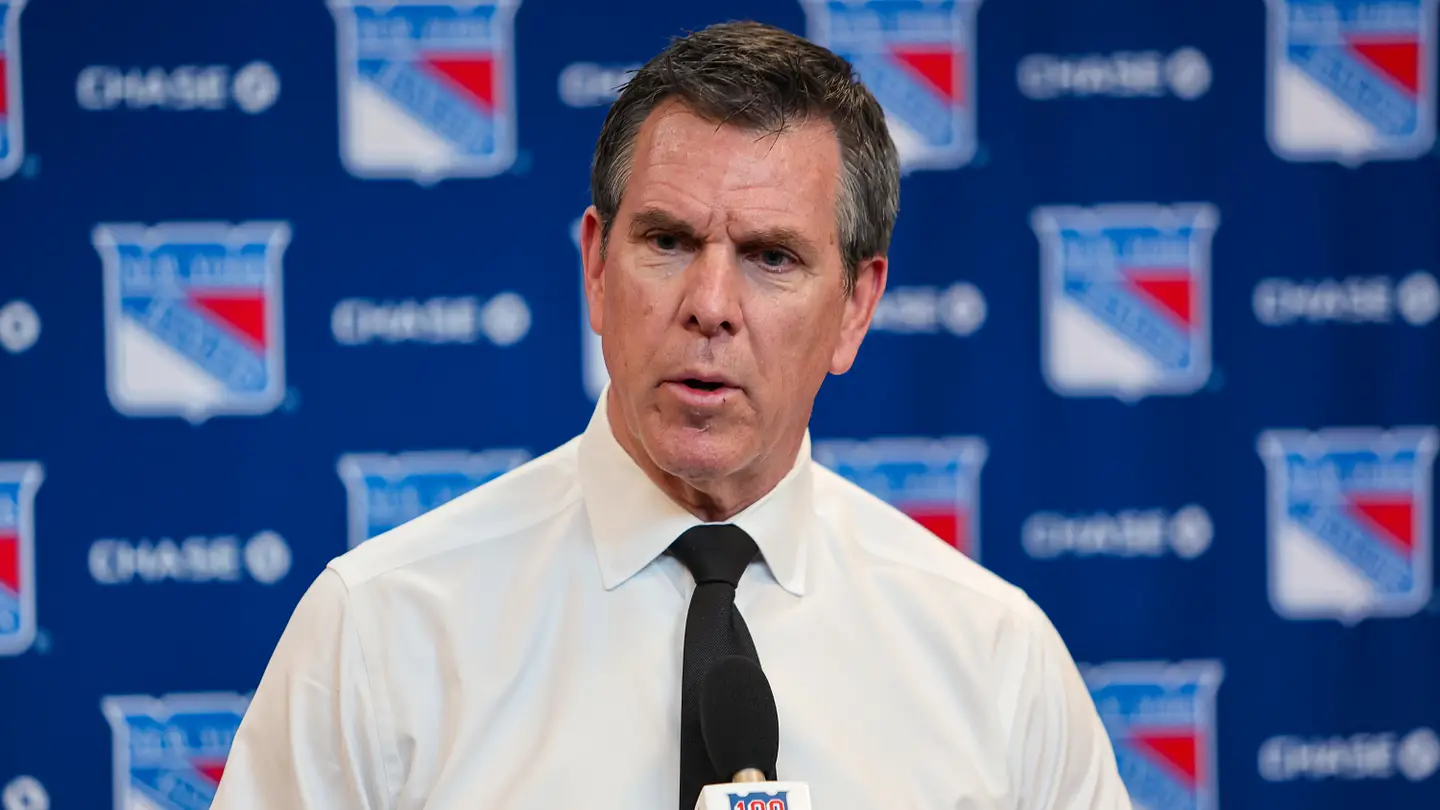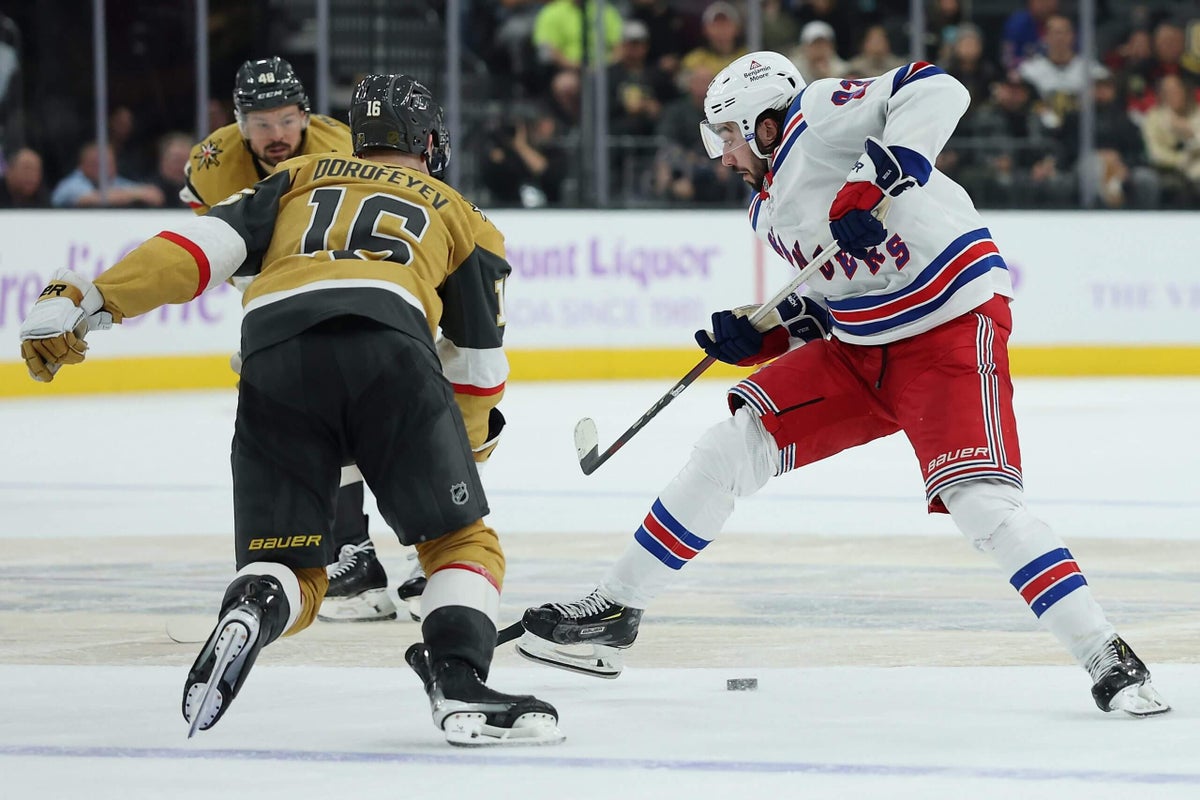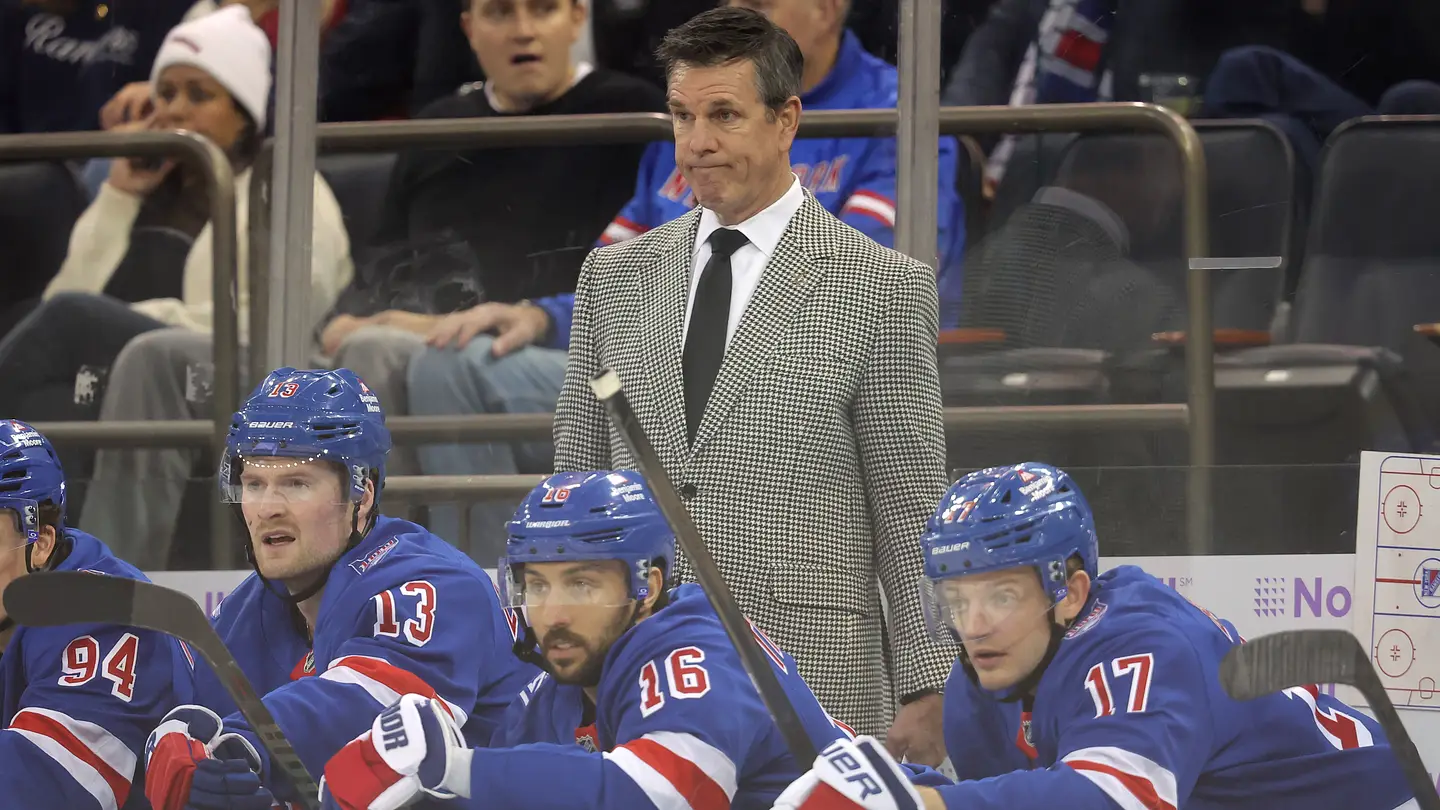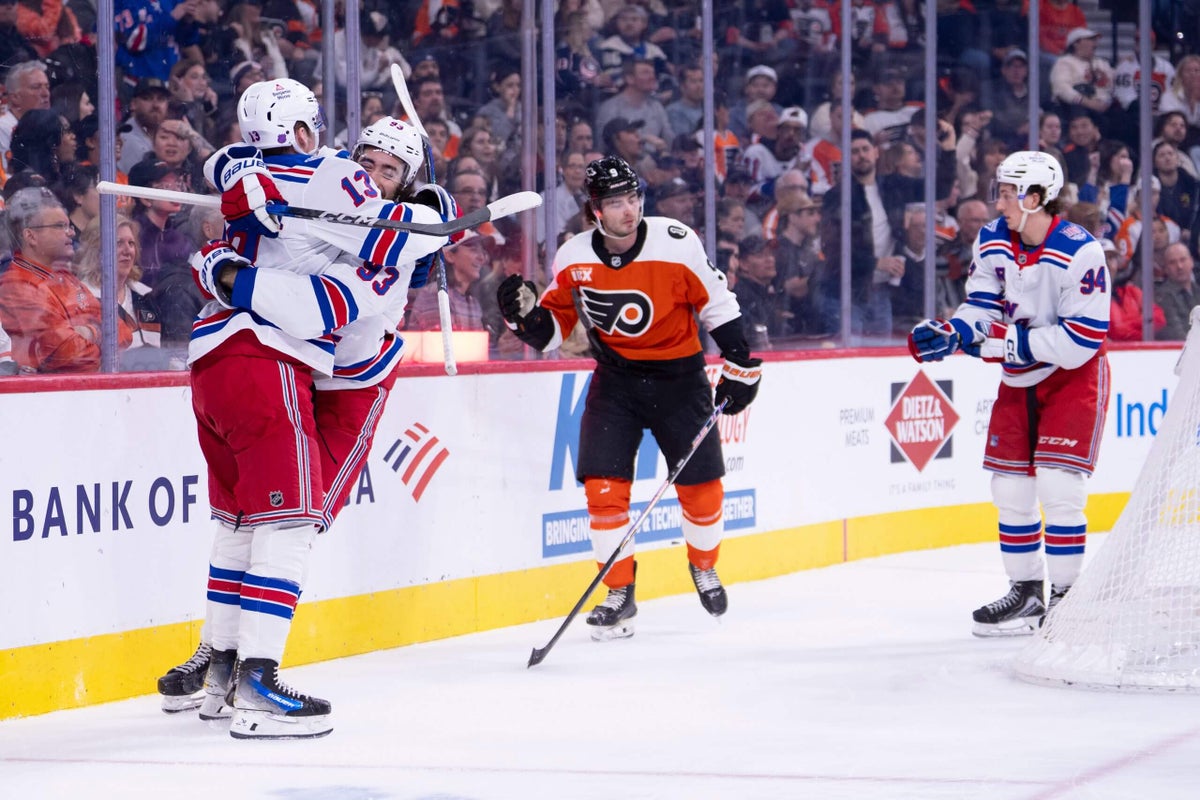
The New York Rangers’ defensive group looks much improved after the recent additions of Sean Durzi and Marcus Pettersson, and the team’s goaltending is always a strength with Igor Shesterkin. But if the team is going to make the Stanley Cup playoffs for the first time since 2024, it will need production from a forward group that looks significantly different compared to the start of last season.Team president and general manager Chris Drury traded Artemi Panarin in February, opting to move on from a 34-year-old winger known for his playmaking and production. Then, on July 1, Drury dealt Vincent Trocheck, who primarily played second-line center for the club after signing in July 2022. Both are significant losses for a forward group that struggled to generate offense last season.To make up for the departures of Panarin and Trocheck, Drury and coach Mike Sullivan are counting on internal growth from young players like Alexis Lafrenière and Gabe Perreault, as well as high-level production from trade acquisition Pavel Dorofeyev, who signed a seven-year, $77 million contract extension with the club. Free-agent signing Oliver Bjorkstrand could also be a top-six option.When Trocheck was on the team, Sullivan had the option of playing either Mika Zibanejad or J.T. Miller on the wing. Now that flexibility is gone: The Rangers will rely on Zibanejad and Miller as their top two centers, and Sullivan will decide who plays on their wings in the top six.Let’s go over a few scenarios and the pros and cons that come with each.Can Gabe Perreault get to Nikita Kucherov’s level?Scott Wheeler, Corey Pronman and moreScenario 1: Logic prevailsPavel Dorofeyev-Mika Zibanejad-Alexis Lafrenière
Projecting the New York Rangers’ new-look top six: Pros and cons of potential line combos
To break their recent playoff drought, the Rangers need help from an overhauled group of forwards. Here's how it could line up next season.
1,136 words~5 min read