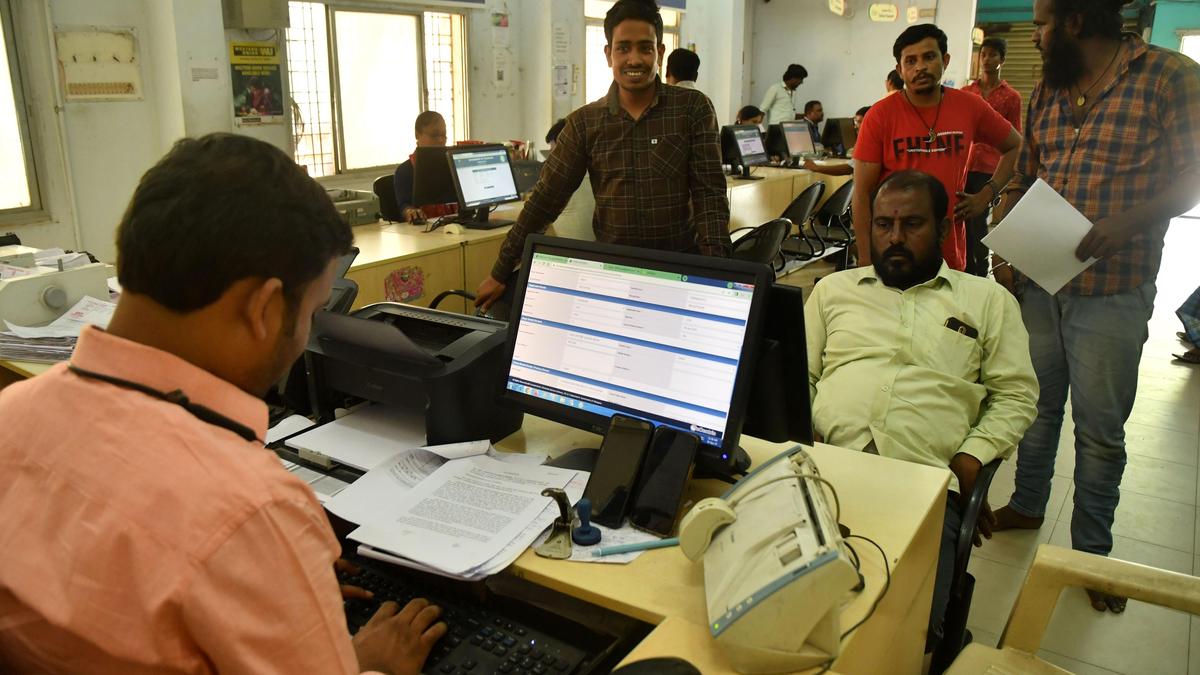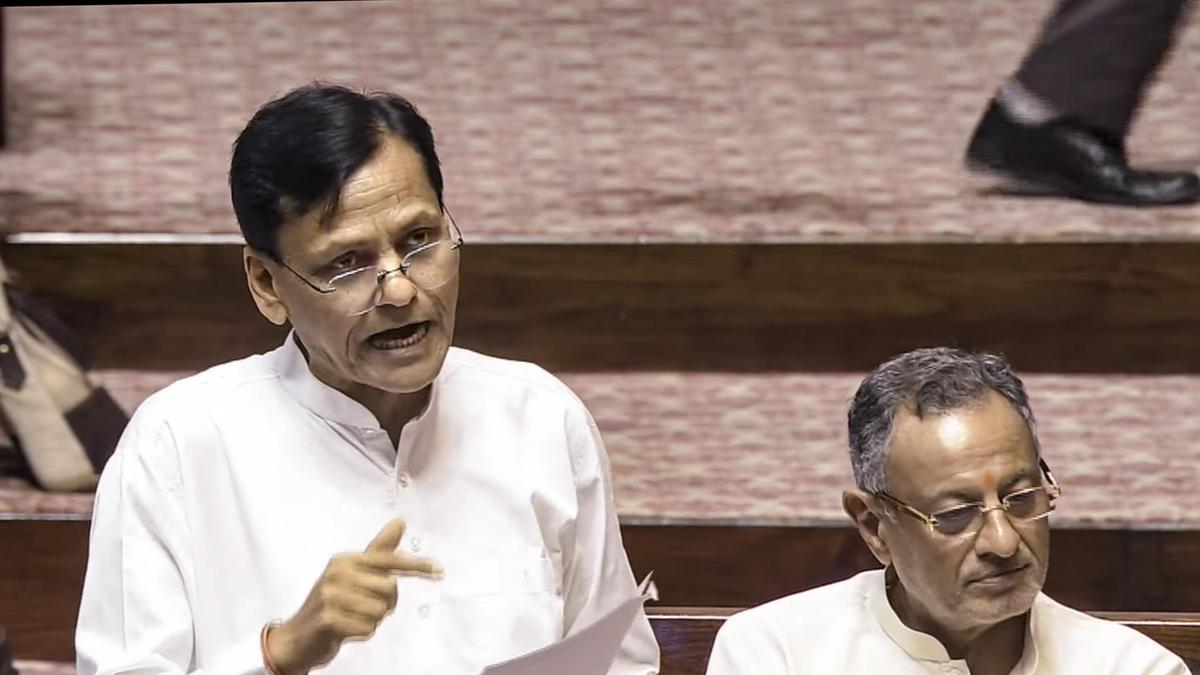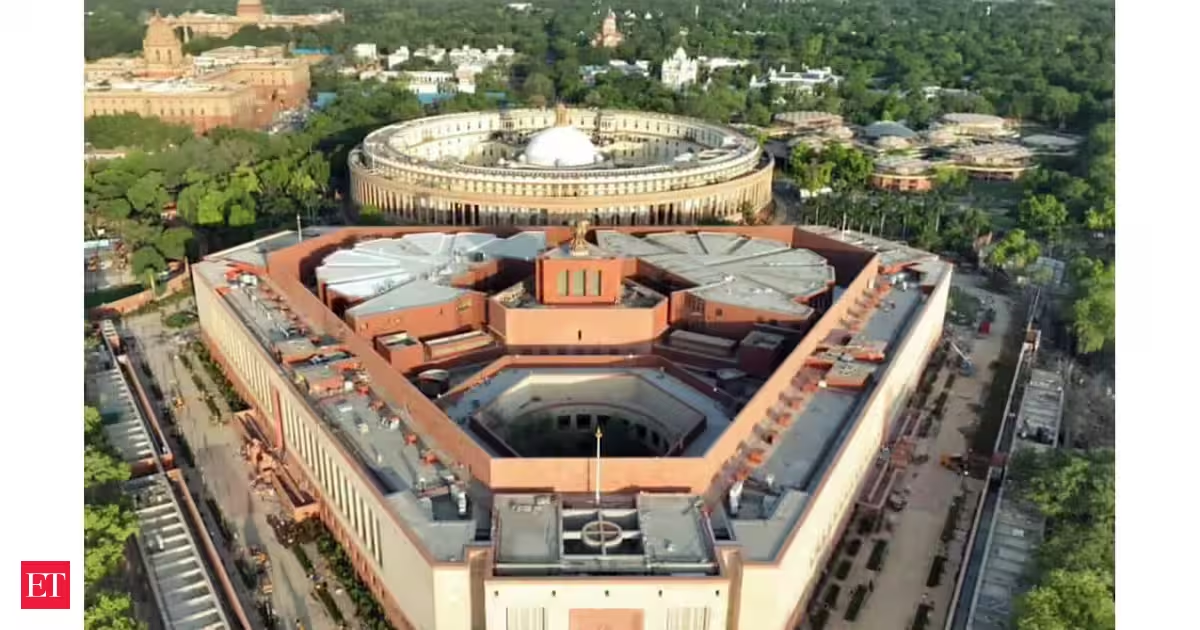
Parliament on Tuesday passed the Registration of Births and Deaths (Amendment) Bill, 2026, tightening one of the country's oldest and most consequential civil laws.The Registration of Births and Deaths Act, 1969, sits at the base of India's identity architecture. (Featured image: HT)The change is narrow on paper — a single sub-section of the 1969 Act — but it re-routes the process for registering any birth or death reported more than two years after the event. A delay beyond this threshold sends the cases to a judicial magistrate of the first class, a judicial officer under the high court, rather than to an executive magistrate, a district-cadre administrator under the state government.This is the second time in three years Parliament has moved to amend a statute most people encounter only when they need to prove they were born.The Registration of Births and Deaths Act, 1969, sits at the base of India's identity architecture: the certificate it produces is the document most other identity records — Aadhaar, passport, voter roll, ration card, school admission — ultimately trace back to. A 2023 overhaul made that role explicit. The 2026 change now tightens the timelines and puts stronger scrutiny on delayed registrations.Also read: Delhi HC's OpenAI-ANI ruling: What it means for AI, copyright and publishers in India — so farWhat 2026 changesThe Bill redraws only section 13(3) of the Act — the provision that governs delayed registration.Under the earlier version, any birth or death reported after one year needed an order from a district magistrate, a sub-divisional magistrate or an executive magistrate authorised by the DM, after verification and payment of a prescribed fee.The Bill splits that single window into two:Delays of between one and two years continue to run through an executive magistrate.Delays of more than two years now require an order from a judicial magistrate of the first class.Executive magistrates sit under section 14 of the Bharatiya Nagarik Suraksha Sanhita, 2023 — the criminal-procedure code that replaced the CrPC last year — and belong to the state's administrative cadre.Judicial magistrates of the first class sit under section 9 of the same statute, are appointed by the high court and preside over criminal courts.The key difference, therefore, is that the verification of a two-year-old birth or death now, would in effect now need to be done via the court system rather than the collectorate.The Statement of Objects and Reasons filed with the Bill offers a single justification: to make delayed registration "more stringent" and to encourage timely reporting. The Financial Memorandum records no cost to the exchequer.The Bill was introduced in the Lok Sabha by Union home minister Amit Shah on July 24. It was cleared by the Rajya Sabha on Tuesday. After the President assents, the amendment comes into force on a date the central government notifies in the Official Gazette.Also read: Supreme Court shuts one door on retrospective green clearances. Experts say it leaves a backdoor openWhy 2023 amendments are key backdropThe 2023 amendment (Act No. 20 of 2023), which came into force on October 1 that year, put the national database of registered births and deaths on a statutory footing, made electronic registration and certificates the norm, and turned the birth certificate into the single document for proving date and place of birth for anyone born on or after that date.That single-document status covers admission to educational institutions, driving licences, voter list preparation, marriage registration, government appointments, passports, Aadhaar issuance and any other purpose the Centre notifies.The database itself, PRS Legislative Research noted in its analysis at the time, was cleared to be shared with authorities running the population register, electoral rolls, Aadhaar, ration cards, passports, driving licences and property registration, subject to government approval.The 2023 amendment also tiered delayed registration for the first time. Registrations between 30 days and one year need the written permission of the district registrar, backed by self-attested documents and a fee.Anything beyond a year needed the executive magistrate order, and the 2026 Bill has now split that again.Penalties for non-reporting were raised across the board — from ₹50 to ₹250 for ordinary informants, and up to ₹1,000 per event for institutional actors such as hospital heads, jailors and adoption agency in-charges.The two amendments, essentially, go thusly: 2023 wired the birth certificate into almost every other identity document, and 2026 tightens the on-ramp for anyone entering that system late.Also read: Legislation needs debate, not blind determinationHow late is late, in practiceThe Civil Registration System's 2024 report, released this July, shows what “late” looks like at scale. India registered 25.47 million births and 8.94 million deaths in 2024. On the completeness measure — registered events as a share of estimated events — India stood at 99.1% for births and 99.4% for deaths, up from 83% and 68.2%, respectively, in 2012. Put simply, 99.1% of estimated births are registered today.But only about 70% of birth registrations in 2024 reached the registrar within the 21-day window the law prescribes.Nearly one in four — around 5.87 million births, across the 34 states and Union territories that submitted time-gap data (Sikkim did not) — arrived more than a year after the event, the CRS report said. For deaths, the corresponding share was about 7%, or roughly 627,000 events.Bihar accounted for 1.65 million of those late birth registrations in 2024 alone, or close to 45% of the state's own registrations. Uttar Pradesh added 1.34 million, Rajasthan 608,000, Madhya Pradesh 557,000, Jharkhand 308,000 and Jammu and Kashmir 192,000. By share of the state's own registrations, the Northeast and the high mountains led: in Nagaland, Manipur, Ladakh and Arunachal Pradesh, most birth registrations reached the registrar more than a year late. The exception here was the events reported timely.This is where the 2026 change coukd bite, though the CRS data reached only so far. The report does not split the “after one year” category into one-to-two-year and older cases, so it is not possible to say precisely what share of those 5.87 million births would now need a judicial magistrate's order rather than an executive magistrate's.A significant portion of registrations in states clearing legacy adult records — Bihar, Jammu and Kashmir, Manipur, and the Northeast — may well be past the two-year mark, but the number cannot be pinned down from the published data.
Register a birth two years late and you may have to go to courts: Amendments in key law passed by Parliament
Parliament on Tuesday passed the Registration of Births and Deaths (Amendment) Bill, 2026, sending registrations delayed 2+ years to a judicial magistrate.
1,041 words~5 min read