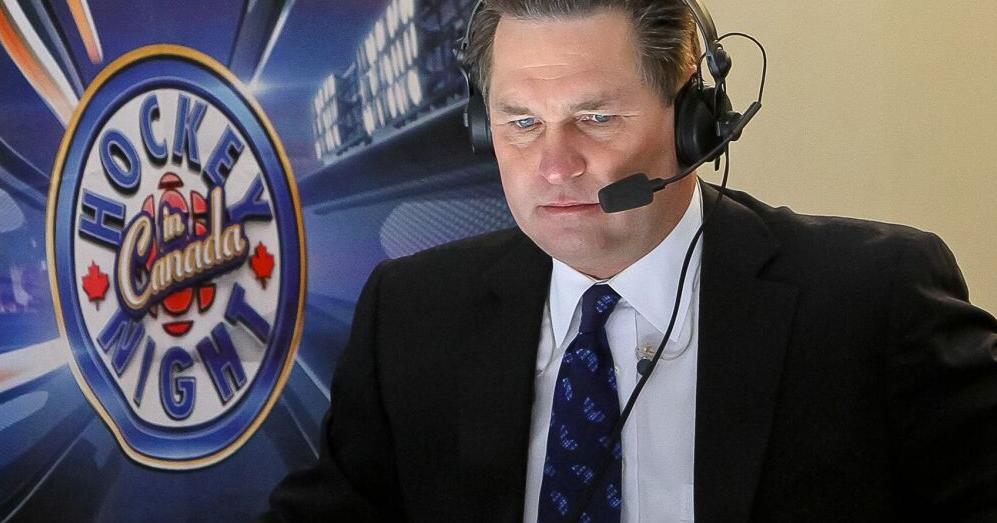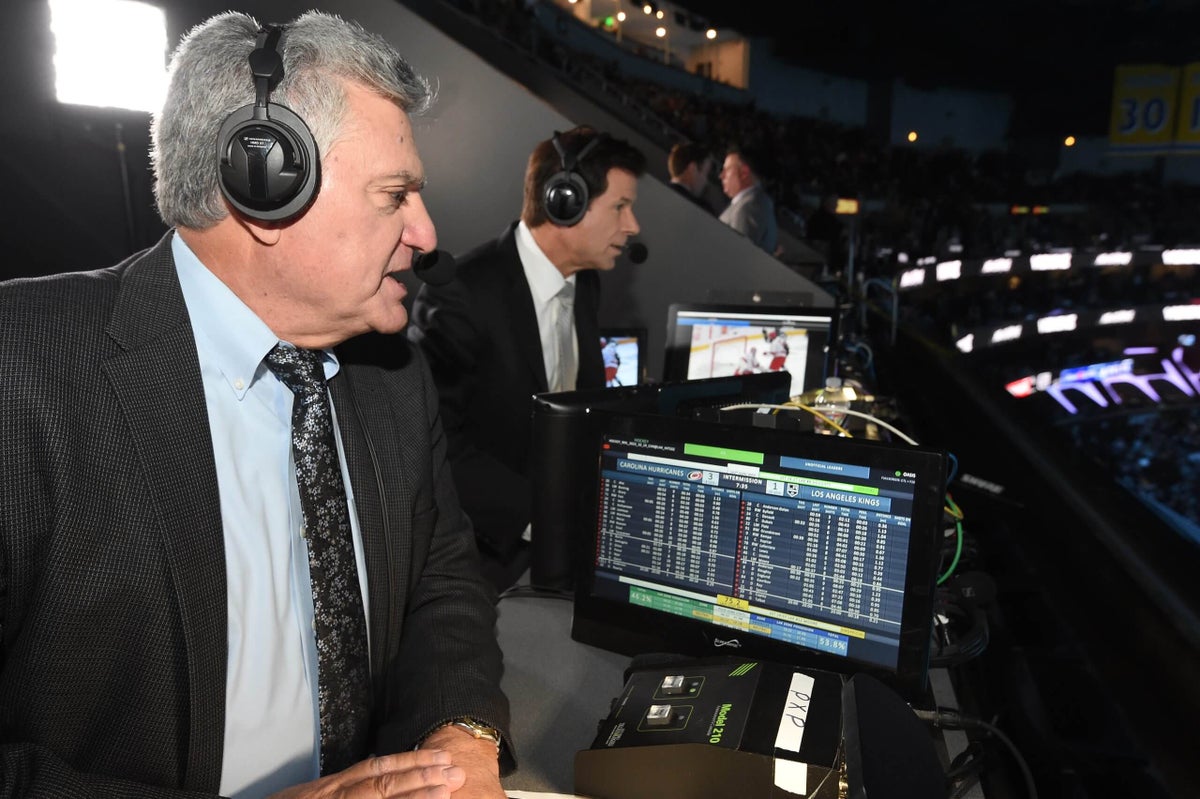
When the Columbus Blue Jackets parted ways with longtime radio play-by-play voice Bob McElligott last week, the phone calls and text messages started coming fast and furious.Former players and coaches, the ones McElligott worked with directly through his 25-plus years in broadcasting in the NHL and in the minor leagues, made their feelings known. Most of them were outraged and angered by the club’s decision. But the messages that really hit home came from people McElligott has never met, mostly on social media and comment sections, but also in public.“People like to say that radio is dying, or it’s going away,” McElligott told The Athletic. “But tell that to the people I’ve heard from over the last week or so since I was let go.“I heard from so many people who said, ‘I listened to you while I drove my kid back and forth from hockey practice.’ Or, ‘I had you on all the time while I was working second or third shift at the plant.’ It was people who love the Blue Jackets, but can’t always watch the games on TV.”The Blue Jackets tucked the news of McElligott’s departure into a larger announcement that they will begin simulcasting their TV broadcast on the radio this season, “allowing fans to experience the same live-game coverage” on radio as TV.Despite the positive spin of the press release, it’s another blow to a radio industry that, like other long-held media avenues, has taken its share of hits in recent years. And those in the business worry the Blue Jackets’ decision may give other organizations the justification to make the same move.The Blue Jackets are the fifth NHL club — joining the Buffalo Sabres, Carolina Hurricanes, Dallas Stars and St. Louis Blues — to simulcast their TV broadcasts over radio. For the past several seasons, the Toronto Maple Leafs’ radio crew has called road games from a studio in Toronto.Will more NHL teams de-emphasize radio-specific broadcasts in the years to come?“I am concerned,” said Hall of Fame broadcaster Marty Brennaman, who spent 46 years behind the microphone with the Cincinnati Reds but also did extensive TV work and called Atlantic Coast Conference basketball games. “Teams are looking for any way they can find now to save money, and if they can eliminate an entire broadcasting crew and go with one, that’s the way it’s going to be. The result is a bunch of people losing their jobs, which really bothers me.“I’ve had people say to me, ‘Well, it’s not a trend yet.’ And I say, ‘It’s coming.’ Teams are going to decide which of their broadcast teams are most successful and they’re going to go with one and eliminate the other.”That’s not necessarily how teams see it. Last year, the Blues made the surprising decision to part ways with longtime TV voice John Kelly and move to a simulcast, and while business CEO Chris Zimmerman said finances did play a part in the decision, he also said money was not the only factor.
Is NHL hockey on the radio a dying art? Veteran broadcasters worry about its future
Five teams now have gone to a radio-TV simulcast. What's behind the change, and what are listeners missing?
1,421 words~6 min read