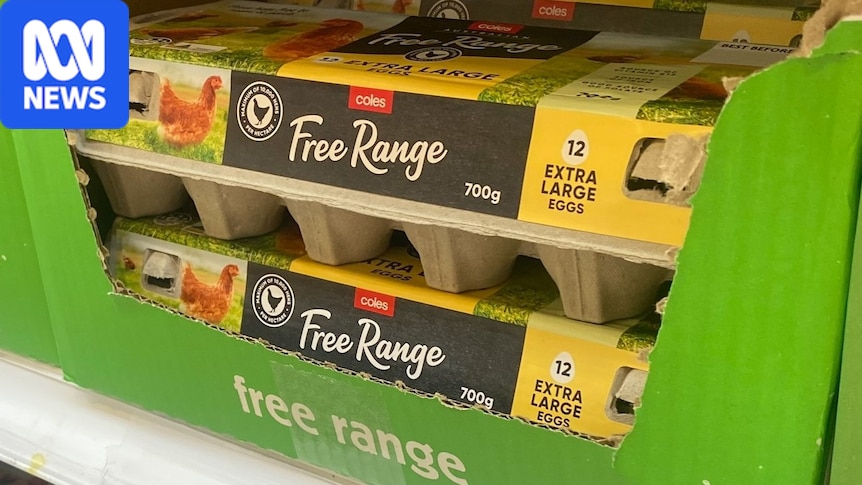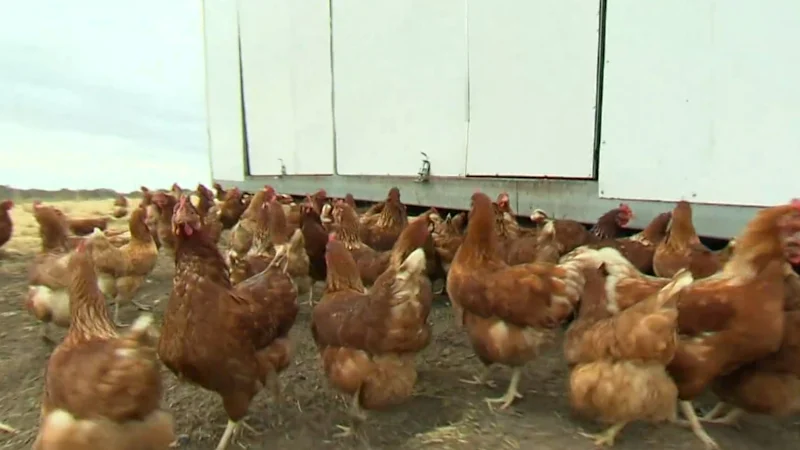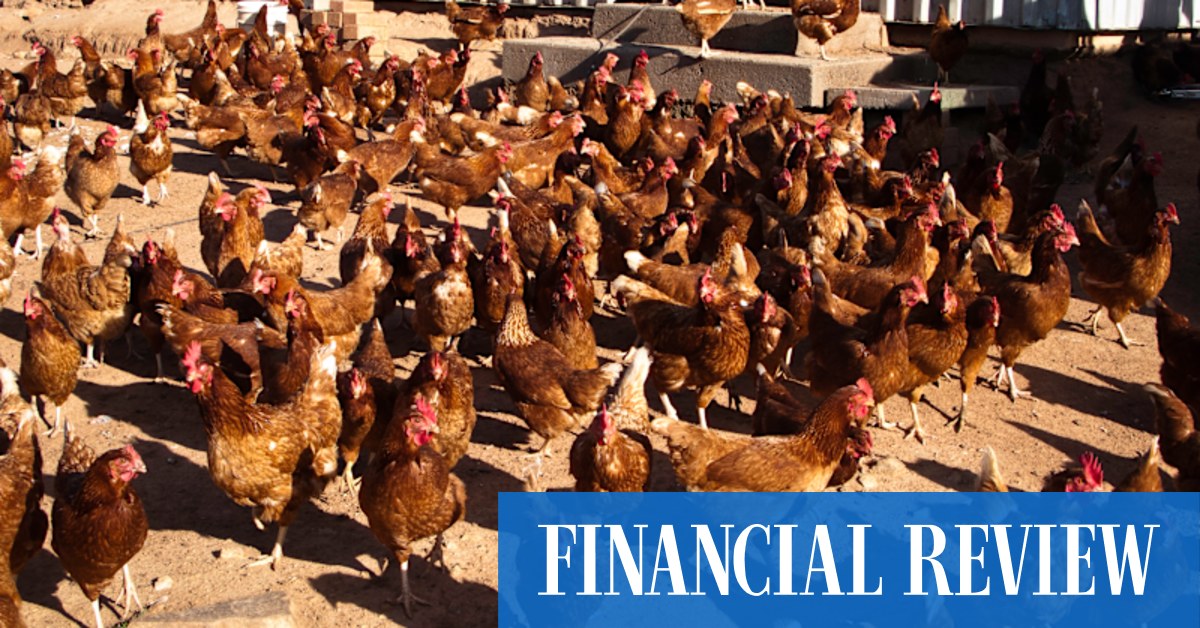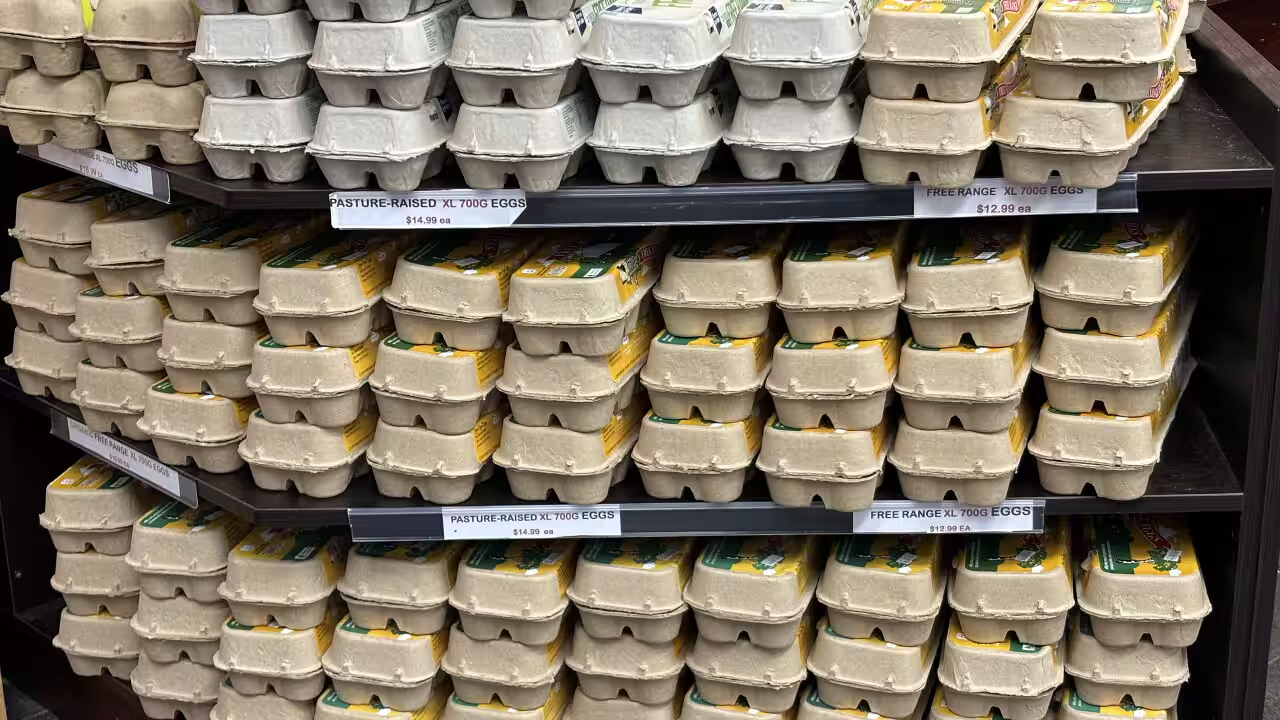
IN BRIEFBiosecurity measures are causing free-range poultry farms to move to barn-produced production.There are 78 confirmed cases of H5 AI in Australia at present, with 58 being involved in a mass casualty event in Baudin Rocks.The egg industry has so far remained unaffected by the H5N1 avian influenza (bird flu) outbreak; however, precautionary measures to limit the spread of the virus could drastically reduce free-range egg production.The recent H5N1 outbreak in South Australia has sparked widespread concern for the health and safety of not only the wild bird population but also commercial farming.Australian Eggs managing director Rowan McMonnies said the industry is "facing up to a riskier operating environment for the foreseeable future"."Transmission between Australian wildlife indicates H5 avian influenza is established and is here to stay in the medium term," he said.News that makes senseYour trusted source for staying up-to-date with the world around you. Get free daily news updates and analysis, straight to your inbox.McMonnies said whilst eradication "seems unlikely", the industry has been preparing for an outbreak of this type for several years."Important actions are being taken to address the risks. Strict biosecurity is being maintained with enhanced measures to deter wild birds and limit crossover into egg farms," he said."The industry has also worked closely with authorities to improve response processes based on overseas learnings so that where farms are impacted, they can bounce back faster, limiting any impact on egg supply."Since 2018, the Australian Competition and Consumer Commission (ACCC) has enforced the standard that for an egg product to be considered free range it must be laid by hens that have meaningful and regular access to outdoor range during daylight, are able to roam and forage in a stocking density of 10,000 hens or less per hectare, and that the density be displayed on produced products.However, as of July, the ACCC confirmed it won’t take enforcement action for breaches of free-range egg labelling standards due to farms choosing to house birds inside for biosecurity reasons.'Confine birds to sheds'Limiting free-range environments is a biosecurity measure many chicken farms are using."The advice is to confine birds to sheds," microbiologist and food safety expert Associate Professor Julian Cox told SBS News."Birds of free-ranging pick up the virus and interact — potentially spreading it to noncommercial species .... or wild birds in the vicinity could bring it into commercial poultry that are free-ranging," he explained.Cox said it’s a measure anyone who owns and cares for poultry should consider."If you've got some kind of coop, lock them in the coop. It’s for their own good."Australian egg farms are having to limit free-range farming and turn to barn-laid production in the wake of the H5 AI outbreak. Source: SIPA USA / Yevgeny YepanchintsevWhat could an outbreak mean for food safety and security?Cox, who also serves as the scientific director of the Food Safety Information Council, said if an outbreak does occur in a commercial facility, there are processes that would be implemented to restrict its impact."If we start to see any sign of illness in birds .... what is likely to happen is that that flock will be destroyed, the birds will be culled," he said.If an outbreak occurs in a region with many commercial facilities, Cox said it’s likely all birds in the "entire area" will be culled.He said it’s a similar method to a "firebreak for bushfires".Cox said that if a major outbreak were to occur, the "worst-case scenario" would be that thousands of birds would be culled, causing a significant supply drop in meat and eggs."Cleaning and restocking can take some weeks ... four to five months before flocks are replaced and producing eggs – minimum for six weeks for meat chickens," he said."There would be a lag in the market before we got back to the normal level of production, and that relies on the confidence that all traces of the virus are gone."As Australia faces potential further outbreaks of bird flu, Cox reiterates that poultry meat and eggs are safe for human consumption."Ingesting food is not a mechanism for transmission ... it’s really about interacting with live animals," he said."Our food chain is so long from primary production through to purchase and consumption that it’s likely that any [sick] flocks of egg-producing birds or meat birds are going to be culled before they get anywhere near the consumer."We’re simply just not going to see the flu coming into our households through the purchasing of food."For the latest from SBS News, download our app and subscribe to our newsletter.
'Free-range' eggs could face existential threat amid bird flu warning
Free-range farming was known as the ethical alternative. Now, experts say confining birds to barns is "for their own good".
752 words~3 min read