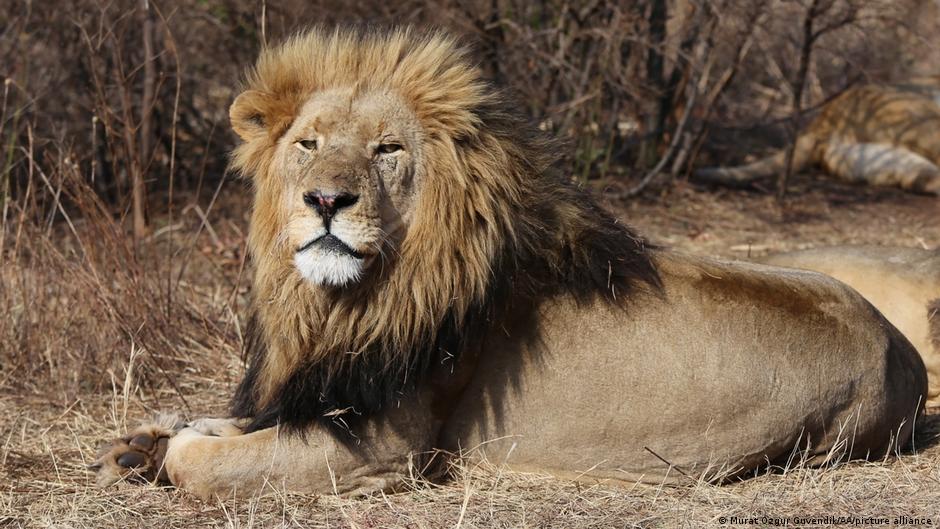
Three lions at a Tokyo zoo died within a week of suspected heat stress, as extreme temperatures sweep across Japan and other parts of East Asia.The Tama Zoological Park, located in Hino city in the greater Tokyo metropolis, closed its lion exhibit in late July when several of their big cats started showing health problems including loss of appetite and fatigue, the zoo said in a news release.Their symptoms coincided with a heat wave that had begun earlier in the month, as a "Super El Niño" weather event gains momentum and raises global temperatures.The zoo tried to cool down the affected lions with water sprays and industrial fans, as well as delivering intravenous fluids and medication, it said.A total of ten lions received treatment -- but a three-year-old female lion, Mugi, died on July 28. Three days later, 11-year-old female Ichigo died; then on Sunday, 15-year-old female Luena.While autopsies will determine an official cause of death, the three lions all showed signs of dehydration and multiple organ failure, suggesting heat stress was a factor. Four remaining lions are recovering, but three others are still unwell and undergoing treatment, the zoo said.Japan has endured a punishing stretch of heat. Temperatures reached at least 40 degrees Celsius for five consecutive days in some areas in late July, the country's longest such streak on record, and heatstroke alerts have repeatedly covered large portions of the country.The country's weather agency even introduced a new designation this summer for days that reach 40 degrees Celsius, translating roughly to "cruelly hot day".One hard-hit location is Kumamoto Prefecture -- which was rocked by a deadly earthquake last week, and experienced its highest temperature on record on Monday. The heat now poses an additional danger to residents still shaken by the quake, many of whom are sleeping in their cars after their homes were damaged or destroyed.One woman in her 70s died in her car of suspected heat stroke, officials said Monday, according to public broadcaster NHK. More than 8,500 people are still at emergency shelters, and 45,000 households currently have no water, making it harder to escape the heat.Although temperatures will fluctuate in the coming days, there is no widespread or lasting break from the heat in sight, with highs well into the 30s Celsius expected across much of Japan.The heat has claimed the lives of lions elsewhere in Asia this year too. Eight Asiatic lion cubs at a sanctuary in India's Gujarat state died from extreme heat, not from an infection as previously suspected, officials said in June, according to CNN affiliate CNN News-18.Record heat in South KoreaOther parts of East Asia are sweltering too this week.South Korea is in the grip of a historic and deadly heat wave. Yangsan, in the country's southeast, reached 42.5 degrees Celsius on Sunday, the highest temperature recorded nationally in 122 years of observations.The country's weather agency issued its highest-level heat warning for parts of Seoul and neighboring Gyeonggi Province for the first time Monday since the new alert system was introduced in June, while the same level of warning remained in effect across parts of the south. Sundown brings little relief; authorities expect stifling "tropical nights" to stay above 25 degrees Celsius through much of the week.The heat has also caused mass losses of livestock since late May, with more than 493,000 animals having died, including pigs, poultry, and fish, according to South Korean authorities. More than 2000 people have suffered heat-related illnesses during that time, with 16 deaths so far.This comes as a "Super El Niño" continues to build in the tropical Pacific Ocean - a periodic weather cycle that's expected to be one of the strongest on record, with potentially dire implications for extreme weather events worldwide.It's expected to strengthen rapidly in the coming months, increasing the likelihood of "above-normal temperatures across much of the world," the World Meteorological Organization warned last week.Forecasters also expect rising ocean temperatures, with huge amounts of heat traveling from the water to the atmosphere. It could cause flooding in some regions and drought in others, along with heat waves and other damaging impacts.- CNN
Three lions die in Tokyo as record-breaking temperatures hit East Asia
Three lions at a Tokyo zoo died within a week of suspected heat stress, as extreme temperatures sweep across Japan and other parts of East Asia.
683 words~3 min read