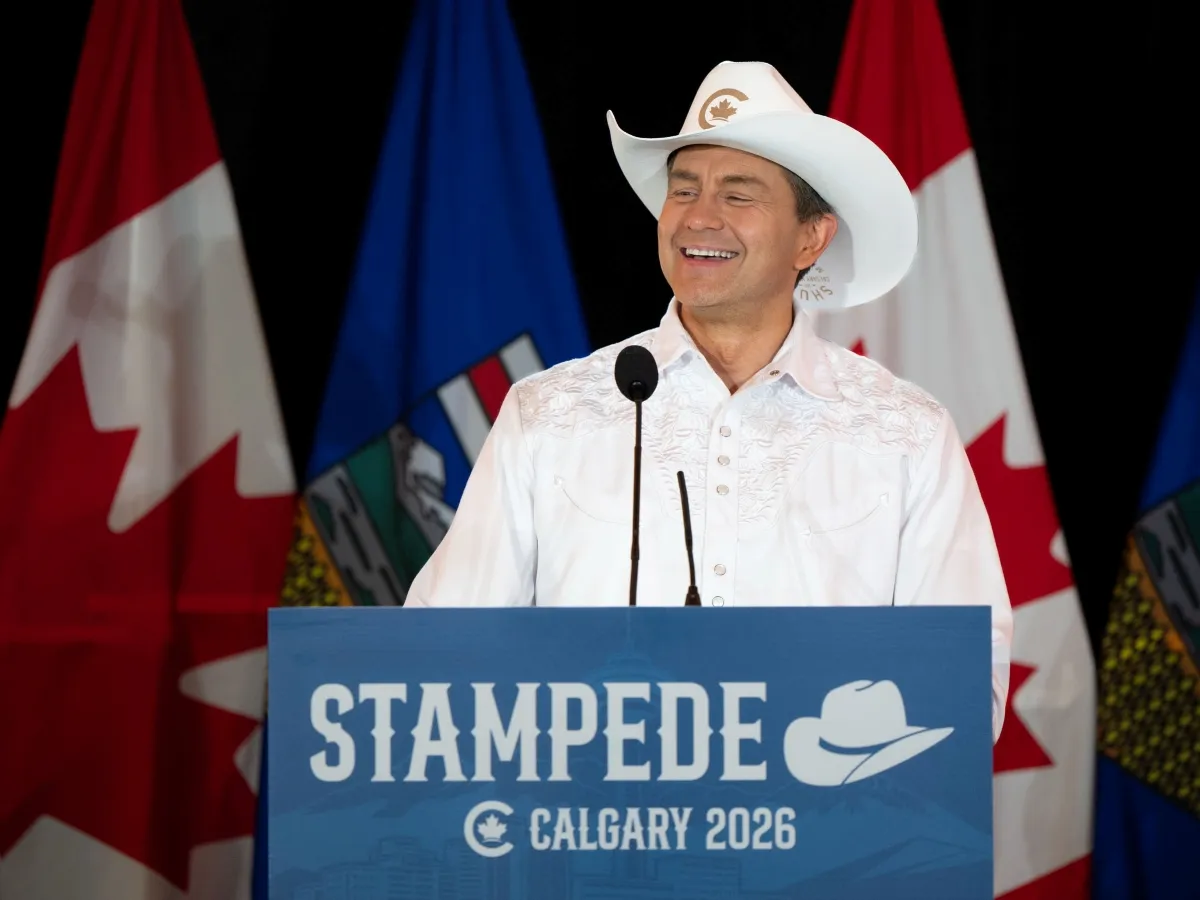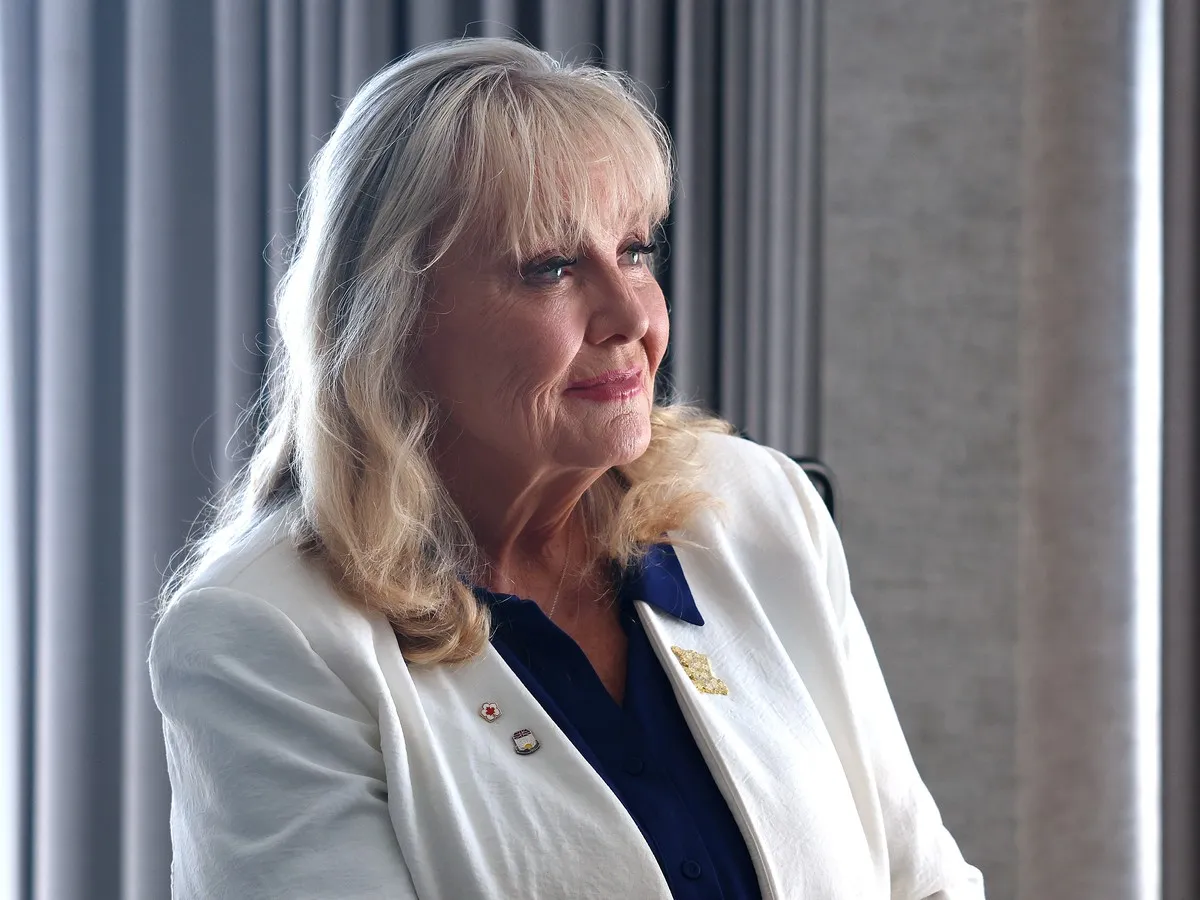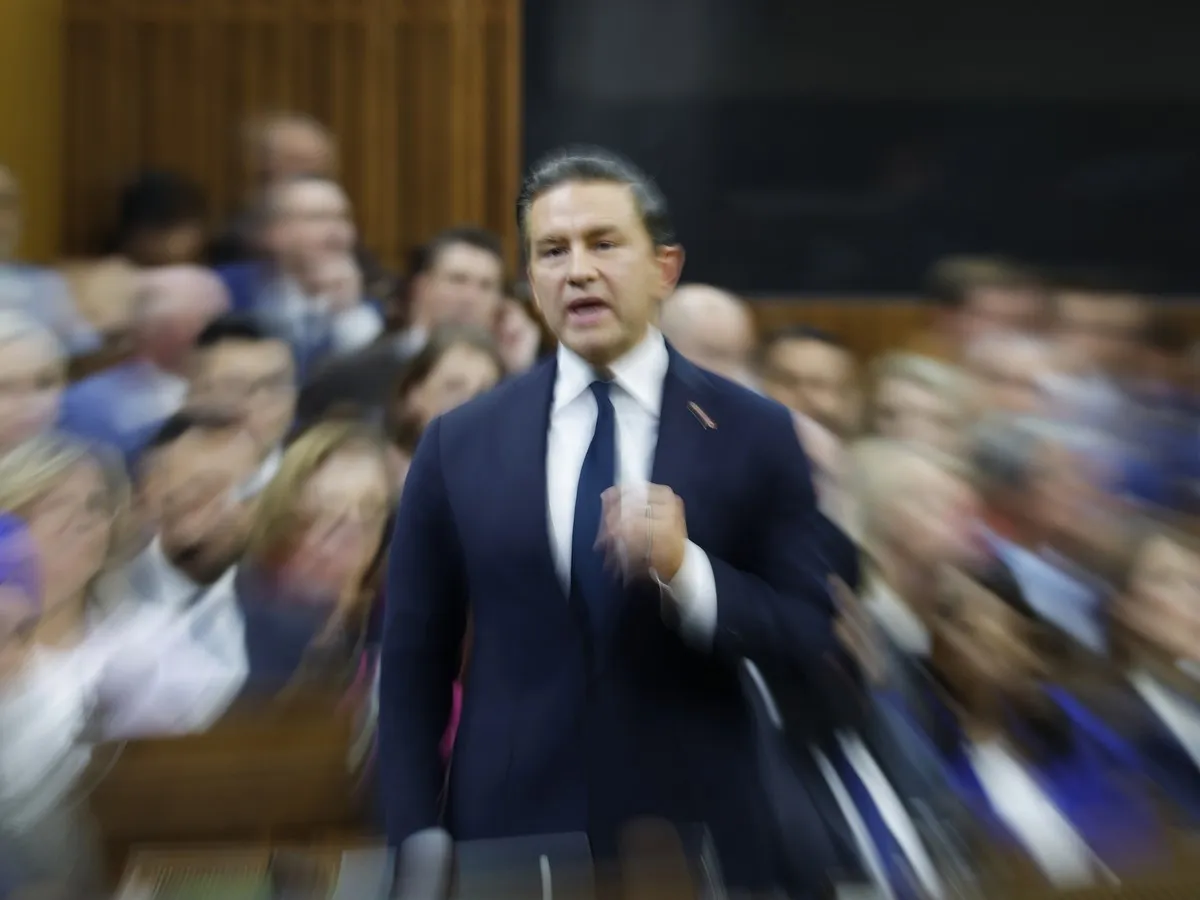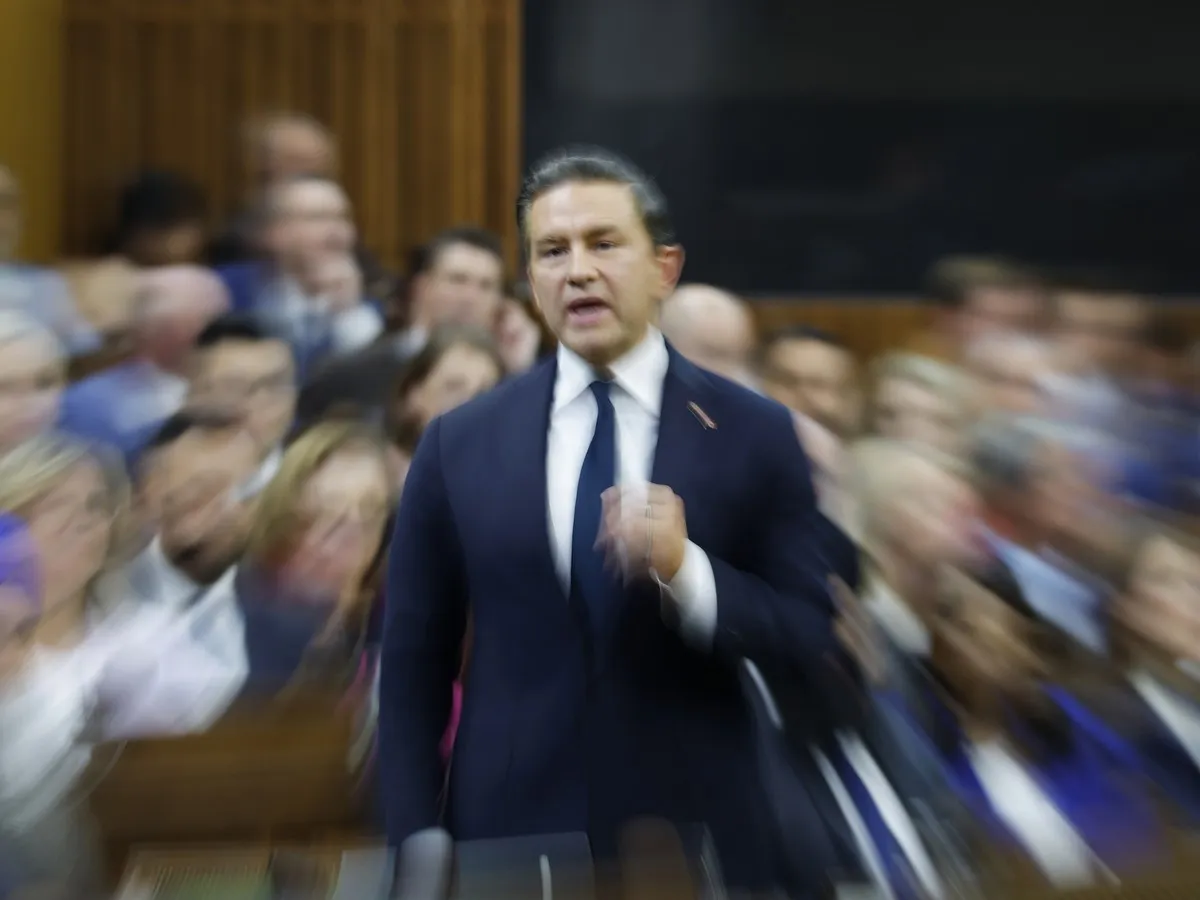
Skip to Content Subscribe Our Offers My Account Manage My Subscriptions FAQ Newsletters Canada Canadian True Crime Canadian Politics Health World Israel & Middle East Financial Post NP Comment Longreads Puzzmo Diversions Comics NP News Quiz New York Times Crossword Horoscopes Life Eating & Drinking Style Sponsored Play for Ontario Travel Travel Canada Travel USA Travel International Cruises Travel Essentials Culture Books Celebrity Movies Music Theatre Television Business Essentials Advice Lives Told Tails Told Shopping Buy Canadian Home Living Outdoor Living Kitchen & Dining Tech Style & Beauty Personal Care Entertainment & Hobbies Gift Guide Travel Guide Amazon Prime Day Deals Savings National Post Store More Sports Hockey Baseball Basketball Football Soccer Golf Tennis Driving Vehicle Research Reviews News Gear Guide Obituaries Place an Obituary Place an In Memoriam Classifieds Place an Ad Celebrations Working Business Ads Archives Healthing Epaper Manage Print Subscription Profile Settings My Subscriptions Saved Articles My Offers Newsletters Customer Service FAQ Newsletters Canada World Financial Post NP Comment Longreads Puzzmo Diversions Life Shopping Epaper Manage Print Subscription HomeCanadaCanadian PoliticsTalk of Conservative 'infighting' misses the bigger story: the party is messily reinventing itselfThe quarrelling hasn't quite reached Trojan War levels, but it has attracted exasperating headlines for the partyLast updated 18 minutes ago You can save this article by registering for free here. Or sign-in if you have an account.Conservative Party of Canada leader Pierre Poilievre speaks during Question Period in the House of Commons on Parliament Hill in Ottawa June 3, 2026. Photo by Blair Gable /PostmediaOTTAWA — Some Harper-era Conservatives might watch The Odyssey blockbuster this summer and find themselves sympathizing with the tale of a battle-weary warrior returning to a home that is no longer familiar to him.Enjoy the latest local, national and international news.Exclusive articles by Conrad Black, Barbara Kay and others. Plus, special edition NP Platformed and First Reading newsletters and virtual events.Unlimited online access to National Post.National Post ePaper, an electronic replica of the print edition to view on any device, share and comment on.Daily puzzles including the New York Times Crossword.Support local journalism.Enjoy the latest local, national and international news.Exclusive articles by Conrad Black, Barbara Kay and others. Plus, special edition NP Platformed and First Reading newsletters and virtual events.Unlimited online access to National Post.National Post ePaper, an electronic replica of the print edition to view on any device, share and comment on.Daily puzzles including the New York Times Crossword.Support local journalism.Create an account or sign in to continue with your reading experience.Access articles from across Canada with one account.Share your thoughts and join the conversation in the comments.Enjoy additional articles per month.Get email updates from your favourite authors.Create an account or sign in to continue with your reading experience.Access articles from across Canada with one accountShare your thoughts and join the conversation in the commentsEnjoy additional articles per monthGet email updates from your favourite authorsSign In or Create an AccountorIt’s been accepted wisdom since he became party leader that Pierre Poilievre has reshaped the Conservatives into a very different coalition from the one his predecessors led. What’s more often missed, amid all the media feasting on squabbling this summer among various party factions, is that the Conservative party is undergoing the messy process of reinventing itself.The quarrelling hasn’t quite reached Trojan War levels, but it’s been flaring up in a way that has attracted exasperating headlines for the party, the most recent being a veiled and public dig by Poilievre at the party’s Calgary Stampede event against Ontario conservative powerbroker Kory Teneycke.What’s happening isn’t a sign of a threat to the party’s leadership or even a product of some built-in propensity for intellectual combat among conservatives, says Ken Boessenkool, who has worked on policy and strategy for former prime minister Stephen Harper, along with a host of other conservative leaders. It’s a symptom of the violently shifting ground beneath his party’s intellectual movement and voter base.“The shifting coalition, by definition, is going to require a shift in the ideas that we’re fighting about. So, it’s entirely unsurprising that we’re having these fights,” said Boessenkool.Under Poilievre, no longer is this the party of older men; it has been remade into a party of younger, more working-class Canadians.“Older men tend to be more established and want to fix things,” he said. “Younger men are angry and want to break things. So, we’re going from ‘fix things’ to ‘break things’ in a massive part of our coalition.”Angus Reid Institute polling last spring in the weeks after Mark Carney became Liberal leader on March 9, 2025 shows just how rapidly that change has happened. A poll on March 17, 2025 showed men over 55 preferring Conservatives by eight percentage points. Two weeks later, on March 31, the institute’s polling showed the same demographic preferring Carney’s Liberals by four points.Yet, even without those men, Poilievre’s Conservatives racked up the most votes in their history in the April election.“You can’t recognize that if you’re a Stephen Harper person like me. I don’t recognize the coalition that Pierre Poilievre has built,” Boessenkool said.With a populist message about driving out “gatekeepers” standing in the way of affordable housing, jobs and prosperity, Poilievre yanked the Conservative party in a new direction, pulling in younger voters who want to disrupt the status quo rather than preserve it. It’s a shift that most right-leaning parties across the western world have experienced in the last decade, in some form or another.Not only are the ideas fuelling the conservative movement changing, but the way they are communicated has also shifted dramatically. Poilievre has not only harnessed influencers to spread his message but also used their tactics.Boessenkool said it’s forced him to ponder whether any of the lessons the party learned in the Harper government can even be applied to the current environment.“I’ve had to think hard about how I participate in Conservative politics now, because the Harper formula isn’t the right formula right now,” he said. Conservative MP Michelle Rempel Garner speaks during question period in the House of Commons on June 18, 2026. Photo by Hyungcheol Park/Postmedia. Photo by HYUNGCHEOL PARK /PostmediaThe arguments within the conservative movement have also taken place online and in public, with even elected officials weighing in. Conservative MP Michelle Rempel Garner, in a long social media post last week, blamed the ongoing grief from the 2025 federal election for some of the infighting in her party.“Judging from the tone of the public discourse that has been taking place between some luminaries of Canada’s political right since the Liberals solidified their majority, not everyone is moving through the stages of grief of this loss on the same timeline,” she wrote.Rempel Garner doesn’t get into specifics, but there have been several public conflagrations among Tories since last year’s election.The first was the bunfight that erupted between Poilievre’s team and older-school Conservatives as the party failed to stop the Liberals under Carney from marching to a fourth term. Teneycke, a longtime adviser to Ontario Premier Doug Ford, publicly criticized Poilievre’s campaign during the election. That was followed by MP Jamil Jivani, a young Ontario firebrand, insulting Teneycke and Ford, accusing them of hyping up Carney’s Liberals.A new round erupted after the B.C. Conservative leadership race earlier this year, which saw Teneycke managing the bid of losing candidate Caroline Elliott, with Poilievre joking that the winner had beaten “liberal lobbyists from out east,” which most people took to mean Teneycke. A few days later, Elliott urged everyone to settle down and asked Poilievre to “unite” Canadian conservatives.Another simmering quarrel is on policy issues, with some younger conservatives pushing the party to take a hard line on cultural issues, such as immigration, while others want to stay focused on the party’s traditional devotion to small government and fiscal conservatism.Rempel Garner wrote that she understood the frayed nerves among Conservatives, but said it was extremely counter-productive for the party’s ultimate goal of winning elections.“And so, the wrong path for our movement to take after this loss is descending into yet another round of prolonged, grief-driven, frustrated and puerile inward tent pissing,” she wrote.Part of the problem for the party is that social media has all the squabbles happening in full view, where historically they might have played out in backrooms and Ottawa bars.Ben Woodfinden, Poilievre’s former director of communications, lamented what he described as a poorly timed post on X despairing about the “intellectual poverty” he sees in “all sorts of conservative camps and factions right now.” He regrets it, he wrote in a subsequent online post, “because it ended up being used across media as an example of online conservative infighting.”But Woodfinden went on to complain about another consequence of duelling in public on social media, which he called the “online-ification of conservative politics.” Not only can everyone now see the party’s fights, but they have taken on a more personal and heated tone, reflecting the online coliseum in which they are being fought.“Everyone knows social media rewards the dumb fight, the public airing of grievance, the dunk that clears a thousand likes,” he wrote. “This world sorts for engagement, not ideas.”Woodfinden described some of the extreme voices on the online right as “a cancer on the project of winning.”Others in the party are more bullish, but it’s hard to find anyone who thinks it will be easy.Harper kept his coalition together with a healthy combination of winning and compromise. For example, if social conservatives and fiscal conservatives sometimes found themselves at odds, they could agree on Harper’s plan for a generous tax credit for parents, which both lowered the tax burden and promoted families.“Talented leaders such as Brian Mulroney and Stephen Harper can hold it together for a while, but it is always a difficult balancing act,” said Tom Flanagan, a veteran insider of Harper’s election campaigns and a professor emeritus of political science at the University of Calgary.But Poilievre’s Conservatives have no hope of winning power any time soon, given that Carney has engineered a majority in the House largely by luring disheartened Conservatives to cross the floor.Now, Poilievre’s toughest challenge will be not letting internal dissent get out of hand. It might not be easy.“I’ve said, sort of tongue-in-cheek as a joke, about civil war being our favourite pastime,” said Dan Robertson, a former chief strategist for the Conservative party. “And, you know, there’s a little bit of truth to that.”stthomson@postmedia.com National PostOur website is the place for the latest breaking news, exclusive scoops, longreads and provocative commentary. Please bookmark nationalpost.com and sign up for our daily newsletter, Posted, here. Join the Conversation This website uses cookies to personalize your content (including ads), and allows us to analyze our traffic. Read more about cookies here. By continuing to use our site, you agree to our Terms of Use and Privacy Policy.
Talk of Conservative 'infighting' misses the bigger story: the party is messily reinventing itself
For one longtime Tory, it’s another sign that the ground beneath his party’s intellectual movement is shifting violently.
1,793 words~8 min read