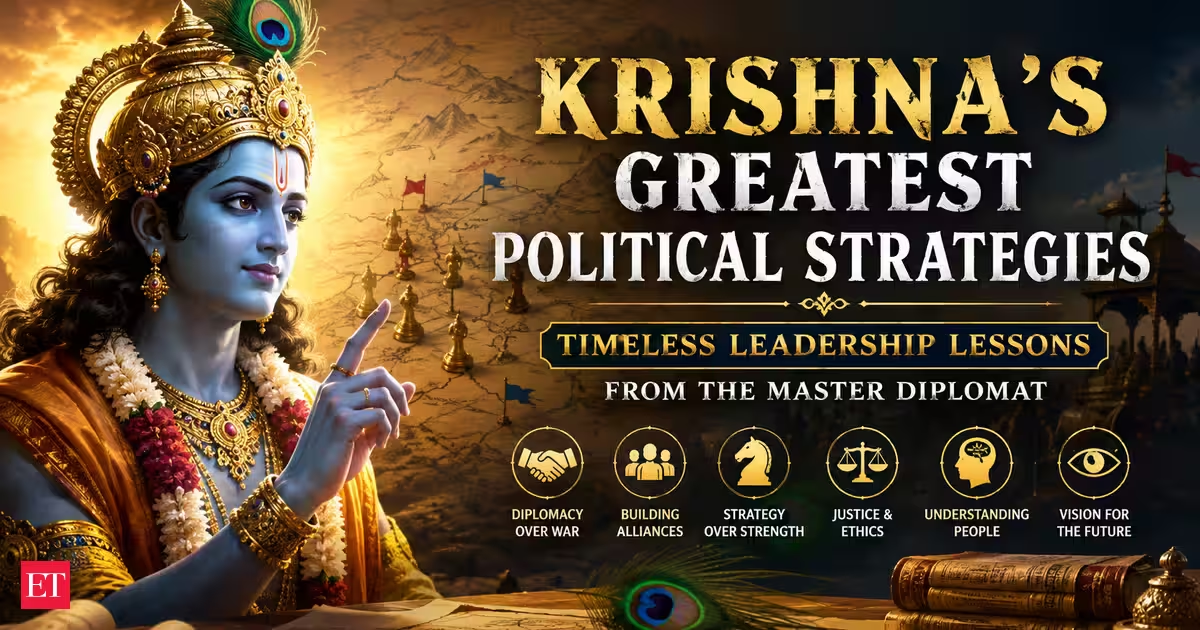
Politics is often associated with power, negotiation, and strategy. Yet, thousands of years before the modern world defined statecraft, Lord Krishna demonstrated extraordinary political wisdom that continues to fascinate historians, scholars, and spiritual seekers alike. While many know Krishna as the divine guide of the Bhagavad Gita, fewer recognize him as one of the greatest strategists in Indian history.From preventing unnecessary wars to forging powerful alliances and defeating formidable rulers through intelligence rather than brute force, Krishna's political decisions shaped the course of the Mahabharata and established principles of leadership that remain relevant today.Also Read: 7 Bhagavad Gita Teachings for Each Day of the Week That Can Transform Your Life InstantlyWhy Krishna Is Considered a Master StrategistLord Krishna never sought a kingdom for himself, nor did he fight for personal gain. His decisions were guided by dharma, the principle of righteousness and justice. Rather than pursuing power, Krishna used diplomacy, foresight, and ethical strategy to protect society from tyranny and restore balance. Unlike conventional rulers, Krishna believed that lasting peace required wisdom as much as strength.ET OnlineDiscover how Lord Krishna's diplomacy, ethical leadership, and strategic brilliance from the Mahabharata continue to inspire modern leaders and decision-makers (AI Image)1. Choosing Diplomacy Before WarOne of Krishna's greatest political moves came before the Kurukshetra War. Knowing the devastating consequences of conflict, he personally visited the Kaurava court as a peace messenger. Krishna proposed a compromise that would have prevented one of history's greatest wars. The Pandavas were willing to settle for just five villages instead of claiming their entire kingdom. However, Duryodhana refused every peaceful proposal.Leadership LessonA wise leader always explores dialogue before confrontation. Krishna demonstrated that diplomacy is never a sign of weakness, it is often the highest form of strength.2. Building Powerful AlliancesKrishna understood that no kingdom succeeds in isolation. Throughout the Mahabharata, he encouraged alliances between kingdoms that shared common values and mutual trust. By helping the Pandavas strengthen relationships with influential rulers, Krishna ensured they had capable allies when conflict became unavoidable. This strategic coalition proved decisive during the Kurukshetra War.Modern RelevanceSuccessful organizations and nations thrive through collaboration, partnerships, and shared vision rather than standing alone.3. Winning Through Intelligence, Not NumbersThe Kauravas possessed one of the largest armies of the time. Despite being outnumbered, the Pandavas emerged victorious because of superior planning and strategy. Krishna repeatedly reminded the Pandavas that thoughtful planning outweighs numerical strength. Whether positioning warriors, anticipating opponents' moves, or advising Arjuna at critical moments, Krishna emphasized preparation over pride.Leadership LessonSmart strategy consistently outperforms raw power.4. The Decision That Changed the WarBefore the battle began, both Arjuna and Duryodhana sought Krishna's support.Krishna offered a remarkable choice:One side could have his vast Narayani Sena (army).The other could have Krishna himself, who vowed not to fight.Duryodhana immediately chose the army. Arjuna chose Krishna. History remembers which decision proved wiser. Krishna's presence, counsel, and strategic guidance became far more valuable than thousands of soldiers.Leadership InsightVisionary guidance often creates greater success than material resources alone.5. Knowing When Rules Must Serve JusticeOne of the most debated aspects of Krishna's political strategy is his willingness to adapt conventional rules when confronting injustice. Throughout the Mahabharata, Krishna advised actions that challenged rigid traditions when those traditions were being exploited by those acting without integrity. His guiding principle remained constant: rules exist to protect justice not to enable oppression. This continues to spark discussions among scholars about ethics, leadership, and governance.6. Understanding Human NatureKrishna possessed exceptional insight into people's personalities, strengths, weaknesses, ambitions, and fears.He knew:Bhishma's unwavering loyalty.Karna's inner conflict.Arjuna's emotional struggles.Duryodhana's pride.Shakuni's manipulative thinking.Rather than treating everyone the same, Krishna tailored his approach to each individual.Modern LeadershipGreat leaders understand people before attempting to influence them.7. Inspiring Instead of ControllingUnlike many rulers, Krishna rarely imposed decisions through authority. Instead, he inspired others to make wise choices. The Bhagavad Gita itself reflects this leadership style. Krishna patiently explained duty, courage, self-discipline, and purpose to Arjuna. Only after presenting his guidance did he leave the final decision to him. This respect for individual choice remains one of the greatest examples of transformational leadership.8. Long-Term Vision Over Short-Term VictoryKrishna never focused only on winning a battle. His larger objective was restoring balance, ensuring righteous governance, and creating conditions for lasting peace. Many of his decisions seemed unconventional in the moment but ultimately served a broader vision that extended far beyond the battlefield. This ability to think beyond immediate gains distinguishes truly exceptional leaders.What Modern Leaders Can Learn from KrishnaKrishna's political wisdom continues to offer valuable lessons for leaders in government, business, education, and everyday life.Communicate Before You Confront: Dialogue often resolves conflicts more effectively than aggression.Build Relationships: Strong alliances create resilience during challenging times.Think Strategically: Planning and preparation matter more than reacting emotionally.Lead with Ethics: Power without integrity eventually destroys itself.Understand People: Empathy and emotional intelligence are essential for effective leadership.Stay Focused on the Bigger Picture: Short-term success should never come at the cost of long-term values.Why Krishna's Political Wisdom Remains Relevant TodayIn today's world of rapid change, geopolitical tensions, and organizational challenges, Krishna's approach to leadership feels remarkably contemporary. His emphasis on diplomacy, ethical decision-making, emotional intelligence, and strategic foresight aligns closely with the qualities admired in modern leaders.Krishna showed that true leadership is not measured by dominance but by the ability to unite people, protect justice, and make decisions that benefit society as a whole.As Janmashtami approaches, remembering Krishna solely as a divine figure overlooks another extraordinary aspect of his legacy: that of a visionary statesman whose political strategies continue to inspire leaders across generations. His life reminds us that wisdom, compassion, and strategic thinking can achieve what force alone never can.Disclaimer Statement: This content is authored by a 3rd party. The views expressed here are that of the respective authors/ entities and do not represent the views of Economic Times (ET). ET does not guarantee, vouch for or endorse any of its contents nor is responsible for them in any manner whatsoever. Please take all steps necessary to ascertain that any information and content provided is correct, updated, and verified. ET hereby disclaims any and all warranties, express or implied, relating to the report and any content therein.
Shri Krishna's Greatest Political Strategies: Timeless Leadership Lessons from the Master Diplomat
Explore Lord Krishna's greatest political strategies from the Mahabharata and discover timeless lessons on diplomacy, leadership, ethics, and statecraft.
1,023 words~5 min read