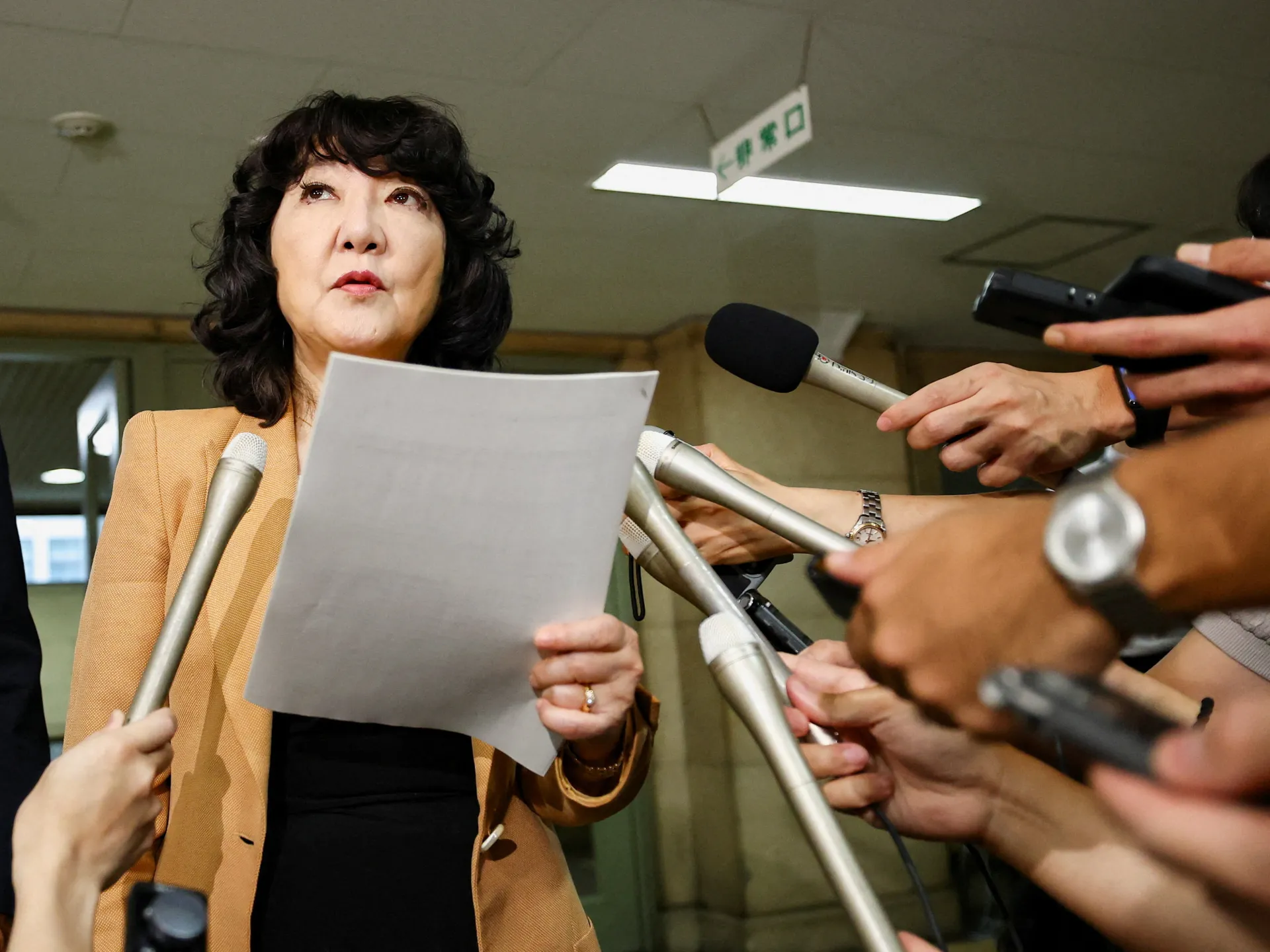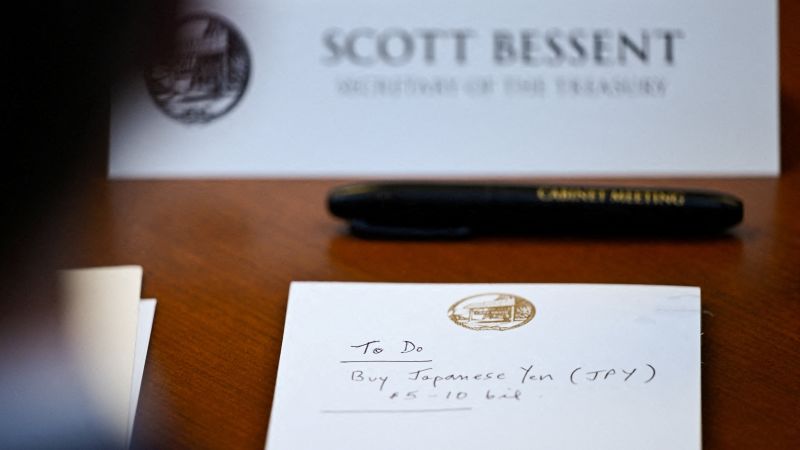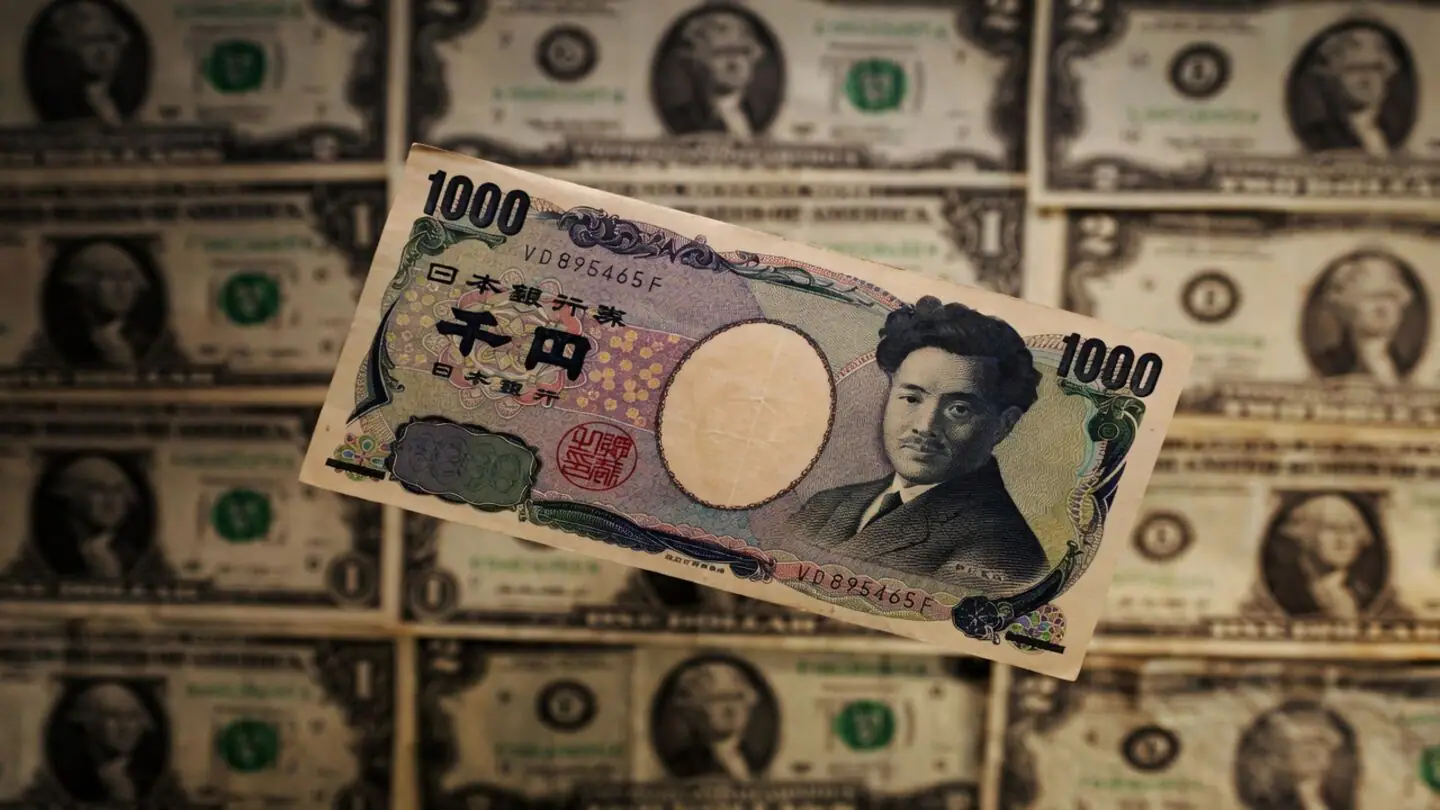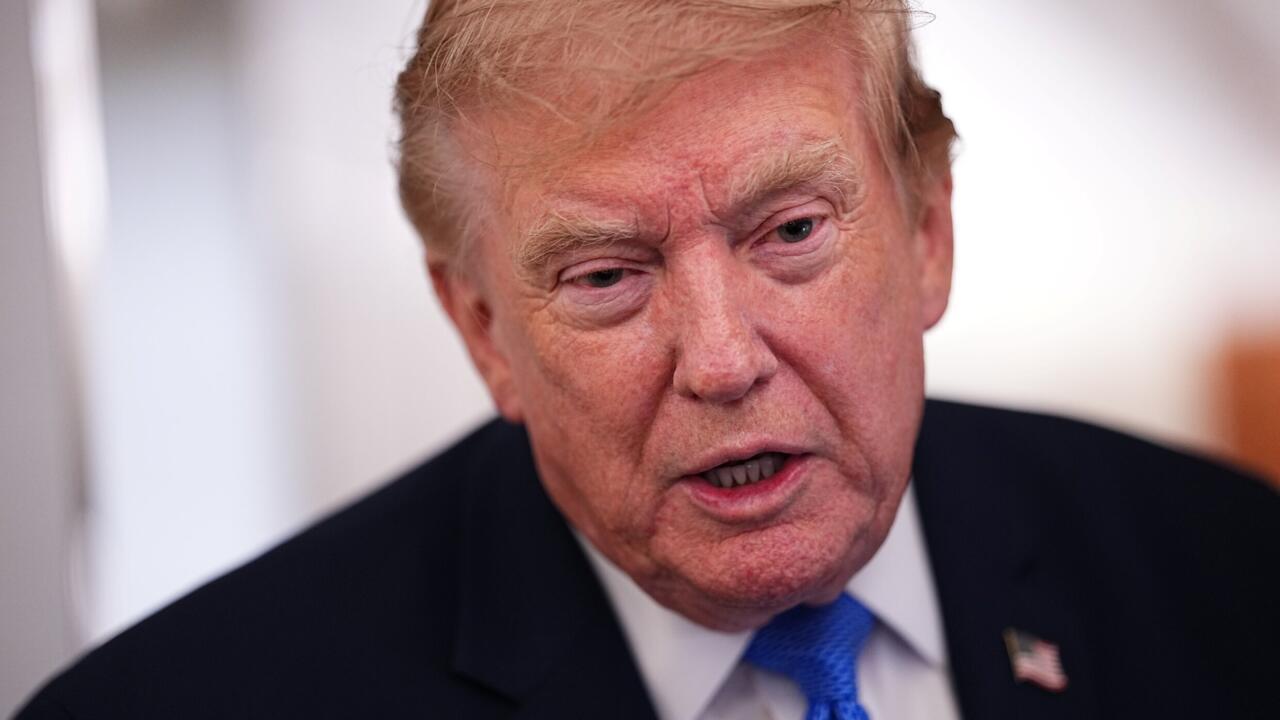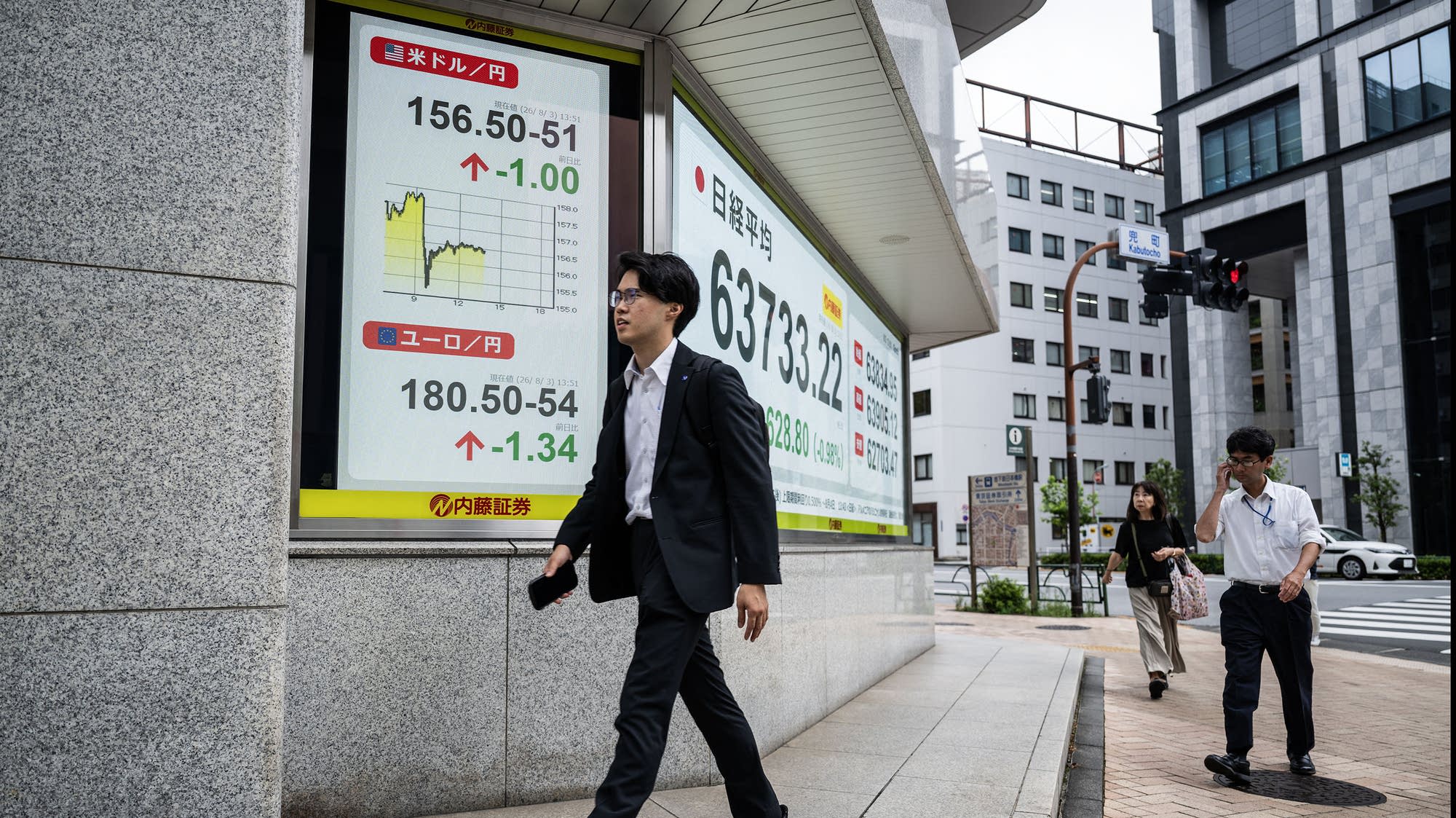
Why a weaker dollar suits US president Trump (Photo credit: Reuters)The US has taken the extraordinary step of helping Japan pull the yen back from a four-decade low, signalling that Washington sees the currency’s collapse as more than Tokyo’s economic problem.The joint intervention drove the yen from nearly 164 against the dollar last month to around 155.20 on Monday before it settled near 157. Japan may have spent as much as $36.58 billion buying yen during Friday’s operation, according to central bank data cited by Reuters. The US Treasury reportedly sold euros, not dollars, to purchase yen.This was the first coordinated US-Japan currency intervention since the aftermath of Japan’s devastating earthquake and tsunami in 2011. More importantly, it was the first joint attempt in almost three decades to strengthen, rather than weaken, the yen.The operation may have been presented as assistance to a trusted ally. But Washington is also protecting US Treasury markets, American exporters and the wider Asian financial system.Catch up quickThe dollar had climbed above 163 yen, its strongest level against the Japanese currency in about 40 years, before suspicions of official intervention pushed it below 160 late last week.After both governments acknowledged the operation, the dollar briefly fell to nearly 155.20 yen. In currency markets, where daily movements are generally measured in fractions, that was a dramatic correction.Japanese finance minister Satsuki Katayama confirmed that Tokyo had bought yen in coordination with the US Treasury Department."We will not hesitate to conduct further joint intervention," she said.President Donald Trump described the decision as help for an important ally. "We have a good relationship with Japan. We’re very strong — very, very strong financially and they are, you know, they have a weakening yen, and they wanted a little bit of help, and we’re always there for Japan. Japan’s been very good to us, with the exception, of course, of Pearl Harbor." Trump said the US received a "financial benefit" from the operation and called it a "signal of friendship." "It’s also good for the world economy," he added.The public acknowledgment itself was unusual. Currency interventions are often kept deliberately opaque so that traders remain uncertain about it.US has taken the extraordinary step of helping after Japan interest rates remain well below peers.Why it matters: Japan’s Treasury threatThe most immediate US concern is not the exchange rate alone. It is what Japan might need to sell to defend it.Japan is the largest foreign holder of US government debt, owning more than $1.1 trillion in Treasuries. Its overall portfolio of US Treasuries, equities and other assets is close to $3 trillion, according to the New York Times. That includes nearly $1.2 trillion in American equities and more than $300 billion in corporate debt.To buy yen, Tokyo ordinarily obtains dollars from its foreign-exchange reserves, which include huge holdings of US government bonds. If repeated intervention forced Japan to unload Treasuries on a large scale, bond prices could fall and yields could rise.That would translate into higher borrowing costs for the US government at a time when long-term Treasury yields are already under pressure from inflation concerns. The New York Times noted that the 30-year Treasury yield recently reached its highest level since 2007."For Washington, supporting the yen is relatively low-cost insurance," Moody’s Analytics economist John Bromhead wrote in a note cited by the New York Times.Washington is therefore helping Japan avoid—or at least limit—a potentially destabilising liquidation of US debt. The Federal Reserve’s standing repo facility for foreign monetary authorities provides another line of defence: Japan can temporarily exchange Treasury securities for dollars instead of selling those bonds outright. The Fed says the facility was designed partly to prevent foreign demand for dollar liquidity from disrupting US financial markets.Treasury Secretary Scott Bessent has indicated that Washington could consider expanding access to that backstop in the coming months.Between the lines: A weaker dollar suits TrumpThe intervention also fits Trump’s longstanding concern that an excessively strong dollar puts American companies at a disadvantage.A weak yen makes Japanese products cheaper in dollar terms, helping Japan’s manufacturers compete in the US. At the same time, American machinery, agricultural products and other exports become more expensive for Japanese buyers.The imbalance is substantial. The US imported about $146 billion in goods from Japan last year while exporting roughly $82 billion, according to US trade data cited by the New York Times.A stronger yen makes US products more competitive in Japan. It also reduces some of the price advantage enjoyed by Japanese exporters, particularly in sectors such as automobiles and industrial equipment."It’s very rare that the Americans will work with the Japanese on this, but there is an alignment of interests here basically between Japan and America," Astris Advisory Japan strategist Neil Newman told the Associated Press.The Financial Times framed the move as the emergence of a more interventionist US currency policy under Bessent. His willingness to attack a market trade that conflicts with Washington’s interests has forced investors to consider whether the Treasury might act elsewhere."The US Treasury’s arrival marks a new sheriff in town, warning speculators away from selling the yen," ING’s global head of markets Chris Turner told the FT, saying it "marks a return to an age of FX activism" .A weak yen makes Japanese products cheaper in dollar terms.The big picture: Containing an Asian chain reactionThe yen is not a peripheral currency. It is the world’s third most traded currency after the dollar and euro, according to Bank for International Settlements data cited by the New York Times.Its sharp depreciation can drag down currencies such as the South Korean won as investors reassess the competitiveness of Asian exporters. Governments across the region may then have to spend dollar reserves to support their currencies.That creates two dangers for Washington. Asian central banks might sell US Treasuries to raise dollars, pushing American yields higher. Competitive currency depreciation could also make Asian exports cheaper in the US, blunting the impact of Trump’s tariffs.The US intervention is consequently aimed at preventing a Japanese currency crisis from turning into a regional rush for dollars and a broader sell-off in US bonds.There is a geopolitical dimension as well. Japan is a central US ally in Asia and an important part of Washington’s strategic architecture for balancing China. A currency-driven cost-of-living crisis could weaken Prime Minister Sanae Takaichi’s government and complicate economic and security cooperation.Oxford Economics’ Shigeto Nagai called the move a "low-cost" favour to an ally that simultaneously protects currency and bond-market stability.Reality check: Intervention buys time, not strengthThe joint action has made betting against the yen riskier. US participation adds far more credibility than another unilateral Japanese intervention, particularly after Tokyo’s previous efforts produced only temporary rallies.But neither government has removed the fundamental causes of yen weakness.The Bank of Japan’s benchmark rate is 1%, its highest in 31 years but still far below the Federal Reserve’s 3.5%-3.75% range. That gap encourages investors to borrow cheaply in yen and move money into higher-yielding dollar assets.Japan also imports most of its energy. Higher oil prices caused by the Iran war increase the country’s dollar bill, intensifying demand for foreign currency and worsening domestic inflation.At the same time, Takaichi is advocating heavier government spending and a reduction in the sales tax on food from 8% to 1%. Those policies could add to inflation and deepen concerns about a national debt already exceeding twice the size of Japan’s economy."If Japan wants a higher yen, it needs to address the monetary and fiscal policy concerns," former US Treasury official Mark Sobel told Reuters.The Bank of Japan is now under pressure to reinforce the intervention with another interest-rate increase, possibly as early as September. Yet raising rates too quickly could hurt growth, shake Japan’s bond market and make domestic assets more attractive than US securities, creating another potential headache for Washington."The yield differential remains wide, Japan’s energy-import burden remains significant, and the Bank of Japan is still moving more slowly than the market would normally require to generate a sustained currency reversal," SPI Asset Management’s Stephen Innes said in commentary cited by the Associated Press.The joint operation has changed the calculation for traders, but not the economic equation. Washington is helping Japan rescue the yen because the alternative: a weaker Asian currency, Treasury sell-offs, higher US borrowing costs and a stronger dollar, could prove far more costly for the United States.
Friendship with benefits: Why Trump is helping Japan rescue the yen
The US has taken the extraordinary step of helping Japan pull the yen back from a four-decade low, signalling that Washington sees the currency’s collapse as more than Tokyo’s economic problem.
1,386 words~6 min read