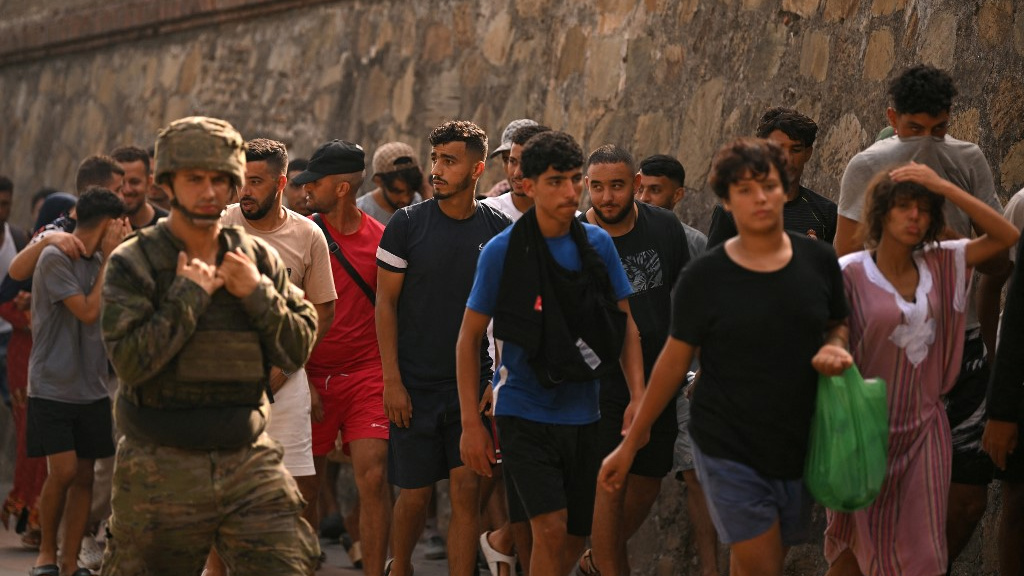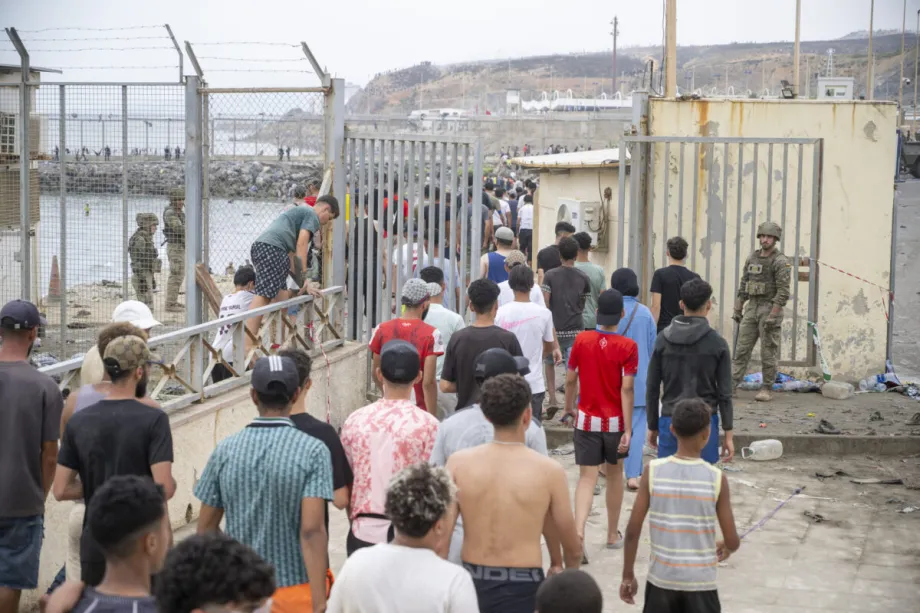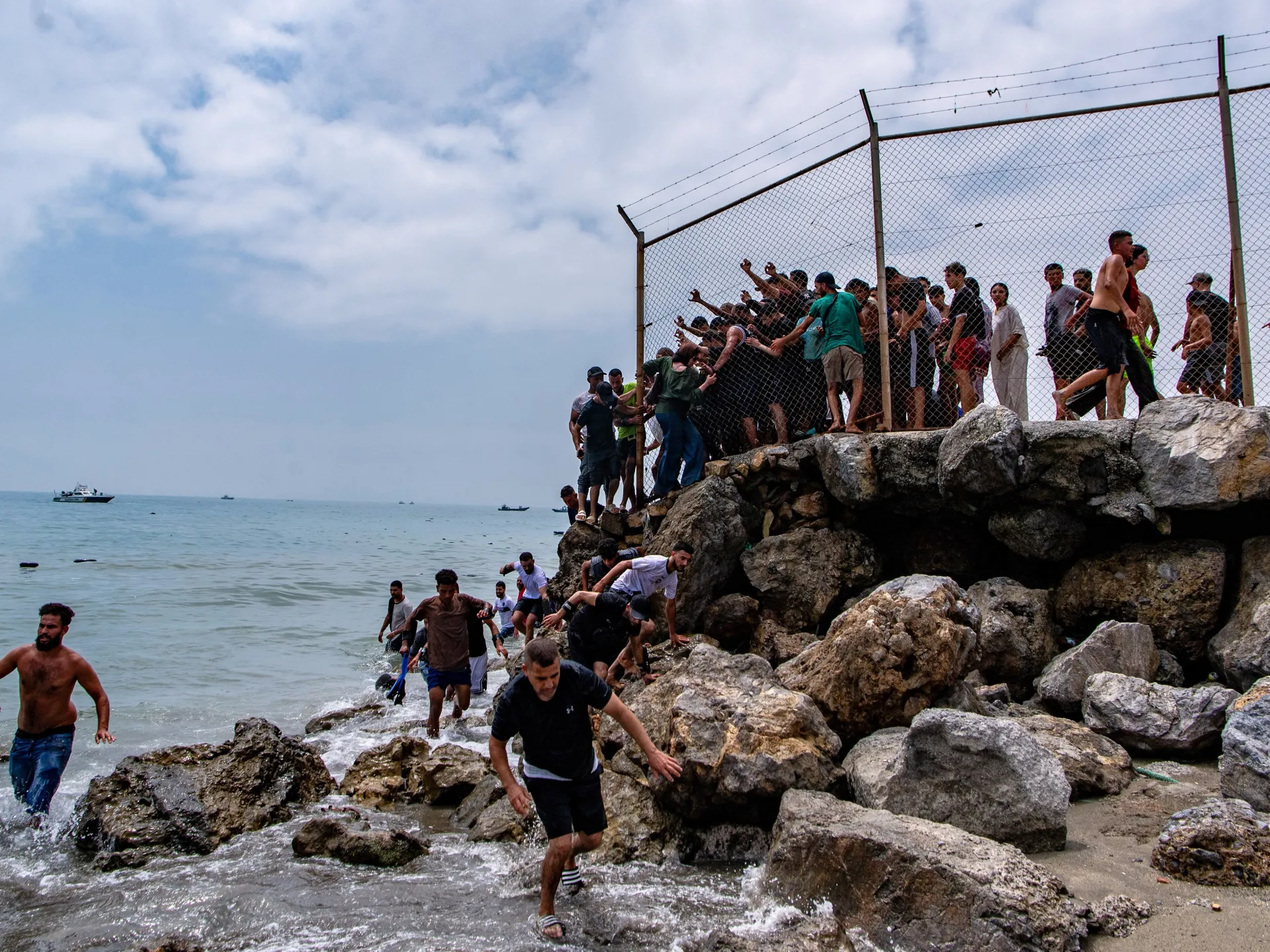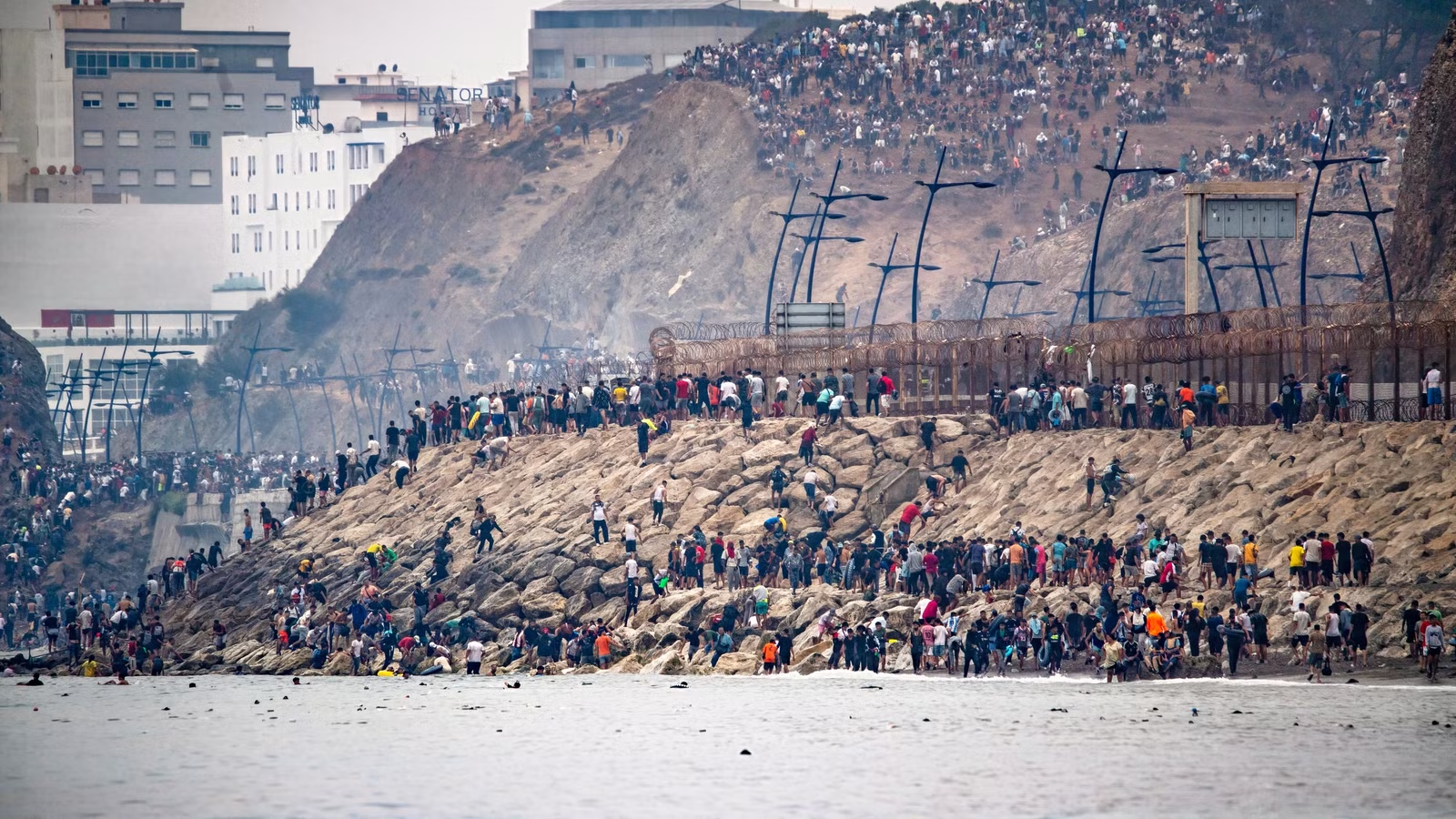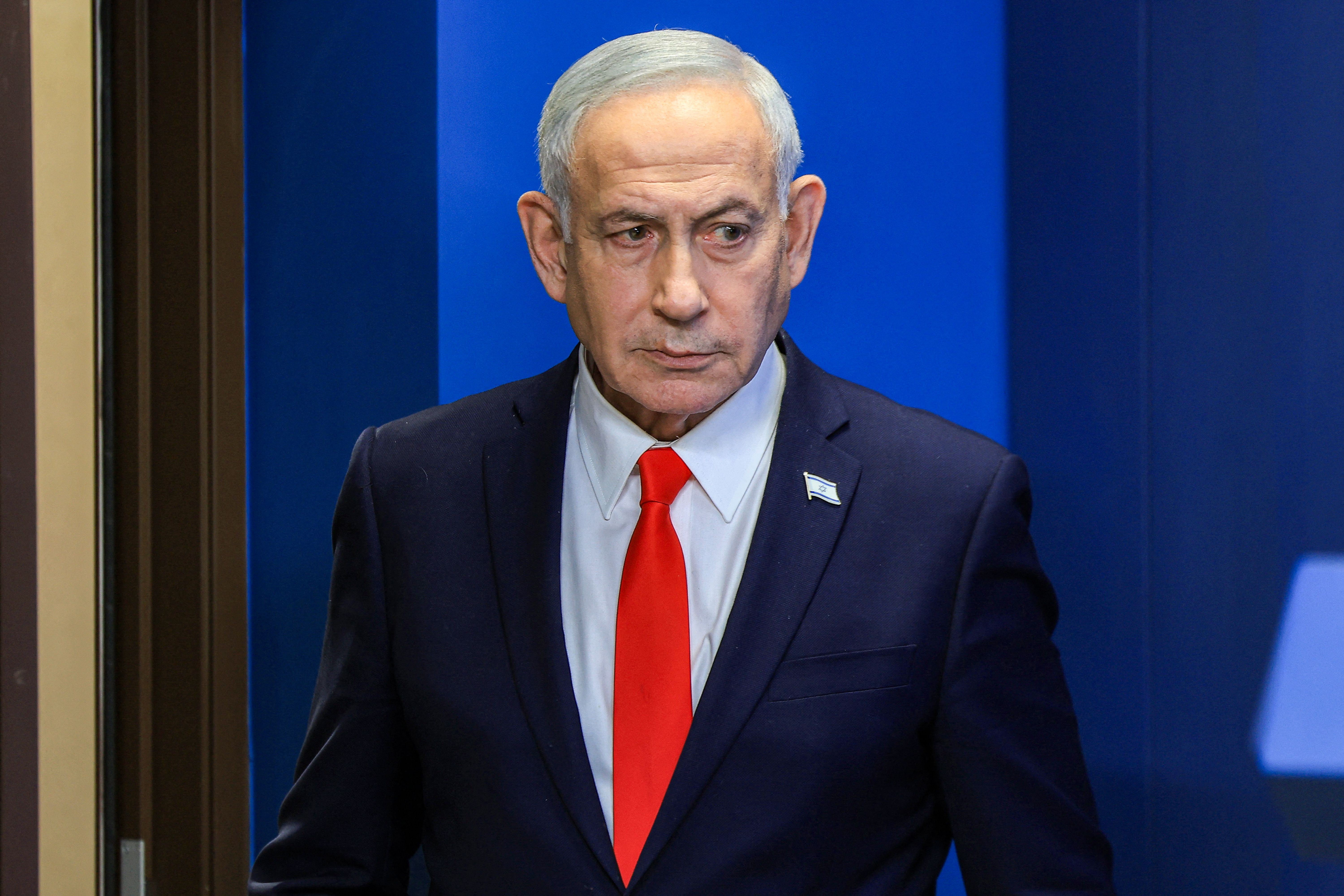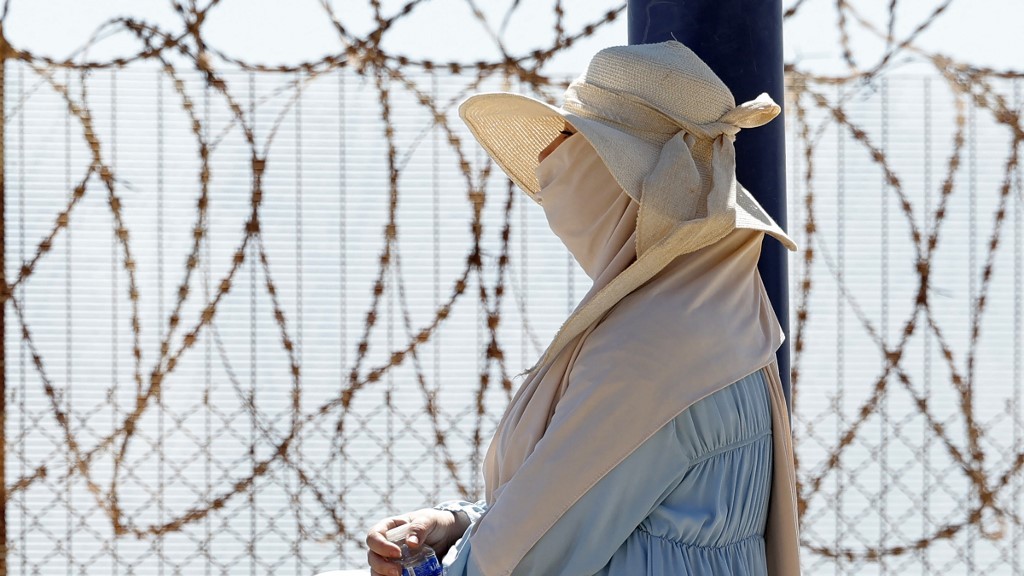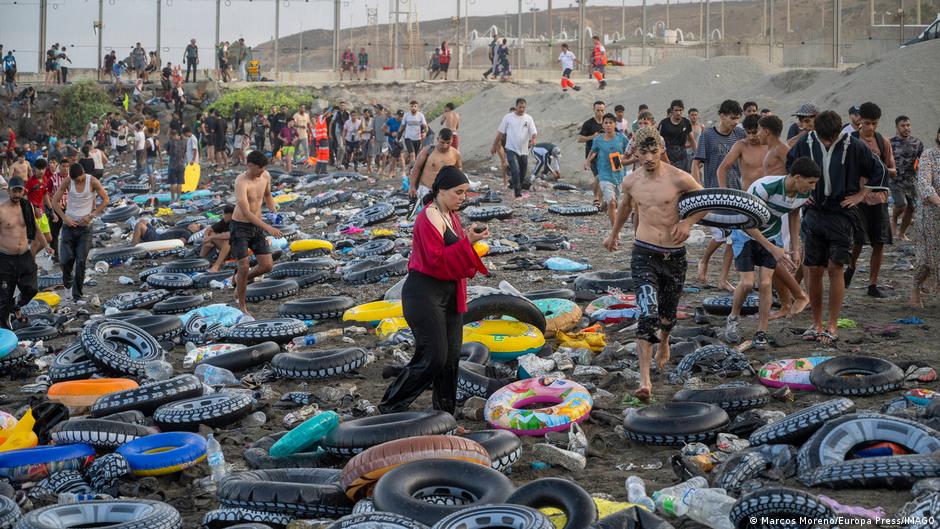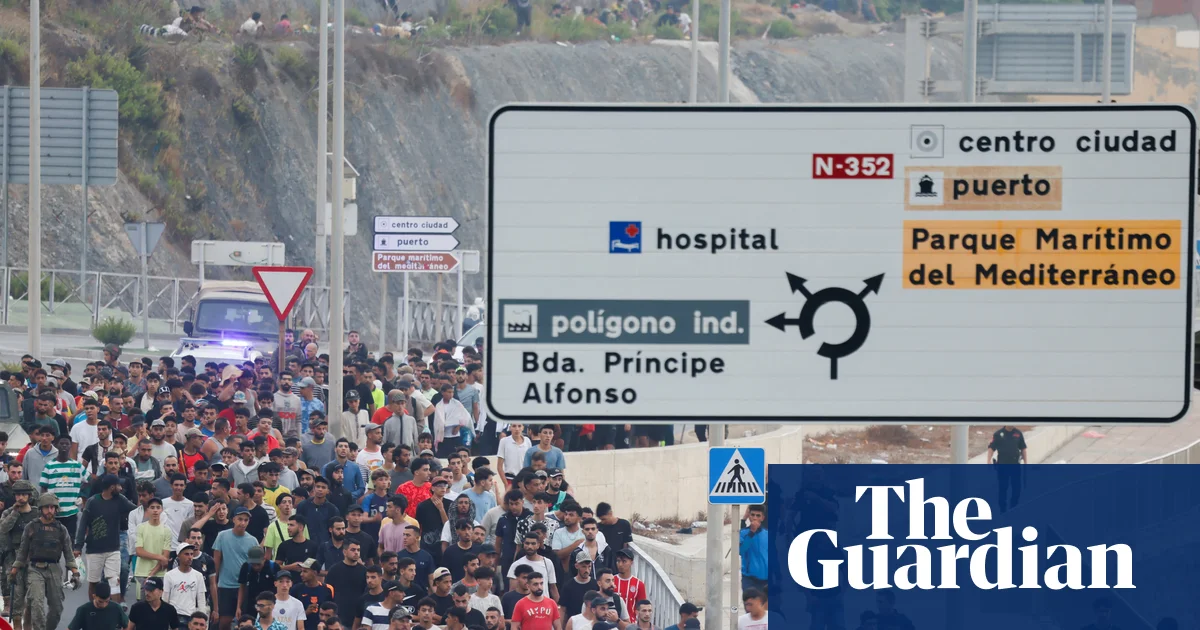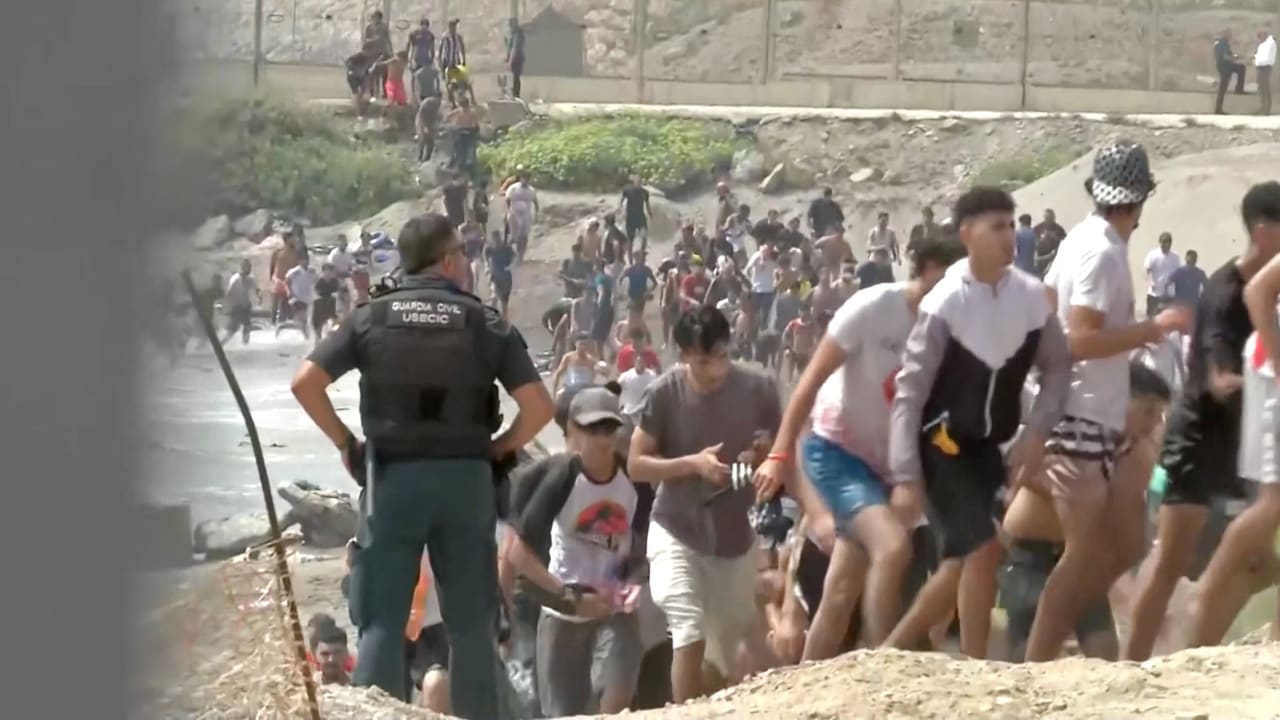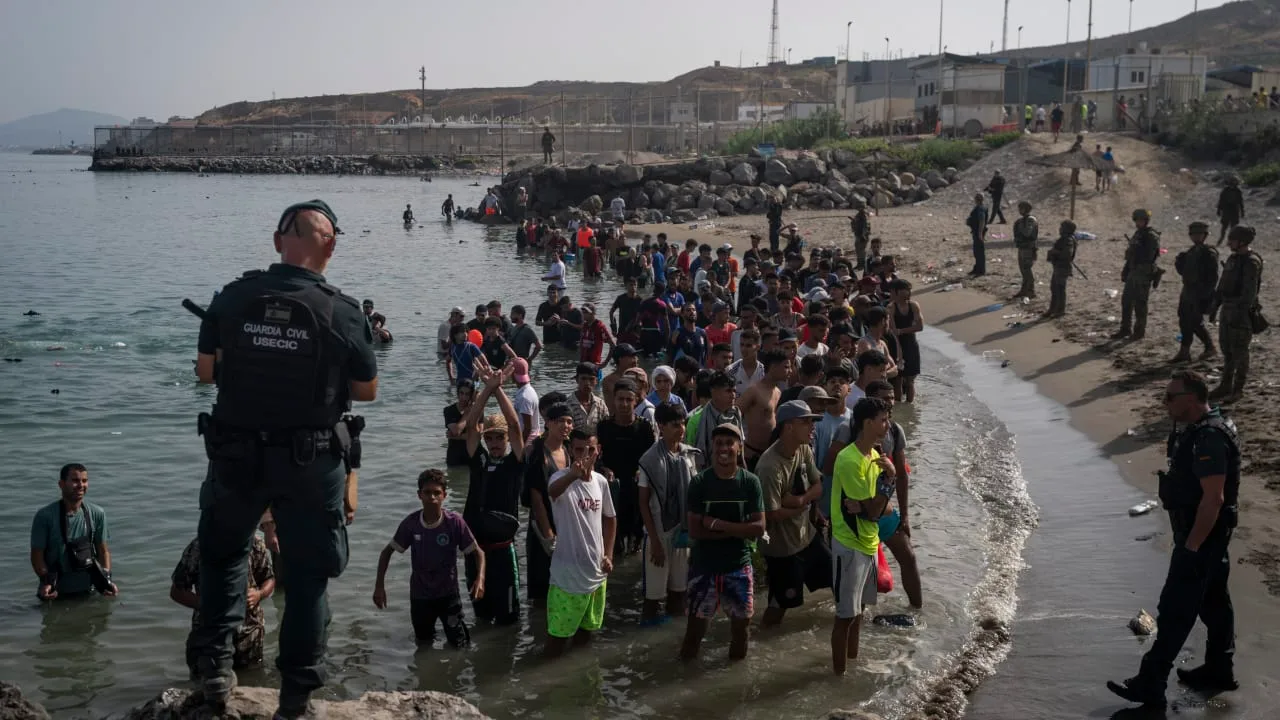
ByGABRIEL COLODRO/THE MEDIA LINEAUGUST 4, 2026 10:23The border crisis in Ceuta prompted Juan Carlos Girauta, a Spanish member of the European Parliament, to make a direct appeal to Israeli Prime Minister Benjamin Netanyahu.For more stories from The Media Line go to themedialine.org“With my greatest admiration and respect for Netanyahu’s life story and courage, I ask Netanyahu to speak out in defense of Spain’s territorial integrity, because the Spanish government is not Spain,” Girauta told The Media Line. The scale of the influx from Morocco was difficult to measure in real time. Spain initially estimated that just under 50,000 people entered on Thursday, July 30, and the total reached close to 60,000, including those who followed over the next several days. By Monday, Aug. 3, police sources said about 69,500 had returned to Morocco. That figure may have included earlier arrivals and people who crossed more than once. People entered through the land frontier, climbed the fences, or swam around the Tarajal breakwater. Ceuta itself has only about 84,000 residents.José Bentolila, president of Ceuta’s Jewish community, said residents had noticed a steady movement toward the city before the main crossing began. “We had already spent several days seeing an incessant trickle of migrants, morning and afternoon,” Bentolila told The Media Line.From workplaces facing the Moroccan coast, residents could see what he described as “a line of flotation rings in the water - hundreds of them.” On Wednesday, he said, police advised businesses to close because they could not predict how large the movement would become.Migrants attempting to cross into Spain's North African enclave of Ceuta gather on a hilltop during clashes with Moroccan security forces near the town of Fnideq, on the Morocco-Spain border, on July 31, 2026. (credit: ABDEL MAJID BZIOUAT/AFP via Getty Images)Border overwhelmed, Ceuta functions collapseAs border controls were overwhelmed, much of Ceuta stopped functioning. Shops closed, bread became difficult to find, and many residents remained inside. Bentolila said people who had crossed stopped cars to ask for food, money or access to a telephone. He said police responded to fights, while residents and business owners reported thefts, looting and attempted entries into homes. “Any business that tried to open even a little had perhaps 500 people come in and had to close and call the police,” he said. “You cannot serve 90,000 people all at once.”By Monday, Ceuta had yet to absorb the aftermath. Between 3,000 and 5,000 migrants were still in the city, according to official estimates, and some were sleeping outside because the reception centers were full. Spanish authorities had taken responsibility for 862 children and teenagers who arrived without an adult.The human toll was also becoming clearer. Spanish officials reported 72 deaths on the Spanish side of the border, while Morocco’s Foreign Ministry reported 11 deaths on the Moroccan side. Spanish authorities said more than 1,000 people had received medical treatment.Police and military reinforcements remained in Ceuta. By Aug. 2, a 500-meter floating barrier had also been deployed off the Tarajal breakwater.For Ceuta’s Jewish community, the crisis brought fear but no reported antisemitic attacks. Bentolila said the synagogue and other communal sites already receive discreet police protection because authorities consider them sensitive locations. Shabbat services went ahead. “People go out with some apprehension, some fear, because they do not know what they will find in the street,” he said. “Suddenly, you may come across a group of 40 or 50 people.”“We have not had any antisemitic incident,” Bentolila added. “We cannot point in that direction, at least for now.”The emergency was concentrated in Ceuta, but the political dispute surrounding it soon reached Madrid, Brussels and Jerusalem.Spain accused of hypocrisy after response to immigration waveIsrael’s ambassador to the United Nations, Danny Danon, accused Spain of hypocrisy for deploying troops in Ceuta after repeatedly criticizing Israeli security policies. “Maybe before it continues lecturing us, it’s time it explained to the world why it still maintains colonial enclaves in Africa,” Danon wrote, referring to Ceuta and Melilla.Israel’s chargé d’affaires in Spain, Dana Erlich, quickly distanced the government from the post. Danon’s comment “does not represent the position of the State of Israel,” she wrote. Bentolila said it was the only public Israeli response the community had seen. “Of course we would have liked” a message of support, Bentolila said. “That is always welcome.”For Girauta, Erlich’s clarification did not undo the political damage. He said Danon’s intervention gave supporters of Prime Minister Pedro Sánchez material to use against Vox and other Spanish defenders of Israel. Television discussions about the border failure soon included claims that Israel and the United States had contributed to the crisis.Online accounts also revived a 2019 post by Netanyahu’s son Yair mentioning Ceuta and Melilla. No evidence has emerged connecting Israel to the crossings. “That is the political ammunition they are giving Israel’s enemies in Spain,” Girauta said.Ángel Mas, president of ACOM, a Spanish organization that campaigns against antisemitism and supports relations with Israel, said Israeli anger toward Sánchez was understandable after years of disputes over the Gaza war. Mockery directed at Ceuta, however, harmed some of the people most willing to defend Israel inside Spain. “The pro-Israel position in Spain has probably not been this compromised or this weak for a long time,” Mas told The Media Line. “Who does that help? It helps Sánchez.”Neither Mas nor Girauta accepted comparisons between the border crisis and the October 7, 2023, attack in Israel. “Nothing about this is comparable to October 7,” Girauta said.The only resemblance they identified concerned the first hours after the border controls were overwhelmed, when residents did not know who had entered or whether the authorities controlled the surrounding streets.Ceuta and Melilla are Spanish autonomous cities, and their residents are Spanish citizens. Ceuta has been under Spanish sovereignty since the 17th century, although Morocco claims both Ceuta and Melilla and characterizes Spanish rule there as colonial.Mass crossing called intentional 'hybrid warfare'Girauta called the mass crossing “hybrid warfare” and accused Moroccan authorities of allowing or encouraging it. Mas used the same term, arguing that an influx of such magnitude was difficult to explain as a simple loss of control.Public evidence has not established that Morocco organized the influx. Reports citing officials familiar with Spain’s intelligence assessment said Rabat apparently did not plan the crossing but allowed it to develop by gradually relaxing border controls. Morocco denied using migration to punish Spain and blamed human traffickers, economic hardship and false information spread online.Sánchez visited Algiers 10 days before the largest arrivals. His July 20 meeting with Algerian President Abdelmadjid Tebboune ended with an agreement to expand political cooperation and reconvene senior officials in October. Algeria supplied 42.7% of Spain’s natural gas in May.With Algeria and Morocco locked in a longstanding regional rivalry, the sequence of events immediately raised questions about Rabat’s motives. Some analysts and political figures suggested that the border crisis could have been a warning over Madrid’s renewed contact with Algiers. So far, nothing made public by either government supports that theory.Spanish Interior Minister Fernando Grande-Marlaska did not endorse that interpretation. Even amid the crisis, he continued to refer to Morocco as a reliable partner. He blamed smuggling networks for spreading false claims about a Spanish court ruling on summary returns.Sánchez, meanwhile, described the crossing as an “attack” and a violation of Spain’s territorial integrity, yet thanked Morocco for helping return those who entered.Girauta said those positions were difficult to reconcile.Grande-Marlaska also said Spain’s CNI intelligence service had not warned him that a mass crossing was imminent. Reports of a breakdown between security agencies subsequently produced friction between the interior and defense ministries.Europe feels the pressureThe reaction elsewhere in Europe was swift, even though the influx remained confined to Ceuta. Twenty-two EU governments called for urgent talks on external border security. Girauta said they had reacted “with concern, great concern.”“It is not only Spain’s border; it is Europe’s border,” he said.Italy temporarily began checking passengers arriving by air and sea from Spain, focusing on travelers from outside the European Union.Sánchez accused European partners of abandoning Spain. European Commission President Ursula von der Leyen sought to calm fears of onward movement. “Not a single person reached mainland Spain or the rest of the EU,” she said.Vox MEP Hermann Tertsch was unsurprised by the response in Brussels. “We did not expect much from there,” he told The Media Line, accusing the European Parliament of repeatedly favoring illegal immigration.Support instead came from conservative and nationalist groups that “reacted immediately and with full solidarity with the Spanish nation and Spain’s national and territorial integrity,” Tertsch said.He compared the status of Ceuta and Melilla to that of a US state. “For the United States, Hawaii is the United States,” Tertsch said. “The Canary Islands and the Balearic Islands are Spanish. That is simply how things are.”Israel’s close relationship with Morocco further complicated the position of its Spanish allies. As the crisis unfolded, Israeli Foreign Minister Gideon Sa’ar congratulated King Mohammed VI on the 27th anniversary of his accession to the throne and praised Moroccan Foreign Minister Nasser Bourita for his commitment to bilateral relations.Girauta said the timing was difficult to explain without a separate Israeli statement supporting Spain’s territorial integrity.Tertsch made the same argument in sharper terms. “Attacks on Spanish sovereignty and Spanish territories only benefit Sánchez,” he said, accusing the prime minister of trying to separate Spain from Washington, Jerusalem and its “natural allies.”“We must not make that easier by giving an opening to those who want to present Israel and the United States as enemies that encourage the Islamist invasion of Europe,” Tertsch said.Mas warned Israelis not to confuse warm relations with Morocco’s government with attitudes across Moroccan society. “The Moroccan government is friendly. The people are not,” he said. “The Spanish government is not friendly, but the people are not hostile.”“Many Spanish Jews have their origins in Morocco,” Mas added. “There were 250,000 Jews living in Morocco until 1948.”Most of Morocco’s Jewish population left in the decades after Israel's establishment, though estimates of the community’s size and the timing of its departure vary. By contrast, the Jewish communities of Ceuta and Melilla remain part of cities that have long presented coexistence among Jews, Christians, Muslims and Hindus as central to their identity.Bentolila said Ceuta’s residents largely know one another regardless of religion. “One of the pillars of the city is that it is the city of four cultures,” he said. “We always raise the flag of those four cultures because of the understanding among them.”By the beginning of the week, thousands of people remained in Ceuta, reception facilities were overwhelmed, and residents were still trying to understand how border controls had been overwhelmed so quickly.Bentolila would not turn the Jewish community into a party to the dispute among Spain, Morocco and Israel. His concern remained closer to home: protecting families, reopening businesses and preserving the coexistence on which the city prides itself.Follow us on Google
Spanish MEP appeals to Benjamin Netanyahu for support during massive Ceuta border crisis | The Jerusalem Post
Tens of thousands crossed into a city of 84,000 in a matter of days, leaving at least 83 dead and raising questions about Morocco’s role, Spain’s sovereignty, and Israel’s response.
1,812 words~8 min read