It was never meant to be like this.
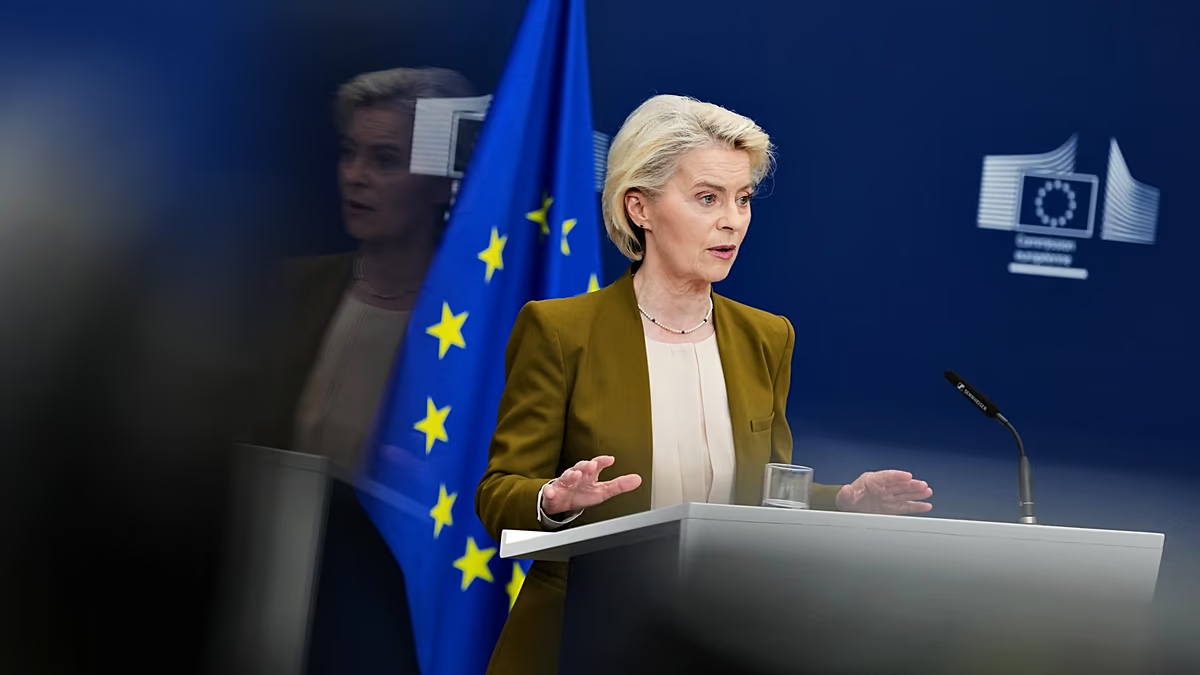
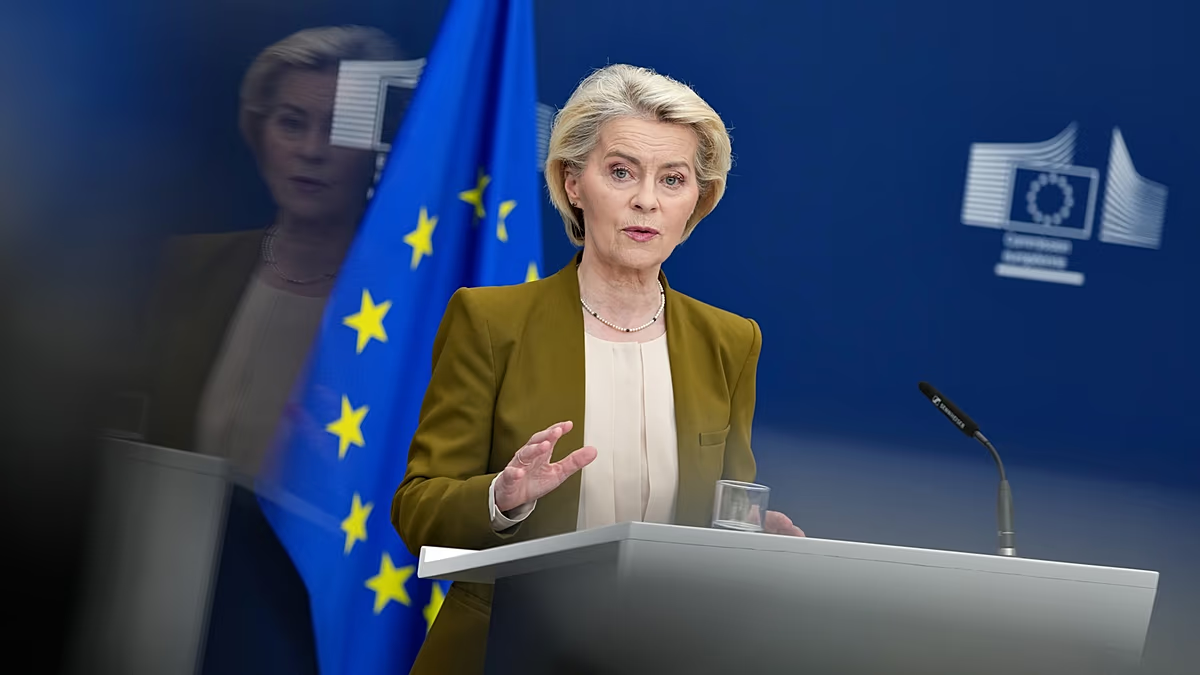
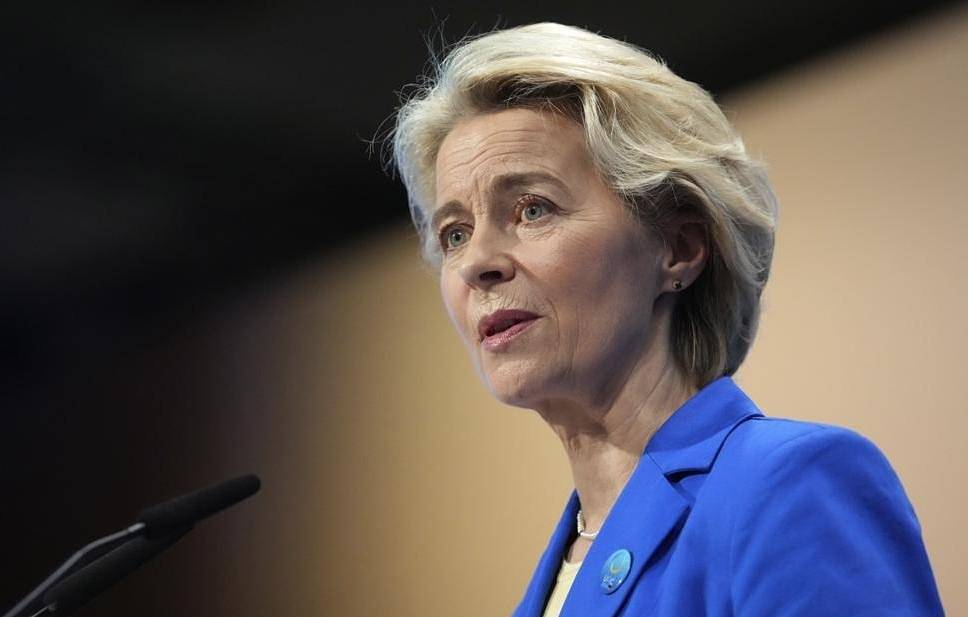
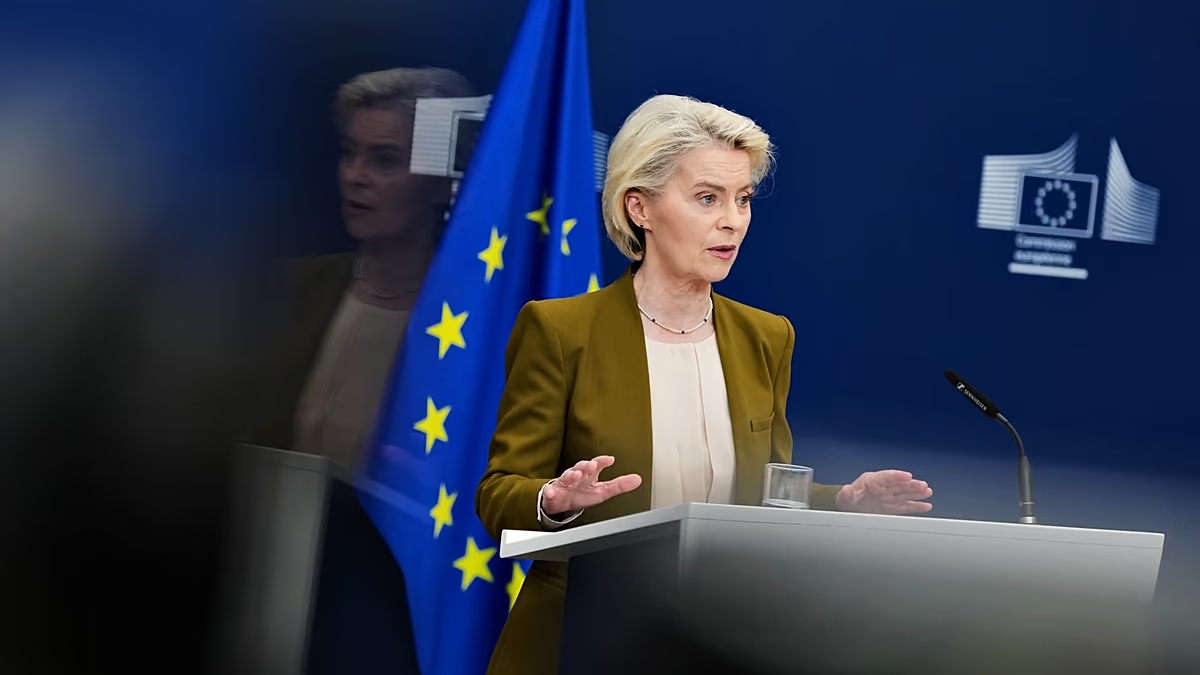
When European Commission President Ursula von der Leyen announced her blueprint for the 20th package of economic sanctions against Russia, she made maritime services the centrepiece.
"On energy, we introduce a full maritime services ban for Russian crude oil. It will slash further Russia's energy revenues and make it more difficult to find buyers for its oil," von der Leyen said in early February.
For Brussels, it was an overdue opportunity to complete unfinished business.
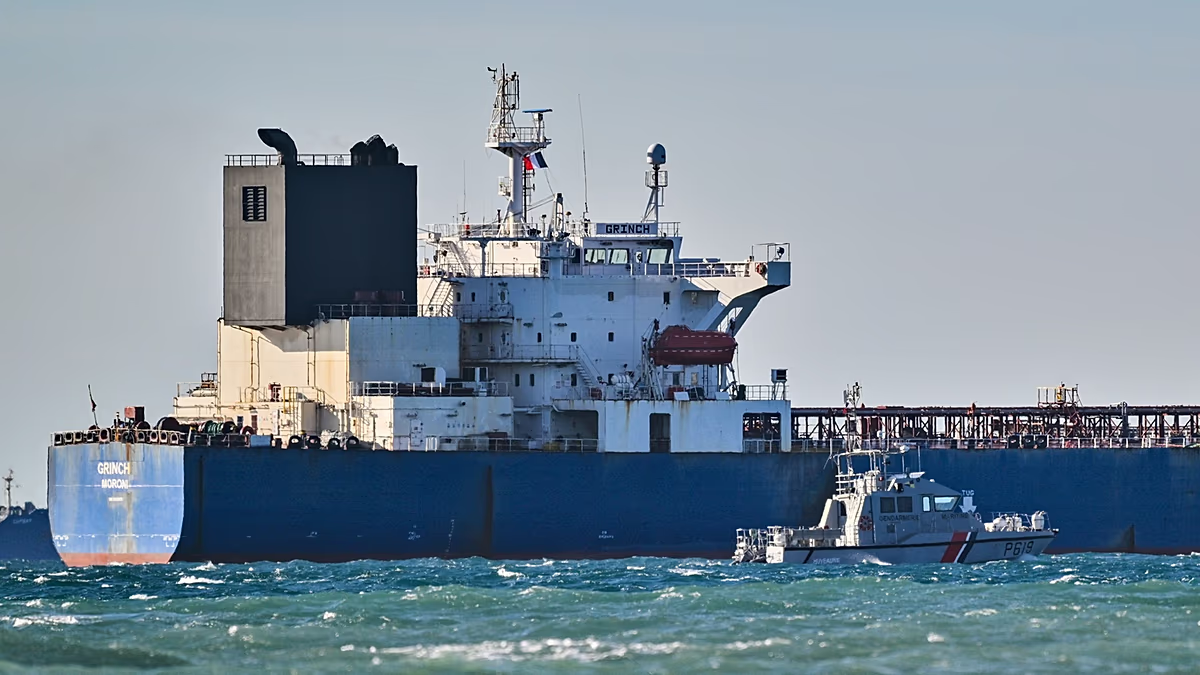
The EU first tried to ban the provision of maritime services for Russian tankers in 2022 as part of its import ban on Russian crude and refined products. If the bloc ceased to buy Russian oil, the thinking was that it should also stop helping Russia ship it.