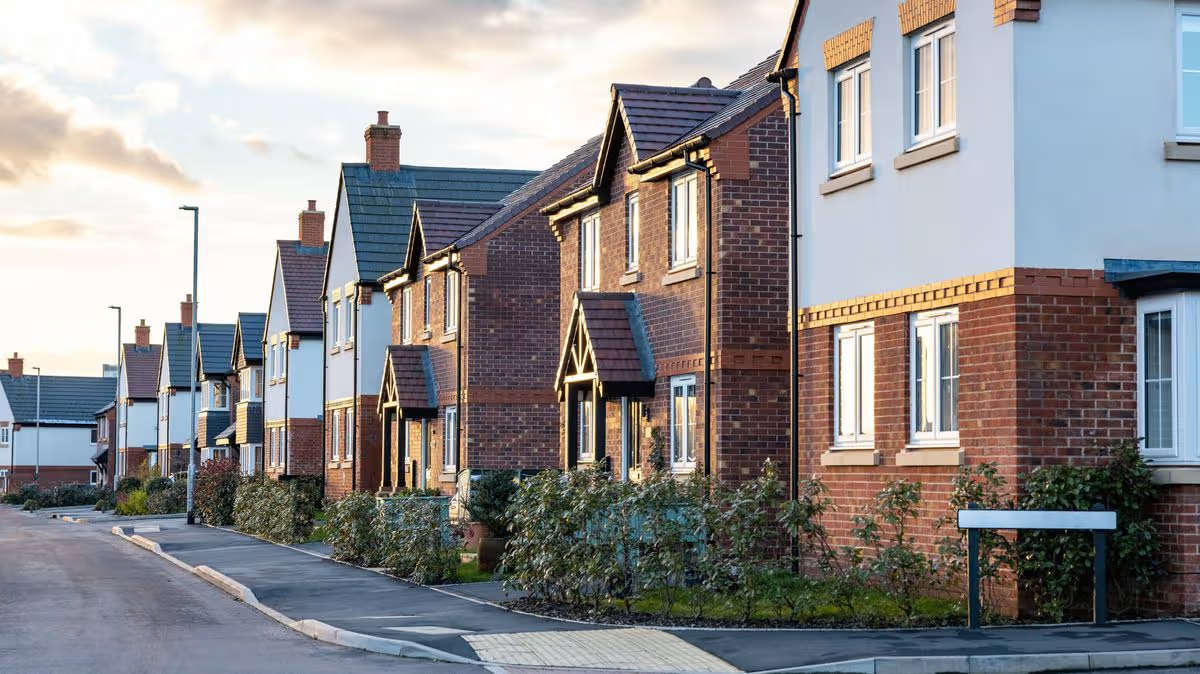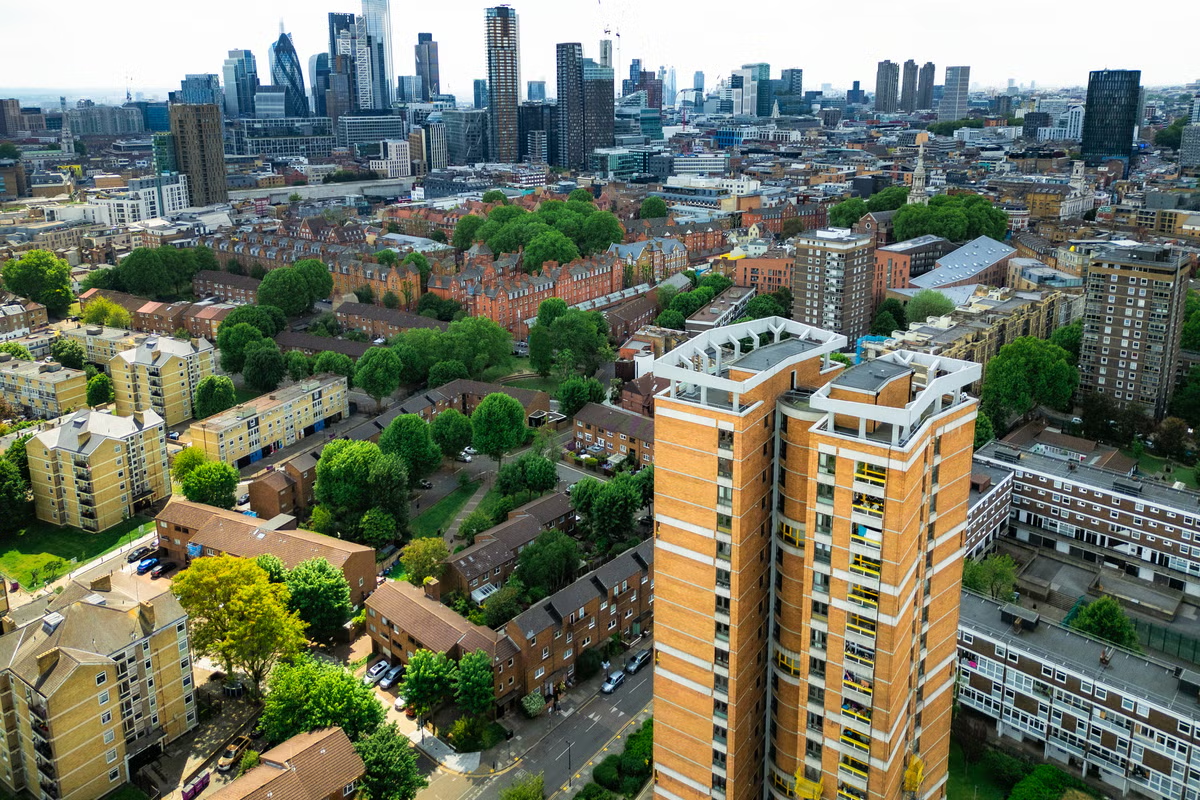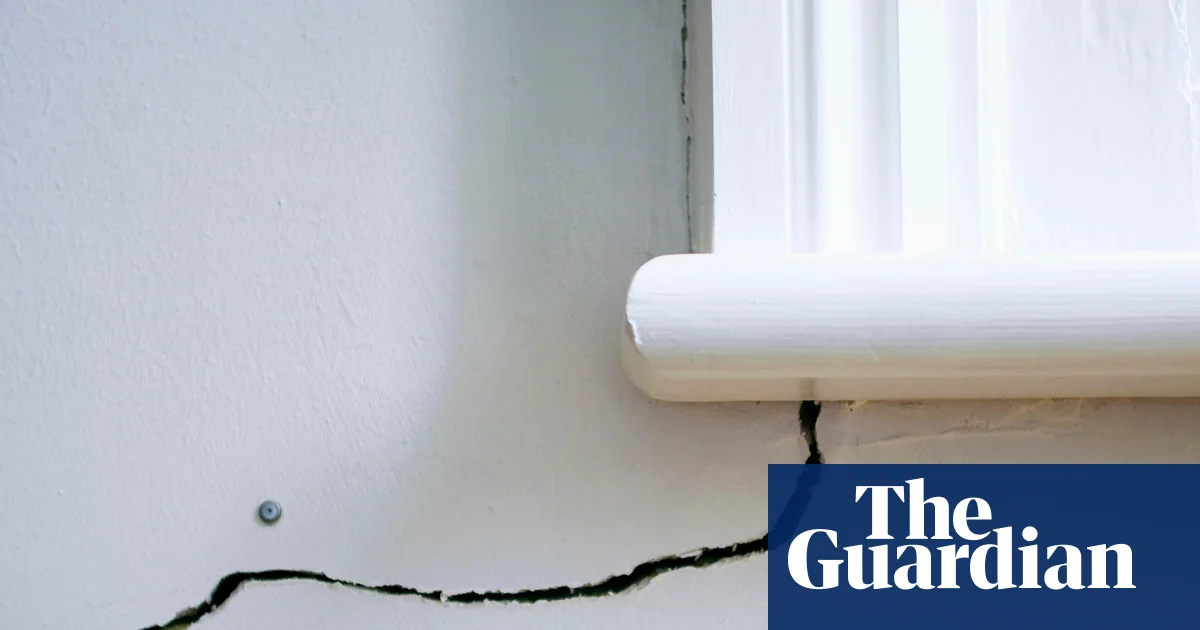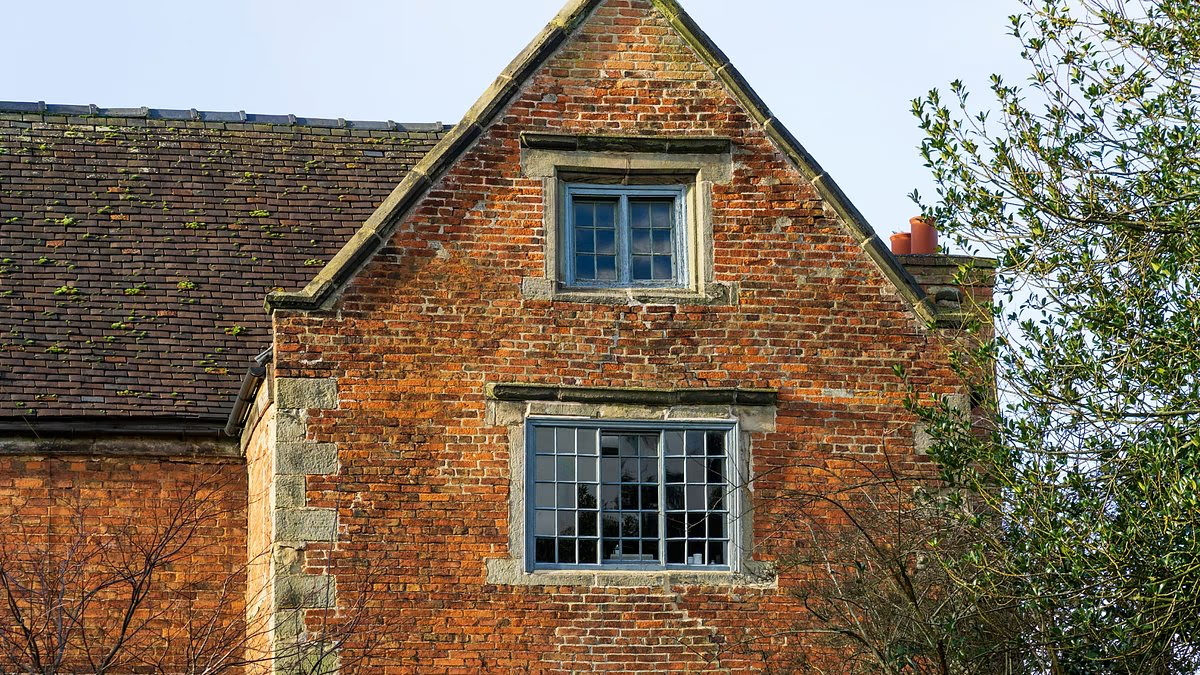
Weather damage to your home is usually associated with the winter months, when properties are prone to frozen pipes, leaks and flooding. But prolonged spells of hot temperatures can also cause tens of thousands of pounds of damage to properties, the Association of British Insurers has warned.This is because it increases the risk of ground movement, which leads to subsidence - when the soil underneath a house starts to sink. Home insurers paid out £72million for domestic subsidence claims between April and June this year, the ABI said.Clive Holland, a broadcaster at Fix Radio, told This is Money: 'Heatwaves can raise the risk of subsidence, particularly in homes built on clay soil. 'As the ground becomes very dry, the clay can shrink and move beneath the foundations. It is usually a long spell of hot, dry weather that causes concern, rather than one unusually warm day.'The average subsidence claim reached a record £20,000 in the period, which was the warmest spring on record in England and Wales. This was £2,000 higher than at the same point a year ago - and nearly twice as expensive as the cost of fixing other common property problems. Watch out: Prolonged spells of hot weather increase the risk of subsidenceThe average claim for damage to people's homes and possessions from flooding, storms and burst pipes reached £8,548 in the second quarter of 2026, the ABI said, up 12 per cent on the same period last year. Chris Bose, director of general insurance policy at the ABI, said: 'The growing cost of subsidence and weather-related damage is a reminder of why improving the resilience of our homes matters.'While insurers continue to be there for customers when they need them most - providing financial protection and support - reducing future losses demands a coordinated effort from homeowners, industry and government.' What is subsidence? Subsidence occurs when the ground beneath a property sinks. This causes the building's foundations to move. Has your home suffered from subsidence? How did it impact you and how much did it cost to fix? Let us know: editor@thisismoney.co.uk It is often caused by soil losing moisture and shrinking, often during prolonged dry weather. Trees and shrubs can also contribute by drawing water from the ground.Subsidence can also be caused by excess moisture, though, for example if a leaking pipe or drain causes the soil underneath a house to soften or wash away. Bose said: 'Simple steps can make a real difference. For new homes, building deep foundations can reduce the risk of subsidence. 'For older properties, maintaining nearby trees and drains and fixing leaking pipes can prevent problems from developing.'How to spot the warning signsThere are a number of subsidence warning signs homeowners and prospective property buyers need to watch out for. Subsidence-related cracks often appear suddenly rather than developing gradually through normal wear and tear. One crack in a wall is not a sure sign of subsidence.Be vigilant if you spot cracks that are wider than 3mm, or about the thickness of a £1 coin. These might need to be examined by a professional. Be particularly careful of diagonal cracks, especially if they are wider at the top than at the bottom. Watch out: Wallpaper that starts to wrinkle or tear without an obvious cause can be a sign of subsidenceCheck whether cracks appear both inside and outside your home, as this can be a sign of a more serious issue. Also be on the lookout for doors and windows that suddenly become difficult to open or close. Doors and windows that stick could be caused by frames warping as a property sinks. Another sign to be aware of is sloping or sinking floors. You may spot gaps near the skirting board or the floor may appear uneven.Watch out for wallpaper that starts to wrinkle, ripple or tear without an obvious cause, as it may be caused by subsidence. You might also spot cracks where an extension has been joined to your main home.What should you do if you think it is subsidence? Get help from a professional and your insurer if you are concerned about subsidence affecting your home. Your insurance company will arrange for a structural engineer to inspect your home and confirm if there is subsidence or not. The engineer could decide your home needs to be monitored before they can determine whether the ground is sinking. This can take up to 12 months. If you want to find out for certain if you have building subsidence before speaking to your insurer, you will need a subsidence survey completed by a structural engineer. Remedies for subsidence include removing problem trees, injecting resin into the ground to fill gaps, and in extreme cases, underpinning your home which means reinforcing the foundations. The cracks caused by the subsidence can then be repaired and windows and doors replaced. How much are households paying for insurance?The average combined home insurance premium was £383 between April and June, £9 lower than a year ago, the ABI said. While home insurance premiums rose by £8 compared to the previous three month period, this was the first quarterly rise since the start of 2025. The average buildings-only insurance premium cost £309 between April and June, £16 lower than a year ago and up £4 compared to the first quarter of 2026. Contents-only home insurance policies averaged £118 in the quarter, down £11 year-on-year but up £1 compared to the previous quarter, the ABI said. Your buildings insurance policy will usually cover you for damage caused to the structure of your home by subsidence, although according to the ABI, most policies will have an excess of around £1,000 for a subsidence claim. HomeOwners Alliance added: 'And damage to surrounding structures such as garden walls, fences, gates, patios and driveways isn’t usually covered, unless the damage happens at the same time as the damage to your home.'If your home is so severely damaged that you can’t live in it, your insurance should cover the cost of alternative accommodation while repairs are being carried out.'Best mortgage rates and how to find them Mortgage rates have shot up again due to inflation triggered by the conflict with Iran reversing hopes that the Bank of England would cut rates. This means those remortgaging or buying a home face higher costs.That makes it even more important to search out the best possible rate for you and get good mortgage advice, whether you are a first-time buyer, home owner or buy-to-let landlord.This is Money's partner L&C can help you with its fee-free mortgage service.> Compare mortgage rates> Find the right mortgage for you To help our readers find the best mortgage, This is Money has partnered with the UK's leading fee-free broker L&C.This is Money and L&C's mortgage calculator can let you compare deals to see which ones suit your home's value and level of deposit.You can compare fixed rate lengths, from two-year fixes, to five-year fixes and ten-year fixes.If you’re ready to find your next mortgage, why not use This is Money and L&C’s online Mortgage Finder. It will search 1,000’s of deals from more than 90 different lenders to discover the best deal for you.> Find your best mortgage deal with This is Money and L&C Mortgage service provided by London & Country Mortgages (L&C), which is authorised and regulated by the Financial Conduct Authority (registered number: 143002). The FCA does not regulate most Buy to Let mortgages. Your home or property may be repossessed if you do not keep up repayments on your mortgage.
Average subsidence insurance claim spikes to £20,000
Weather damage to homes is usually associated with the winter months - but long spells of hot temperatures can also cause tens of thousands of pounds of damage.
1,255 words~6 min read