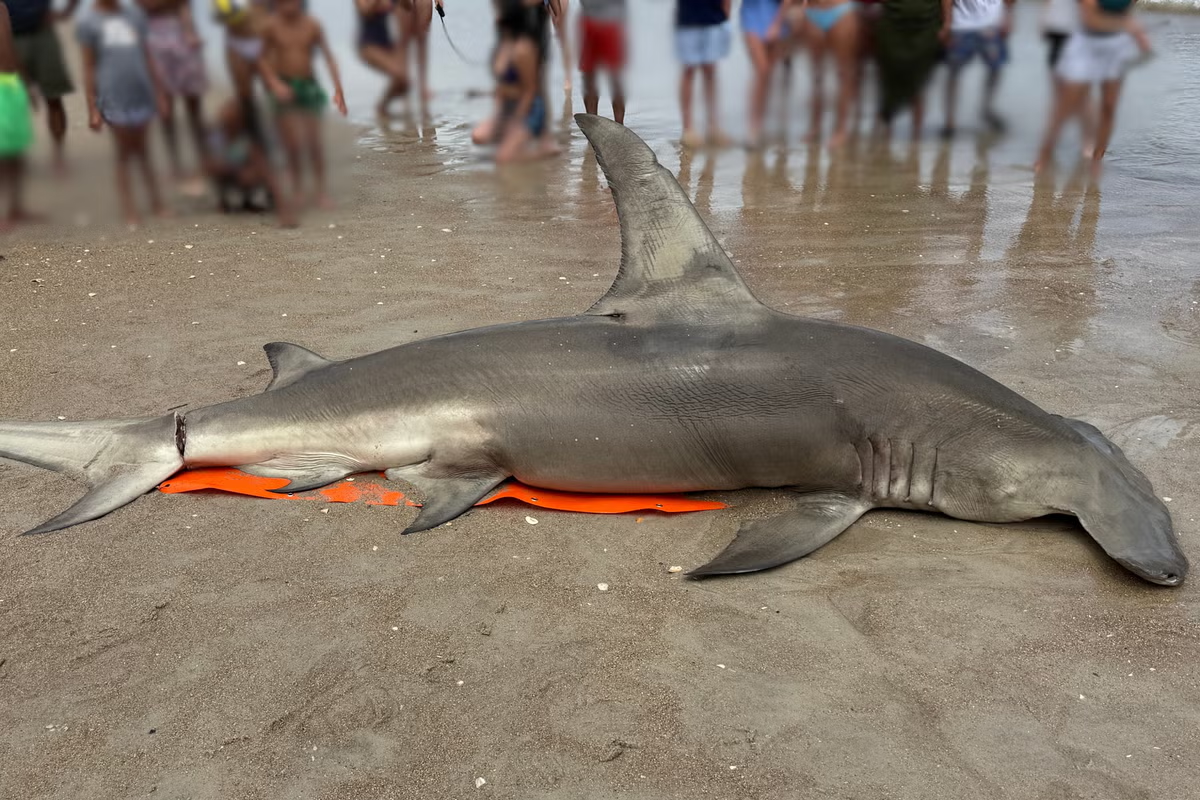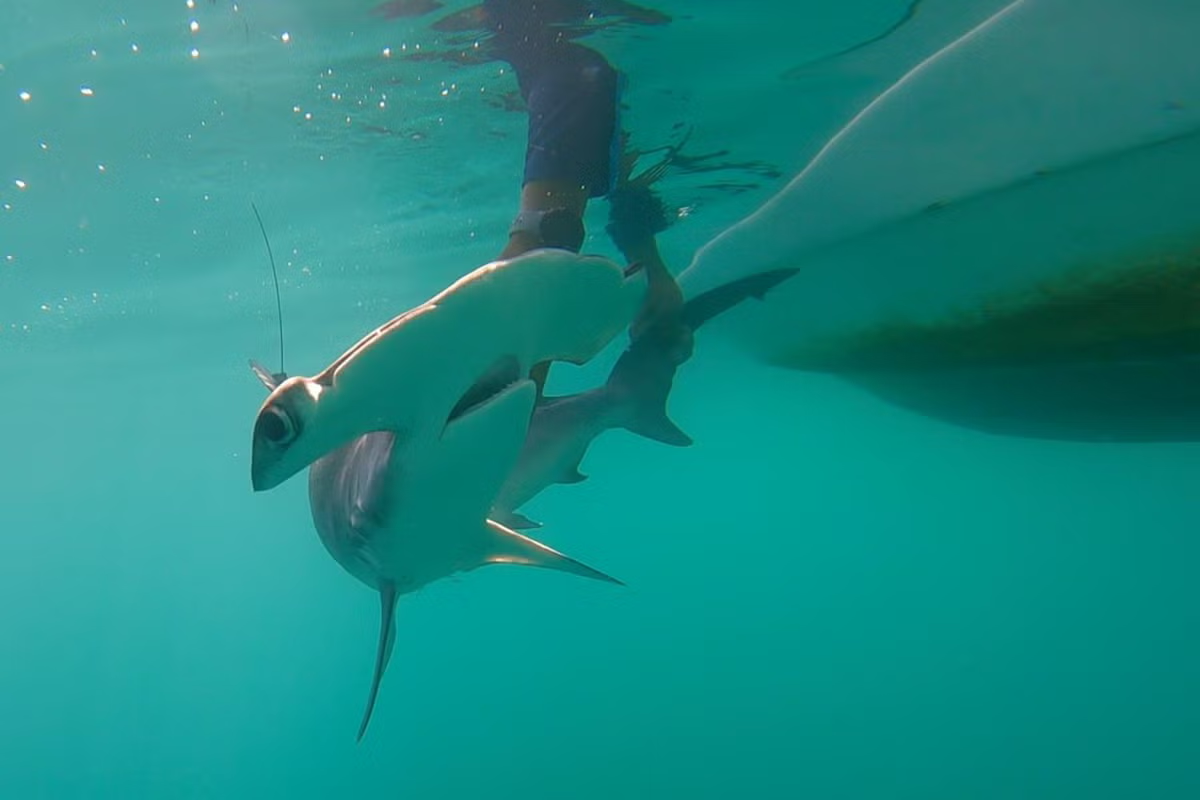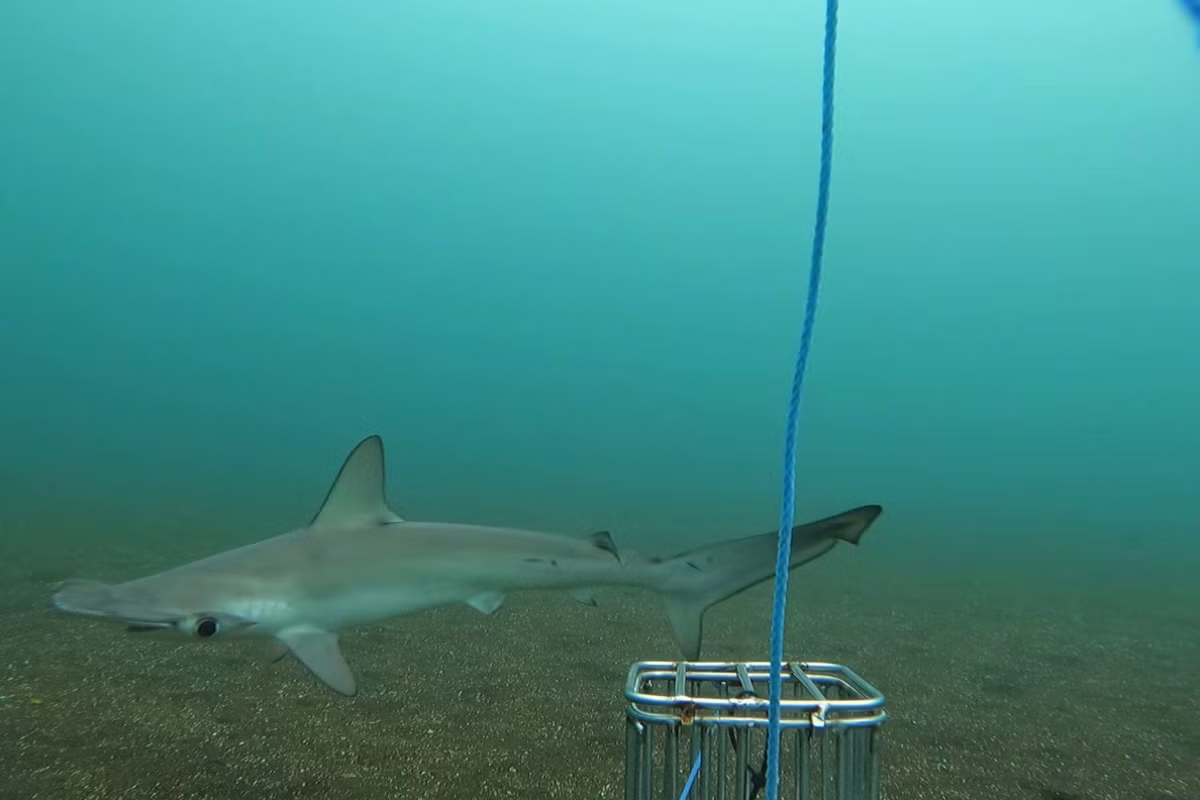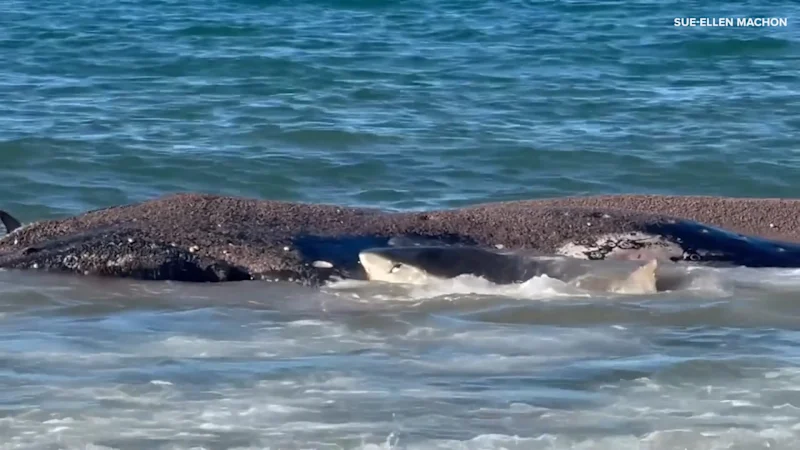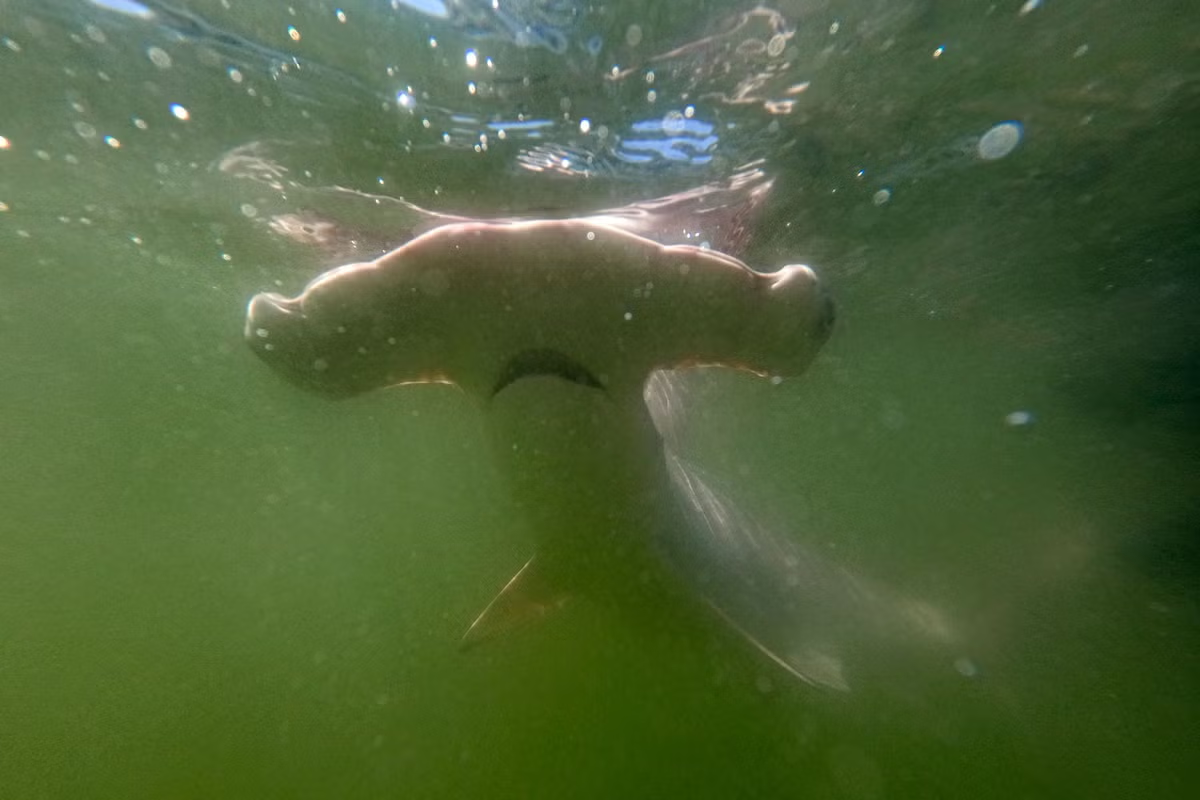
Jump to contentThank you for registeringPlease refresh the page or navigate to another page on the site to be automatically logged inPlease refresh your browser to be logged inAllNewsSportCultureLifestyleView of a hammerhead shark during tagging and monitoring tasks in a mangrove at the Galapagos National Park, Santa Cruz island, Ecuador (AFP via Getty Images)A 14-foot female great hammerhead shark washed ashore on Carolina Beach, North Carolina, on Sunday. The shark was first spotted in the surf early Sunday morning and fully beached by early afternoon. Volunteers from the North Carolina Shark Conservancy collected samples for genetics and educational purposes, but the exact cause of death could not be determined. Experts observed a deep laceration at the base of the shark's tail, which likely impaired its swimming, and fresh puncture wounds in its mouth consistent with fishing gear. Great hammerhead sharks are classified as critically endangered globally, although they are not on the US federal endangered and threatened species list. In fullMystery over death of great hammerhead shark washed ashore on North Carolina beach with ‘deep laceration’More bulletinsThank you for registeringPlease refresh the page or navigate to another page on the site to be automatically logged inPlease refresh your browser to be logged in
What killed this 14-foot endangered hammerhead? Experts are searching for answers
Jump to contentThank you for registeringPlease refresh the page or navigate to another page on the site to be automatically logged inPlease refresh your browser to be logged inAllNewsSportCultureLifestyleView of a hammerhead shark during tagging and monitoring tasks in a mangrove at the Galapagos National Park, Santa Cruz island, Ecuador (AFP via Getty Images)A 14-foot female great hammerhead shark washed ashore on Carolina Beach, North Carolina, on Sunday. The shark was first spotted in the surf early Sunday morning and fully beached by early afternoon. Volunteers from the North Carolina Shark Conservancy collected samples for genetics and educational purposes, but the exact cause of death could not be determined. Experts observed a deep laceration at the base of the shark's tail, which likely impaired its swimming, and fresh puncture wounds in its mouth consistent with fishing gear. Great hammerhead sharks are classified as critically endangered globally, although they are not on the US federal endangered and threatened species list. In fullMystery over death of great hammerhead shark washed ashore on North Carolina beach with ‘deep laceration’More bulletinsThank you for registeringPlease refresh the page or navigate to another page on the site to be automatically logged inPlease refresh your browser to be logged in