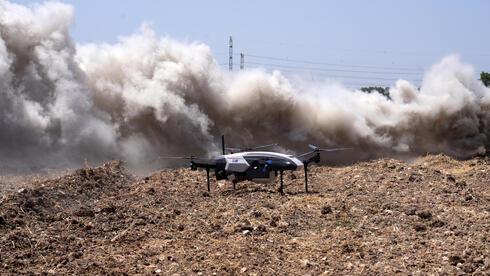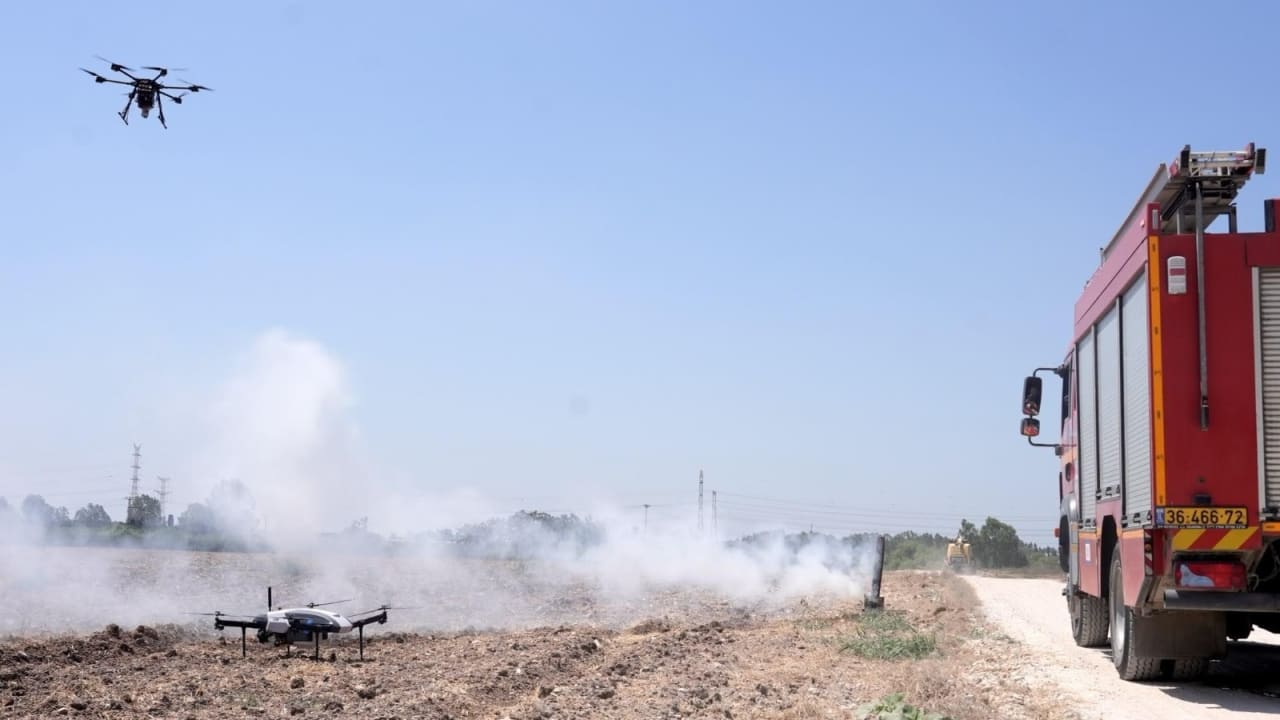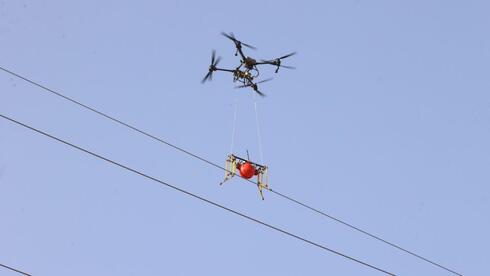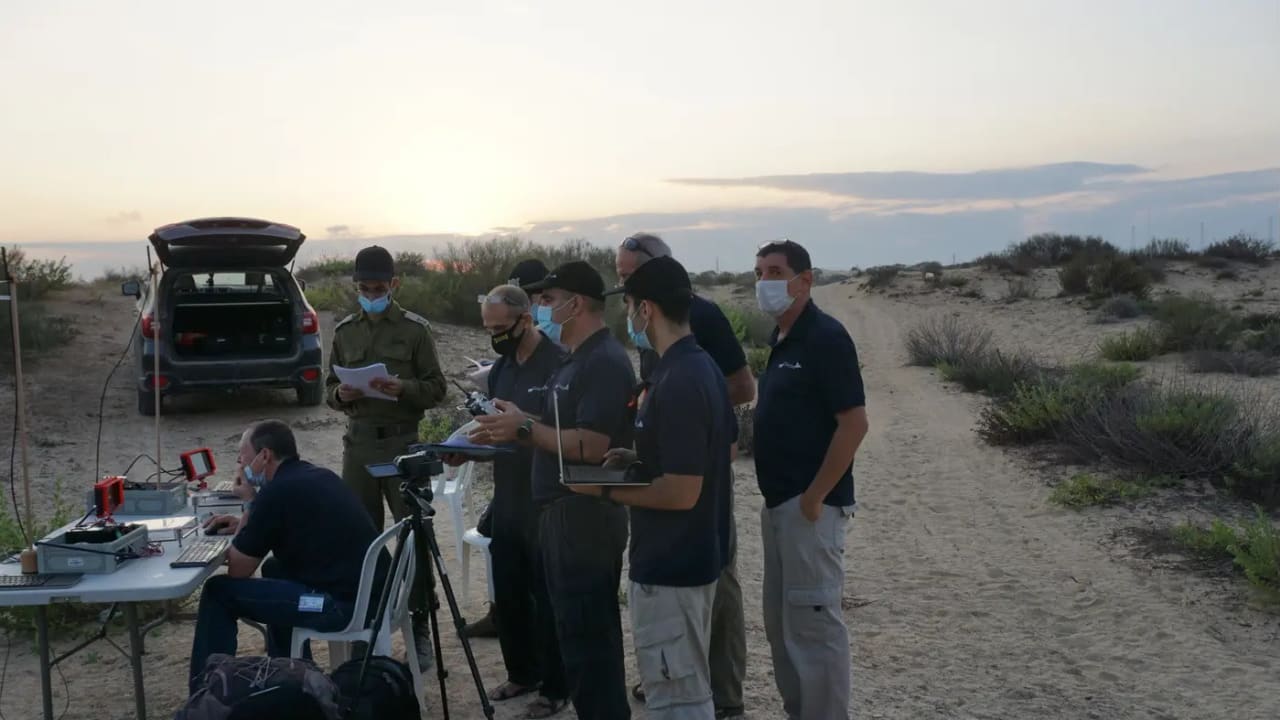
ByUDI ETZIONAUGUST 4, 2026 09:09The deaths of two crew members in a firefighting helicopter collision in Greece on Sunday have underscored the growing risks facing aerial firefighting operations, as an Israeli-developed collision avoidance system seeks to reduce the danger.The fatal accident occurred west of Athens when a firefighting helicopter collided with another helicopter during firefighting operations. The second aircraft immediately released the water it was carrying, and its pilots managed to land safely.The increasing number of wildfires linked to the climate crisis, together with the growing reliance on aerial firefighting to contain them, has significantly increased the risks facing aircraft involved in such missions.In many wildfire zones, firefighting planes, helicopters, and drones operate simultaneously. Drones are used by ground crews to monitor the spread of fires, direct firefighting efforts, and identify increasing threats to firefighters on the ground. In such conditions, which are often accompanied by smoke and poor visibility, pilots can struggle to detect nearby aircraft until it is too late.The challenge is well known to air forces around the world, many of which have suffered losses in helicopter midair collisions. In Israel, the deadliest such incident was the 1997 helicopter disaster, in which 73 soldiers were killed.Ciconia drone and helicopter testing, 2023. (credit: Eran Nir, Ciconia)An Israeli company, Ciconia, whose scientific name refers to the stork, a bird that flies in flocks, has developed a decentralized collision avoidance system designed to reduce the risk of such accidents.The system transmits each aircraft's flight data and current flight path over a range of several kilometers, allowing every participating aircraft to independently build a real-time picture of nearby air traffic without relying on a centralized control system.Ciconia developed a system to reduce drone, helicopter crashesFor piloted aircraft, the system provides collision warnings and, when necessary, immediate instructions for evasive maneuvers. For drones, maneuvering commands are sent directly to the flight control computer.The system has already undergone testing by the Israeli Air Force after being installed on two Black Hawk helicopters and received positive feedback from pilots.However, nearly 30 years after Israel's 1997 helicopter disaster, the Israeli Air Force has yet to approve large-scale procurement of the system, despite claims that it could have helped prevent such a tragedy.The company is also participating in a US initiative to improve aerial wildfire response as authorities seek to cope with the growing number of large-scale wildfires associated with climate change.Sikonia has already demonstrated the system in Texas and is scheduled to conduct another demonstration next week for firefighters in California's San Bernardino County.The demonstrations are being carried out with the assistance of Qualcomm and will include a pilot program installing the system on several helicopters for further evaluation, a process that could lead to a larger procurement agreement.Follow us on Google
Israeli tech company works to prevent drone, helicopter collisions | The Jerusalem Post
The technology shares flight paths among helicopters, planes, and drones, providing real-time warnings and instructions without relying on centralized air traffic control.
457 words~2 min read