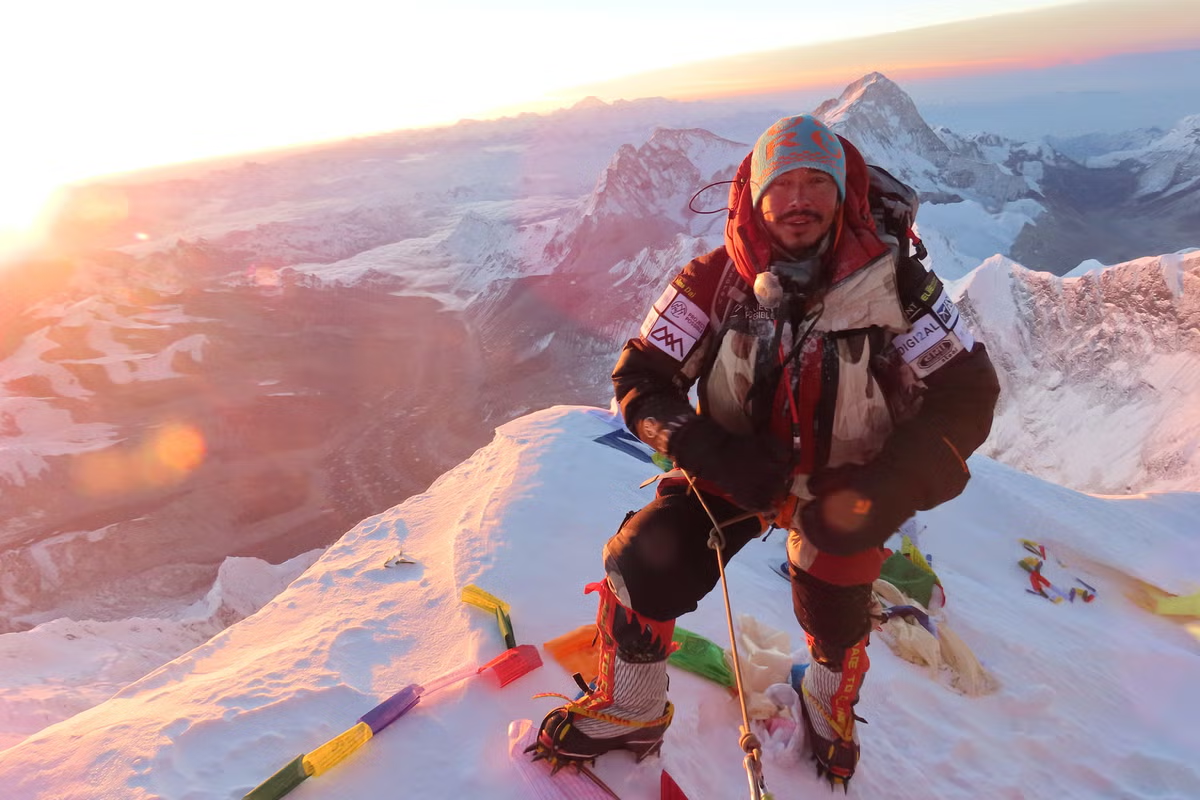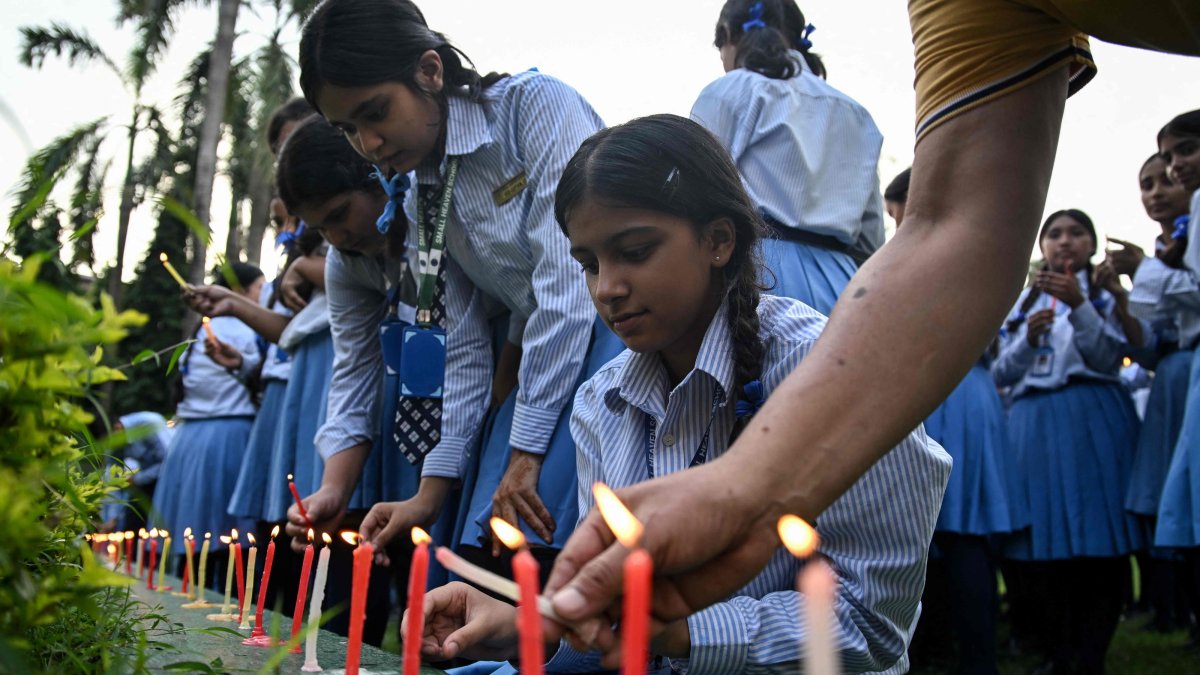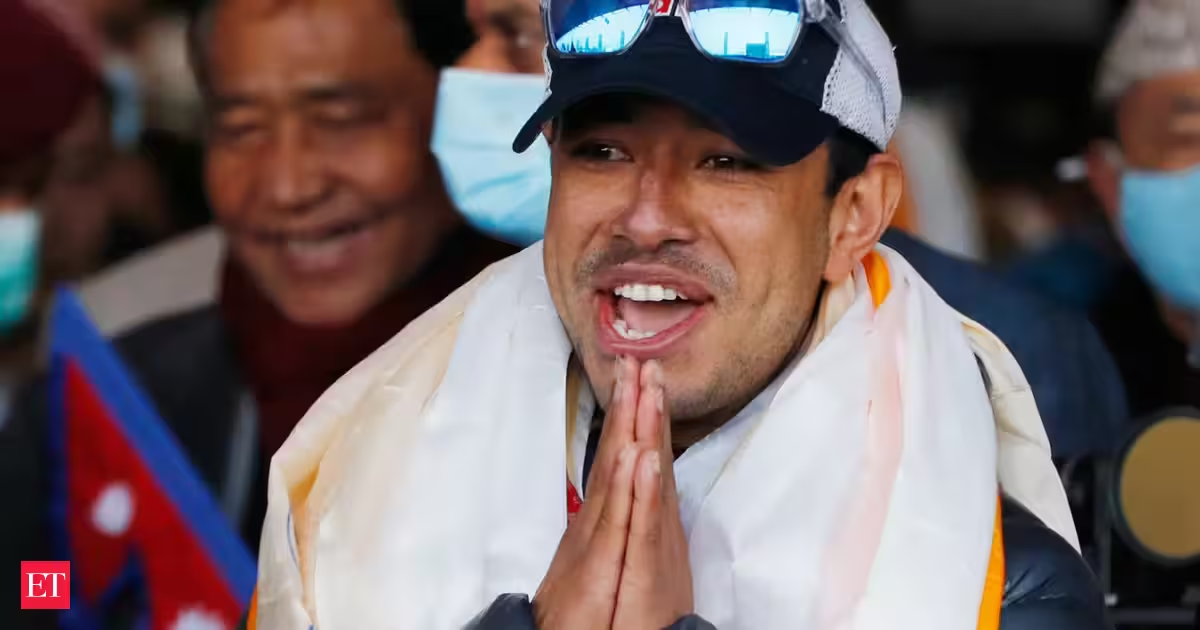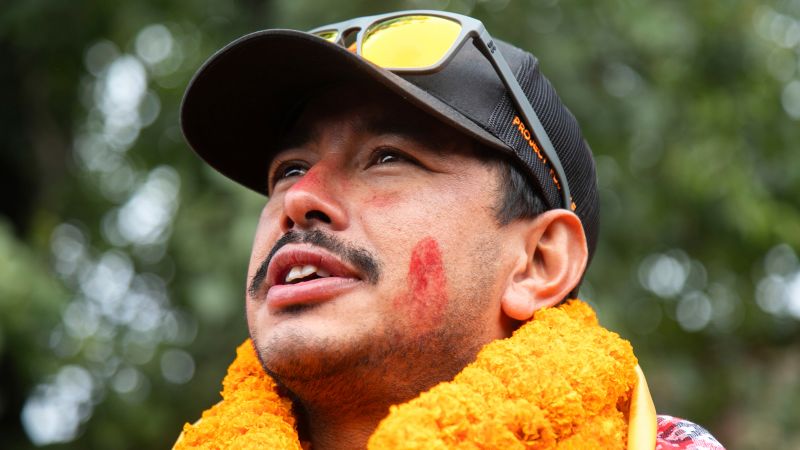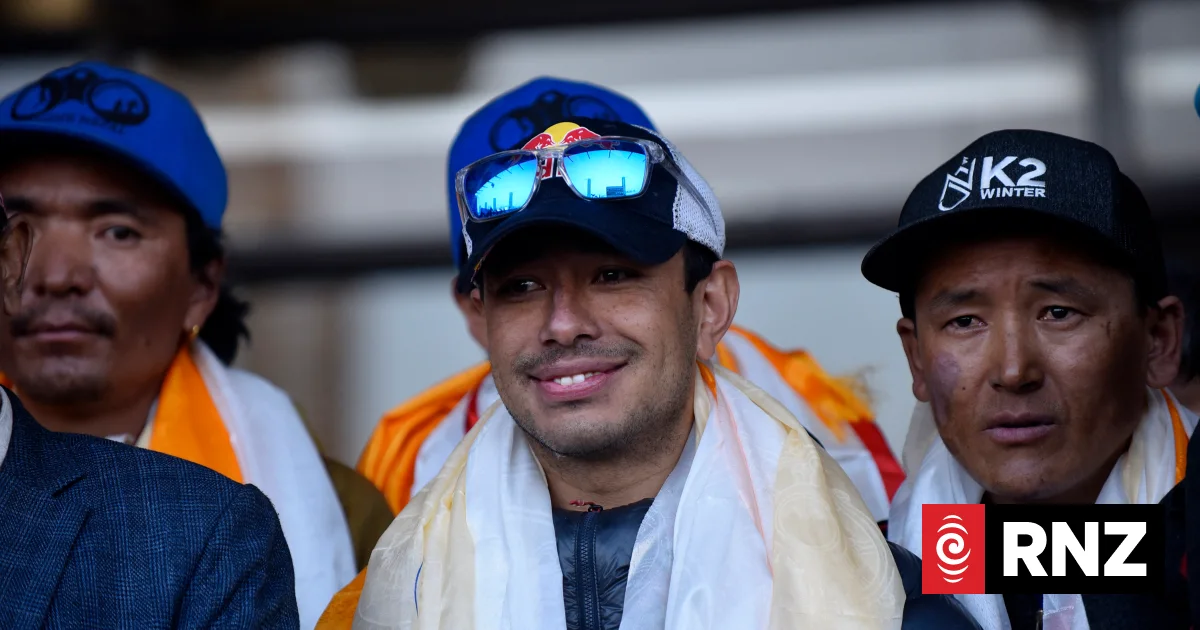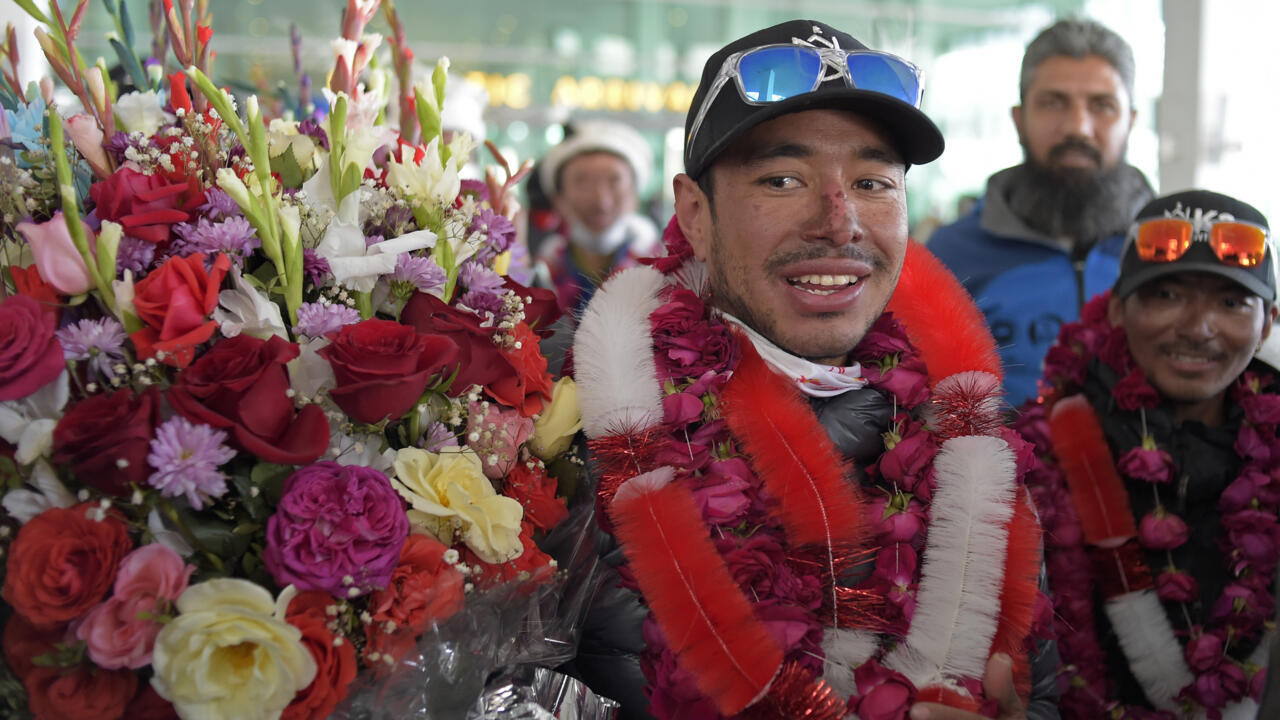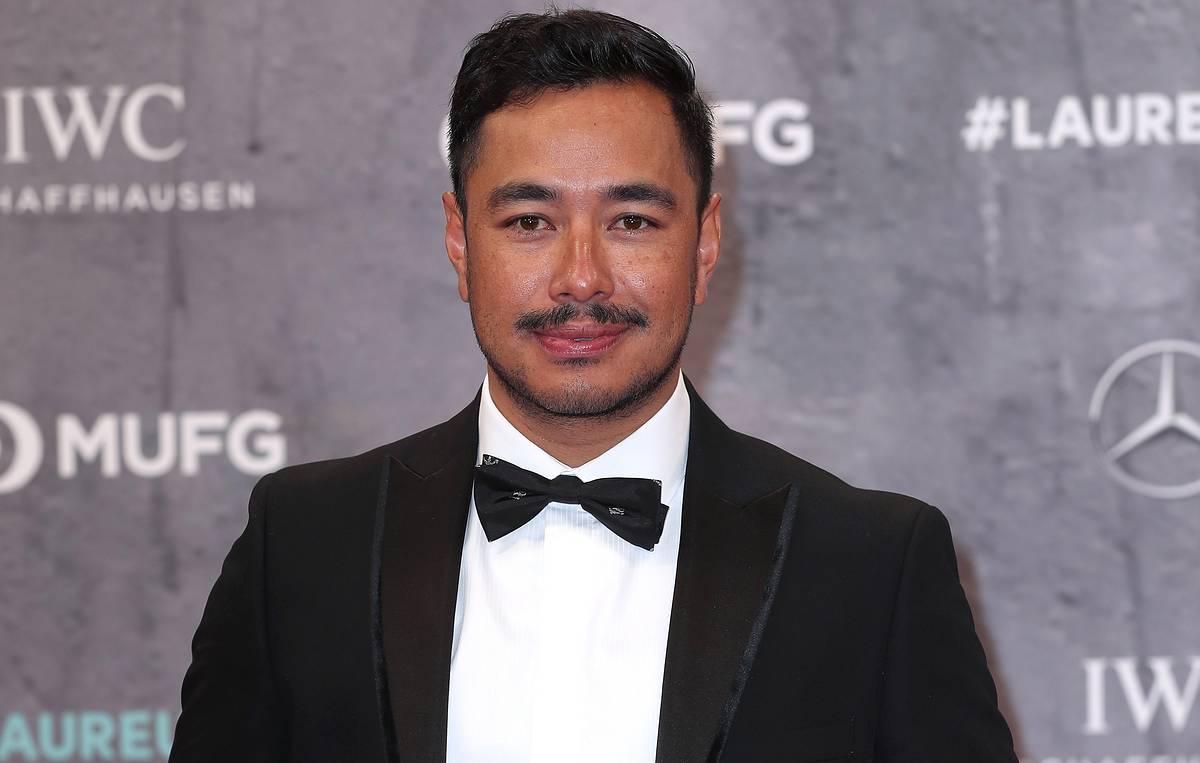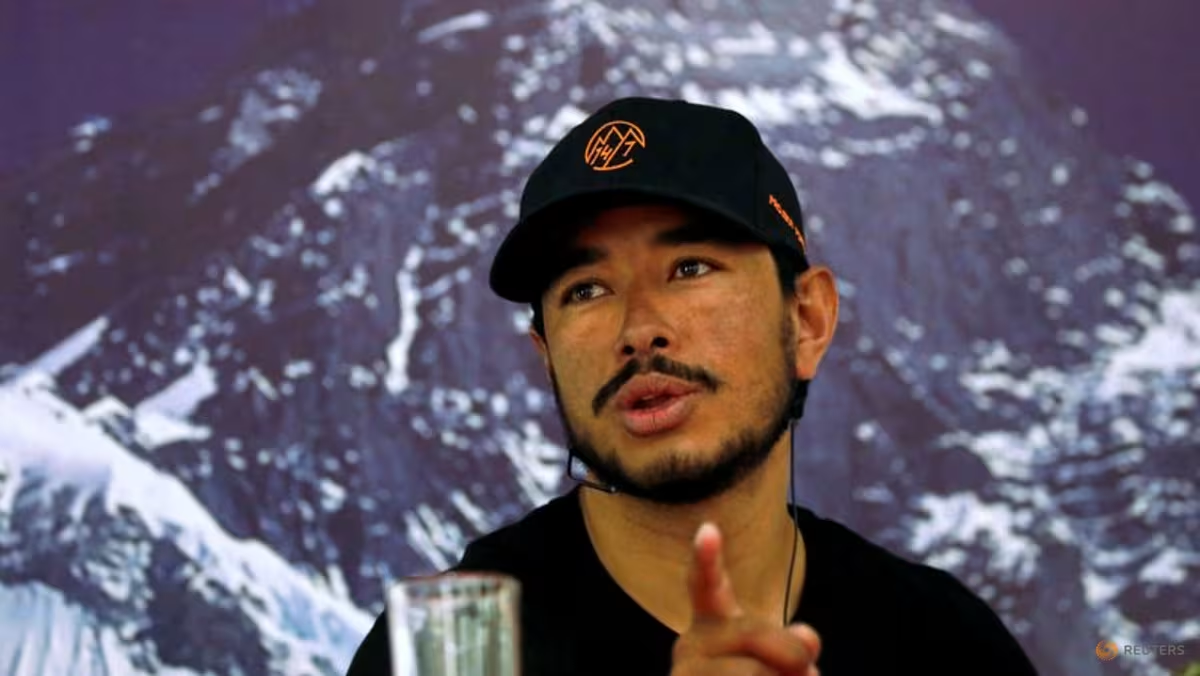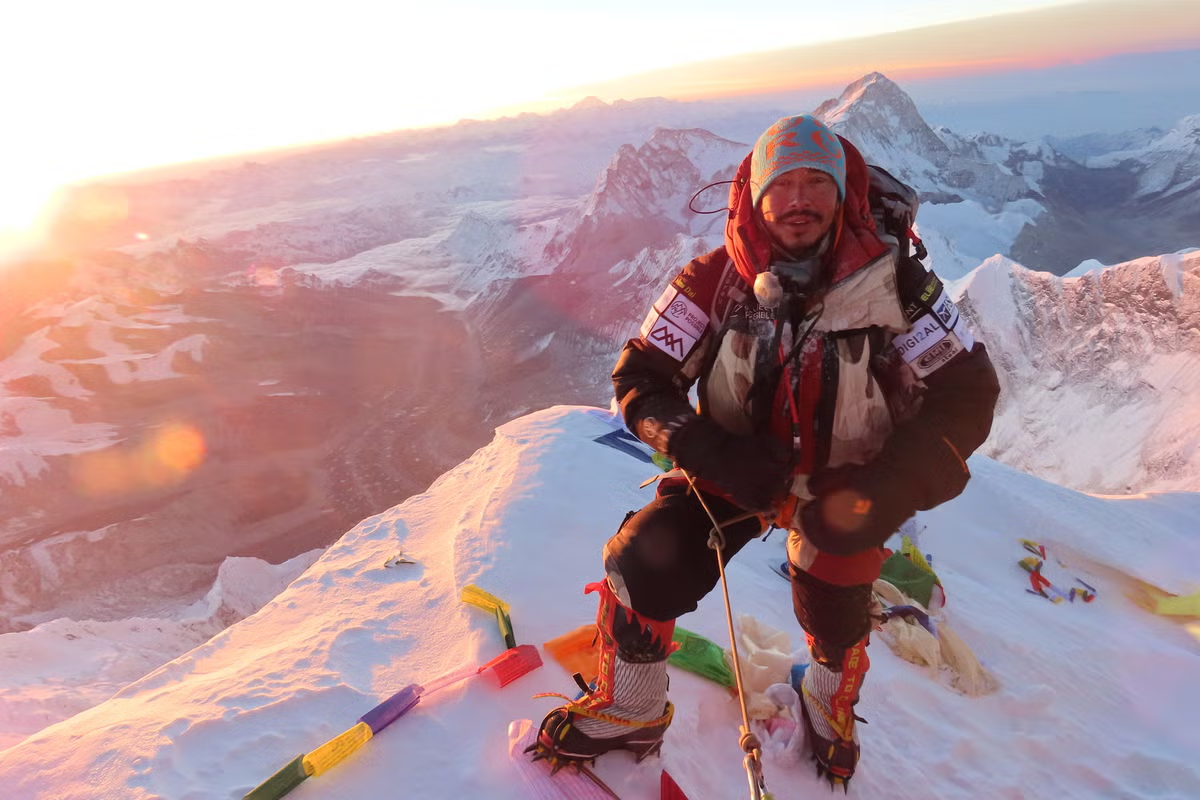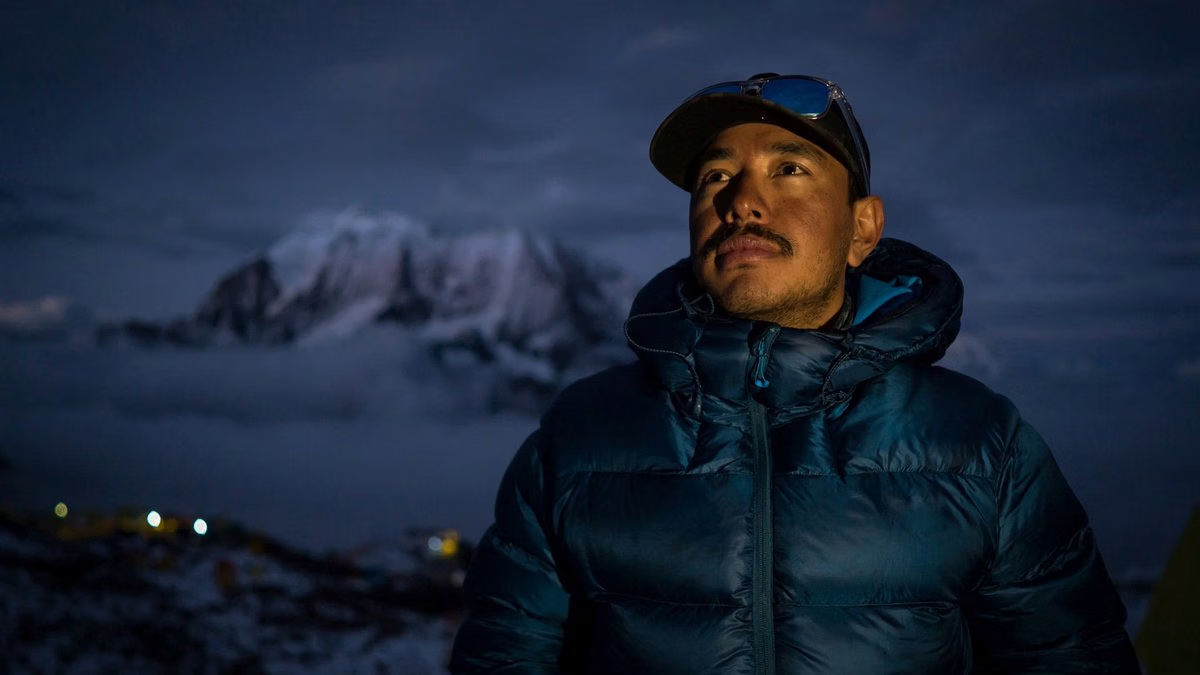
Four days later, the mountain had the final word.An avalanche struck the expedition on Broad Peak in Pakistan’s Karakoram, killing Purja and nine other climbers. Purja was 43. Tributes poured in from Nepal, Britain and the international climbing community. Fellow climbers recalled not just an extraordinary mountaineer but a leader who constantly challenged the limits of what was considered possible.To the wider world, Nirmal Purja was the man who climbed all 14 of the world’s 8,000-metre peaks in just 189 days in 2019, breaking a record that had stood for years. To many, he was “Nims”, the climber from 14 Peaks: Nothing Is Impossible, the documentary that introduced millions to Himalayan mountaineering. But to Nepal, he represented something larger: a generation of climbers determined to move Nepalese mountaineers from the margins of climbing history to its centre.His achievements made him famous. His methods, personality and controversies made him one of the most debated figures in modern mountaineering.
Also Read: Union Budget 2026 pushes mountain trails for tourism. It will be a challenge for state govts
From Myagdi to Special Forces
Nirmal Purja was born on 25 July, 1983, in Dana, a village in Nepal’s Myagdi district, beneath the shadow of the Himalayas that would later define his life. With limited educational opportunities in the village, the family eventually moved to Chitwan so that Purja and his siblings could study. Looking back at his childhood, Purja once recalled: “We used to live in this little house where the whole of the upper floor was used for chickens. It was four days’ walk to the nearest road.”Like many young Nepalese men, Purja saw the Brigade of Gurkhas as a route towards opportunity. Three of his elder brothers had already enlisted. In 2003, he joined the British Army. But the military was not just a career choice for him. “When I joined the Special Forces, it was never for the money. It was for pure desire to serve in an elite unit,” he said.In 2009, Purja became the first Gurkha to pass selection for the United Kingdom’s elite Special Boat Service (SBS), one of the world’s most demanding special forces units. His years in the military shaped his approach to extreme environments.As part of the SBS, he worked in cold-weather warfare, studying how humans operate in some of the harshest conditions on Earth. The discipline, preparation and teamwork he learned there would later define his climbing career.‘Project Possible’