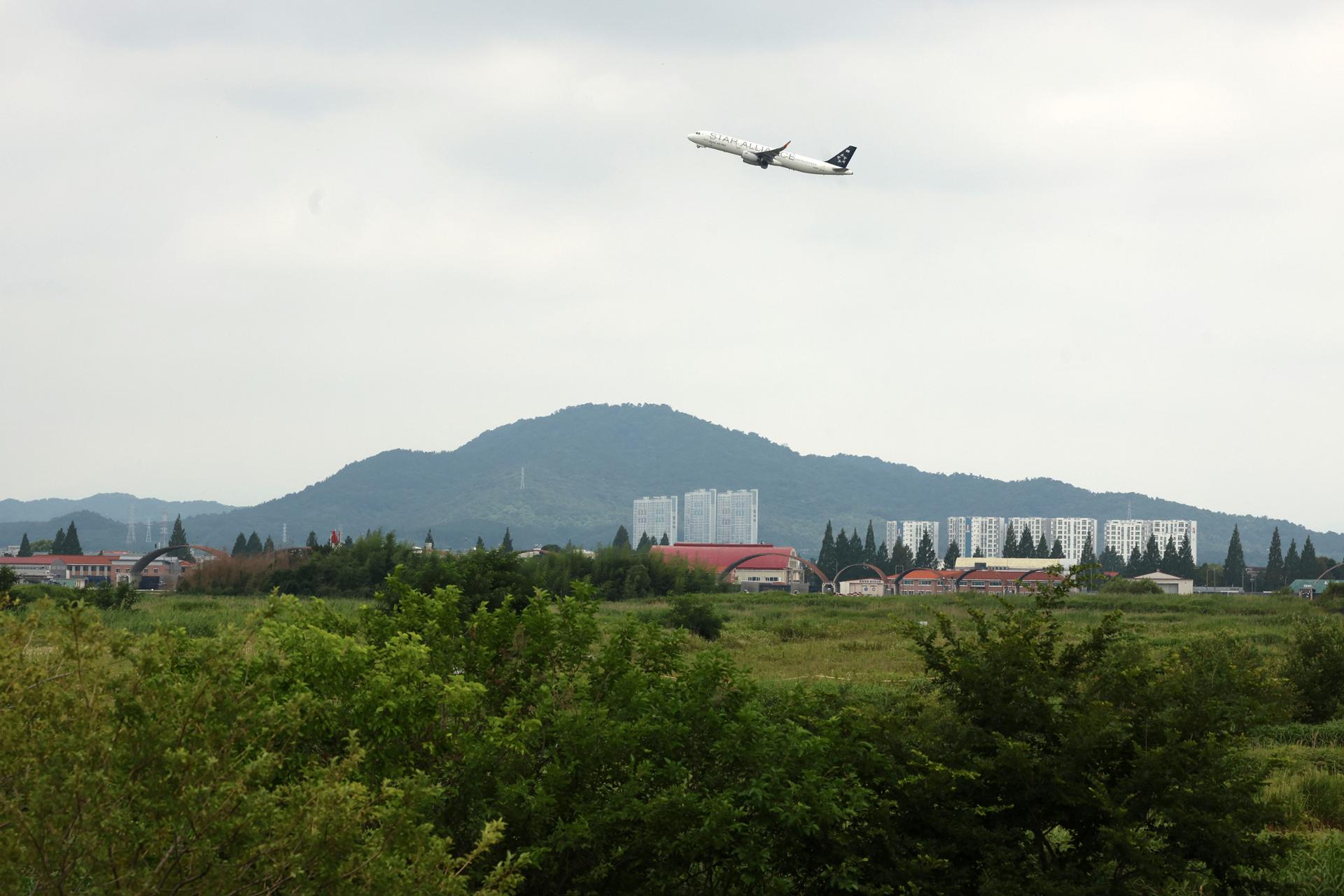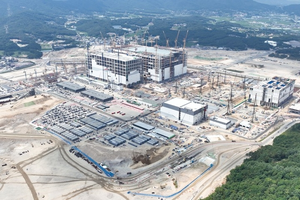
A construction site at the Yongin Semiconductor Cluster in Yongin, Gyeonggi Province (Yonhap) South Korea will cover up to 100 percent of the cost of building power, water and other infrastructure for designated semiconductor clusters under enforcement rules approved by the Cabinet on Tuesday.The decree for the country’s special semiconductor law will take effect Aug. 11, the Ministry of Trade, Industry and Resources said.Under the rules, the central and local governments may shoulder between 50 percent and 100 percent of the total cost of building and operating the infrastructure needed for semiconductor clusters.The measure is aimed at easing the financial burden on chipmakers and accelerating the development of power, water, roads and other facilities required for large-scale semiconductor production.The government said the framework will apply to semiconductor clusters already under development, including the major chip hub in Yongin and a project announced for Gwangju in June.“With the legal foundation for a national support system for the semiconductor industry now in place, we will work closely with relevant ministries to swiftly implement the key policy measures stipulated under the law,” Industry Minister Kim Jung-kwan said.The decree sets out detailed provisions under the Special Act on Strengthening and Supporting the Competitiveness of the Semiconductor Industry, including procedures for designating chip clusters, workforce development programs and the operation of a dedicated semiconductor industry account.Regions seeking cluster designation must submit plans detailing their development goals, location and size; existing semiconductor and infrastructure base; and measures to establish workforce training and research capabilities, the ministry said.Projects outside the Seoul metropolitan area will receive priority consideration, as the government seeks to spread semiconductor investment beyond the capital region.The rules also allow preferential support for programs connecting regional semiconductor companies with skilled local workers, as well as retraining initiatives for industry personnel.A presidential semiconductor competitiveness committee will oversee major industry policies. Chaired by the president, the committee will include Cabinet-level officials from the industry, finance and science ministries, along with experts from companies, universities and research institutions, the ministry said.The decree also covers the collection of semiconductor industry statistics, the management of a special account for industry support and the delegation of related administrative duties.
Korea to cover up to 100% of chip cluster infrastructure costs
South Korea will cover up to 100 percent of the cost of building power, water and other infrastructure for designated semiconductor clusters under enforcement r
359 words~2 min read