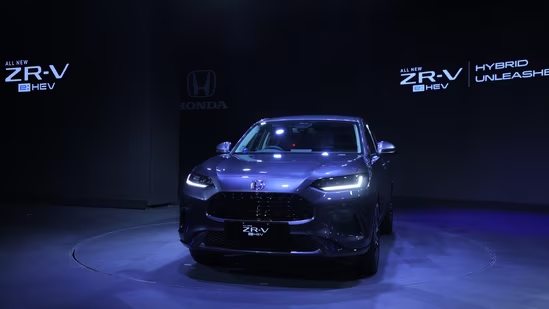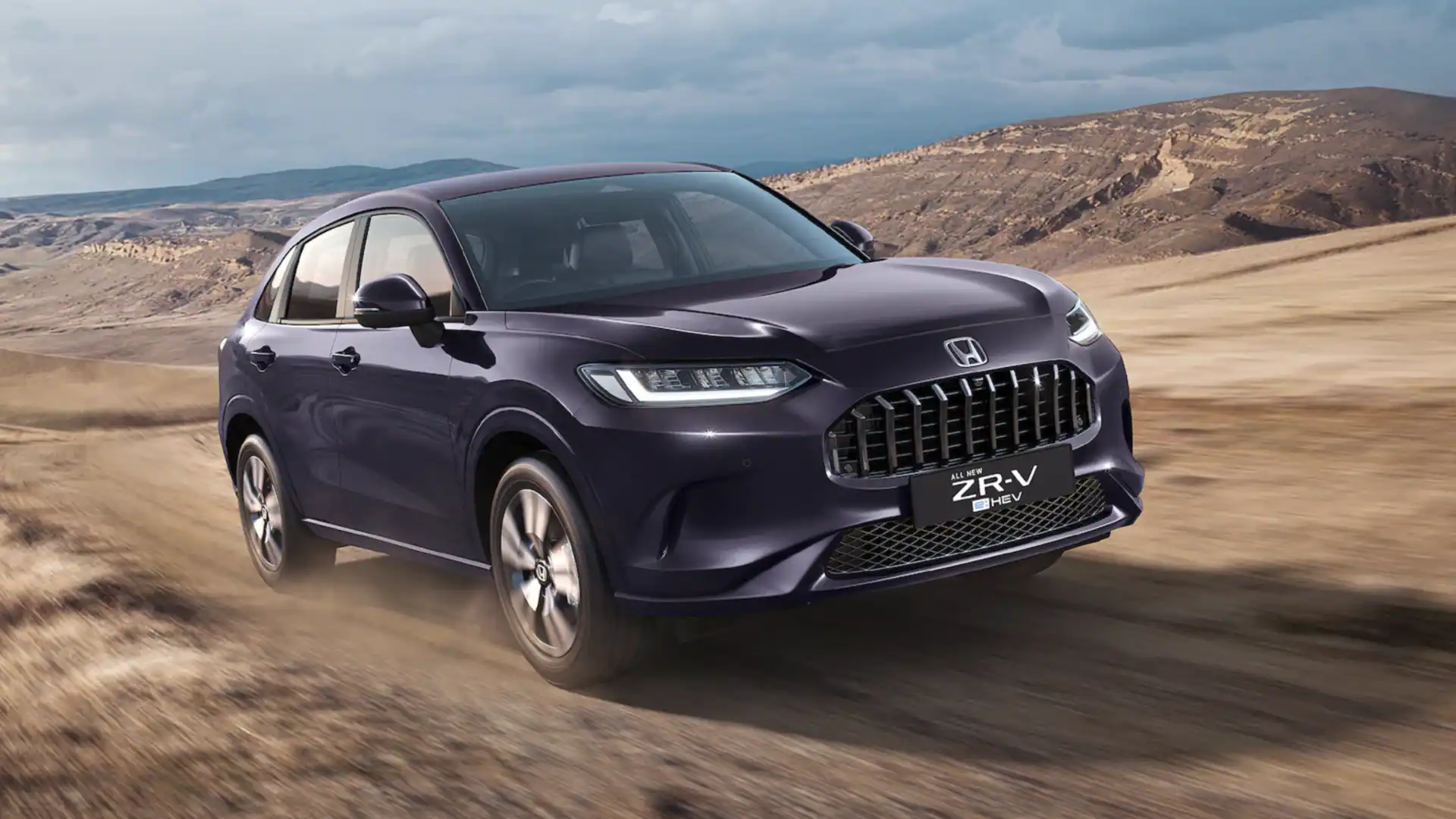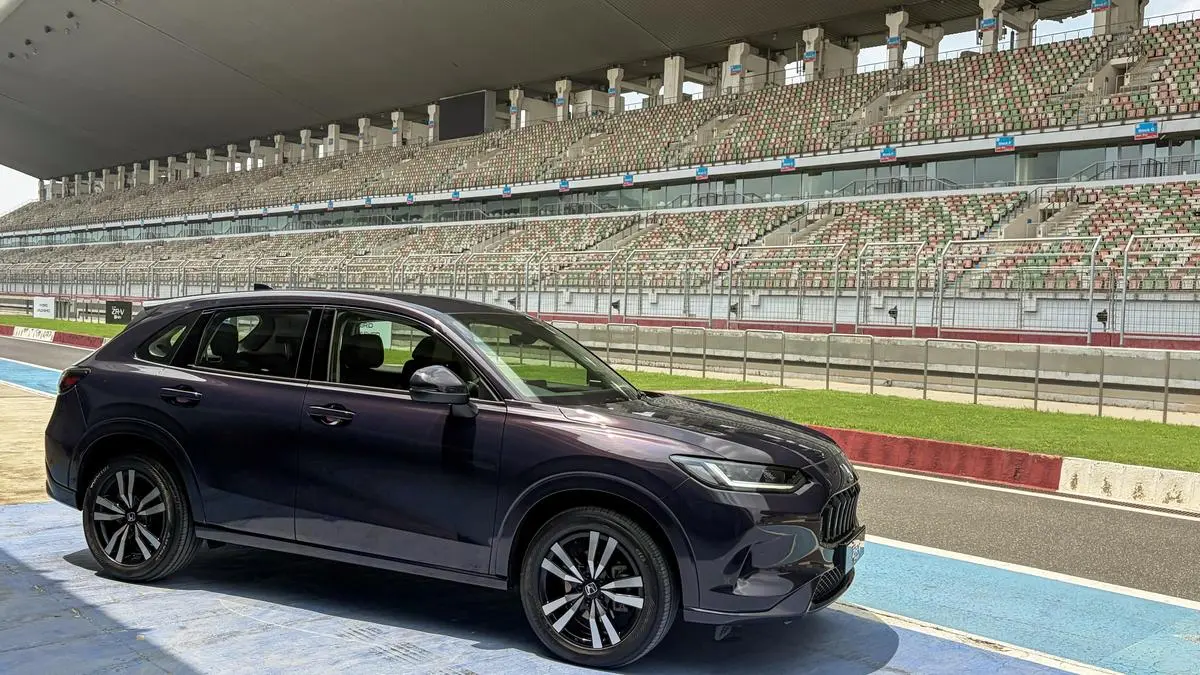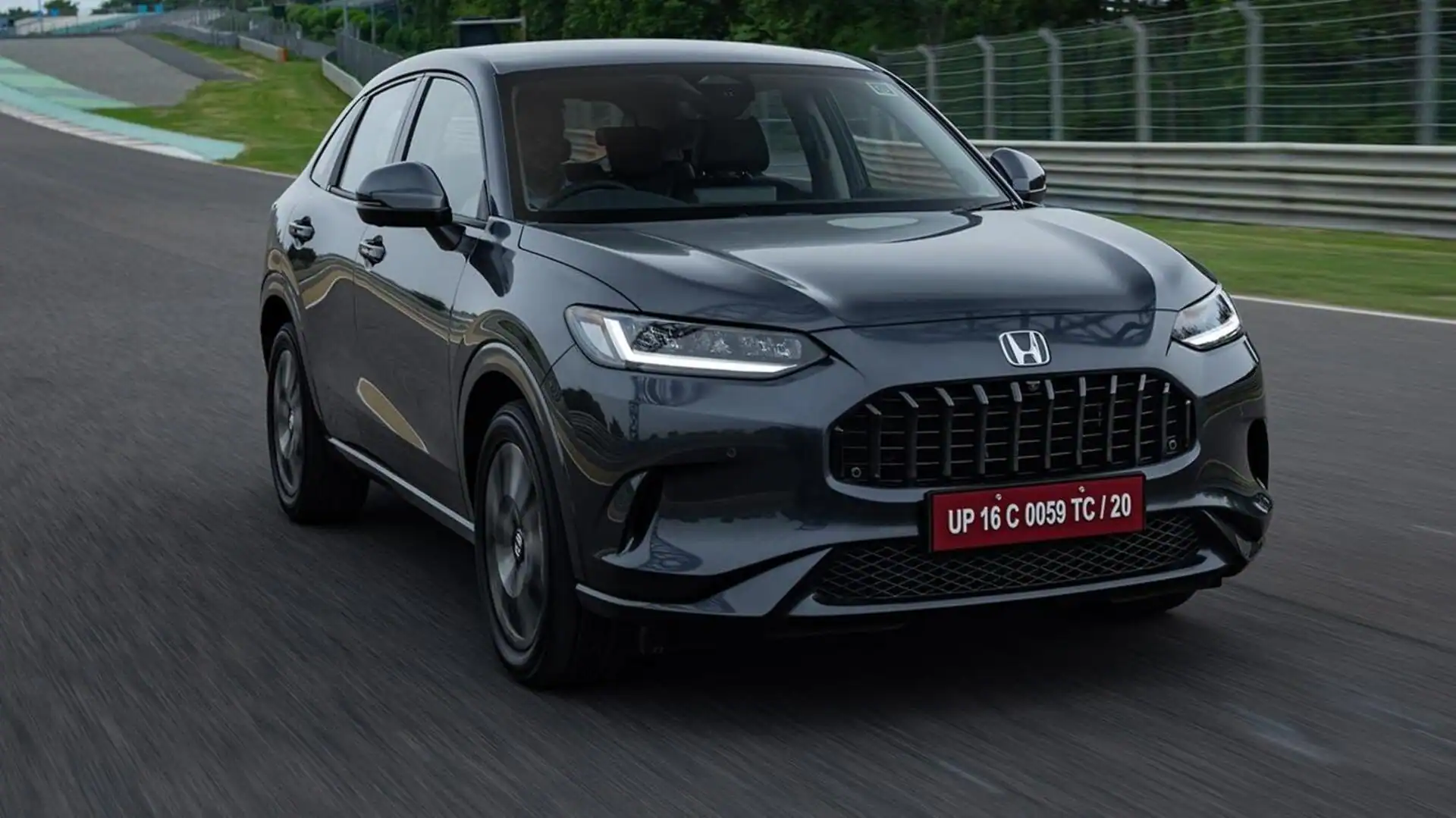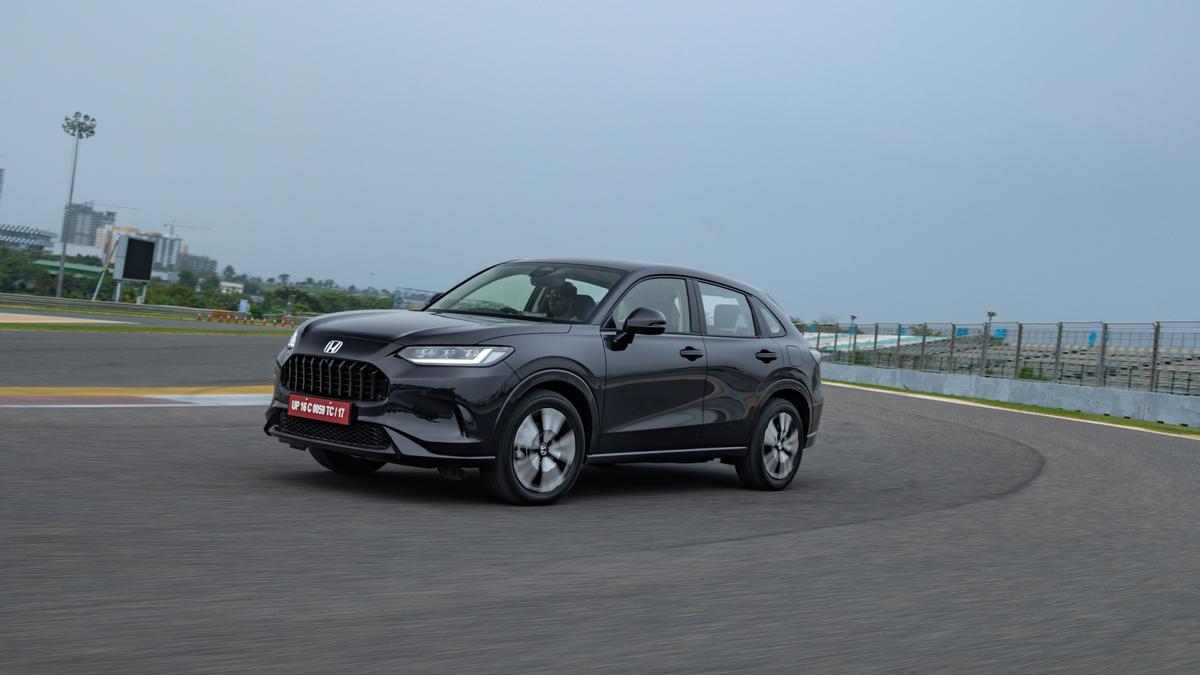
The Indian premium SUV market has become a battle of excess. Bigger screens, larger grilles, endless feature lists and increasingly aggressive styling have become the norm. Honda, however, has taken a different approach (route) with the ZR-V. Instead of chasing trends, it has focused on building an SUV with solid engineering at its core. The ZR-V feels like a car designed to be genuinely good to drive and live with, rather than one created simply to tick every marketing box.That philosophy comes at a price. At ₹47.99 lakh (ex-showroom), the ZR-V is far from expensive, especially considering it is a five-seater imported into India as a Completely Built Unit. On paper, buyers will find rivals offering seven seats, all-wheel drive or longer equipment lists for similar cost. Spend some time with the ZR-V, however, and it becomes clear that Honda isn’t selling a list of features. Instead, it is offering a well-rounded ownership experience built around refinement, quality and engineering.
Powered by Honda’s latest 2.0-litre e strong hybrid system, the ZR-V blends brisk performance with impressive fuel efficiency
| Photo Credit:
Special Arrangement
The first thing that stands out is just how well engineered the ZR-V feels. There is a reassuring solidity throughout, from the way the doors shut to the precision with which every switch operates. Honda has long been known for getting the fundamentals right, and the ZR-V carries that tradition forward with confidence. The cabin is an especially pleasant place to spend time in, not because it overwhelms you with technology, but because everything feels thoughtfully designed. The materials exude quality, the ergonomics are spot on, and visibility is among the best in the segment. There is a refreshing absence of unnecessary drama, with the focus firmly on comfort, usability and craftsmanship rather than gimmicks.Honda has also incorporated several thoughtful engineering touches that owners will appreciate every single day. The windscreen washer jets are integrated into the wiper arms rather than the bonnet, allowing the glass is cleaned far more effectively while using less washer fluid. The powered tailgate, meanwhile, does not begin closing the moment you press the close button. Instead, it pauses briefly, giving you enough time to step away comfortably before completing its movement. Neither of these innovations will sell a car on their own, but together they demonstrate the amount of thought that has gone into the product.