The sharp, grey corrugated iron fences marked out the places we weren’t meant to go; patches of disused land that sat idle between rows of life.There was two-up, two-down narrow housing next to prefabricated, single-storey dwellings, erected after the Second World War to cope with a changing population. At the bottom of the road, a small chapel, offering Sunday school and a version of order.This was community. Neighbourhood. West Ham community. A different community to the one Karren Brady would later try to reshape to keep up with football’s relentless explosion of professionalism, money and ambition.West Ham United, a working-class club, rooted in a working-class place. Its people were working-class — many at the harder end of it. Football sat at the centre of everything, even when it wasn’t visible. Locally, it lived in conversations outside Bernie’s corner shop, in the rhythm of the week inside Windsor School’s playground. West Ham wasn’t just a club: it was a reference point, a constant in a place that didn’t always offer stability.There wasn’t much green space in Cyprus Place, but there was plenty of joy — the noise of children playing street football, the freedom of few cars to interrupt us. Most people took the bus or stayed local. This was east London in the 1970s.Front doors were rarely closed. Inside, life unfolded in cramped sculleries that backed onto concrete yards — no gardens, just space enough. Many homes still had bomb shelters. Tin baths. No indoor toilets. In winter, or late at night, you used a bucket. Ours was yellow. You remember these things.You also remember when the street turned claret and blue. Flags stretched across windows, cardboard trophies wrapped in foil whenever West Ham reached a cup final. And that was often enough: three FA Cups in 17 years, a European triumph, two more finals lost. It would come to be known as a golden era.The last of those FA Cups came in 1980 — still the most recent time a team outside the top flight has won it. I was 10. Call Me by Blondie was the best-selling single of the year. Not many people called, though. Telephone lines in homes were scarce; using the local phone box meant queues and patience. Communication with the outside world was mainly by post.At the other end of our road, the cranes of the docks loomed — great Stothert and Pitt machines that growled overhead like something out of Star Wars, guarding the scale and mystery of the River Thames.From that direction, my grandad came home one day. Ron Goodacre, a stevedore, a longshoreman — strong, proud, always with a story. That afternoon, he had something else: a copy of the Evening Standard. Eight pence. Three decks of headline across the front page, no less.West Ham Sign
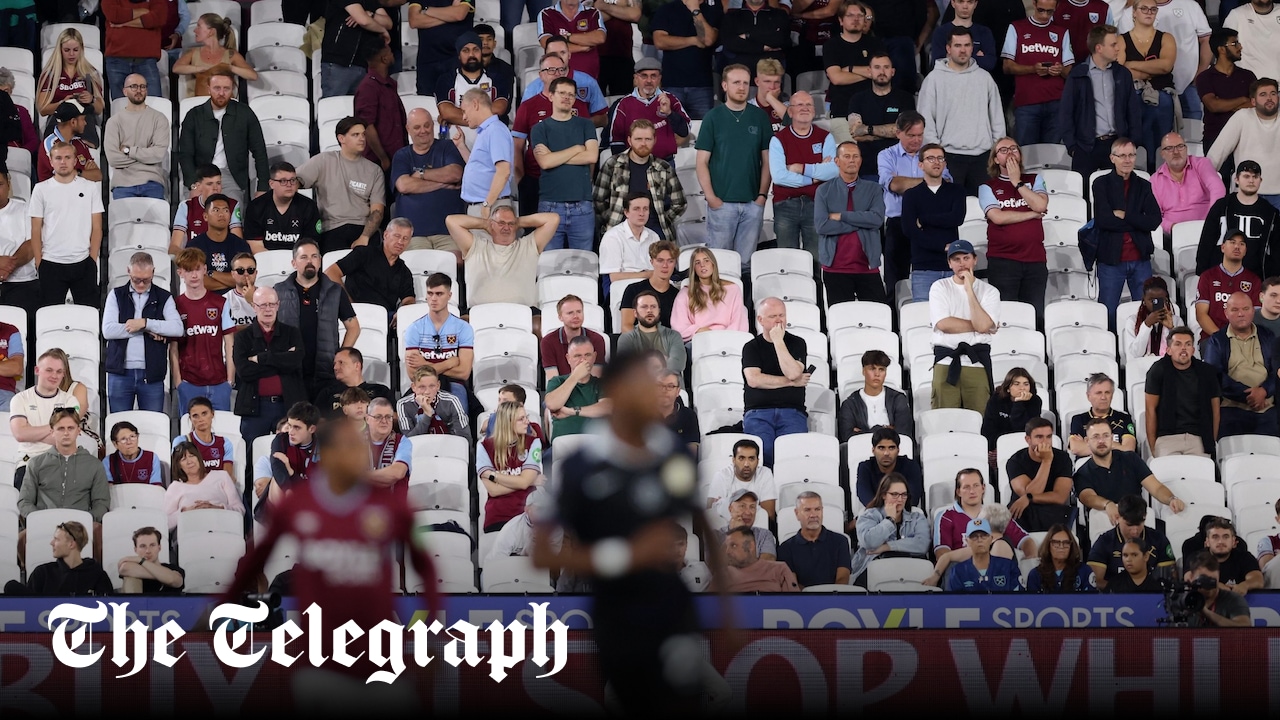
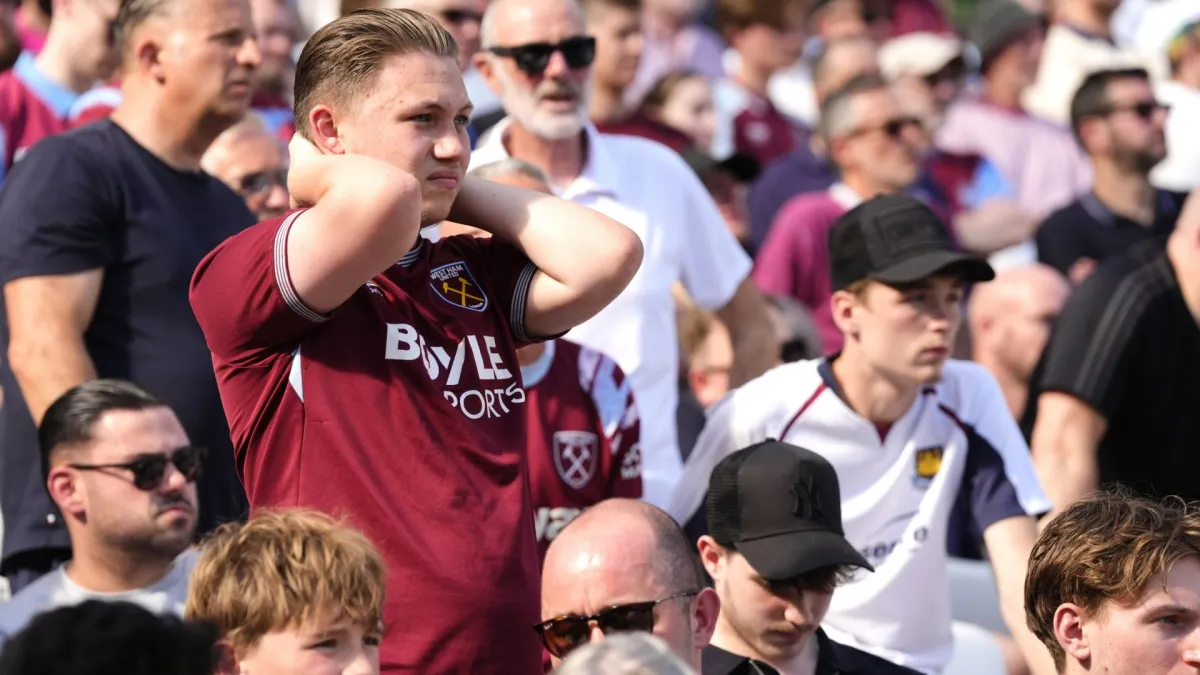
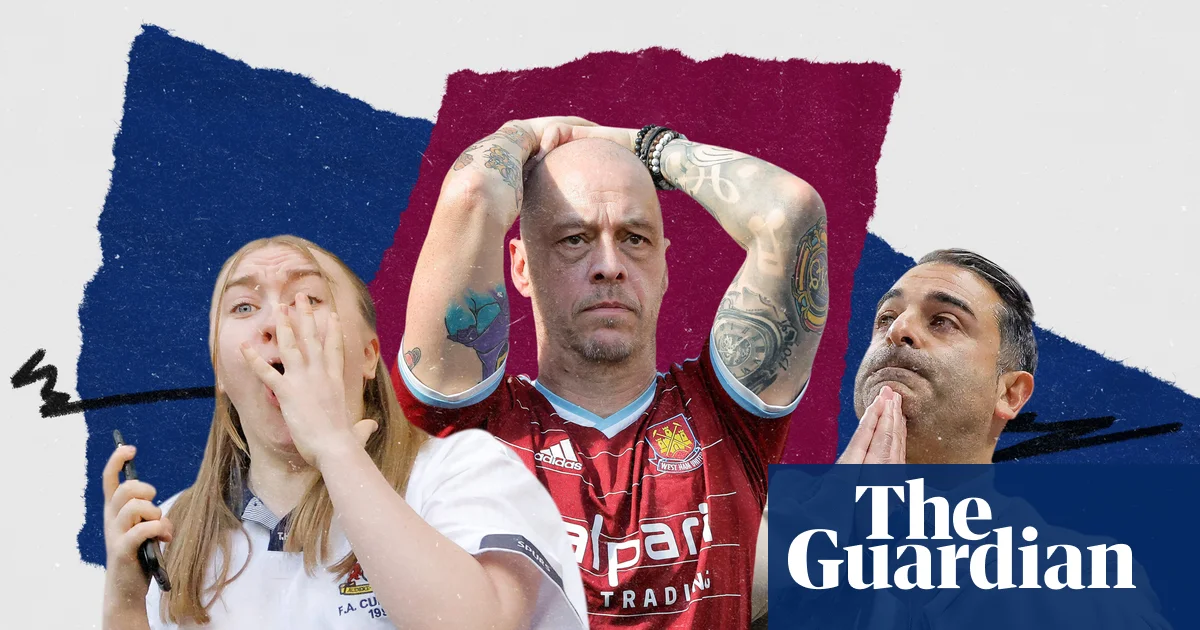
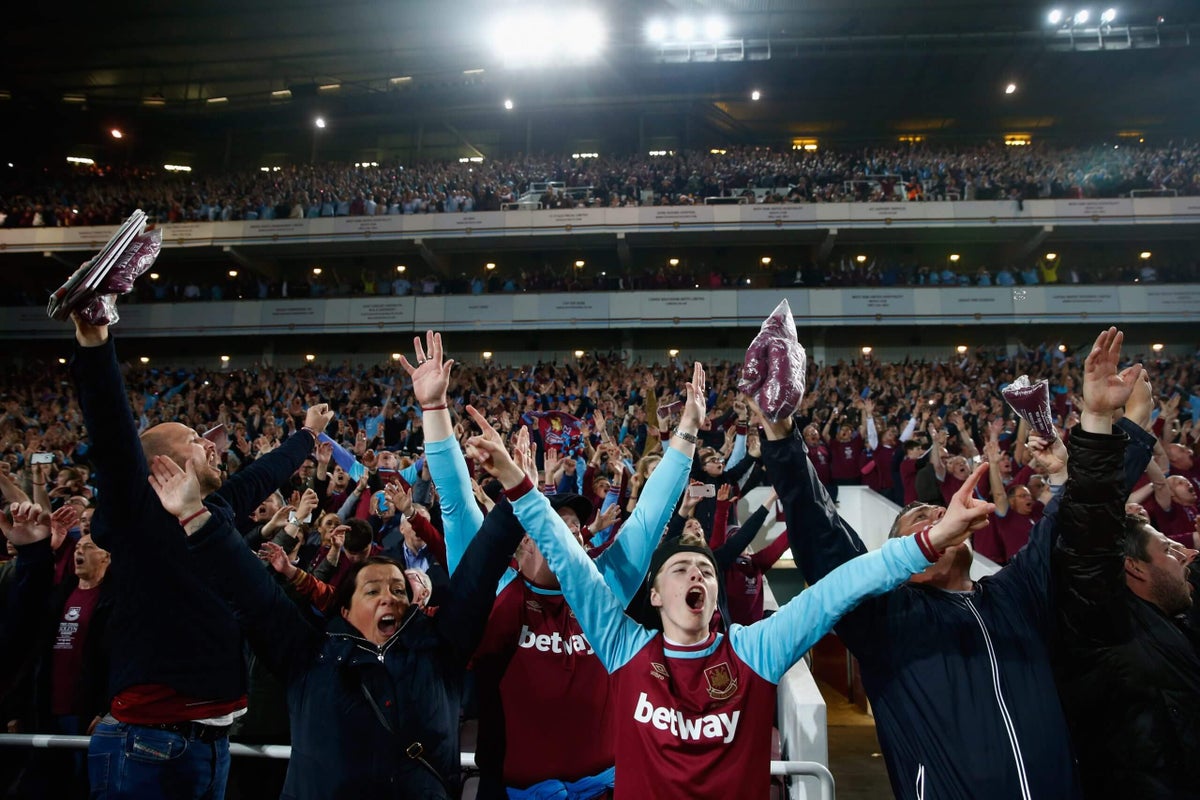
West Ham fans and a yearning for Upton Park, 10 years on – will they at least get a fresh start?
Looking back on the club's iconic stadium a decade after leaving, culminating in relegation in a soulless new home. How did it come to this?
2,038 words~9 min read