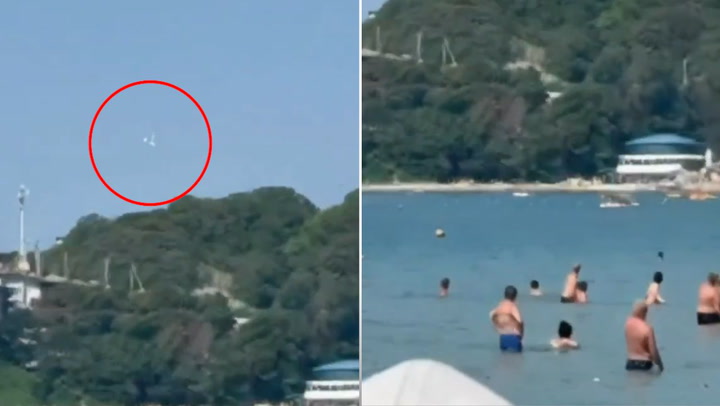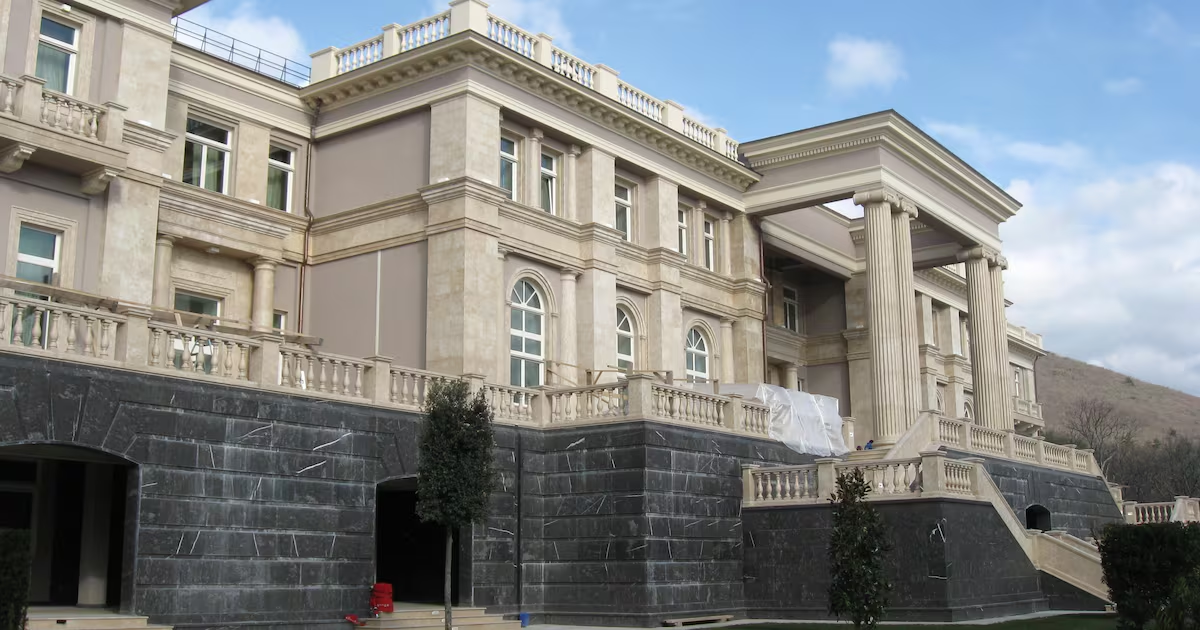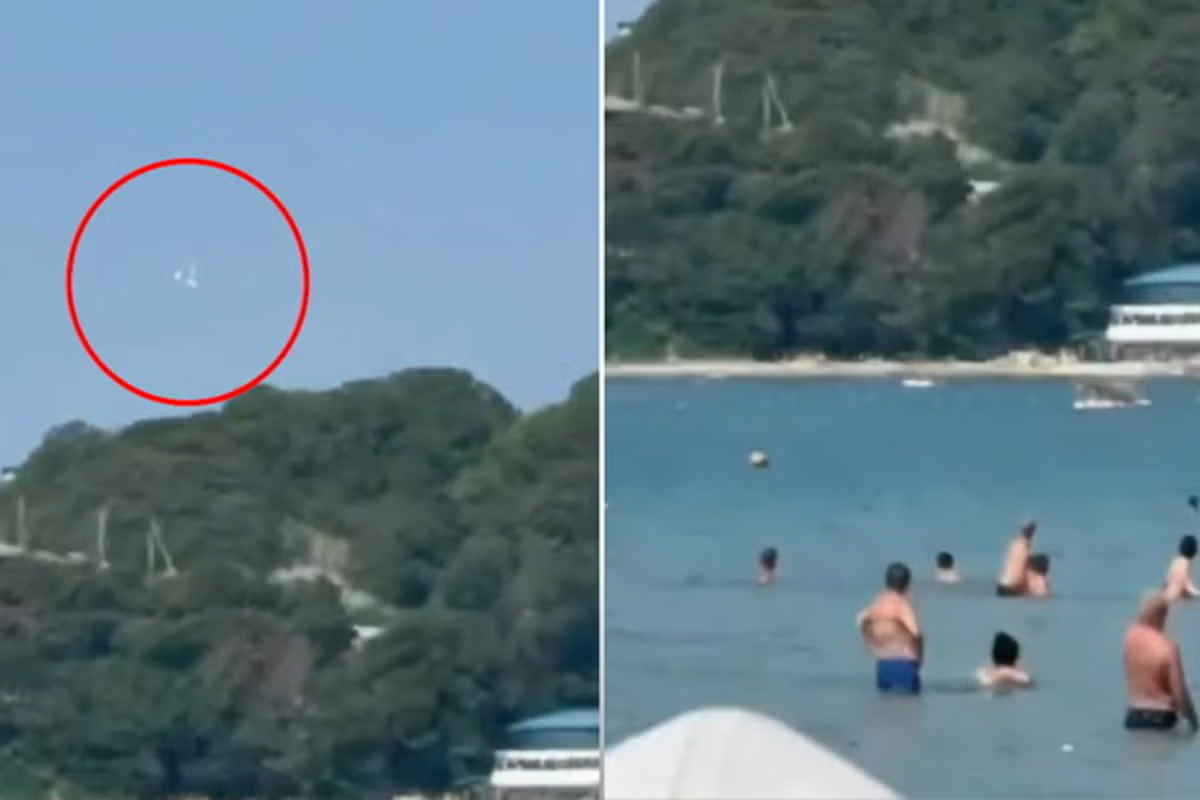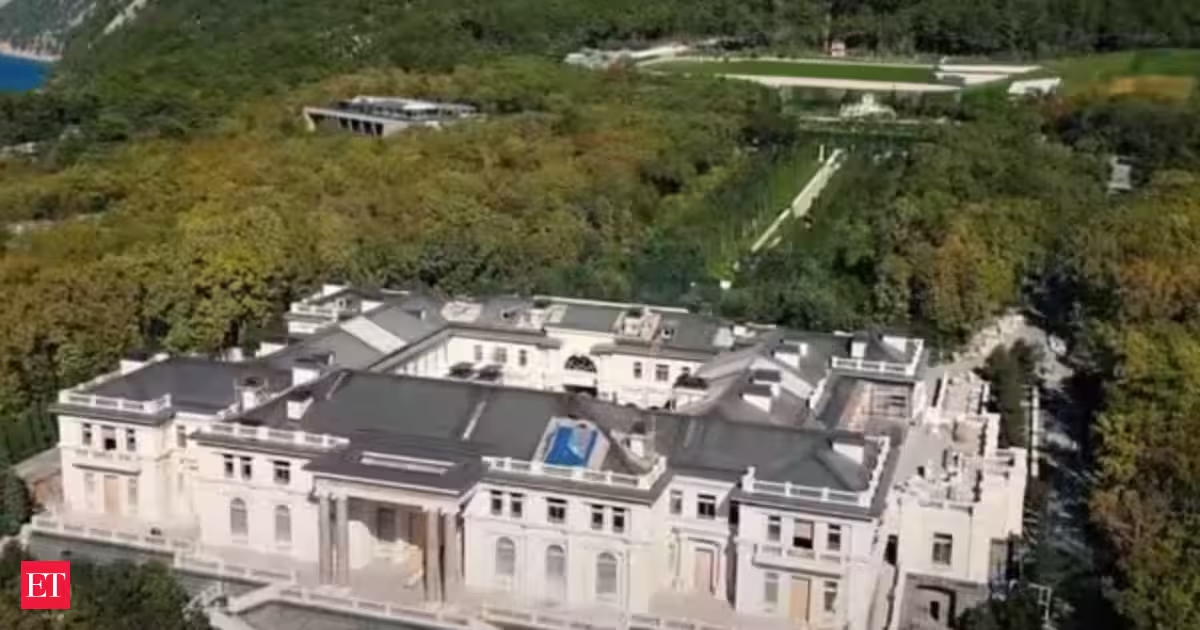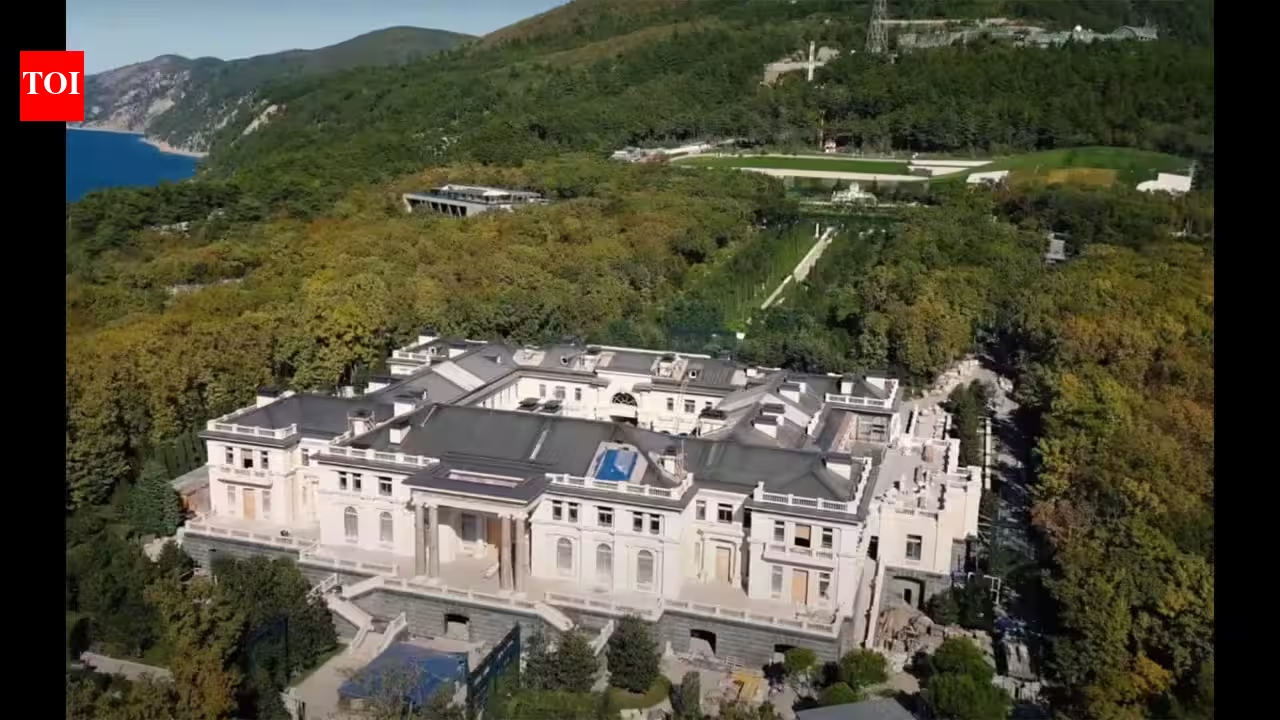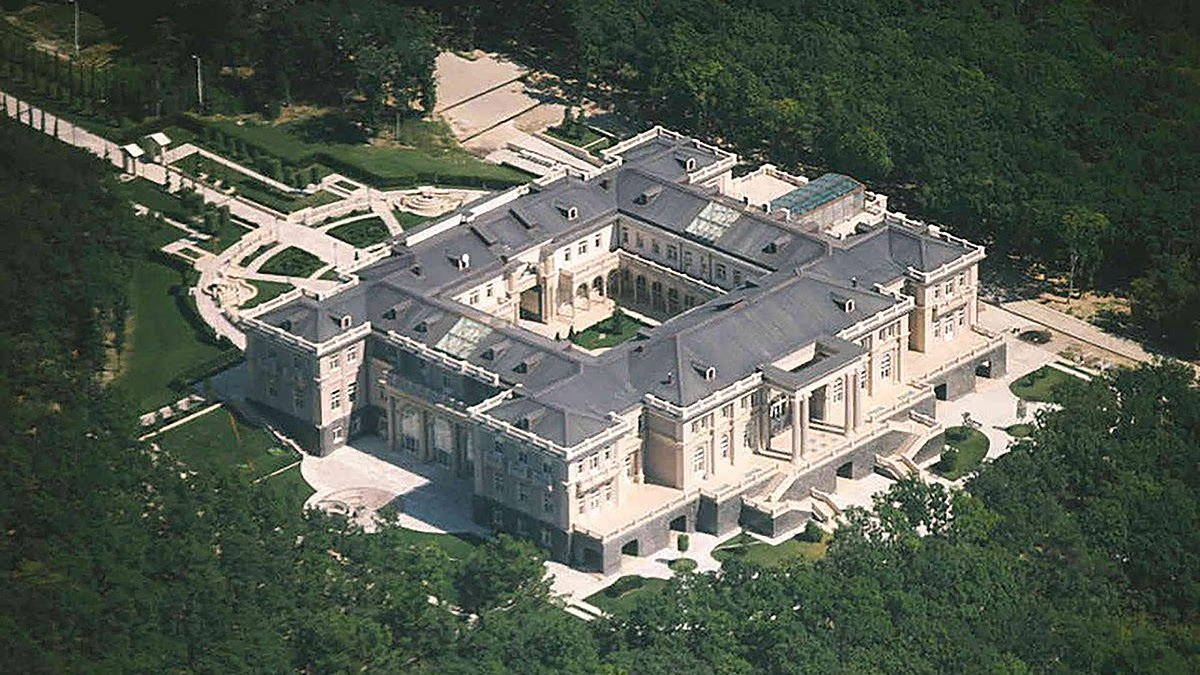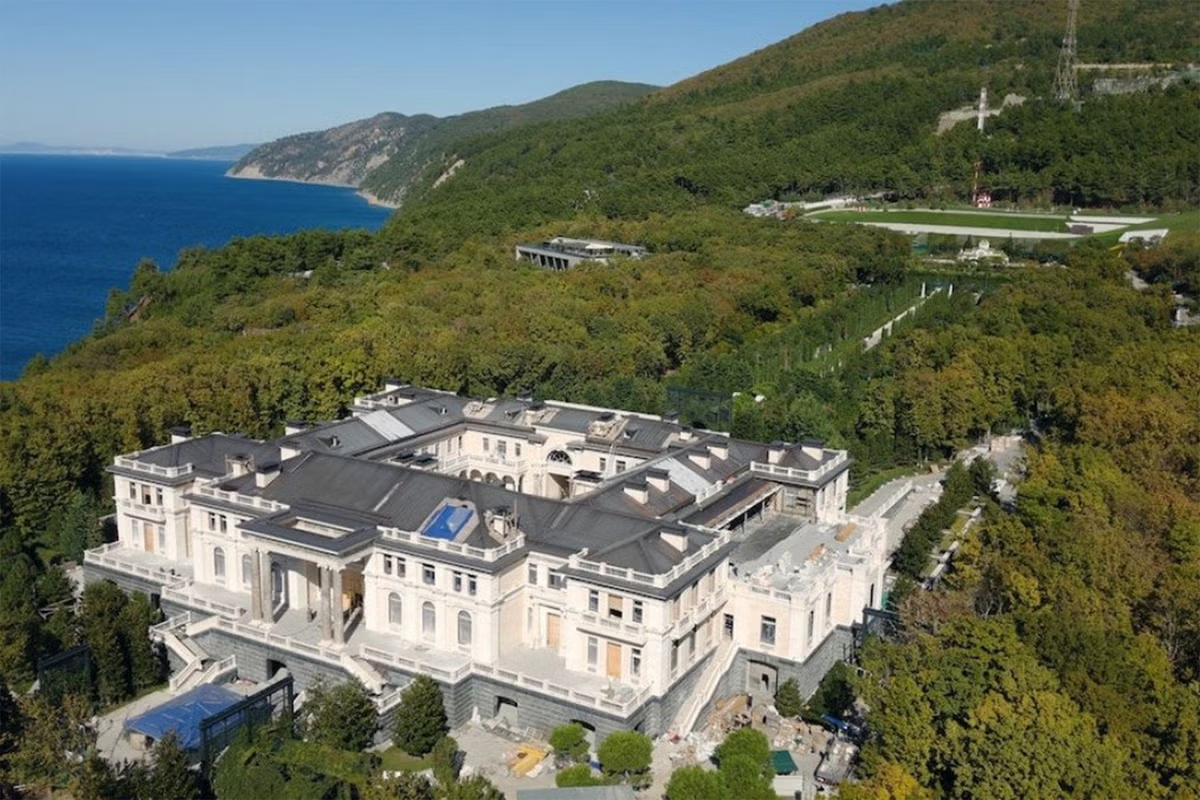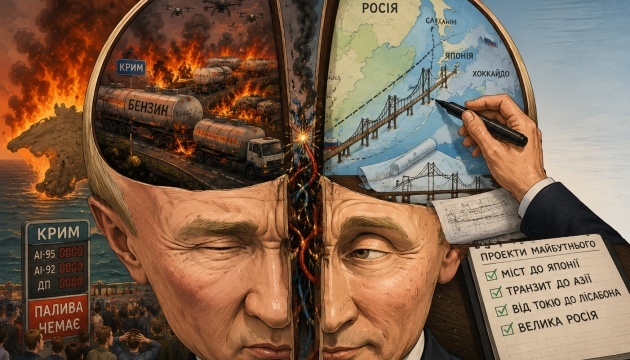
For years, the sprawling billion-dollar estate overlooking the Black Sea near Gelendzhik represented more than extraordinary wealth and secrecy. The compound known as “Putin’s Palace” became a monument to the insulated world surrounding Vladimir Putin – heavily protected, removed from ordinary Russians and seemingly untouchable by the consequences of the war launched from Moscow. The latest drone incident near Gelendzhik brought the war to within roughly two dozen kilometers of the estate. The palace itself was not reported hit, and Ukraine has not confirmed what the drone was targeting. But the symbolism is difficult to miss: even one of the most heavily protected corners of Putin’s Russia now lies within the expanding geography of war.JOIN US ON TELEGRAMFollow our coverage of the war on the @Kyivpost_official. The Kremlin sold its invasion as a distant “special military operation” that could destroy Ukrainian cities while leaving Russia’s own population, resorts and political elite safely behind an invisible wall. ‘There is nowhere to hide in Russia’ Perhaps the clearest acknowledgment of the change came not from Kyiv, but from Russian state television. Discussing how Russians perceive the war, one commentator admitted that many had still failed to understand that the battlefield was no longer confined to one geographical area. “There is no longer a single battlefield, and there is no longer a rear area where one can simply hide,” he said. “There is nowhere to hide in Russia.”
‘Nowhere to Hide’: Putin’s Black Sea Sanctuary Loses Its Aura
As Ukrainian drones push deeper into Russia, even the skies near Putin’s Black Sea sanctuary are exposing the collapse of Moscow’s myth of a secure rear.
933 words~4 min read