What you need to know:
There are already many problems in this market-like transaction, including a twist of roles where the masses, who should be the buyers, are themselves bought. This is not just a “political dynamic” but a crisis across Sub-Saharan Africa. How can Africa have good leaders when we always corrupt the process from the grassroots level?
Growing up two decades ago, I overheard numerous political debates and speeches and read quite a lot of articles on political issues in newspapers, both local and from across the African continent. I found them to be very intelligible and understandable, even to what I now adjudge was my young mind at the time.
I understood the arguments and proposals because they made sense, though I picked no side. I looked at politics as an affair of adults who knew what they were doing. Parliamentary broadcasts also glued many young people to their televisions because they made sense: there were the right questions and, most times, the right responses.
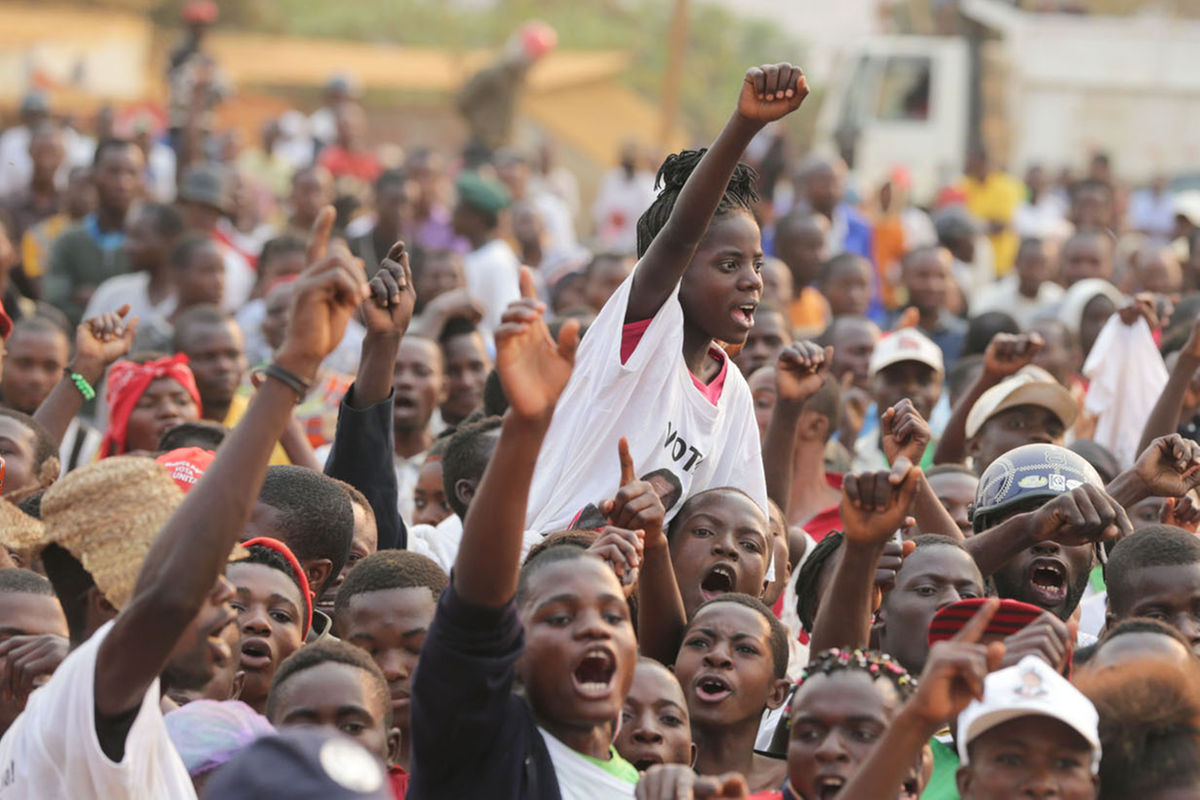
Today, as an adult myself, I look at politics, especially, and without mincing words, at the same levels, with appalling disbelief and a whole lot of unanswerable questions. I have questions regarding the processes, the political players, and even the political “market” itself, which in sub-Saharan Africa today, consists largely of young people. Why market? Because politics is like a marketplace where politicians sell their proposals for building the nation and citizens are the political buyers.