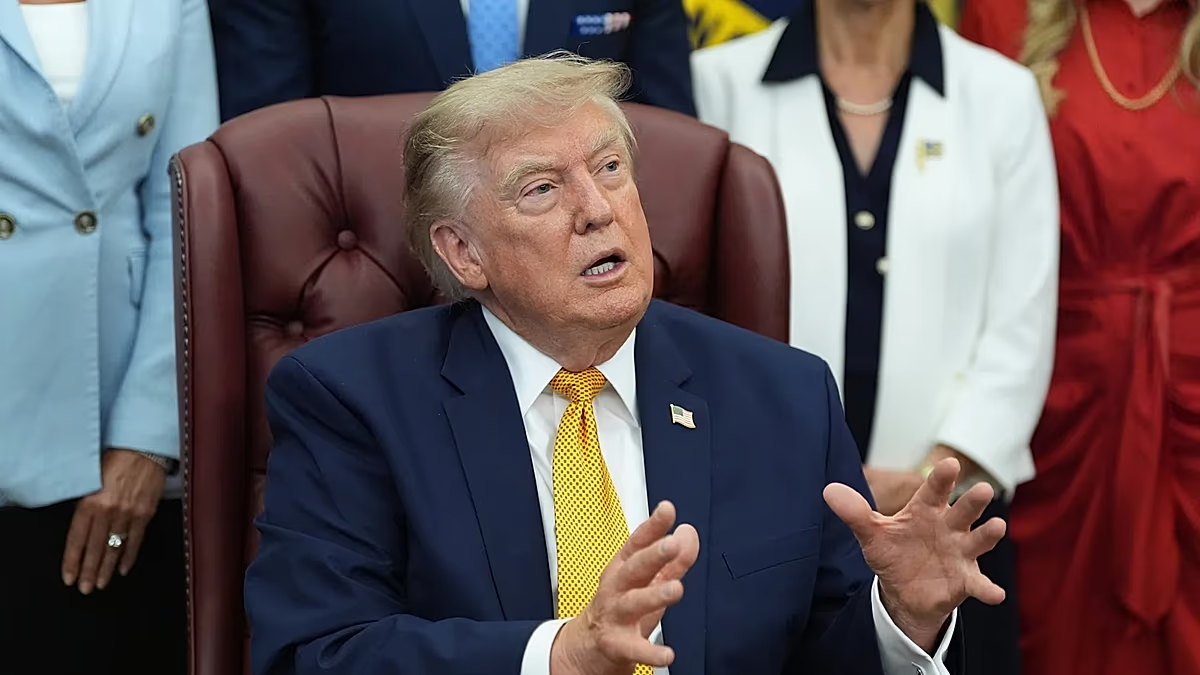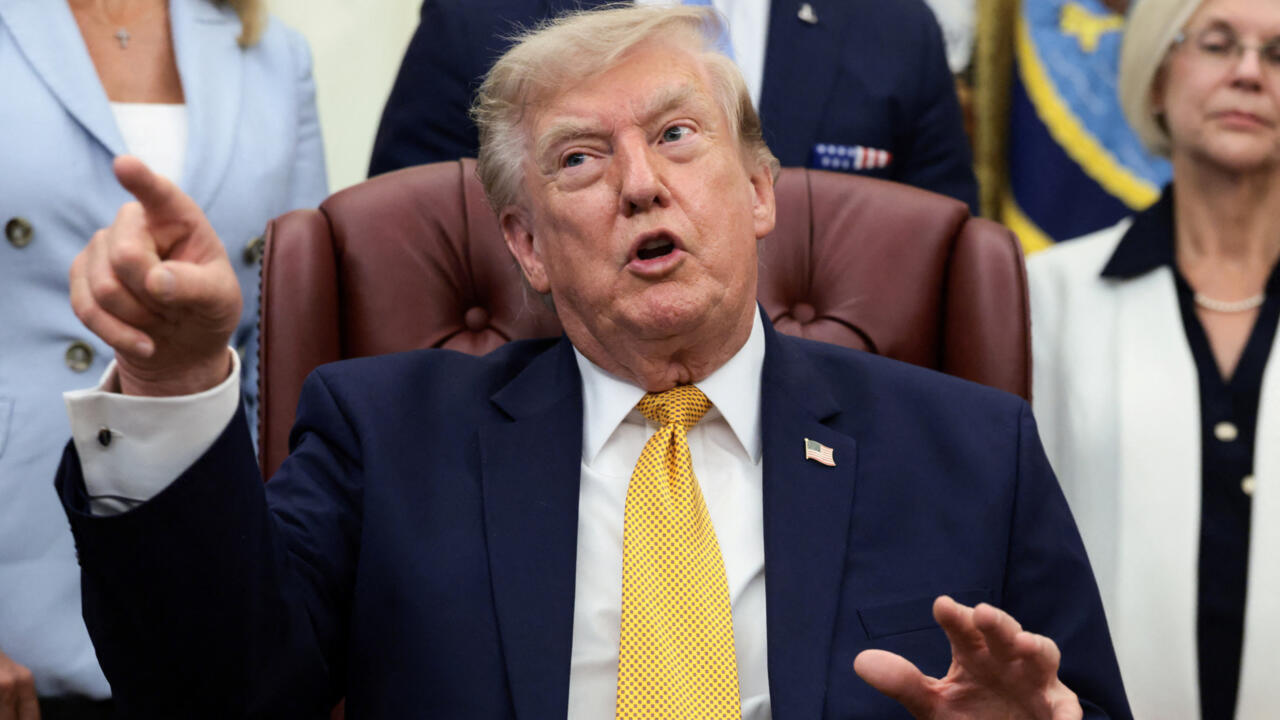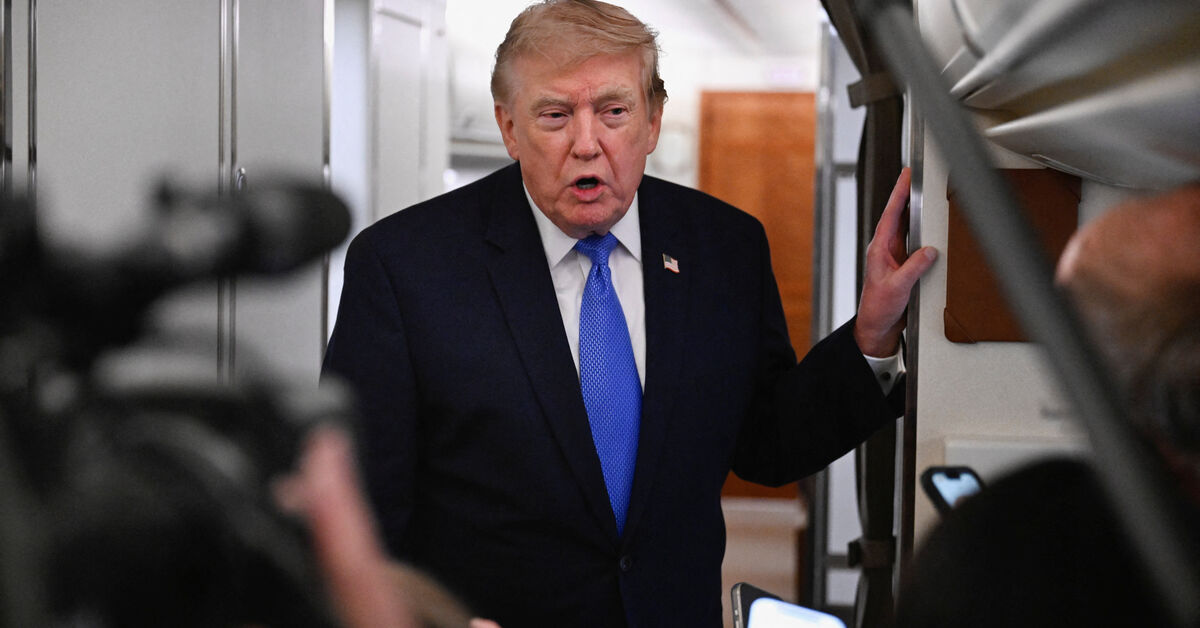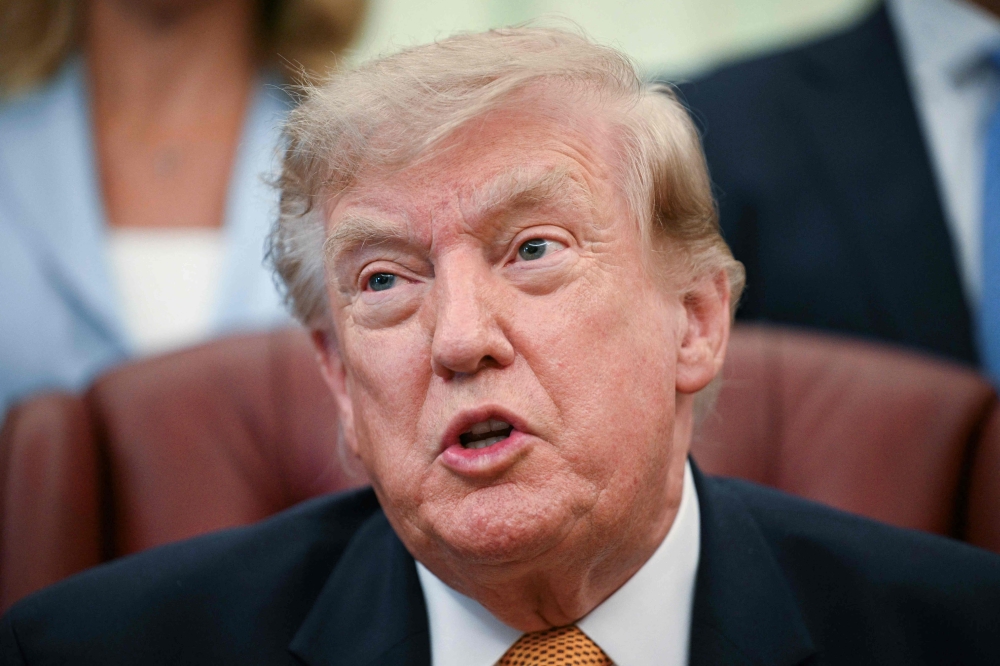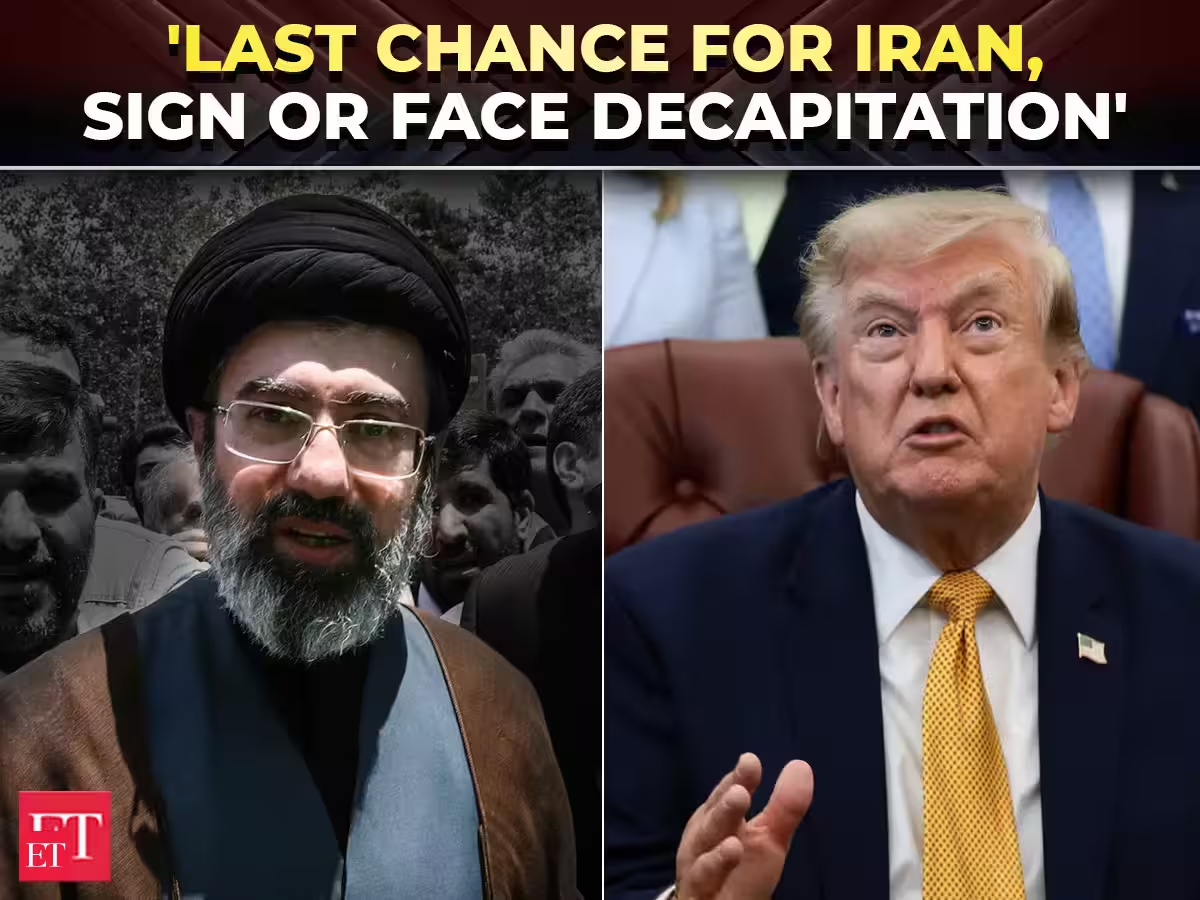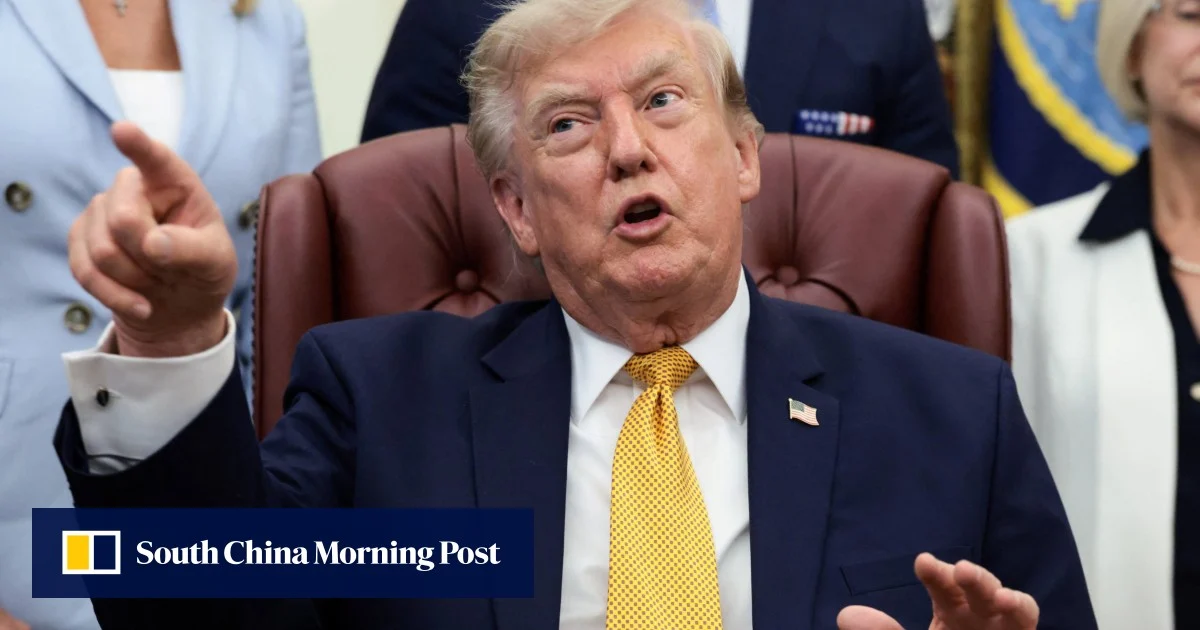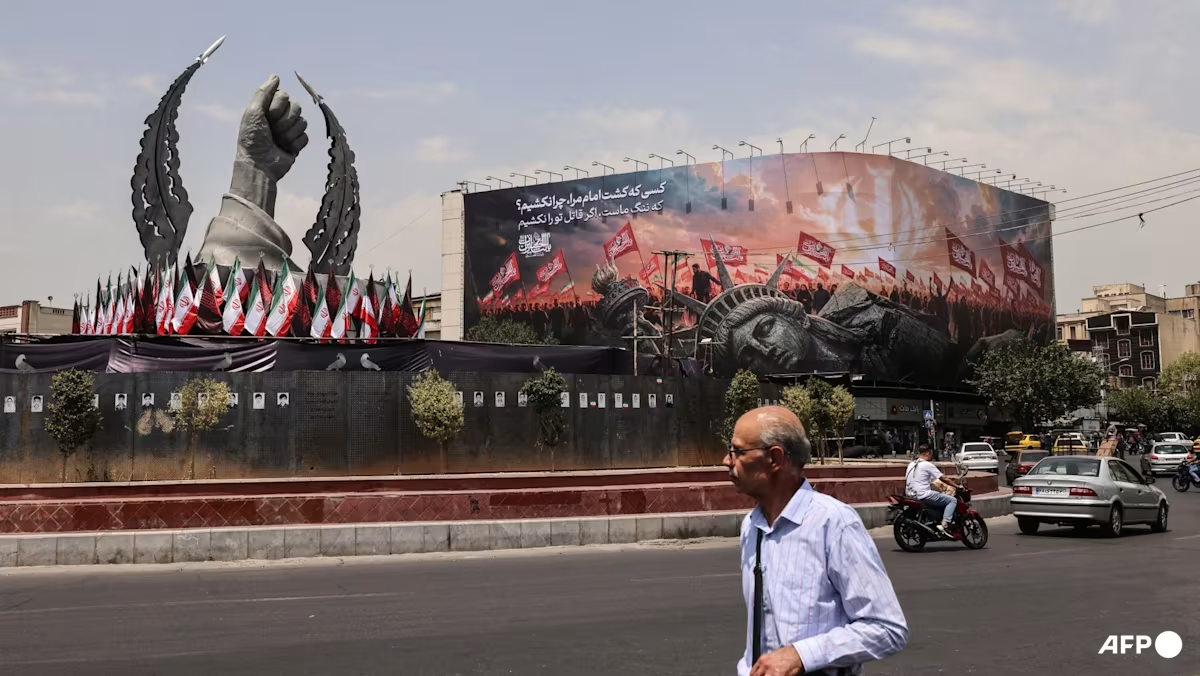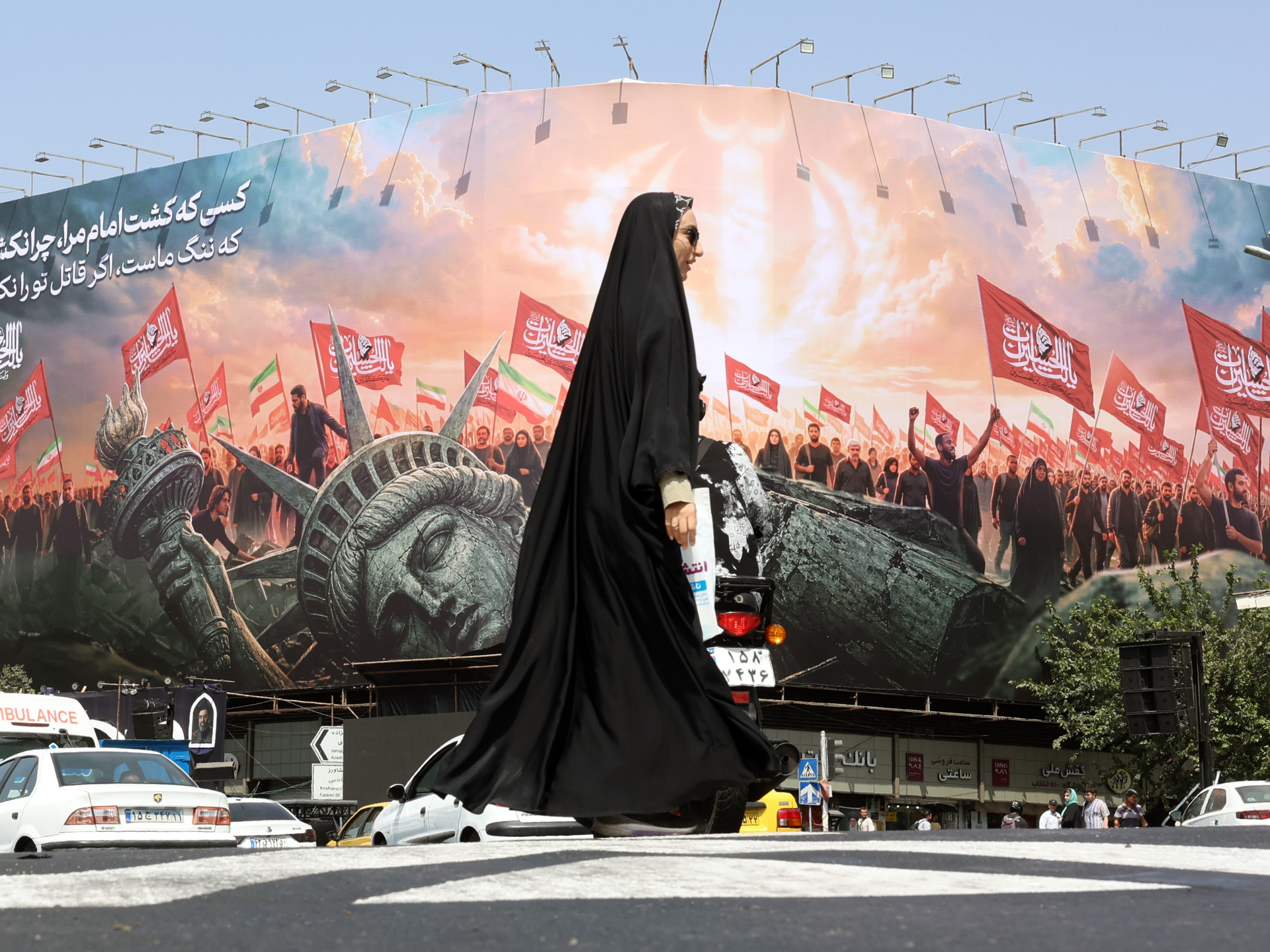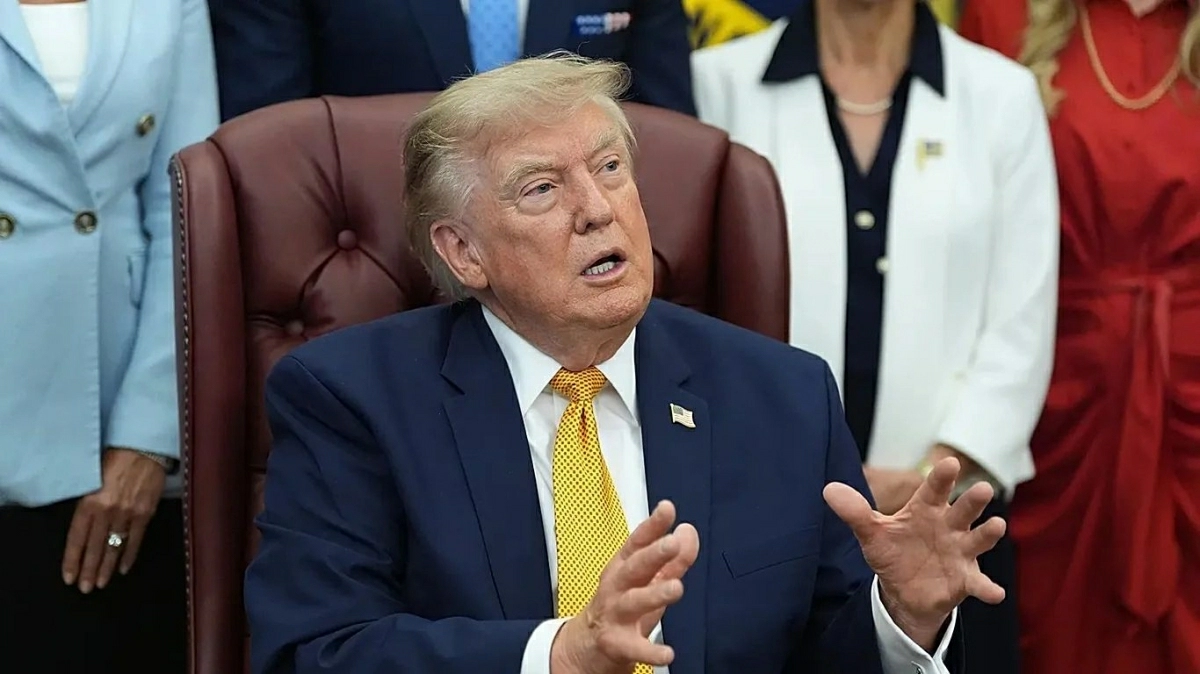
WASHINGTON — US President Donald Trump on Monday warned Iran had a "last chance" to sign a peace deal before "decapitation," saying negotiations were ongoing despite Tehran’s denials.Trump, speaking to reporters at the White House, said he agreed to continue to pursue talks with Iran at the request of Saudi Arabia, the United Arab Emirates, Qatar and other countries."We're talking. And we're talking at the request of Iran, backed by Saudi Arabia, backed by UAE and backed by Qatar in particular," Trump told reporters in the Oval Office."This is a last chance for them to sign a good document," he added.Pressed for further details, the president said the talks concerned the reopening of the Strait of Hormuz and limiting Iran's nuclear programme, two conditions for a deal that the US has repeatedly insisted upon."We're talking about the Strait, the opening of the Strait, having it open literally by tomorrow, completely open," he said."That's phase one. And phase two is we then will talk about the nuclear capacity," he continued, adding that the "denuclearisation of Iran has to happen."The Strait of Hormuz has been a key sticking point in diplomatic efforts between the two sides over the last few months.Tehran effectively closed the passage, which carries roughly a quarter of the global seaborne oil trade, after US and Israeli strikes on Iran in late February, throwing energy markets into chaos.The US and Iran came to a tentative agreement aimed at ending the conflict and reopening the Strait in June, with the signing of a "memorandum of understanding," but retaliatory strikes soon started up again.On Saturday, Trump announced that he had called off a large-scale planned attack on Iran at the request of Tehran and several Middle Eastern countries as the "perimeters of a deal" had been agreed.The Iranian military rejected Trump's claim that Tehran had requested that the US stop the attack, calling it a "new lie" designed to "blackmail Gulf rulers."Esmail Baghaei, a spokesperson for the Iranian Foreign Ministry, said on Monday that there were "no negotiations" with the US but that talks with Oman were underway over allowing the safe passage of vessels through the Strait of Hormuz.Washington and Tehran have been at war since February 28, when the United States and Israel launched surprise strikes against Iran, though months of on-and-off diplomacy have led to periods of relative calm.More than five months later, Iran remains able to fire missiles and drones at US and allied targets in the region and retains its enriched uranium stockpiles.In what has become a familiar pattern, Trump last week had threatened to hit Iran “very hard” — potentially with renewed attacks against energy infrastructure — only to pull back on Saturday.
Trump says Tehran facing 'last chance before decapitation'
US President Donald Trump on Monday warned Iran had a 'last chance' to sign a peace deal before 'decapitation,' saying negotiations were ongoing despite Tehran's denials.
448 words~2 min read