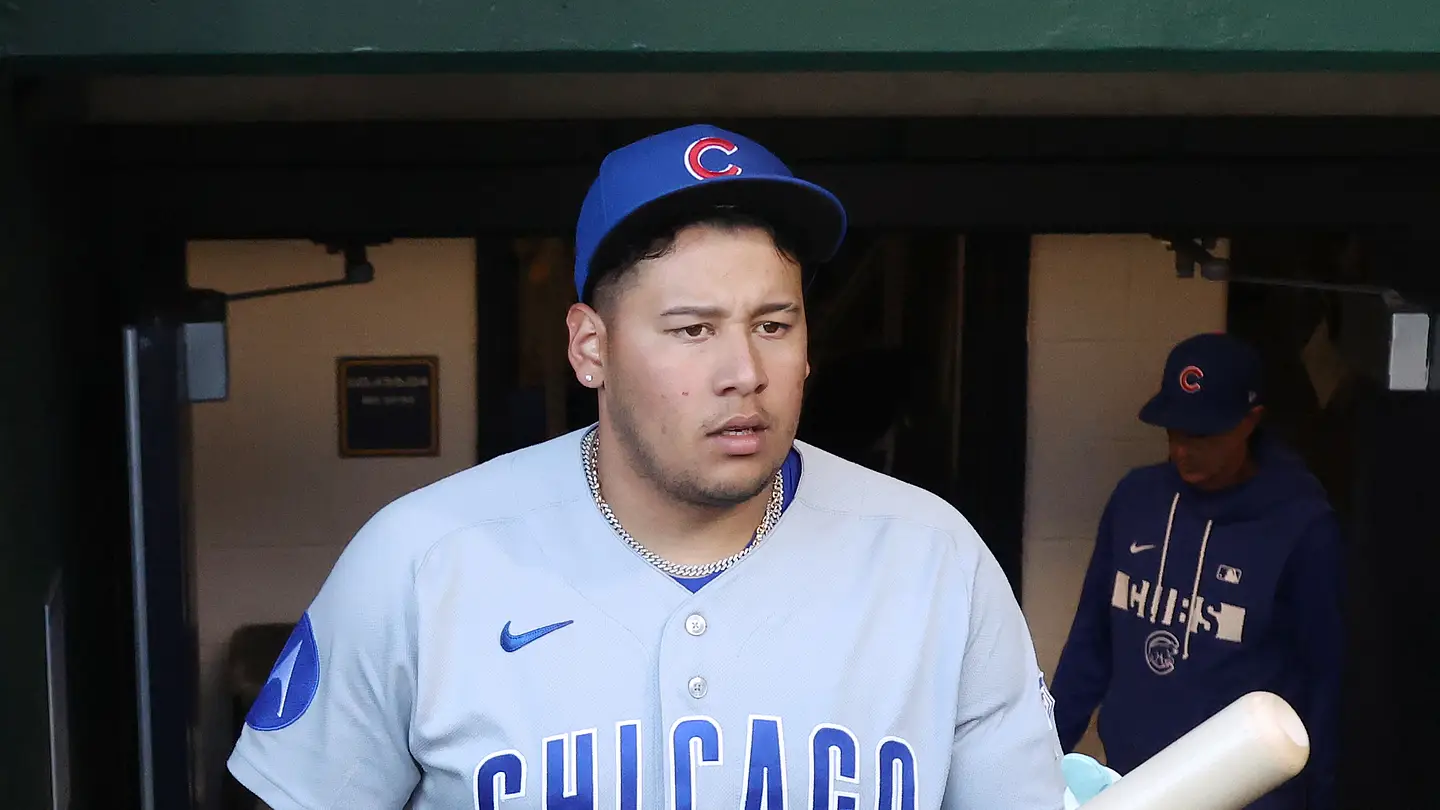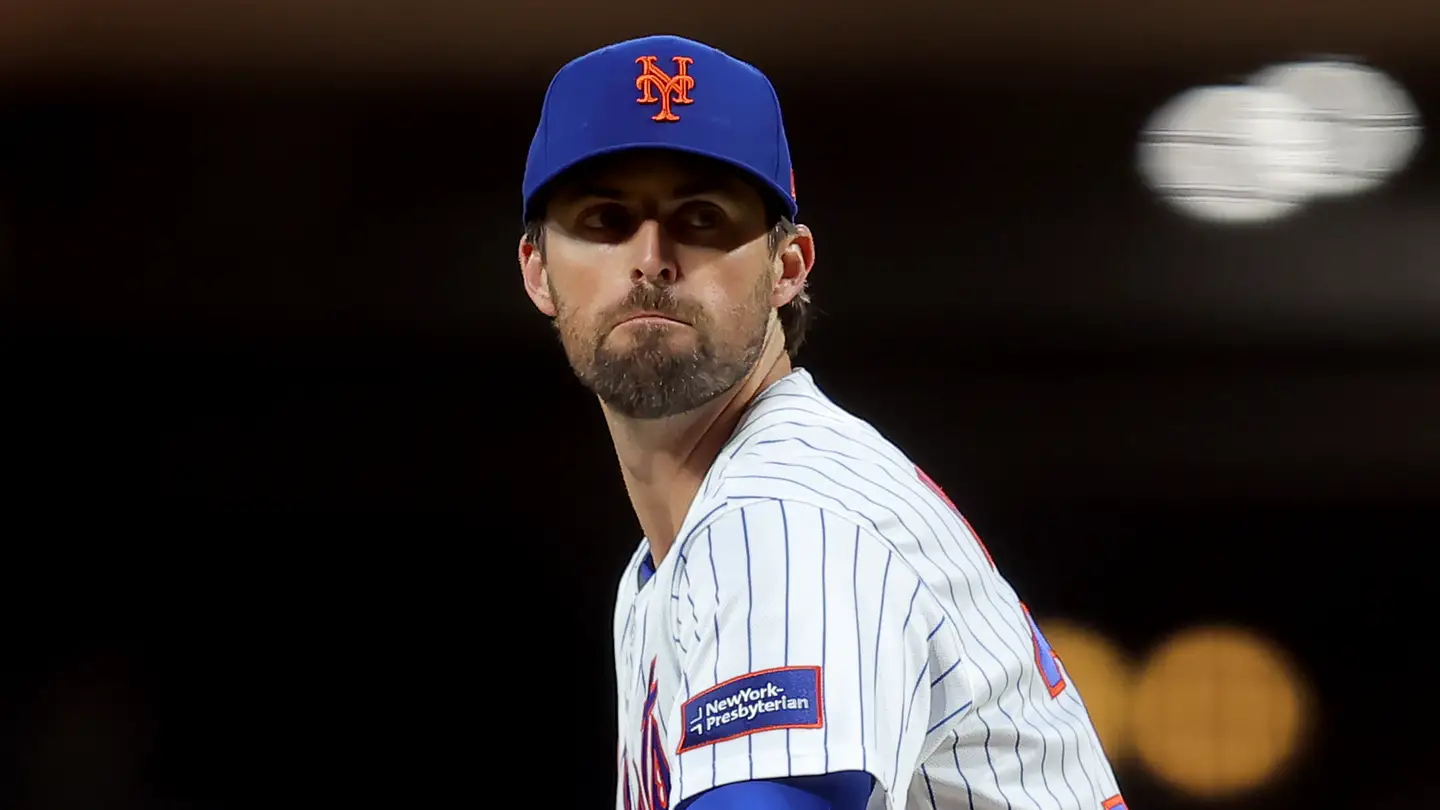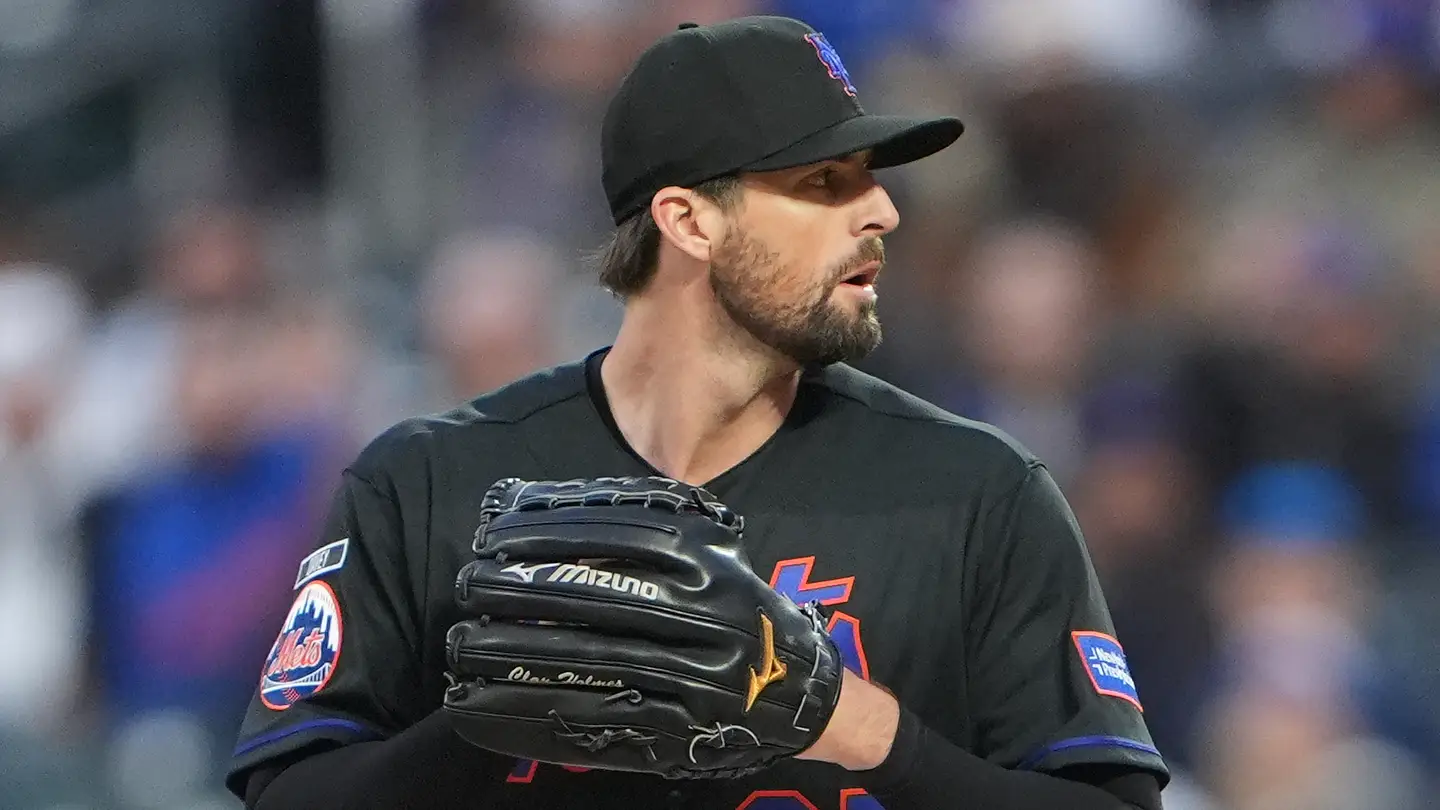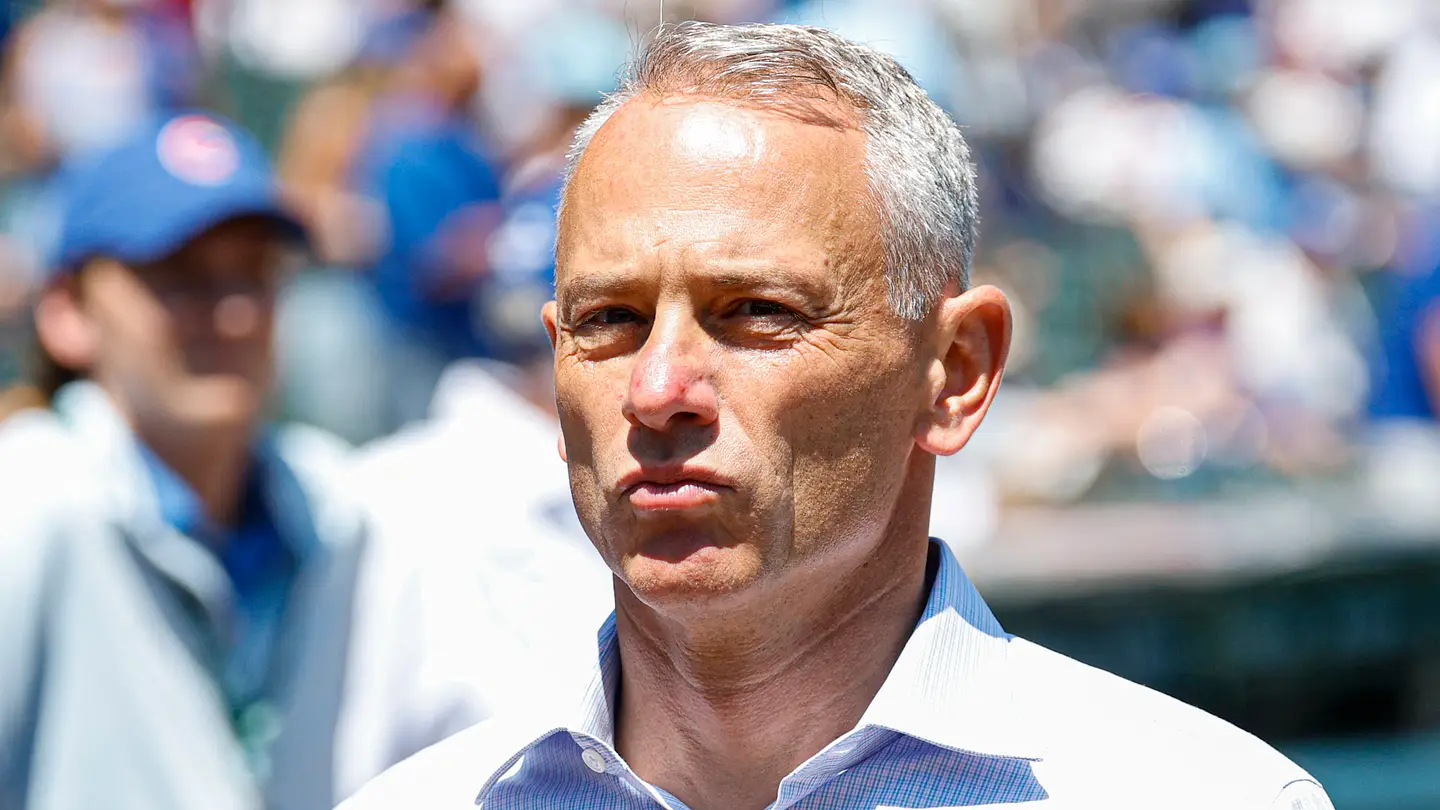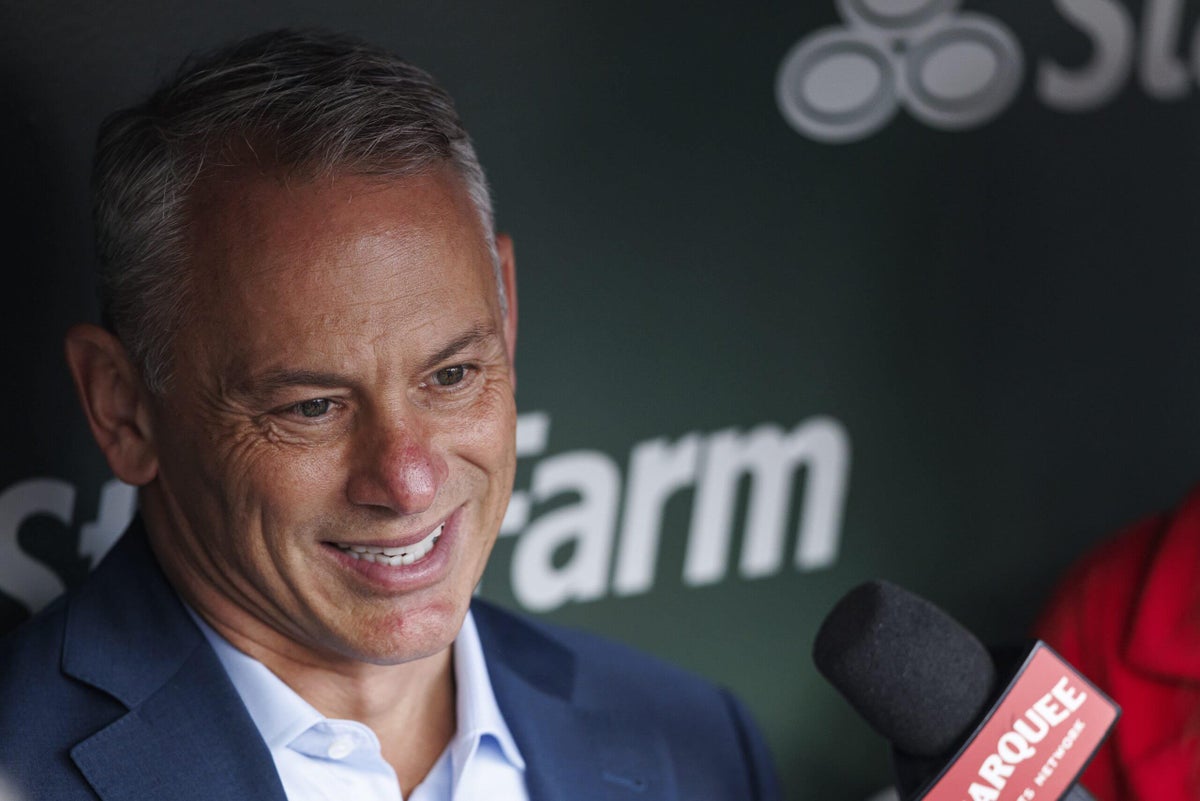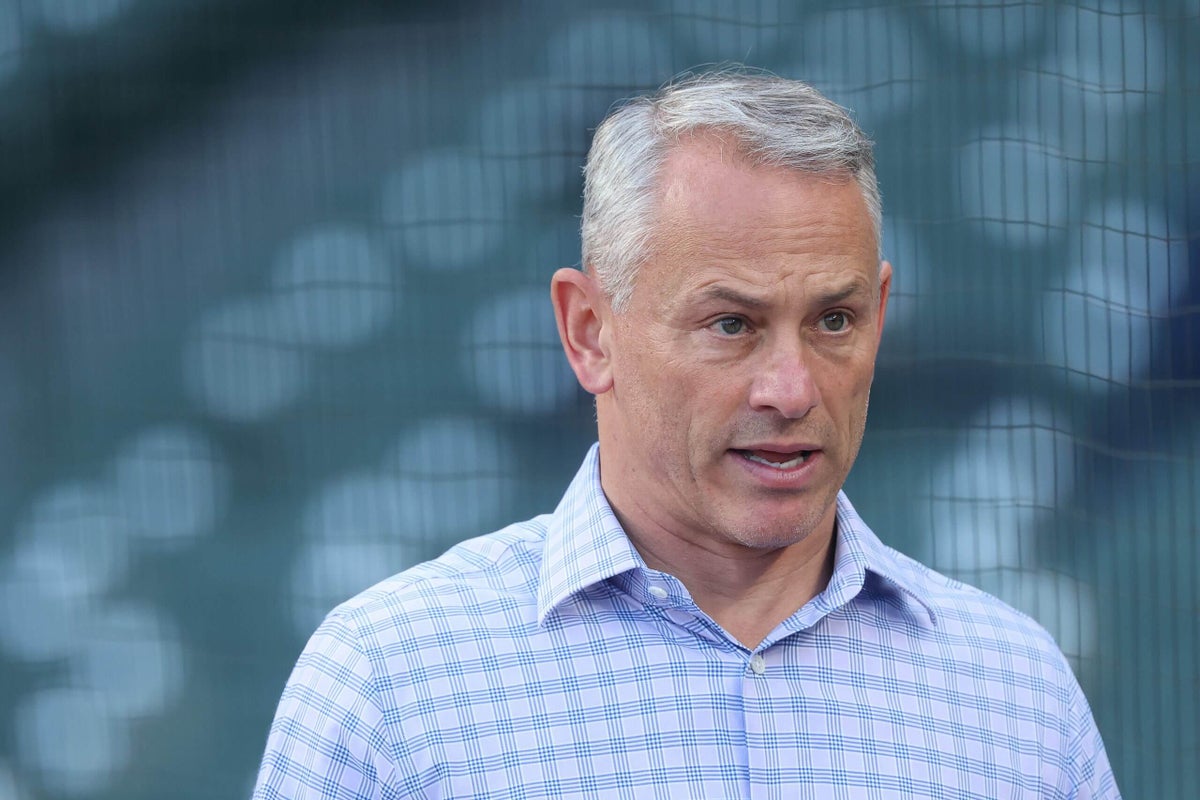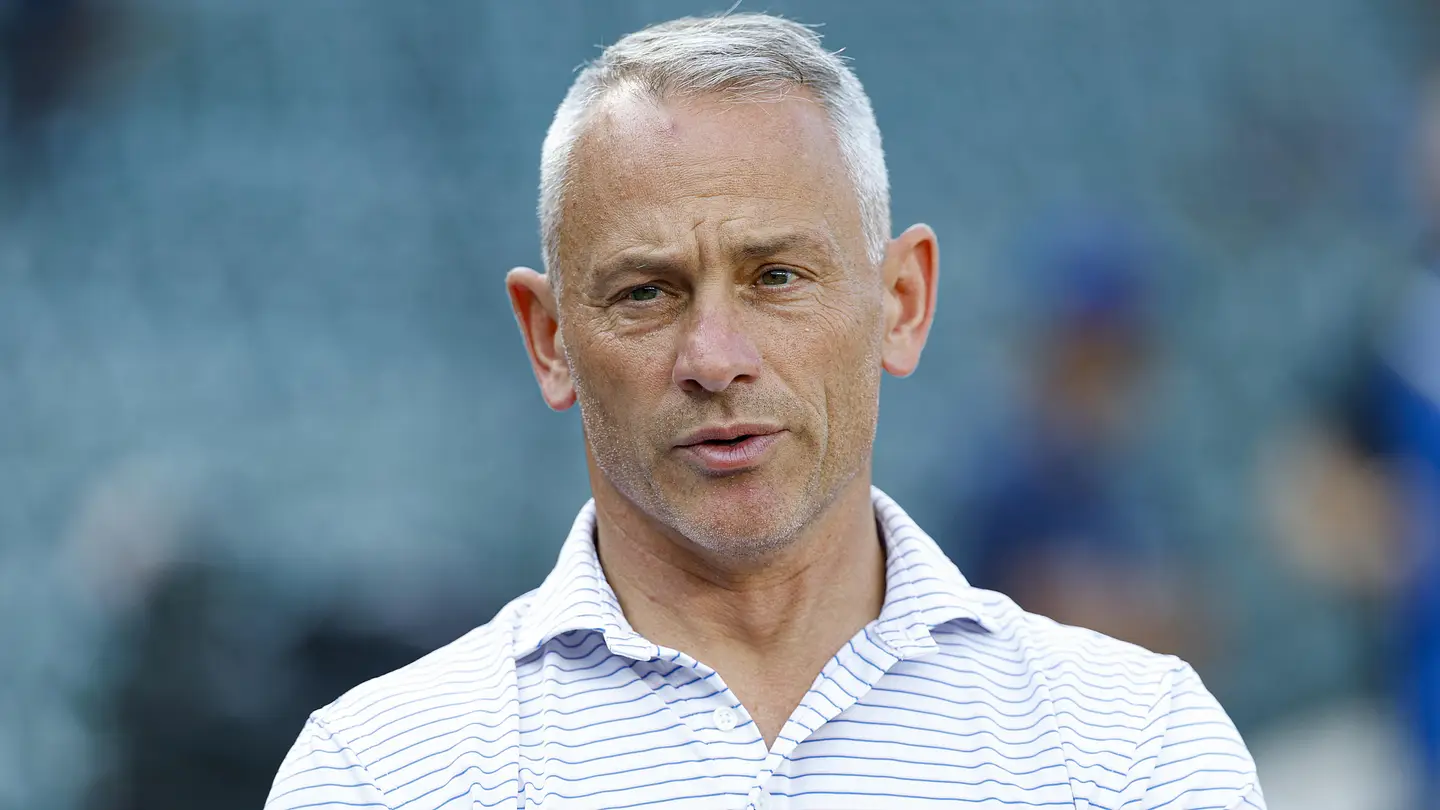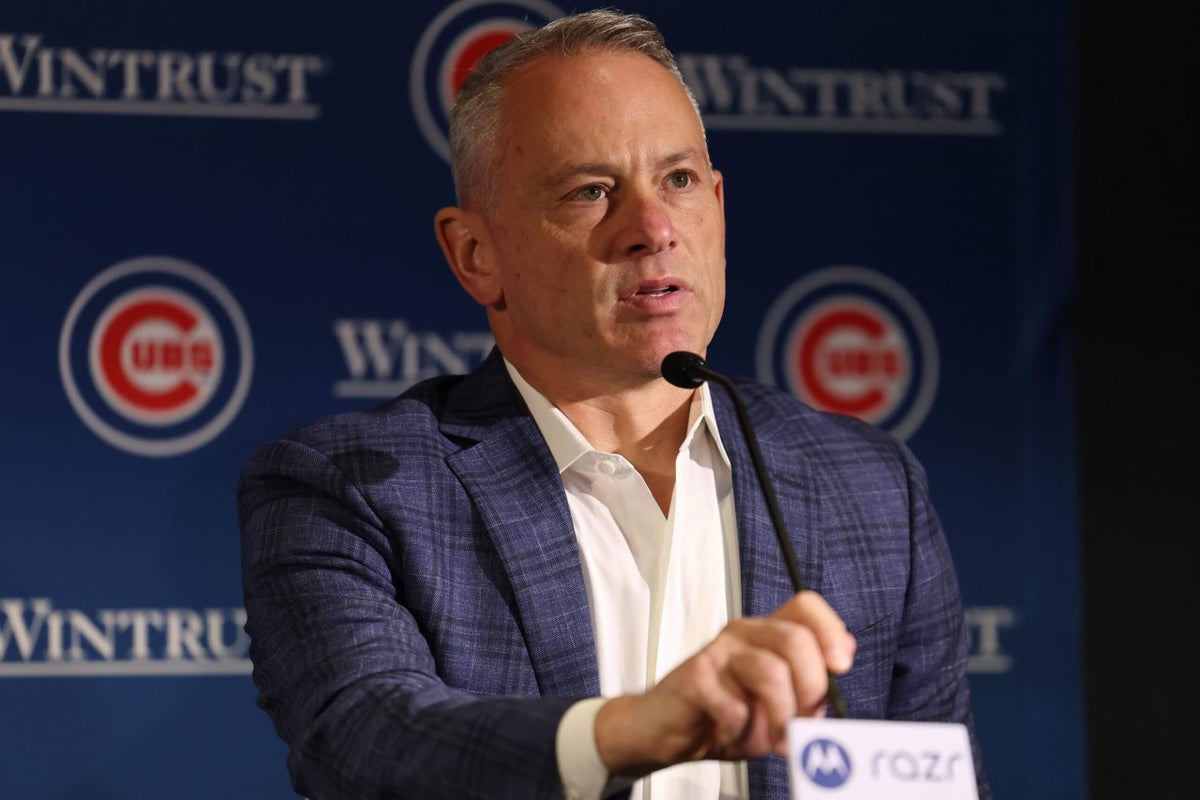
CHICAGO — Chicago Cubs president of baseball operations Jed Hoyer has taken plenty of heat for his perceived lack of aggressiveness in the past. As someone who tethers himself to playoff odds, repeatedly speaks of intelligent spending and has a general manager in Carter Hawkins who once referenced 2032 to explain the lack of big moves last summer, Hoyer has had his critics. But after a flurry of moves that saw him part with multiple talented young players, it’s probably time to look at Hoyer in a new light.“Ideally, you don’t trade prospects,” Hoyer said Monday, after MLB’s trade deadline had passed. “But at the same time, we’re here to win. We’re here to make this roster better. We’ve invested a lot in this roster. Not just financially, but in terms of how we put the roster together. It’s a really good team. So that’s part of being in contention and being in a good position. You have to make those decisions.”To get starters Kevin Gausman, Clay Holmes and Braxton Garrett, along with reliever Ryan Zeferjahn and outfielder Tyrone Taylor, the Cubs gave up a total of seven players. Among those traded were Moisés Ballesteros, who started the season as the team’s designated hitter, and Jefferson Rojas, who some see as the organization’s top prospect.Who won and lost the MLB trade deadline?Andy McCullough and Johnny SweetIt was odd to see the Cubs give up so much talent and not come away with a starting pitcher who would be both a significant addition in 2026 and under control beyond this season. Chicago’s front office likes Garrett, but right now, he is a depth piece who was pitching for Miami’s Triple-A affiliate this season. Giving up Ballesteros, along with pitching prospect Mason McGwire, for Zeferjahn — who is under control through 2030 and extremely talented, but still a reliever — is a departure for this front office.But on Monday, Hoyer said prices on controllable starters at the deadline remained quite high.“Similar to last year, the controllable starting pitching market was really tough,” Hoyer said. “Obviously, we talked to a lot of teams about controllable starters. Candidly, we never got very close on that and we were committed to adding starting pitching.”
At the deadline, Cubs’ Jed Hoyer finally showed how aggressive he can be
Hoyer's trade deadline moves show he clearly believes in this Cubs group.
1,033 words~5 min read