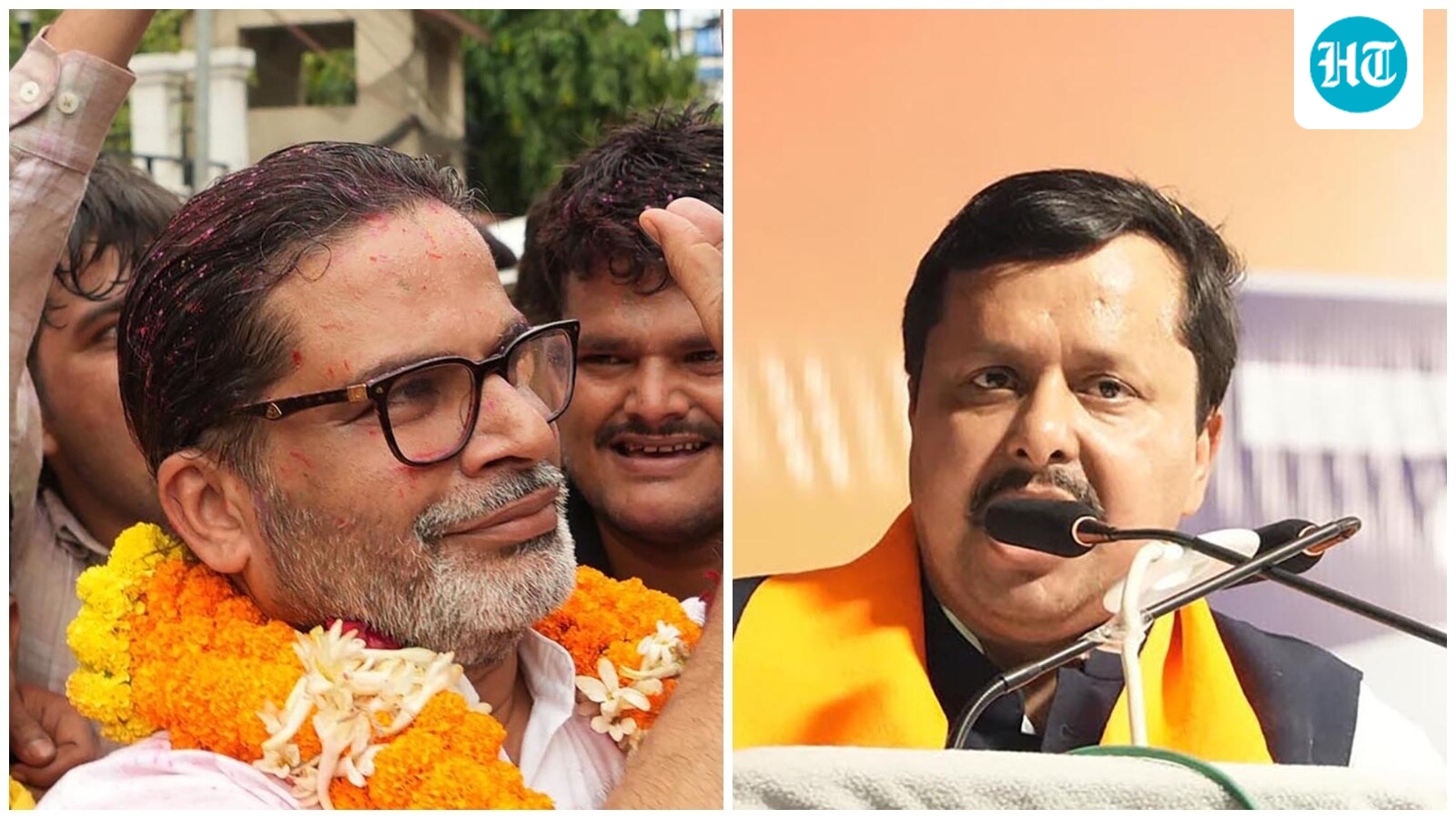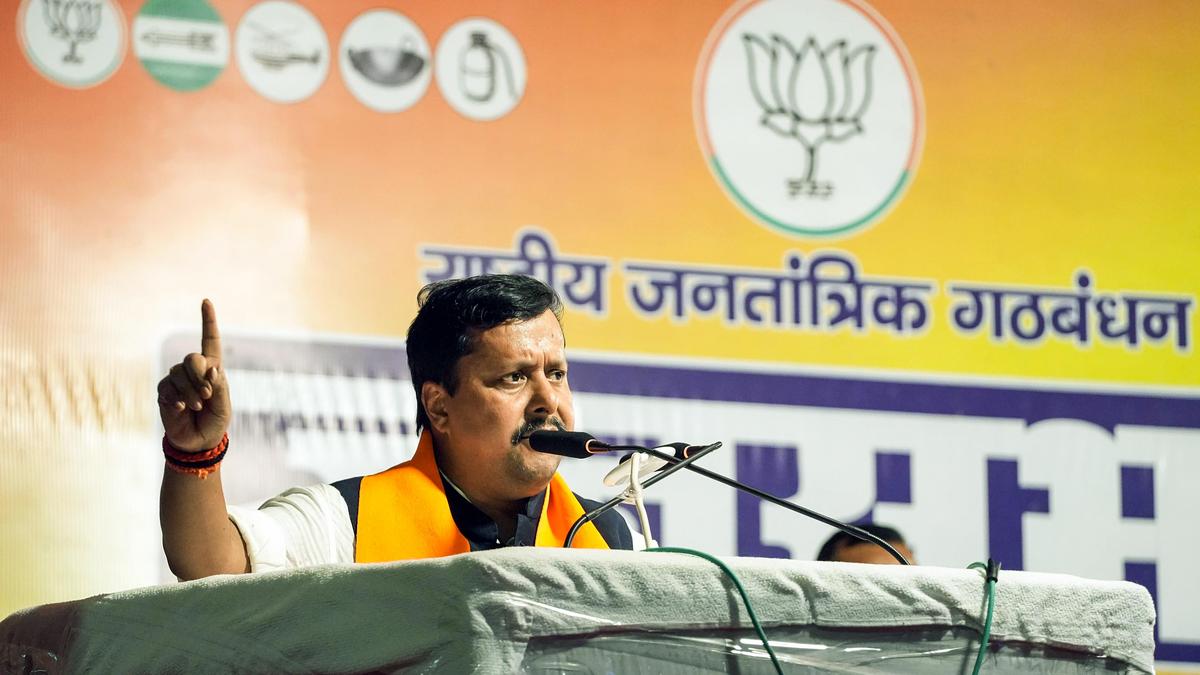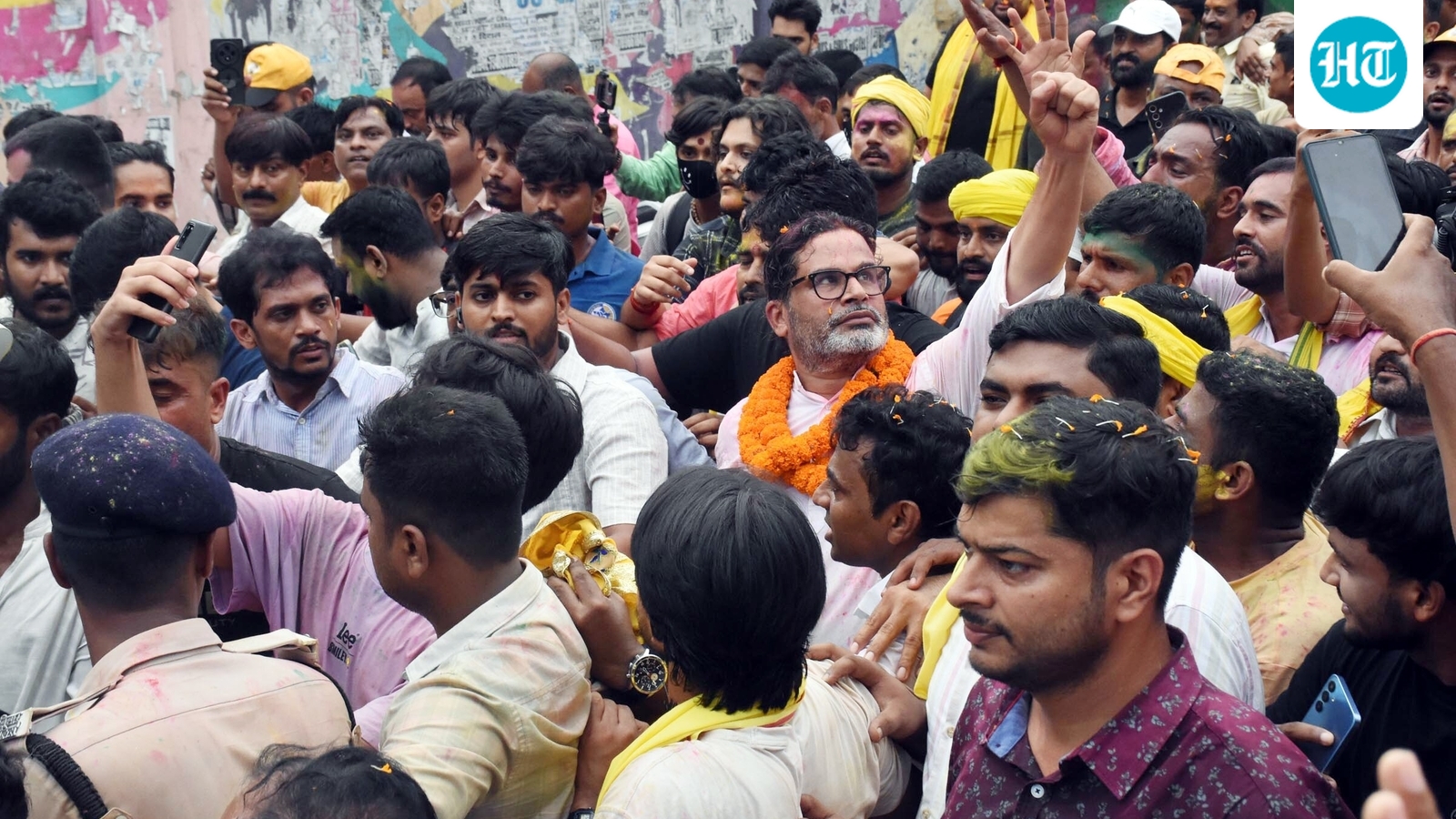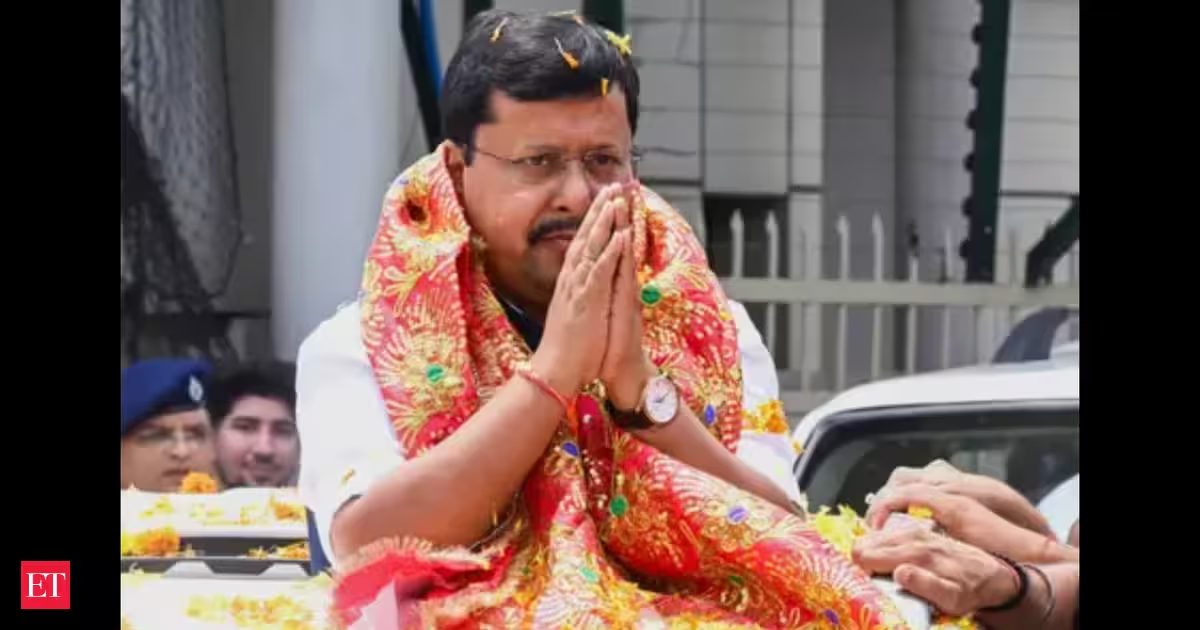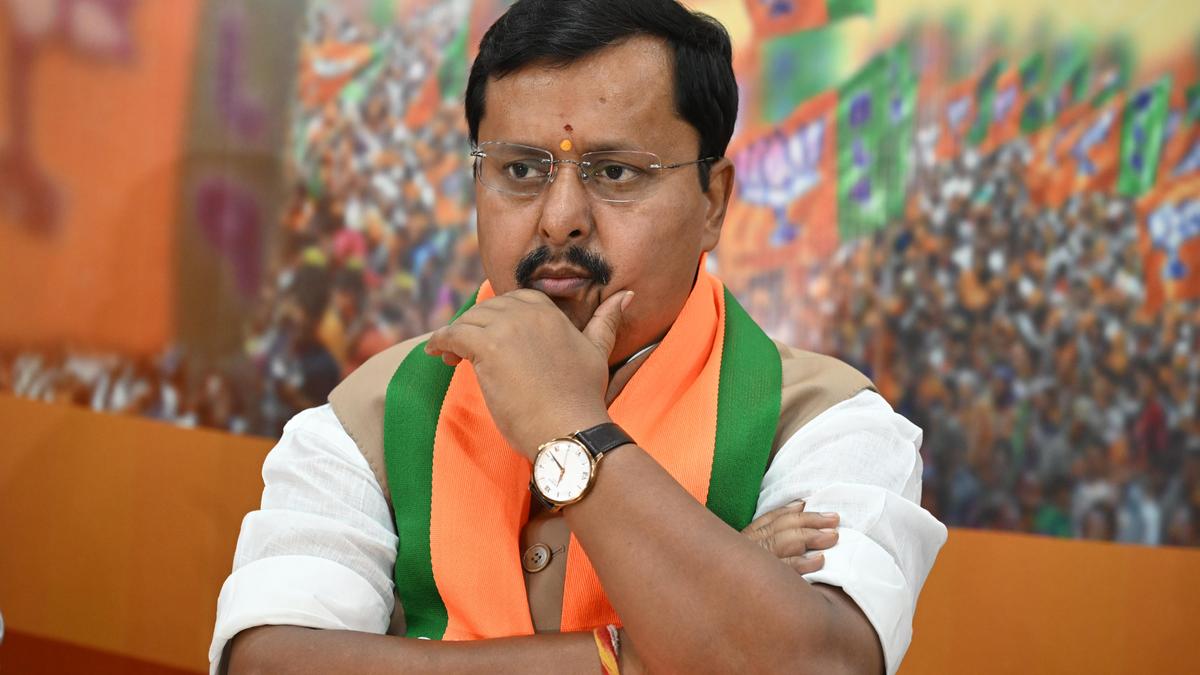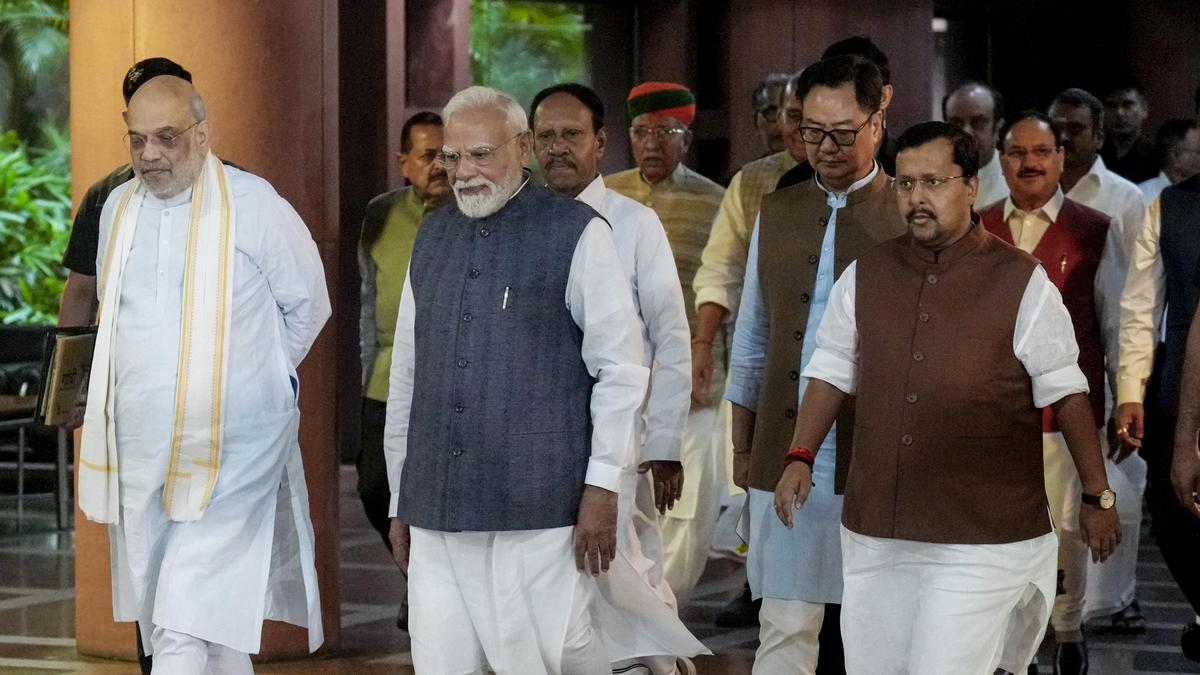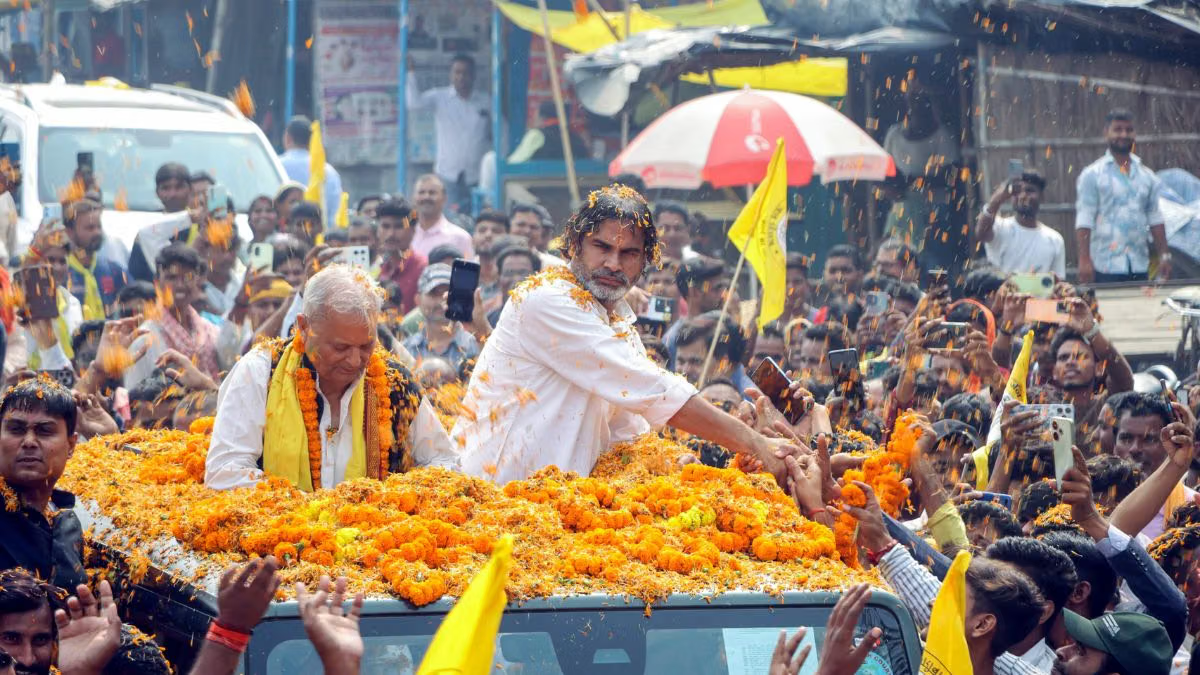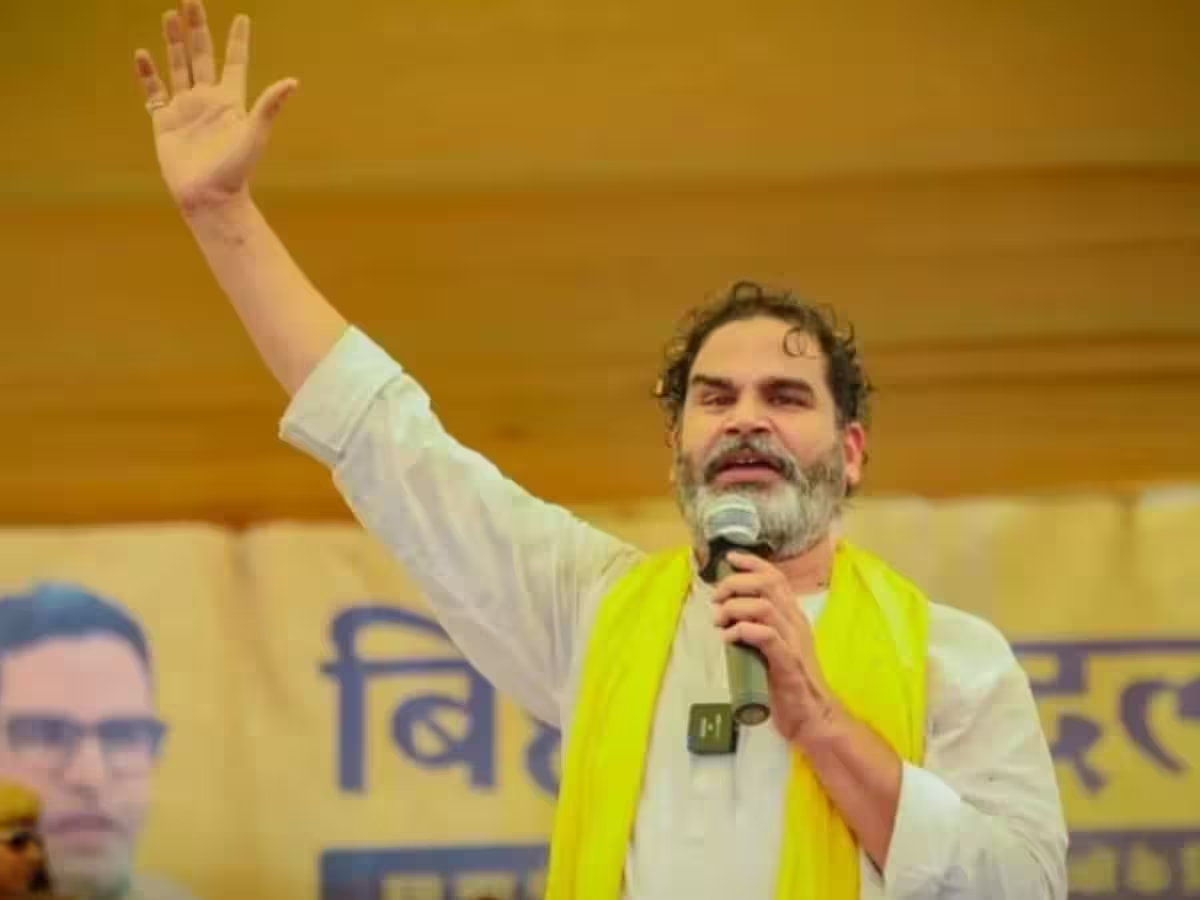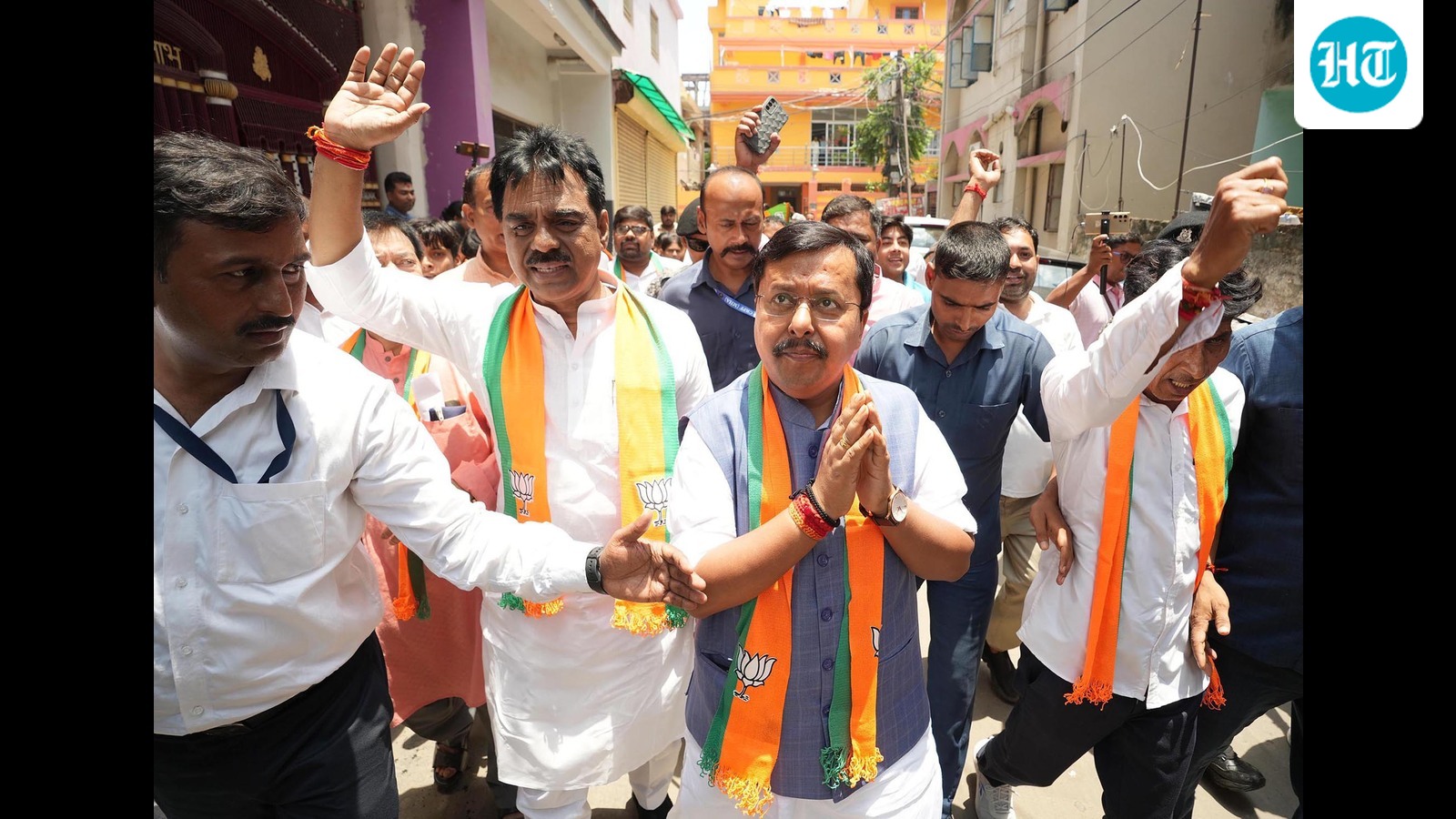
BJP’s defeat in the Bankipur assembly by-election has dealt a significant blow to its national president Nitin Nabin, with some political observers stating the loss in his family bastion has dented his image as an organiser, while others maintaining that more than Nabin’s personal loss, the defeat is a reflection of voters’ dissatisfaction with the ruling BJP.BJP national president Nitin Nabin campaigning door to door in support of party candidate Neeraj Kumar Sinha for Bankipur By-Election at Kadam Kuan in Patna on Juiy 26. (Santosh Kumar/ file photo)The defeat carries symbolic weight far beyond the loss of a single assembly seat. Bankipur, BJP’s stronghold for more than three decades, has been represented by Nabin and his late father, veteran BJP leader Navin Kishore Prasad Sinha, almost uninterruptedly since 1995.The seat has been wrested by Jan Suraaj Party (JSP) founder Prashant Kishor, whose victory marked the party’s first-ever assembly seat after drawing a blank despite contesting 238 constituencies in the 2025 Bihar assembly polls.The bypoll was necessitated after Nabin vacated the seat following his election to the Rajya Sabha in April. It was also the first Assembly election in Bihar after he assumed charge as BJP national president, making the contest both a prestige battle and a test of his organisational leadership.Nabin oversaw the campaign, visiting Patna at least four times after BJP announced first-time candidate Neeraj Kumar Sinha, a former booth-level worker and mandal president, and camping in the city for four to five days during the campaign. Despite the high-profile effort, Sinha lost by around 20,000 votes.Political analyst and former Patna University economics department head Nawal Kishore Chaudhary said that the defeat is a setback to Nabin. “Given that Nabin could not retain his traditional home seat, which he vacated after his elevation to the Rajya Sabha, the loss dented his image as an organiser and strategist. For someone who could not retain his own bastion, BJP may rethink continuing him as national president for long,” he said.He, however, noted that the bypoll would not alter Bihar’s political arithmetic, as the NDA continues to enjoy a comfortable majority with 201 of the 243 Assembly seats. “The loss is more personal than political. Nabin’s influence in decisions such as candidate selection for the upcoming assembly elections in Uttar Pradesh and Gujarat is likely to diminish,” he added.Social scientist and former AN Sinha Institute of Social Studies director DM Diwakar offered a more nuanced assessment. He argued that while the result would reduce Nabin’s influence within the BJP, it was unlikely to fundamentally alter his standing.“If the party’s top leadership really wanted, BJP would not have lost Bankipur. A relatively weak party president often suits the top leadership because such leaders are easier to manage. The bypoll result will reduce Nabin’s influence within the organisation, particularly in deciding candidates for the assembly elections in Uttar Pradesh, Punjab, Uttarakhand, Goa, Manipur, Himachal Pradesh and Gujarat next year, though it may not significantly affect his stature, and this suits the senior leaders,” Diwakar said.He also viewed the verdict as a broader political message to the BJP. “The message is loud and clear. Young voters – there were 53,419 voters in the 18-29 year age-group, comprising the Gen Z, out of the total 379,000 electorate – whose aspirations remain unfulfilled, can no longer be taken for granted. The BJP is no longer seen by many as the agent of change it was perceived to be in 2014. The student protests at Jantar Mantar and the handling of the NEET question paper leak issue in Bihar appear to have had a cascading effect on the bypoll,” he said.However, Prof Gyanendra Yadav, of the sociology department at Patliputra University’s College of Commerce, Arts and Science, differed on the long-term implications for Nabin. “His image may have taken a hit, but his popularity as a leader is unlikely to diminish. This election was fought in a different political context, shaped by issues such as the student protests at Jantar Mantar, the government’s handling of the situation in Delhi and Patna, and discontent over the composition of the Bihar cabinet under chief minister Samrat Choudhary,” Yadav said.According to him, the result reflected voter dissatisfaction more than a rejection of Nabin personally. “There was anger against BJP for fielding a weak candidate in Patna’s most educated and urban constituency. At the same time, voters knew the bypoll was politically inconsequential because it would not alter the balance of power in Bihar. The verdict should instead serve as a wake-up call to the BJP not to take the electorate for granted,” he added.The defeat is particularly significant because Bankipur has long symbolised the BJP’s organisational strength in urban Bihar. After the 2008 delimitation, Nabin won the reconstituted Bankipur seat in 2010, 2015, 2020 and 2025. Earlier, he had entered the Assembly through the 2006 by-election following the death of his father, who had represented the erstwhile Patna West constituency after victories in 1995, 2000, February 2005 and October 2005.While the bypoll does not threaten BJP’s position in Bihar, analysts agree it has exposed vulnerabilities in a seat once considered impregnable and delivered an early setback to Nabin’s tenure as national president, even as it handed Prashant Kishor the first electoral breakthrough of his political career.
Bankipur loss dents Nitin Nabin’s aura, raises questions over BJP leadership
BJP’s defeat in the Bankipur assembly by-election has dealt a significant blow to its national president Nitin Nabin, with some political observers stating the loss in his family bastion has dented his image as an organiser, while others maintaining that more than Nabin’s personal loss, the defeat is a reflection of voters’ dissatisfaction with the ruling BJP.
875 words~4 min read