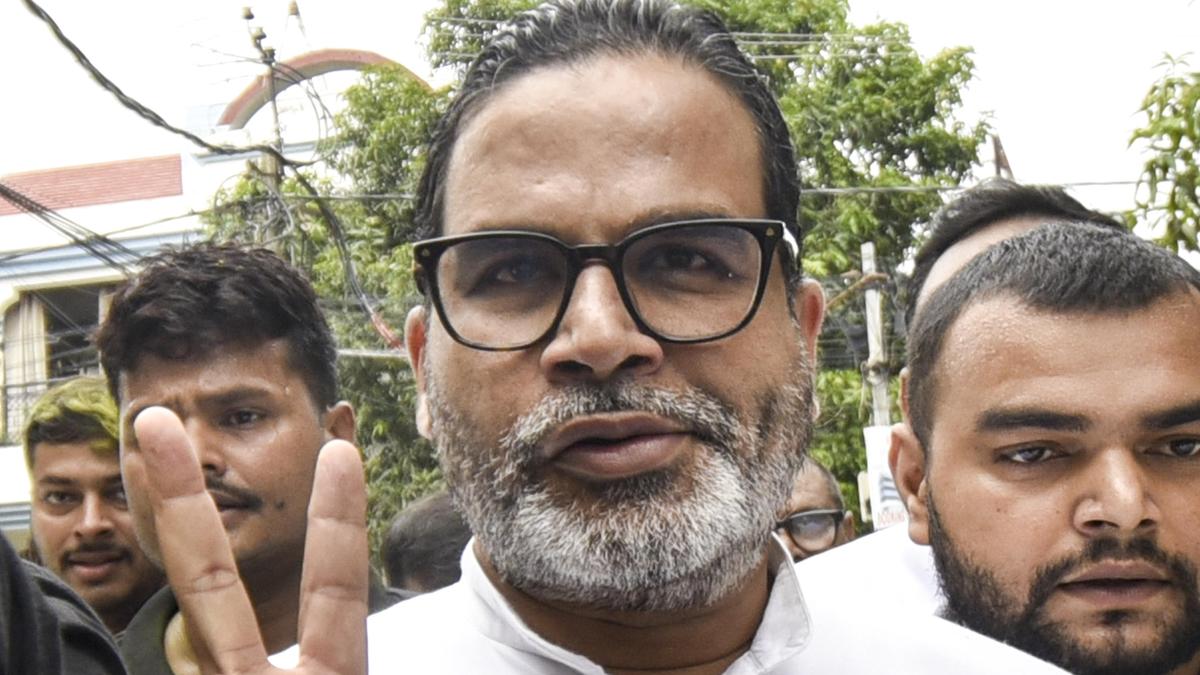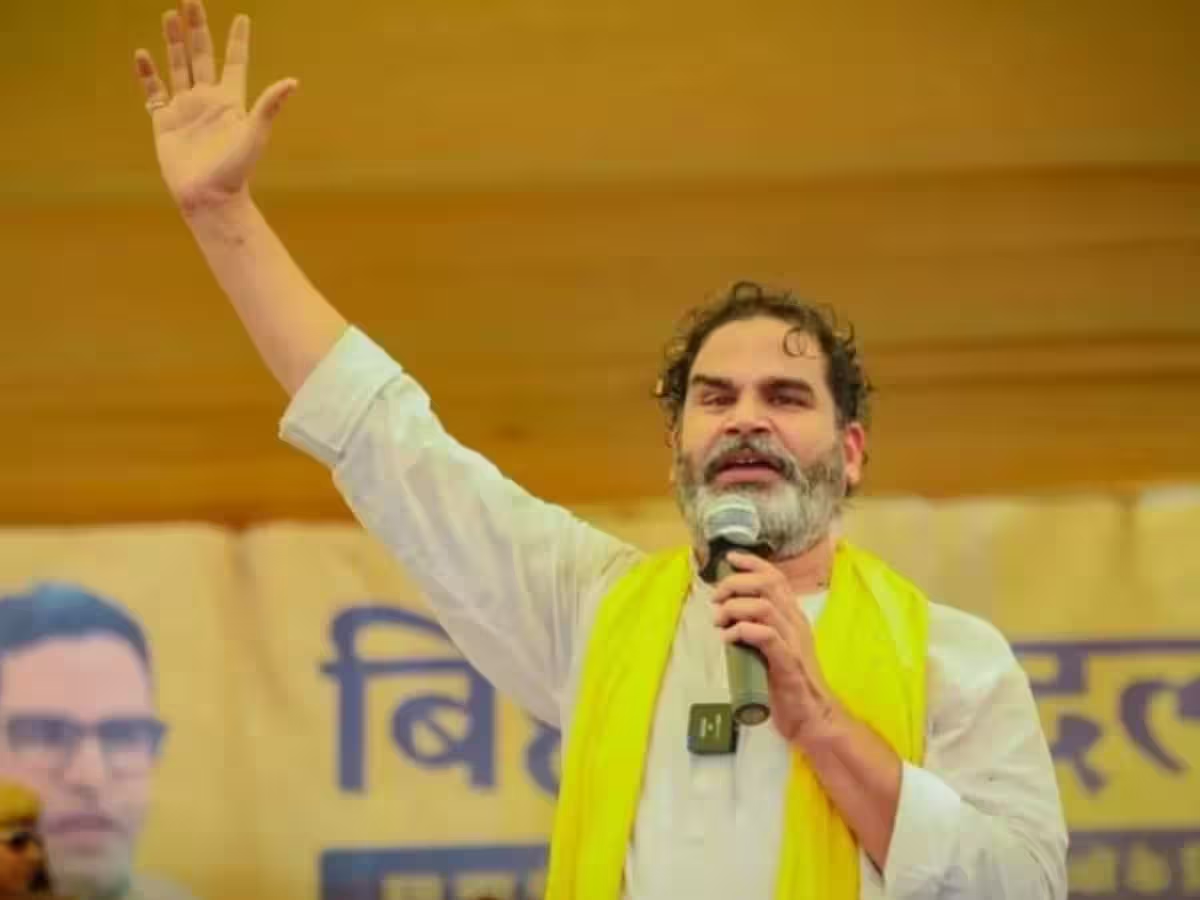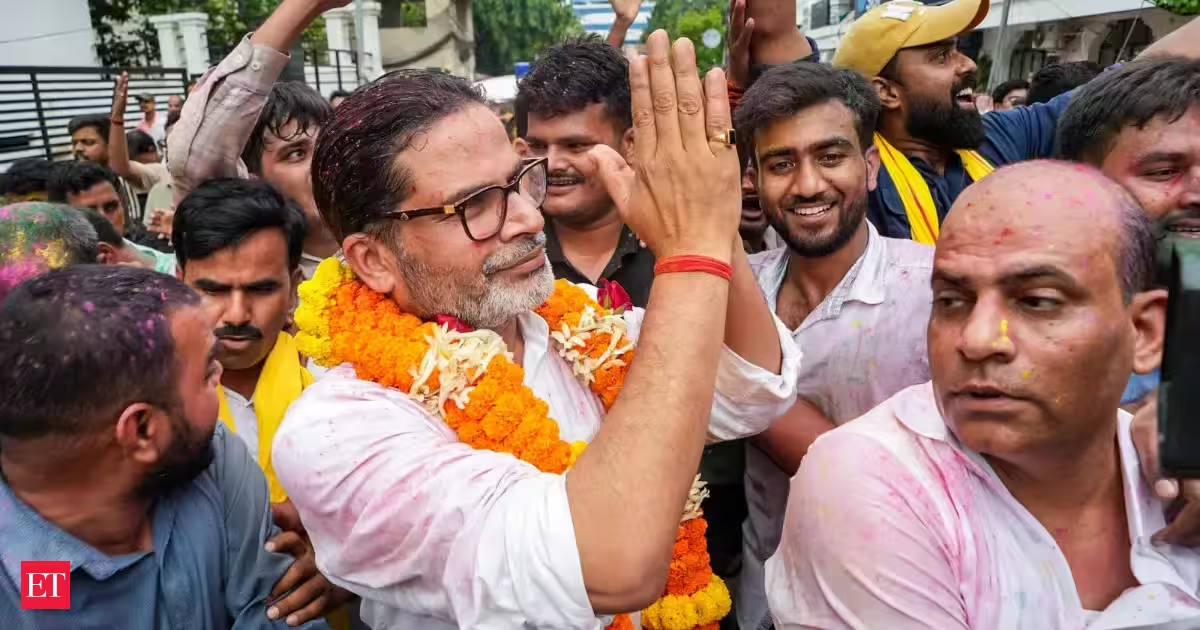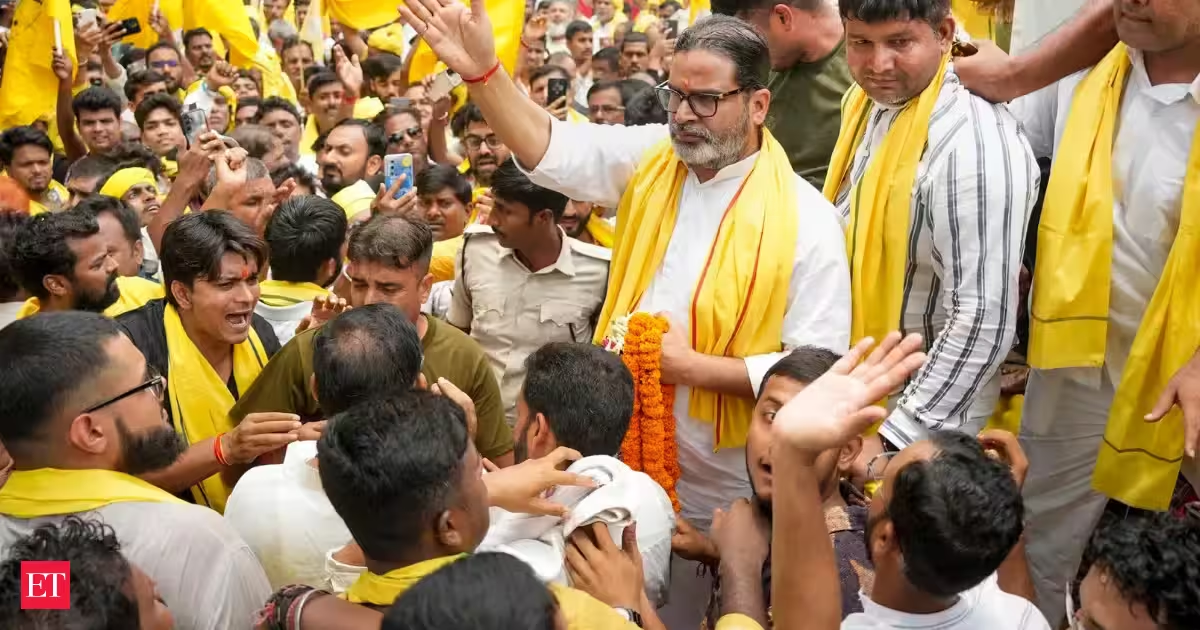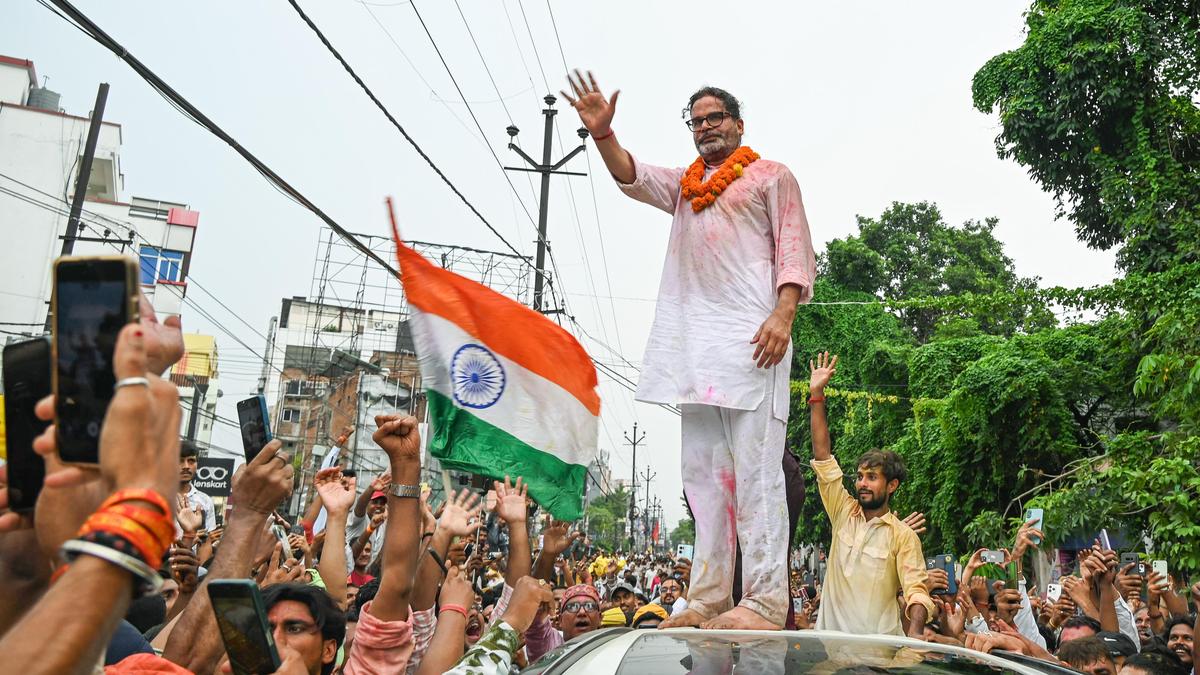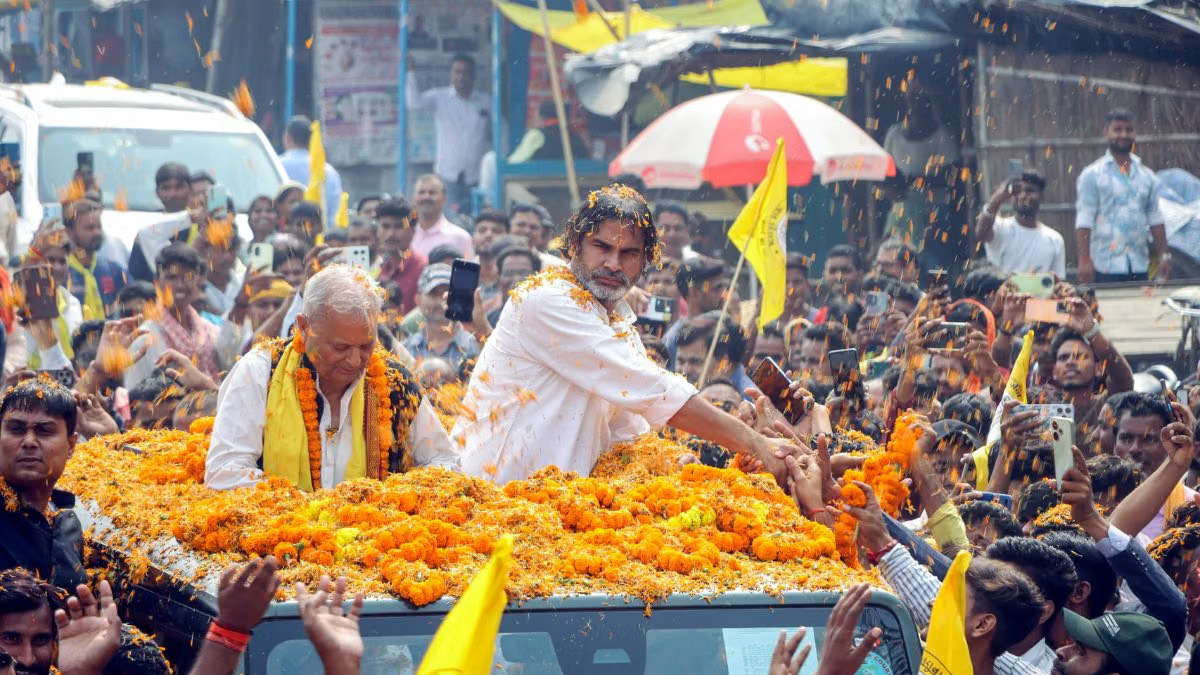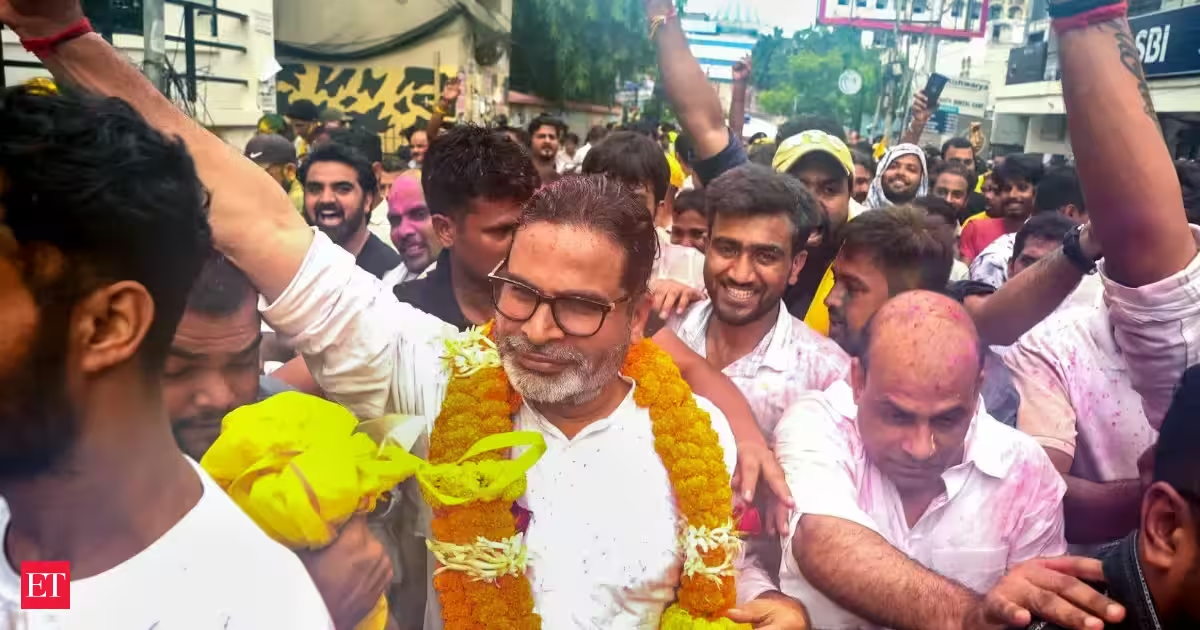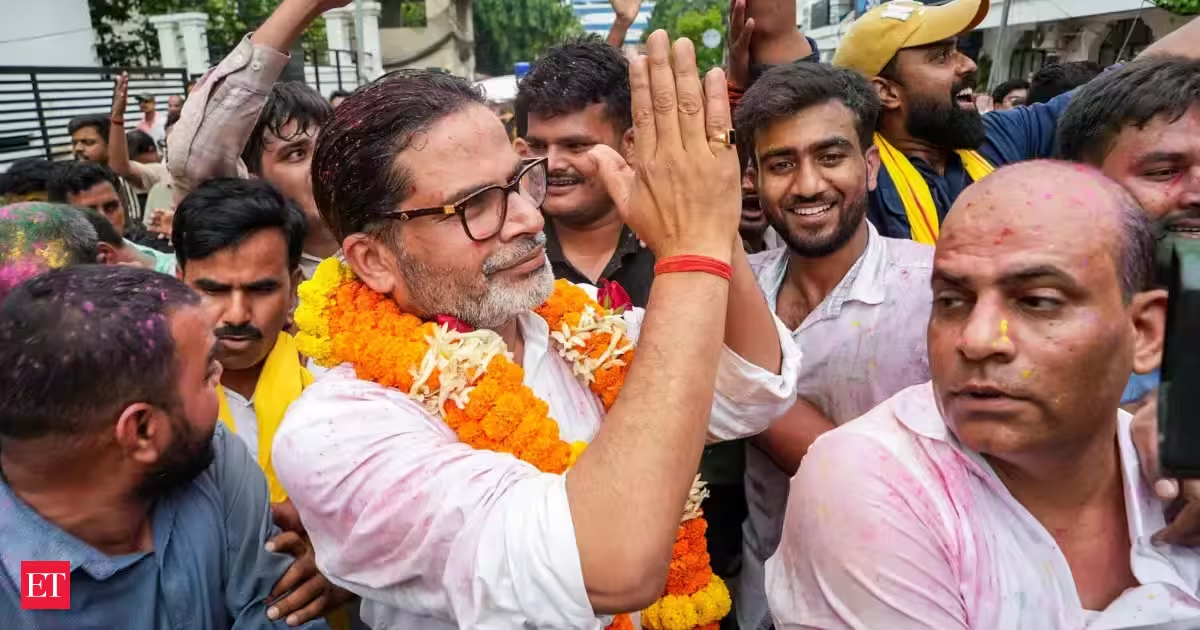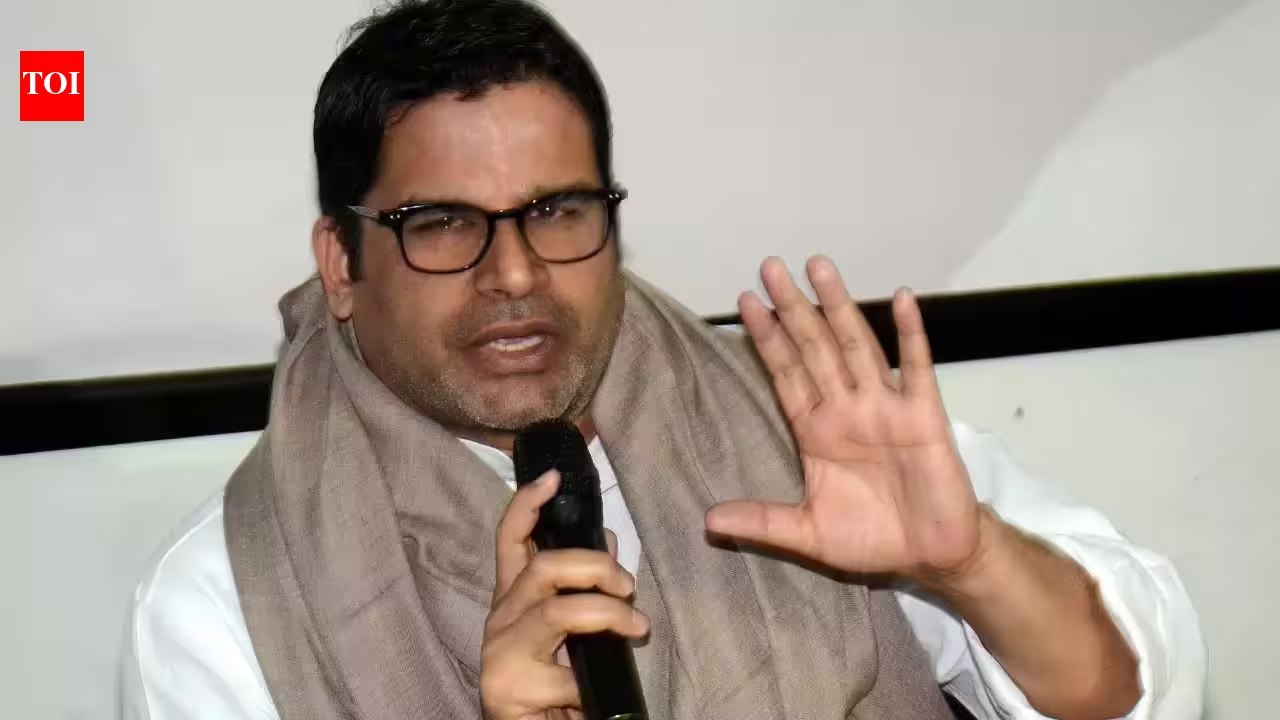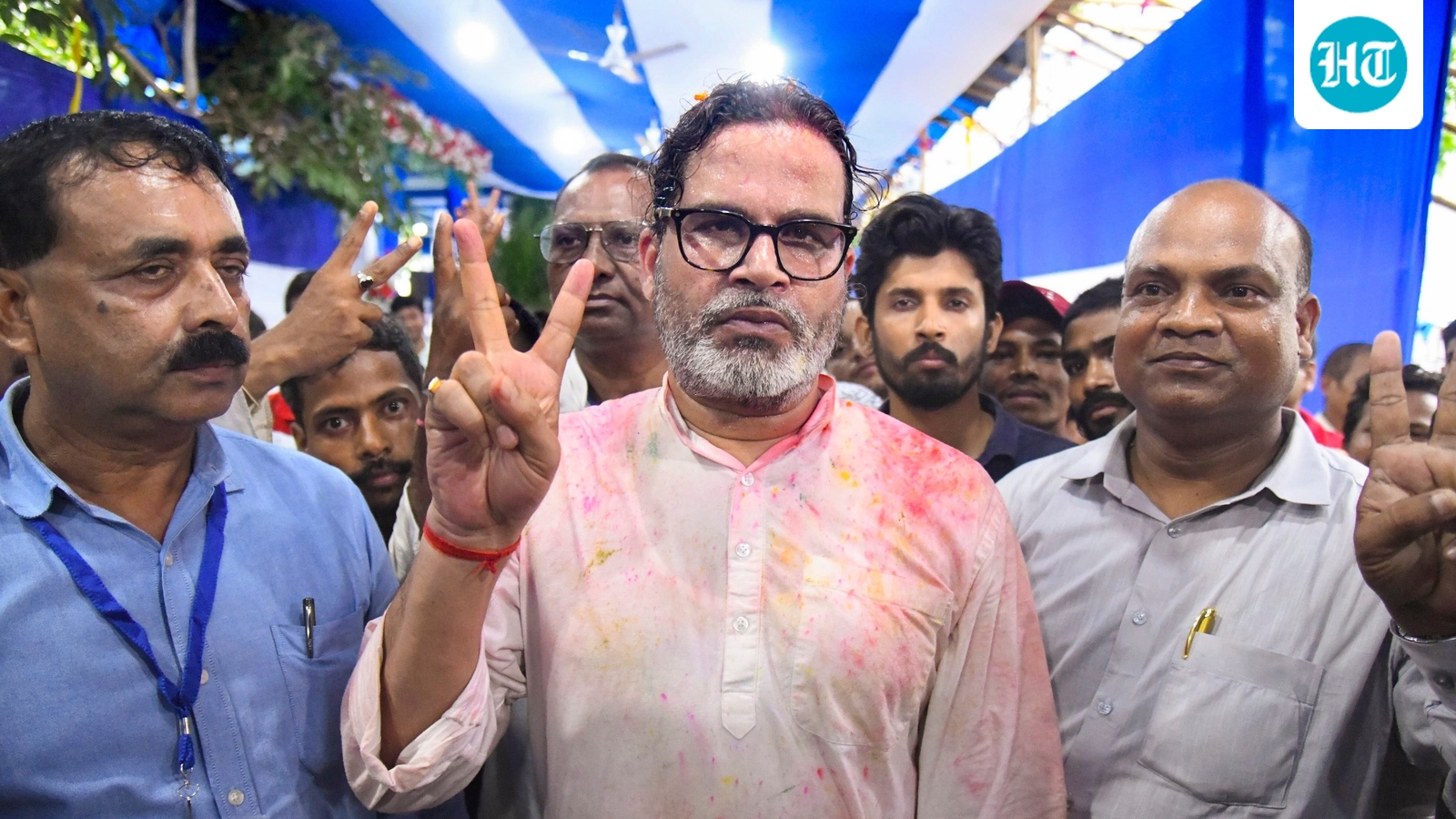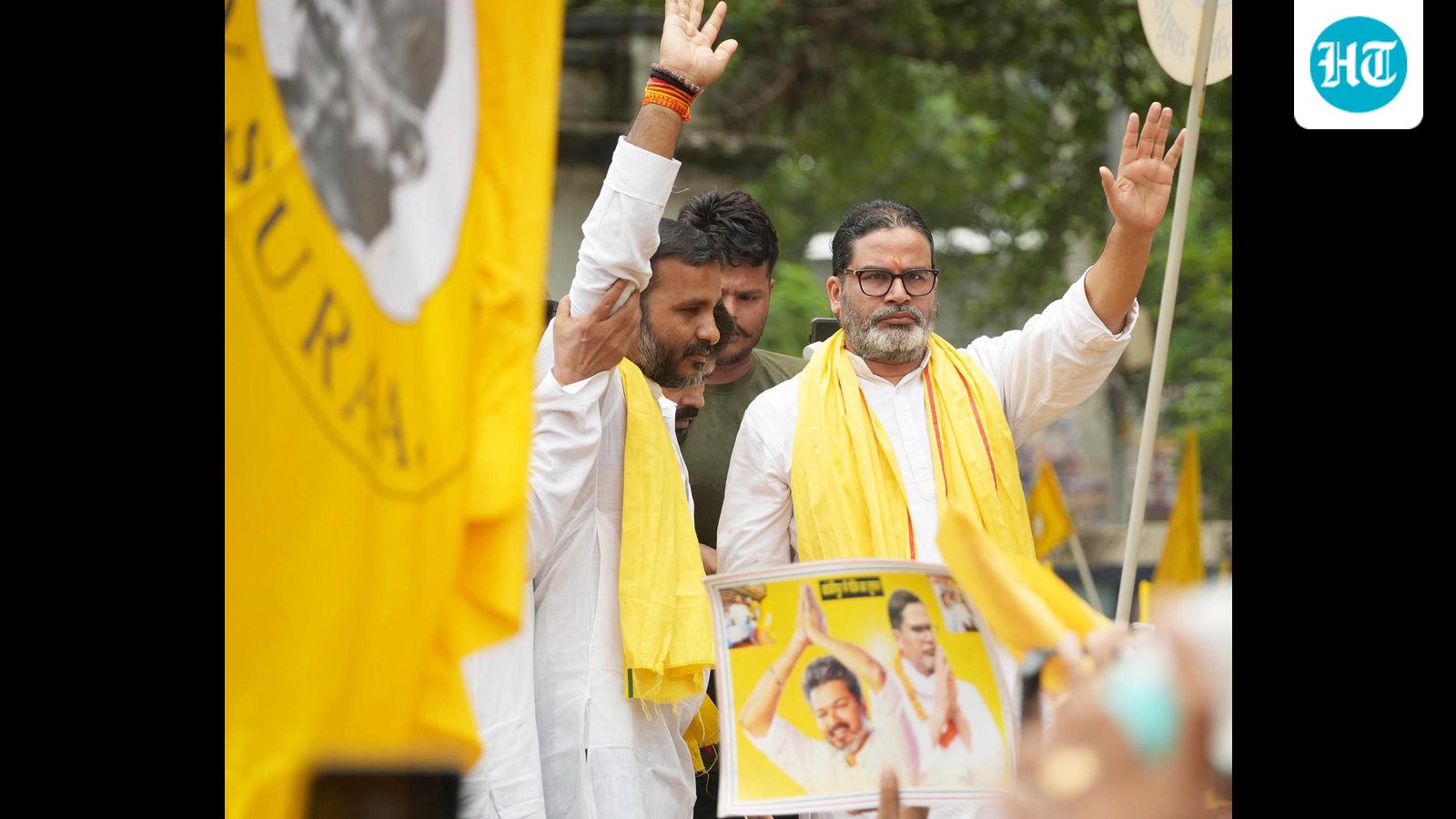
From scripting strategy for poll victories of others, Prashant Kishor has finally pulled off one for himself. His 19,324 votes triumph in the high-stakes bypoll in Bankipur -- – the state’s smallest constituency – may prove to be a pivot al moment in Bihar politics.Jan Suraaj Party candidate Prashant Kishor addressing a crowd of party workers during the nomination filing rally for the Bankipur By-Election in Patna on Monday. (Santosh Kumar)Bankipur, since its inception in 2008 delimitation, has been a BJP stronghold and it was represented for five times by none other than BJP’s national president Nitin Nabin.In his initial remarks after the victory, Kishor described the outcome as the fall of the BJP’s long-standing fortress in Bankipur. “It was not an election for a legislator. But, it seeks to give a message to the BJP that it is time to choose a good, capable person to lead the state as its chief minister,” he said.He further stated that the election also sought to give a signal to PM Narendra Modi and Union home minister Amit Shah that voters were ready to move beyond traditional equations and expect better governance leadership in the state. “The election seeks to give a message to the Centre and the state that they should work for better education, employment for its youth in Bihar and measures to stop migration of people for jobs.”He also urged the Central government to focus on the betterment of Bihar like it is doing for Gujarat, which gave the BJP 25 MPs. “About 14 crore people of Bihar have trusted the BJP leadership and gave a decisive mandate. The Central government shall come out with a special programme to stop the trend of Biharis going out for earning. The BJP shall realise that its 30 year stronghold has crashed in 30 days,” said Kishor.The decisive win marks Kishor’s electoral debut and JSP’s first assembly seat, giving the party representation in both houses of the Bihar legislature—following the earlier election of Jan Suraaj-backed independent Afaq Ahmad as MLC from the Saran teachers’ constituency in 2023. “More than the urban discontent and youth frustration, the JSP’s win is the people’s reply to the BJP’s arrogance. Moreover, Kishor got an advantage that there was no strong leader against him in the fray,” said Nawal Kishore Choudhary, a social analyst and former professor of Patna University.Kishor’s trajectory remains one of the more unusual in contemporary Indian politics. He first gained national prominence as an election strategist, widely credited with a major role in scripting the BJP’s Lok Sabha sweep under Narendra Modi in 2014. His data-driven, high-intensity style became a talking point, even as the exact share of individual credit stayed debated.He later joined the Janata Dal (United) under Nitish Kumar and rose to national vice-president. Reports suggested his induction came at Amit Shah’s request—an assertion Kishor has denied. After quitting JD(U), he continued as a sought-after strategist, linked to Trinamool Congress successes in West Bengal, Congress’s Karnataka win and efforts for actor-turned-politician Thalapathy Vijay’s Tamilaga Vettri Kazhagam (TVK) in Tamil Nadu. Consistent with his pattern, he kept distance once campaigns ended, prioritising Bihar.Kishor’s direct plunge in Bihar’s political landscape began with the Jan Suraaj padyatra, launched on October 2, 2022, from Bhitiharwa Gandhi Ashram in West Champaran. The multi-year statewide foot march sought to diagnose governance failures and build a people’s agenda on education, employment, health and migration. A former professor of BS College Rama Shankar Arya noted that this sustained outreach built visibility and a network that later underpinned organisational efforts.He founded the Jan Suraaj Party in October 2024. Early bypolls in Tarari, Ramgarh, Belaganj and Imamganj brought heavy defeats, with only a relatively better showing in Imamganj. Undeterred by criticism portraying him as an outsider, he pressed on. In the 2025 Bihar assembly elections, JSP contested nearly all seats, won none and secured a modest 3-4% vote share that acted as a spoiler in several constituencies. Critics pointed to the gap between padyatra enthusiasm and organisational depth; Kishor himself later reflected on the difficulty of converting personal interactions into votes.Victory in Bankipur transforms the narrative. For Kishor, it converts a high-profile mobiliser into an elected legislator with a direct stake in the assembly and partially validates the long padyatra investment and decision to build a new vehicle rather than remaining a consultant. For JSP, dual presence in the assembly and legislative council offers institutional platforms, visibility and a base for expansion.The result embarrasses the BJP, which lost a decades-held seat in the state capital where development narratives usually dominate. It also shows that dissatisfaction can find outlets beyond traditional bipolar contests. Whether JSP can scale this breakthrough into a broader alternative to Bihar’s entrenched caste-and-alliance arithmetic remains an open challenge.Kishor’s journey—from 2014 strategist to JD(U) functionary, independent operator, padyatri, party founder and now MLA—illustrates both the openings and limits of personality-driven, issue-focused politics in a state long defined by organised parties and social coalitions. Bankipur gives him and his party a hard-earned foothold.
Prashant Kishor: From strategist to legislator in Bihar’s shifting political landscape
From scripting strategy for poll victories of others, Prashant Kishor has finally pulled off one for himself. His 19,324 votes triumph in the high-stakes bypoll in Bankipur -- – the state’s smallest constituency – may prove to be a pivot al moment in Bihar politics.
833 words~4 min read