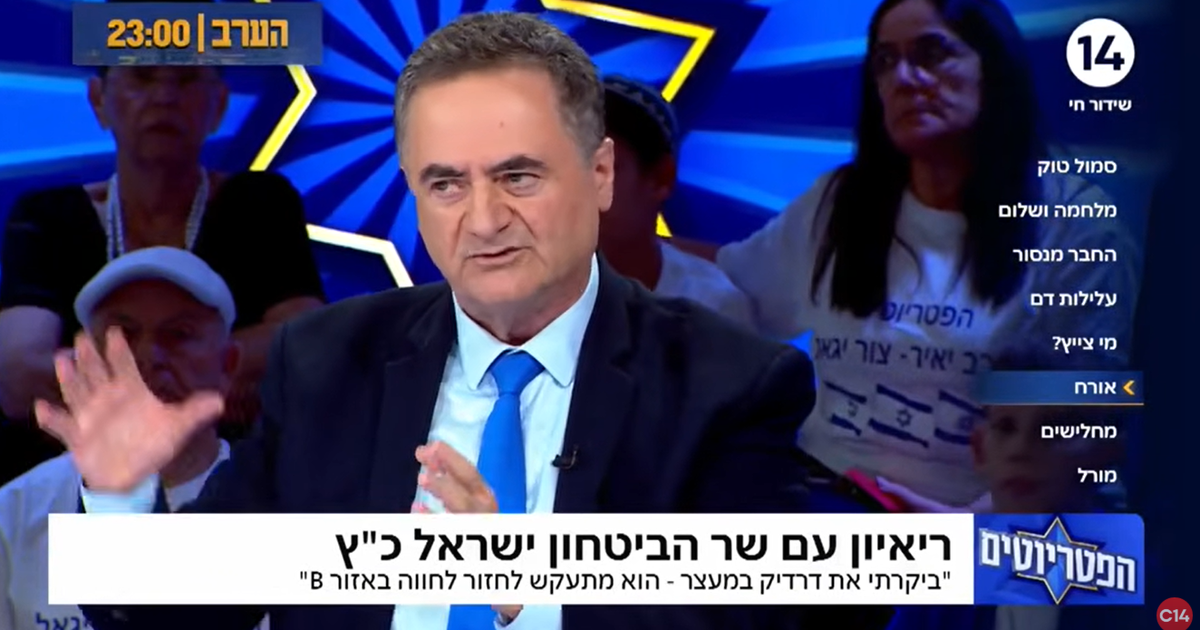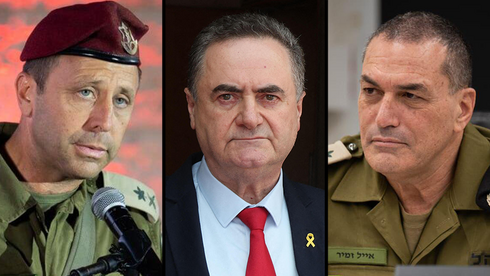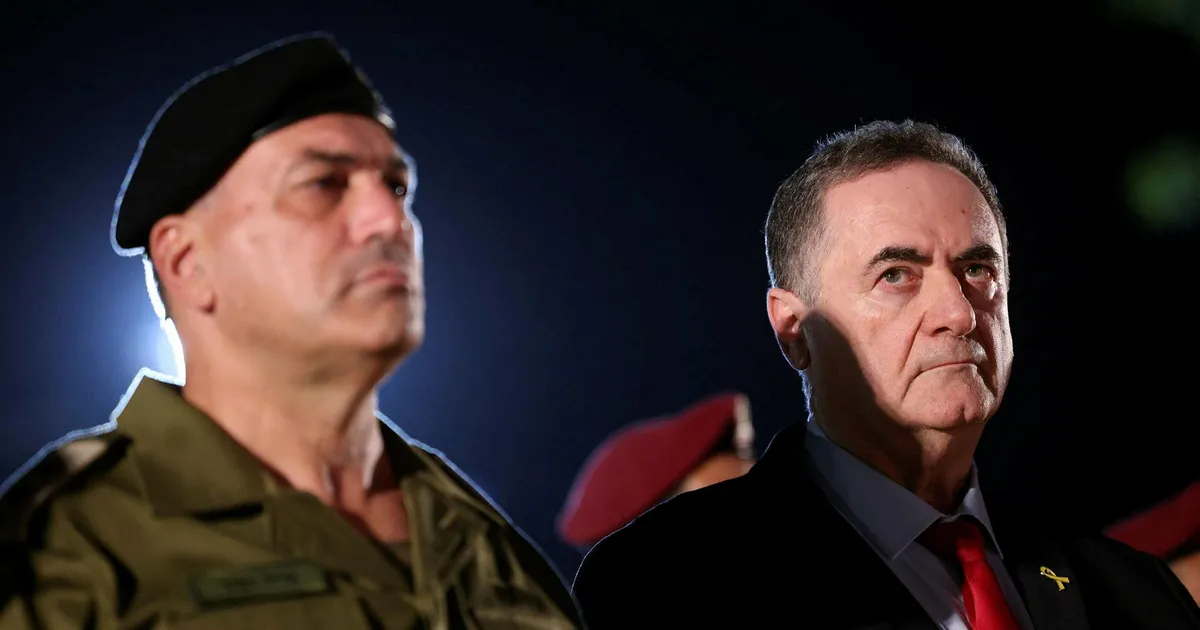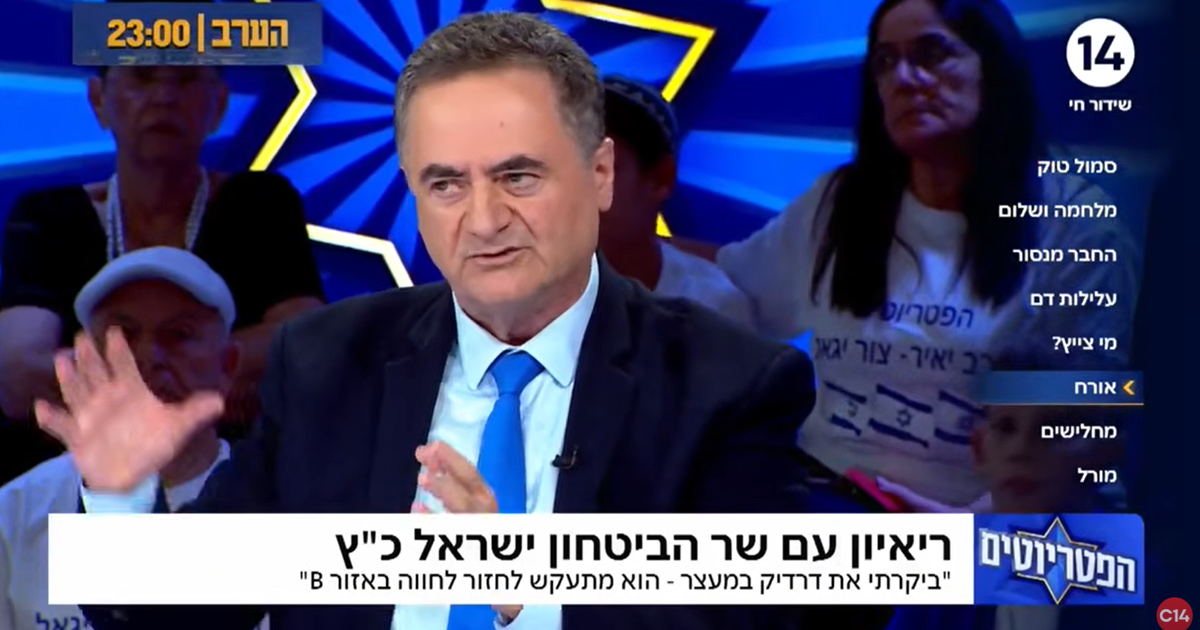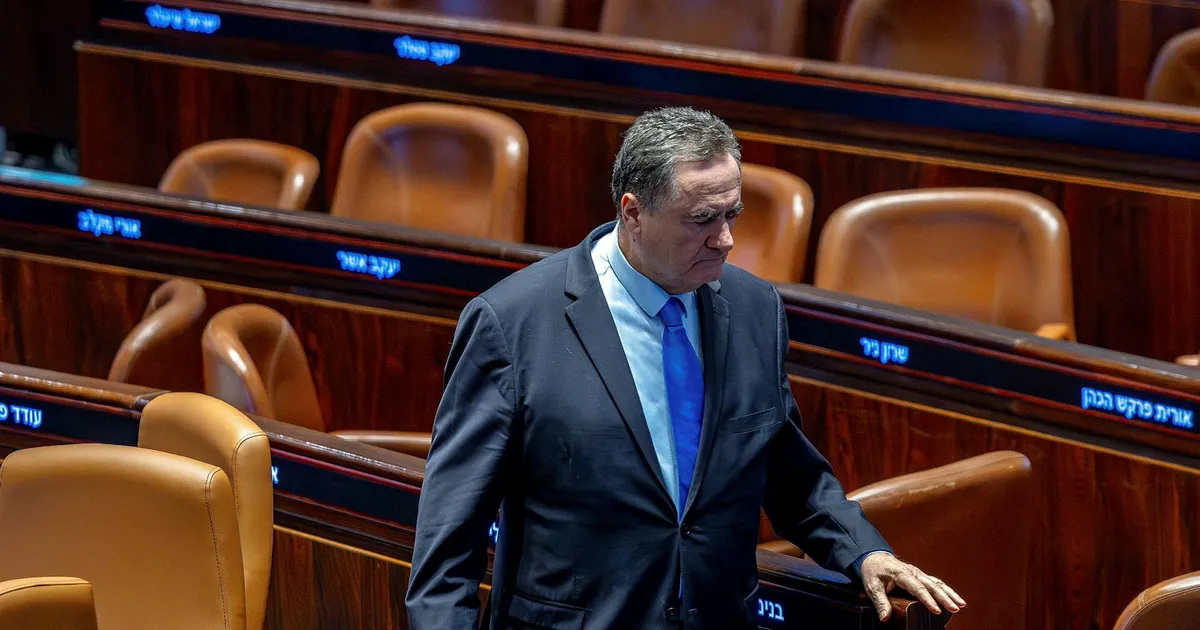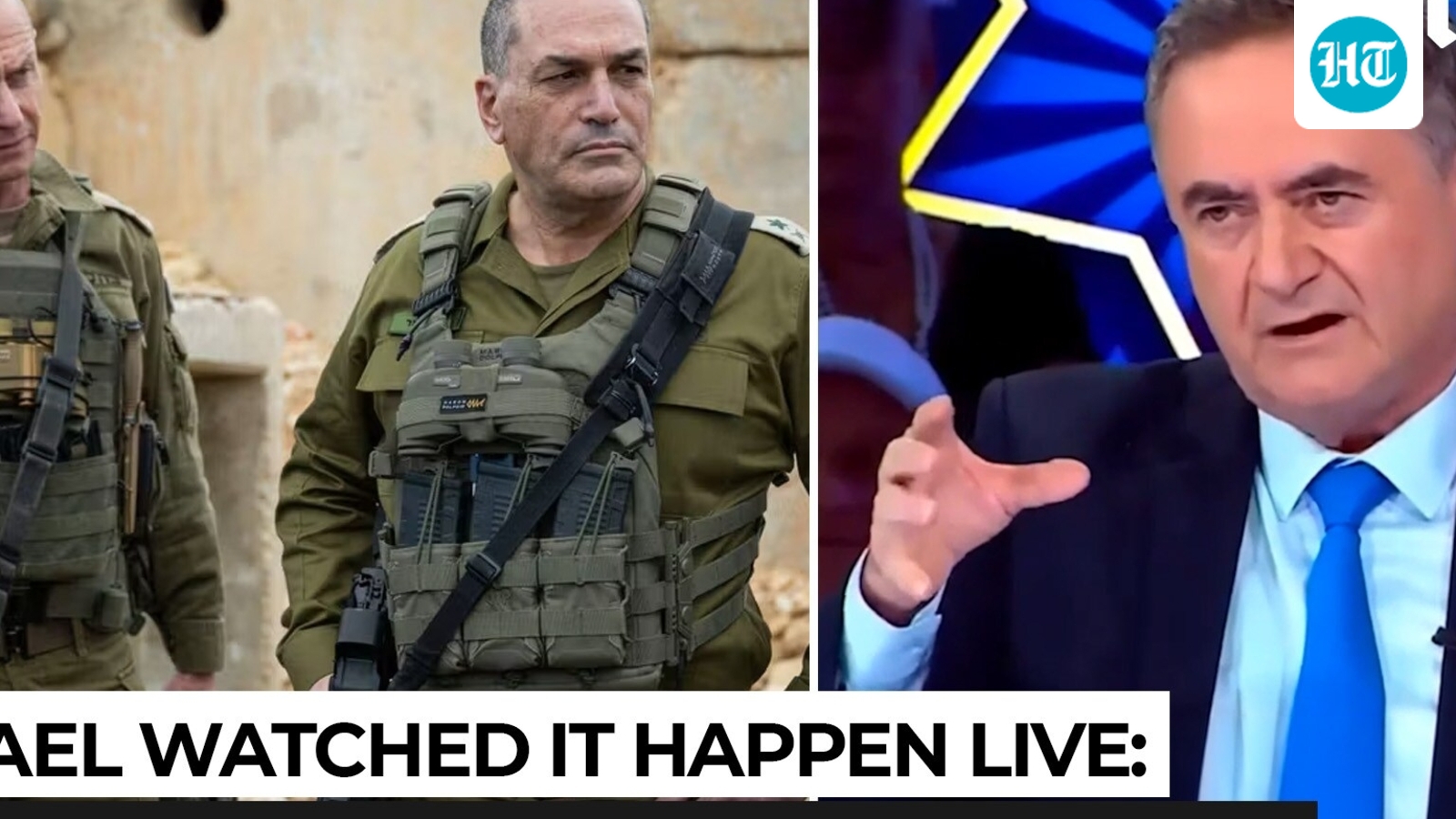
ByJPOST EDITORIALAUGUST 4, 2026 05:55Some political acts cross a line even when the politician responsible can produce a technically accurate explanation afterward. Defense Minister Israel Katz’s televised treatment of OC Central Command Maj.-Gen. Avi Bluth was one of them.Katz insists that he never announced Bluth’s dismissal during Sunday night’s interview on Channel 14. When a panelist called for the general to be fired, Katz answered, “No.”He also says IDF Chief of Staff Lt.-Gen. Eyal Zamir had recommended that Maj.-Gen. Dado Bar Khalifa be the next commander of Central Command months earlier, that he himself had already interviewed him, and that the appointment process was under way before the broadcast.That may all be factually correct, but it does not resolve the problem. The issue was not simply whether Katz used the word “dismiss,” or whether Bar Khalifa’s candidacy first appeared on a calendar in April, June, or July.The issue was the format: a defense minister sitting in a partisan television studio, publicly discussing the replacement of a serving general while linking that replacement to political complaints about how the general handles extremist settler violence.Maj.-Gen. Avi Bluth (credit: SCREENSHOT/X, SECTION 27A COPYRIGHT ACT)That is why the IDF’s response was so sharp. It said Katz’s statement had not been coordinated with Zamir, stressed that Bluth commands amid a complex reality “with professionalism, bravery, and dedication,” and said he should receive complete trust.Zamir did not intend to change key commanders during this sensitive period before elections, the IDF said, adding that any eventual decision would be made through the proper chain of command.Clarification or damage control?Katz’s clarification came only after the backlash. As such, its timing makes it difficult to view as anything other than damage control. He may have had a procedural case, but he made it only once the political performance had produced an institutional confrontation.And for what? Reactions from the Right suggest that the episode did not deliver the political reward Katz may have expected. Parts of the settler activist community have long argued that he has failed to rein in Bluth, while other prominent figures have defended the general and praised his security record.The stunt therefore pleased neither camp. What it did instead was reduce a serious military command to another loyalty test for the loudest voices in the room.Bluth does not require anyone to turn him into a symbol. Central Command is responsible for one of Israel’s most combustible arenas: stopping Palestinian terrorism, protecting Israeli communities, confronting violence by Israelis, enforcing the law, and preventing local incidents from becoming strategic crises. These tasks regularly pull in different directions, and every decision is attacked by someone.A commander in that position is not employed to fulfill the political wishes of a minister, a television panel, or a pressure group. His duty is to Israel’s security, to the law, to his soldiers, and to the operational judgment demanded by the field. That commitment must be larger than the electoral needs of any politician.Not real criticism, but audience-participation theaterNone of this means the IDF is beyond criticism – after the October 7 massacre, no public institution should be. Commanders must answer for mistakes, policies must be challenged, and appointments must be examined seriously. But military criticism is not the same as turning senior command decisions into live audience-participation theater.If Likud politicians want an urgent public argument about the IDF, there is one waiting: who is required to serve, who is excused, and whether the burden of national defense is shared equally. That is a debate with consequences for readiness, manpower, reservist families, and the country’s future. It is more important than collecting applause from Channel 14 by appearing to humiliate a serving general.Katz should do better. More importantly, every politician should treat this episode as a warning as election season approaches. Desperate spins do not become clever because they produce a viral clip, and voters are not as gullible as political strategists appear to believe: They can recognize when a real institution has been used as a prop.Israel has enough genuine problems without ministers manufacturing new ones for a few minutes of applause. This was an embarrassing election maneuver that went far beyond where it should have gone. The greater concern is that it may only be the beginning.Follow us on Google
Katz turned IDF command into political theater | The Jerusalem Post
By publicly discussing the replacement of a serving general on partisan television, Israel Katz crossed a line that should concern every Israeli.
709 words~3 min read