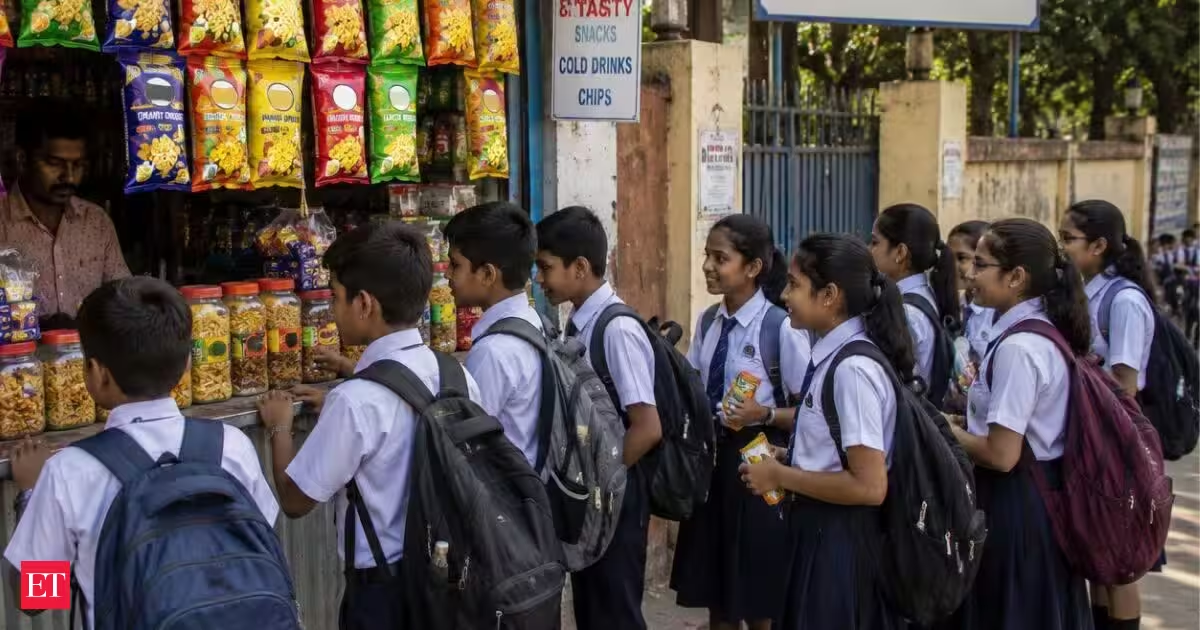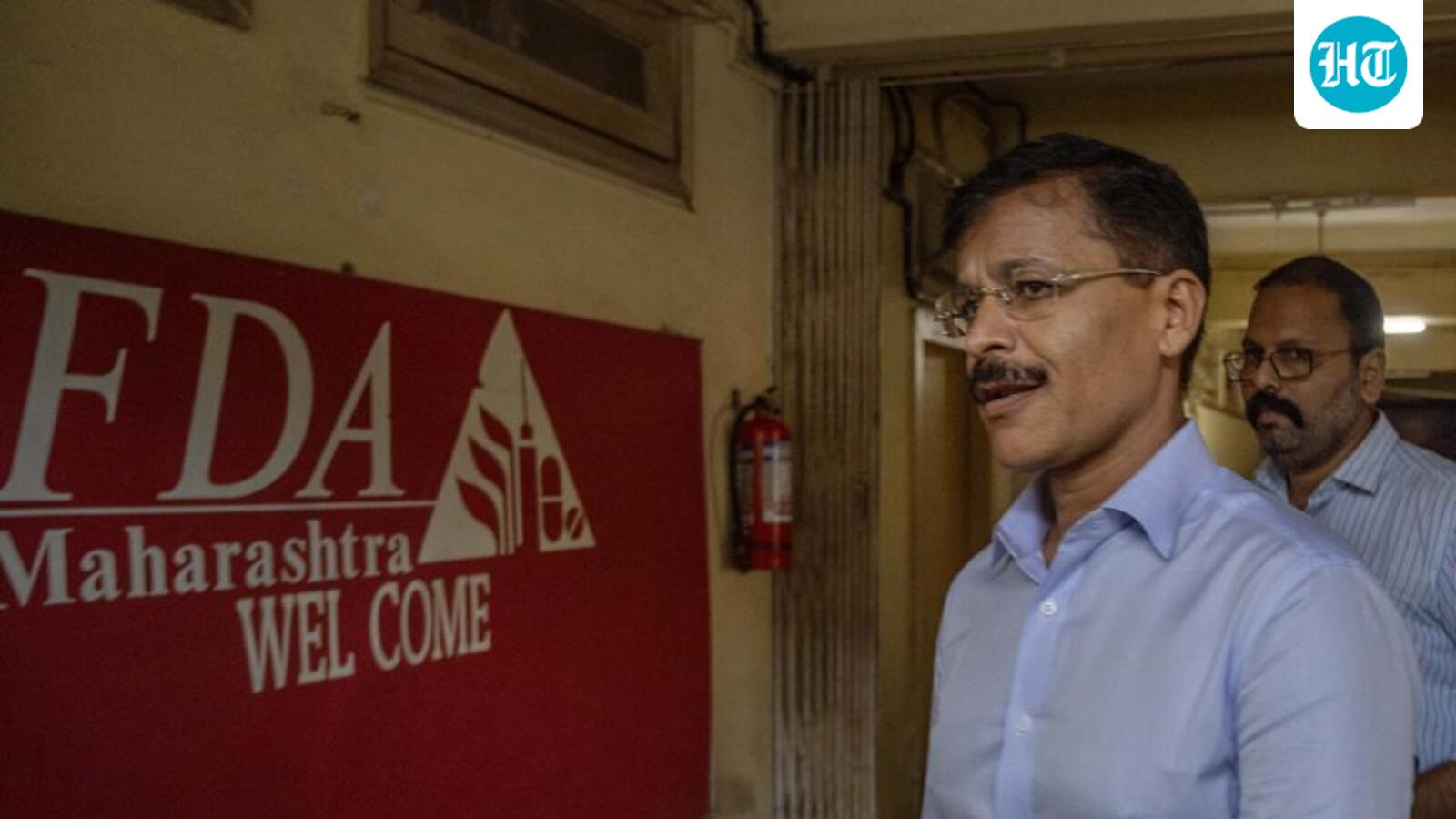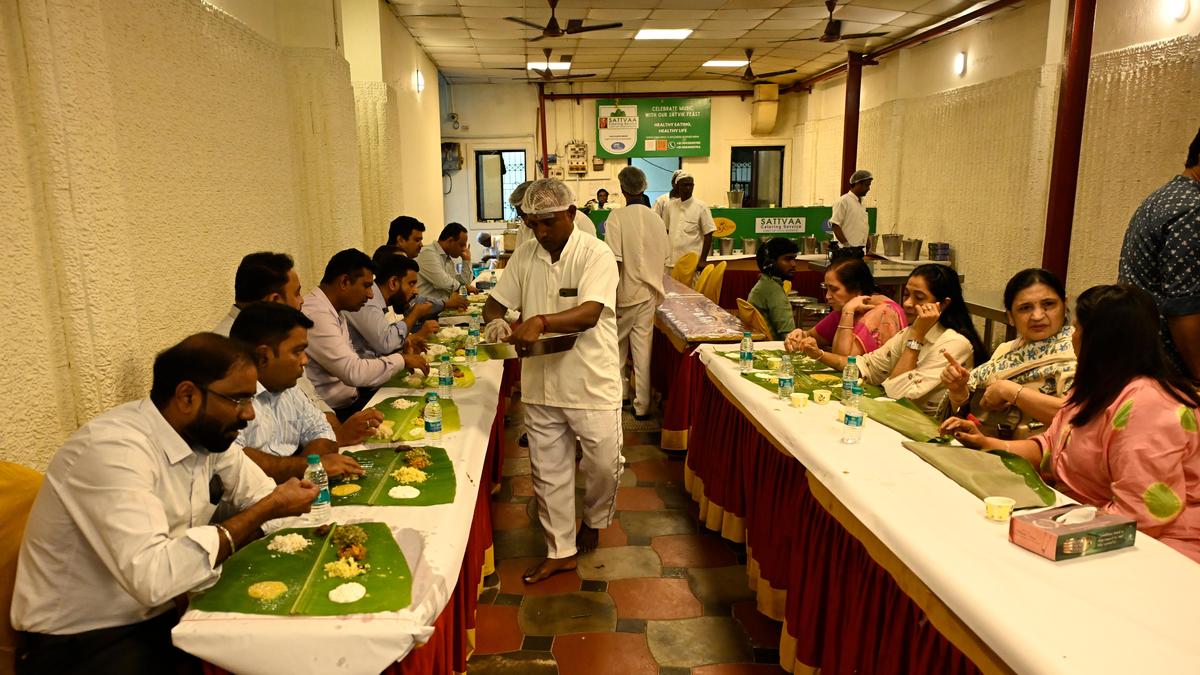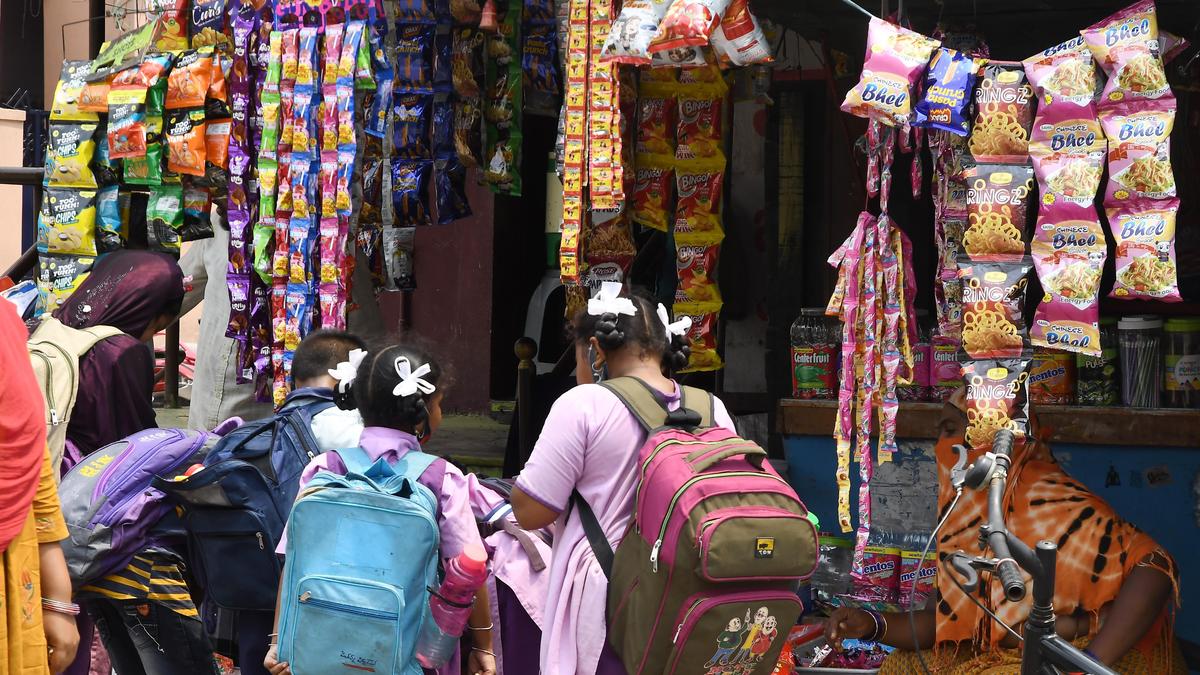
The Maharashtra Food and Drug Administration has issued a compliance order for all schools in the State to ensure the provision of safe and balanced food. The order applies to all government, aided, and private schools, including those affiliated with state, CBSE, and ICSE boards, and covers pre-primary to secondary levels, residential schools, hostels, canteens, and food suppliers. It excludes creches and day-care facilities for children up to 22 months.The Food Safety and Standards Authority of India has specified regulations under the Food Safety and Standards Act, 2006. The order, issued by the Maharashtra Food Safety Commissioner, Tukaram Mundhe, directs that all food in schools should align with the dietary guidelines of the National Institute of Nutrition. The order sets a preference for fruits, vegetables, whole grains, pulses, and dairy products. The sale and display of HFSS items, such as chips, fried snacks, and sugary beverages, are prohibited within school premises. The supply of drinking water must meet safety standards.The order states that school management serves as the primary responsible entity for food safety. Schools must obtain the required FSSAI license or registration, adhere to Schedule 4 hygiene standards, appoint a trained Health and Wellness Ambassador or nodal officer, display warning boards at entrances, and block HFSS advertisements on computers. They must also report any unauthorized sales within a 50-metre radius of the school to the food safety officer and the local self-government body.The School Education Department acts as the institutional guarantor for the implementation in government and aided schools. Its duties include the registration of PM POSHAN suppliers, joint training, and submission of a compliance report by March 31 every year. State boards, CBSE, ICSE, and other boards must make adherence to the School Food Regulations compulsory for school affiliation and renewal. They are also required to take action against serious violations.Food safety officers are the primary authorities for field-level implementation. They will inspect each school at least twice a year, collect food samples at least once a year, and take action against unlicensed vendors and violations within the 50-metre zone. Assistant Commissioners (Food) or designated officers handle district-level supervision, issue improvement notices, approve prosecutions, and compile reports. Municipal corporations, municipal councils, district councils, and gram panchayats are tasked with cooperating to prevent HFSS sales within the 50-metre radius.The order includes a Statewide campaign with the central theme of “safe food - healthy childhood - capable Maharashtra.” The order notes that the changing lifestyle, aggressive marketing, and the easy availability of HFSS items have led to health concerns. The regular consumption of such items is linked to childhood obesity, micronutrient deficiencies, anaemia, reduced concentration, and an increased risk of lifestyle diseases in later life.Each school is expected to develop a School Nutrition Policy, provide safe drinking water, conduct at least four awareness sessions per year, and set up a healthy canteen model. Parents are expected to monitor their children’s diet and report any violations. Students are expected to make healthy food choices. In case of violations, action includes improvement notices, seizure, suspension or cancellation of licenses, prosecution, and stringent action based on the severity of the offence, all in line with the procedures of the Food Safety and Standards Rules, 2011.The Food Safety cCommissioner stated that the order is not limited to legal enforcement and that children have a right to safe and balanced food. He said that ensuring the safety of every child’s food is a moral responsibility of society. He stated that the initiative aims to make every school a safe food school and every student a healthy child.Under the statewide initiative, 4,919 teachers from 3,567 schools have been trained and sensitised on food safety and balanced diet through 42 awareness workshops. The Maharashtra Food and Drug Administration has called upon all schools, education boards, local self-government bodies, parents, and food business operators to participate actively in this initiative.
Maharashtra issues order on safe food in schools
Maharashtra mandates safe, balanced food in schools, aligning with national dietary guidelines to promote children's health and well-being.
642 words~3 min read