Giulio Boccaletti
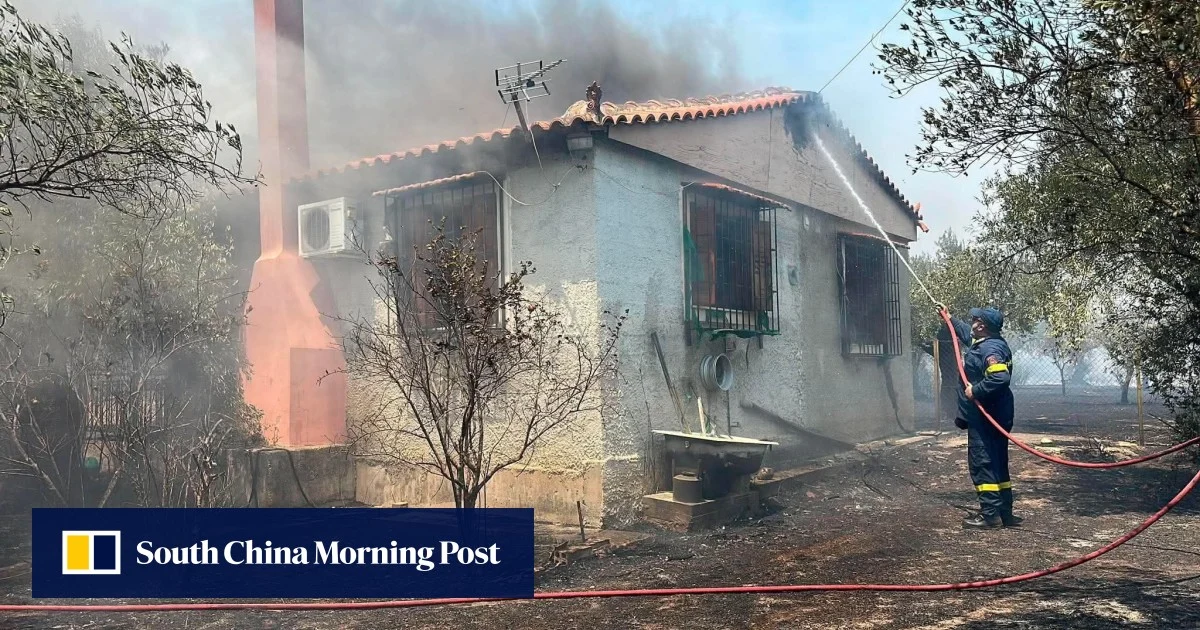
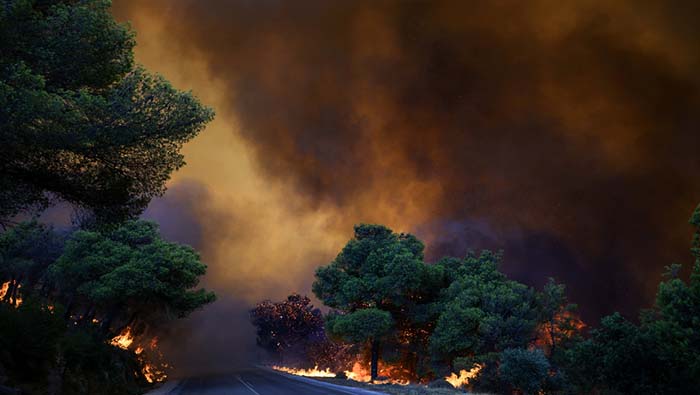
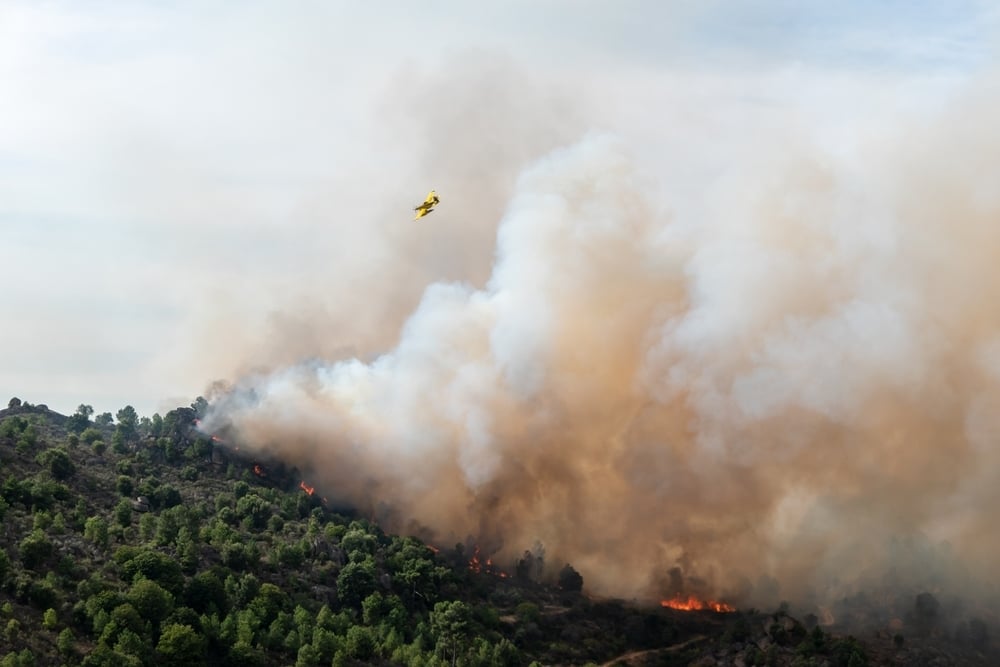
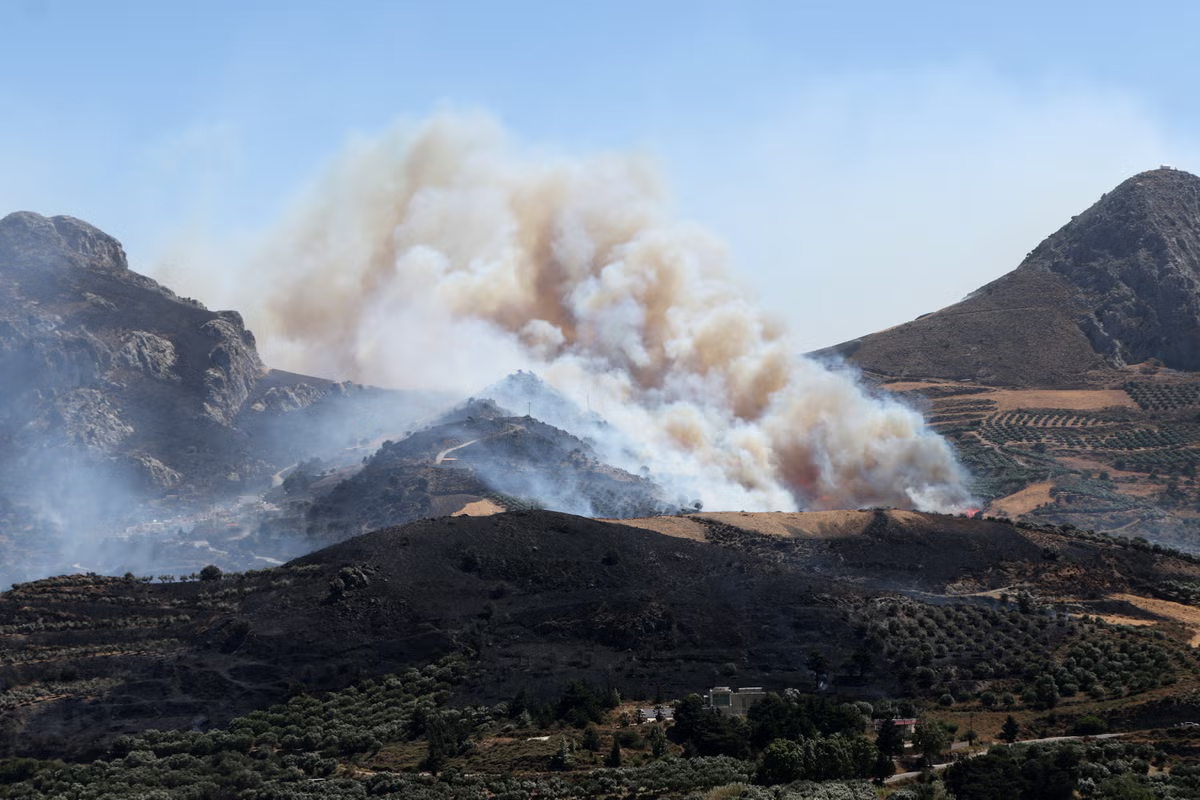

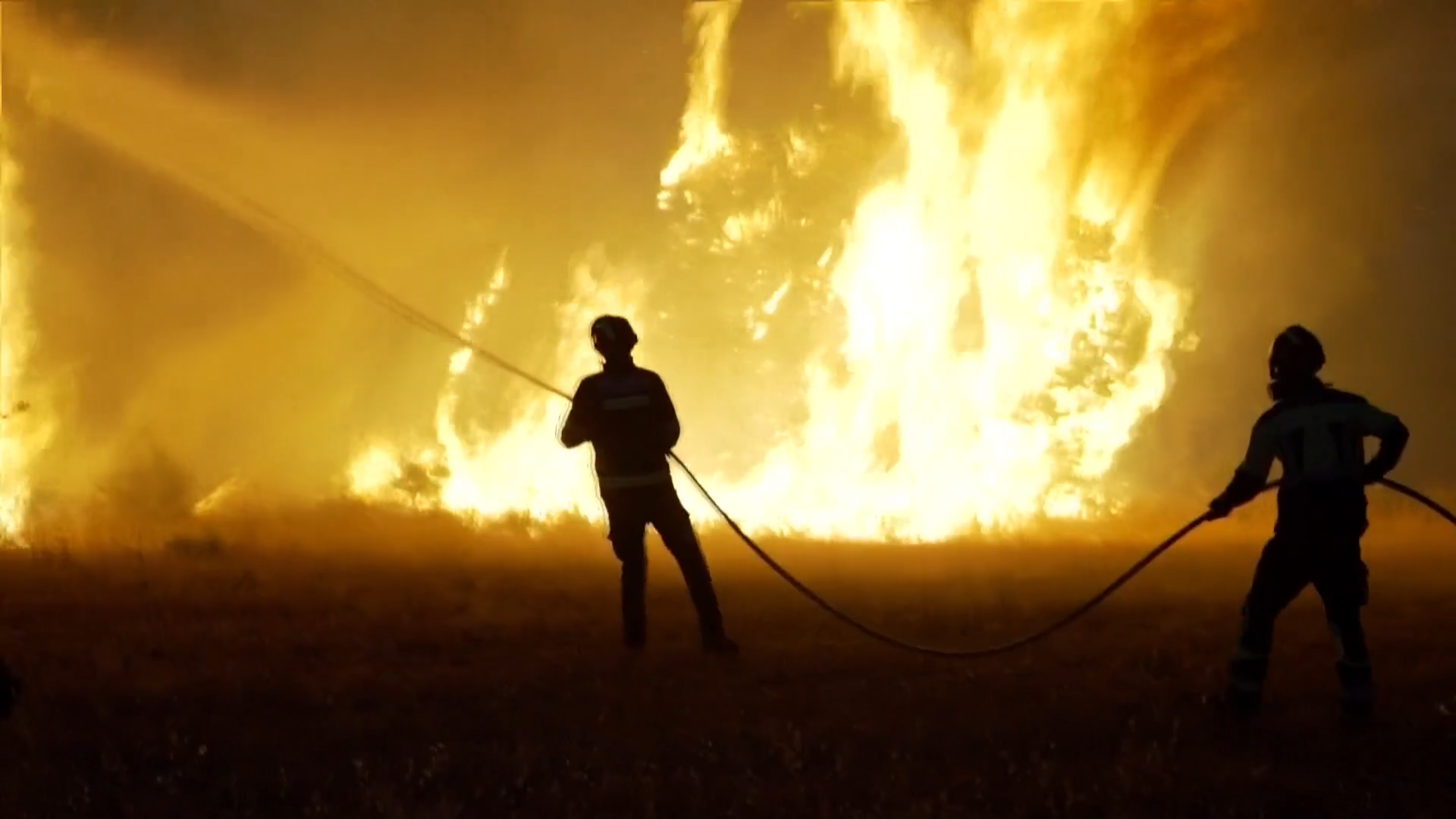
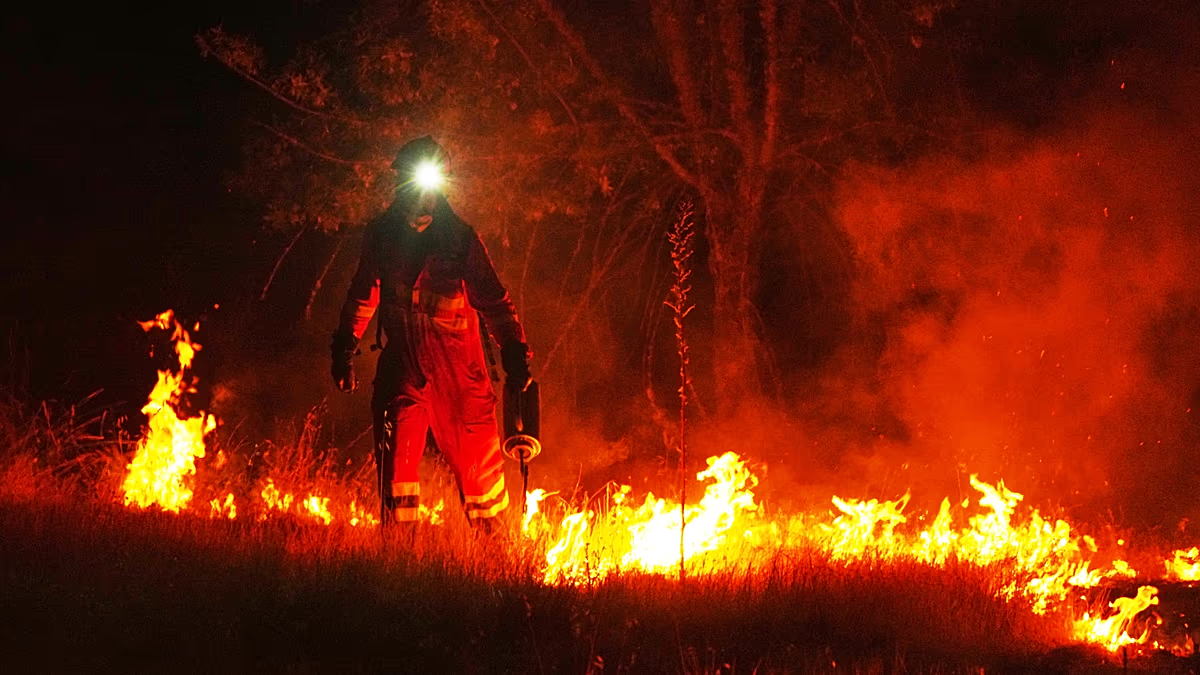
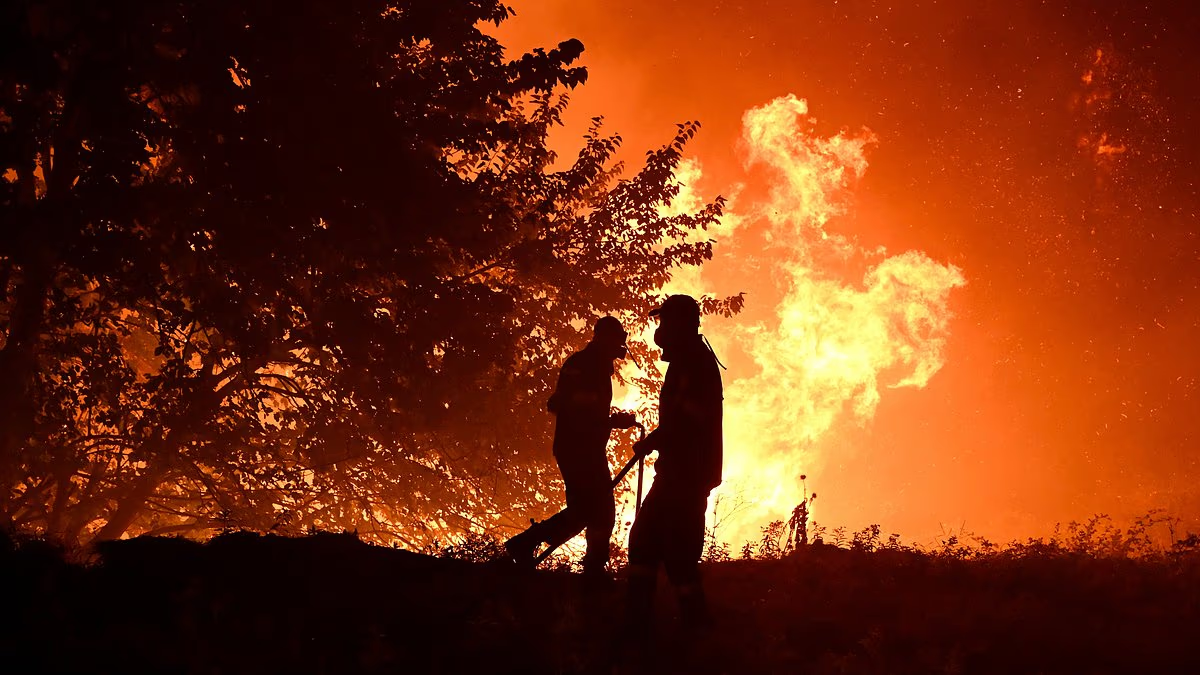
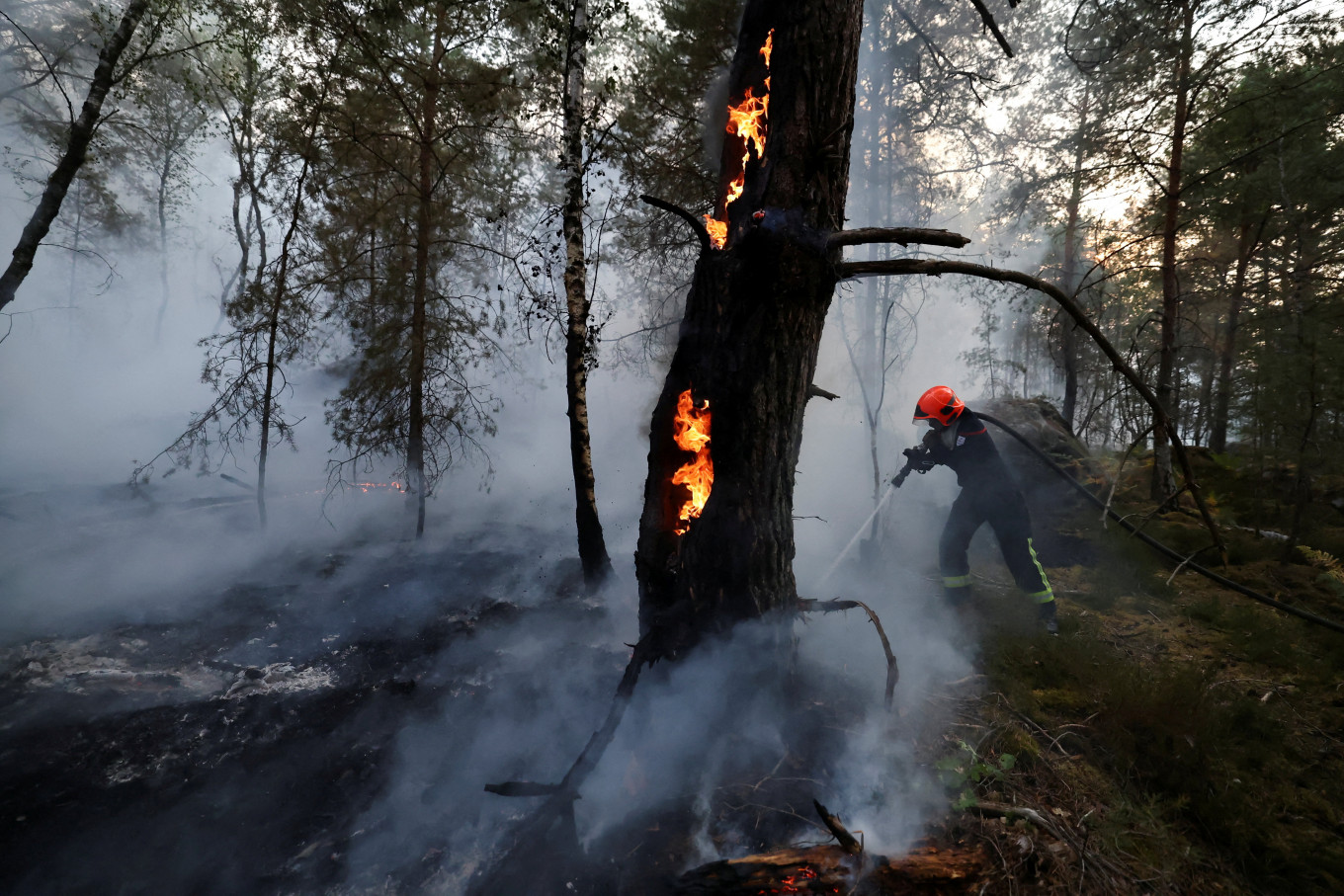
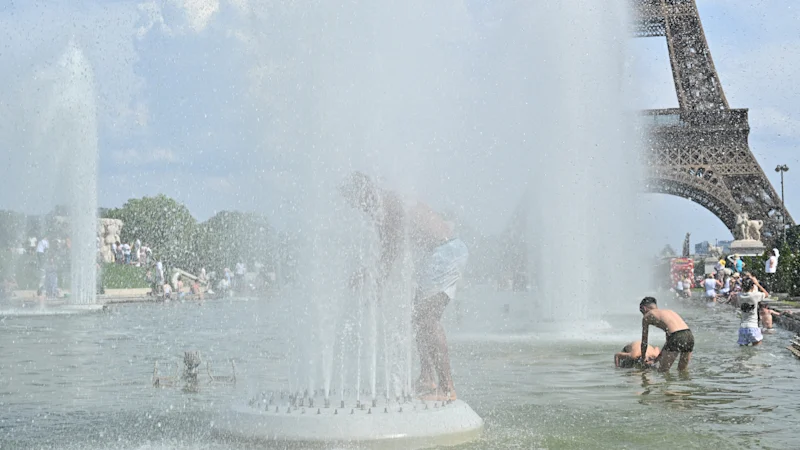
LONDON — Between June 20 and 28, a powerful heat wave hit Europe, creating the conditions that have fueled the wildfires now raging across large swathes of France and Spain. Soon after the June heat wave, city officials in Rome announced a new, scientifically informed operational strategy to prepare for a hotter world. As with other such efforts in Europe, the heat plan includes emergency responses for the vulnerable, green public spaces, more water fountains, climate shelters, investments in grid resilience, and so forth.
This is not the Eternal City’s first heat initiative. Rome previously rolled out a heat health warning system in 2002, in time for the 2003 heat wave that killed 70,000 people across Europe (including more than 1,000 in Rome). After that, Rome and many other cities enacted emergency plans to provide early warning systems, register vulnerable people, and prepare hospitals. But when a massive heat wave struck in 2022, those two decades of emergency planning proved inadequate. Another 60,000 people died.
Once again, governments announced structural responses such as school closures, event cancellations, and outdoor labor regulations. But while they had some positive effect, this year’s heat wave showed that Europe is still far behind the curve.