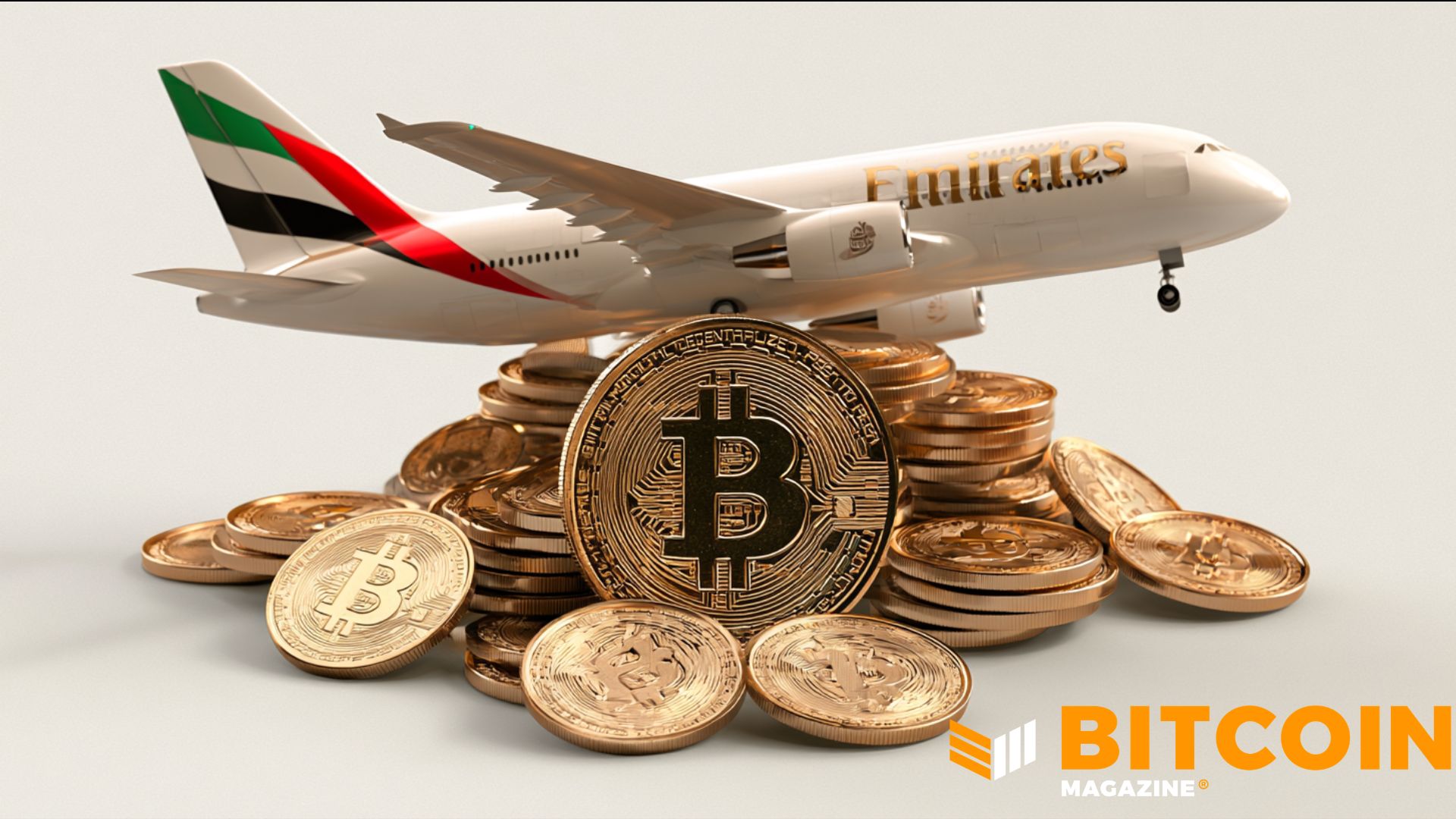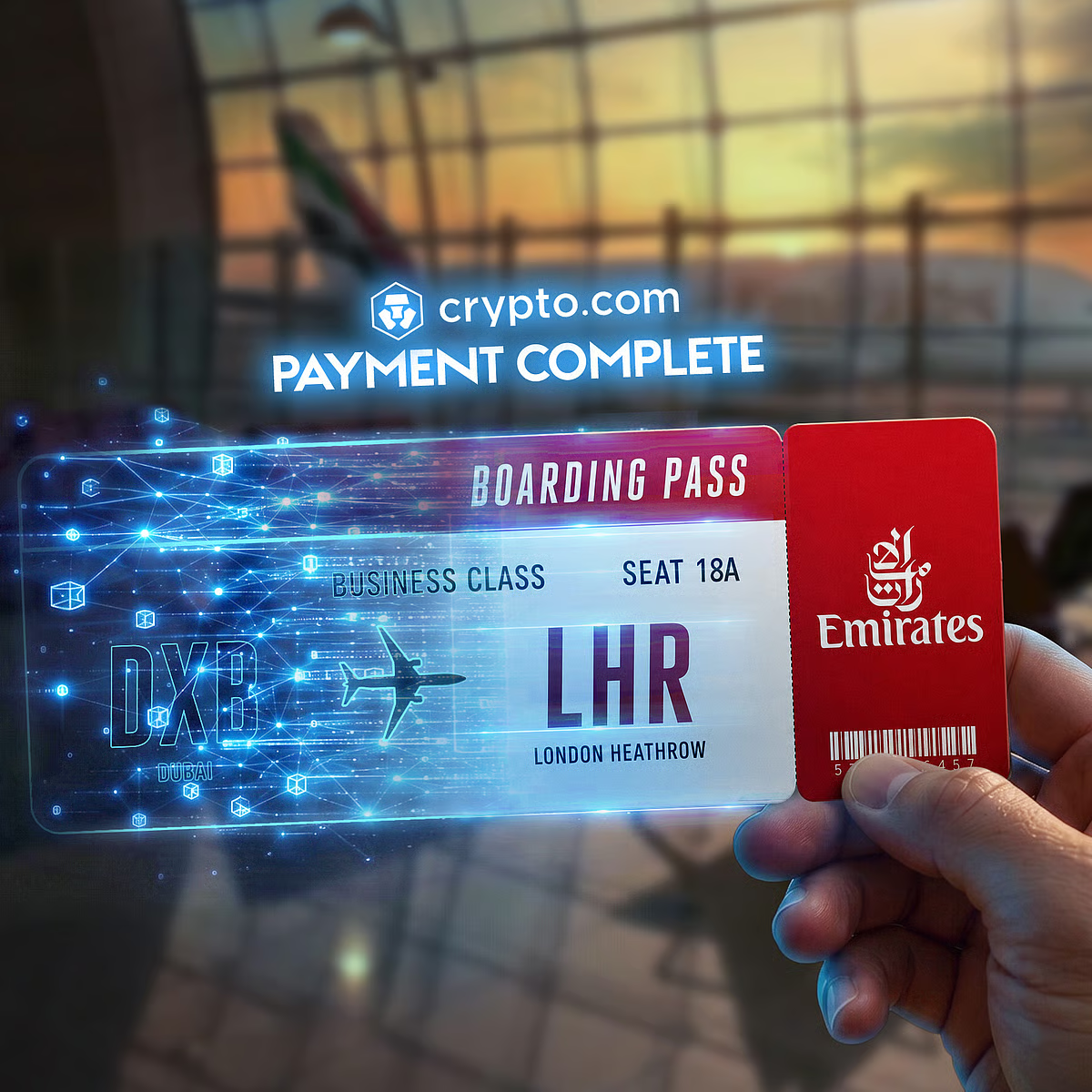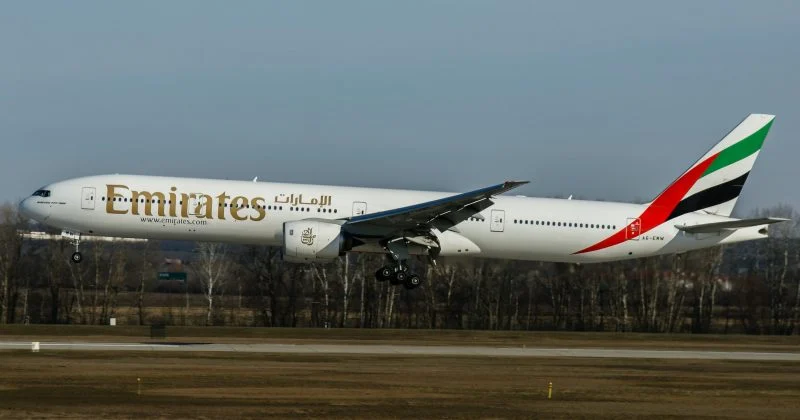
Where Bitcoin works in the UAE’s digital economy – and the rules behind itLast updated: August 04, 2026 | 06:003 MIN READBitcoin and other digital assets are gaining new payment uses, but strict regulations still shape how transactions work.ShutterstockDubai: Cryptocurrency still isn't how most people in the UAE buy their morning coffee. But behind the scenes, a quiet shift is underway: airlines, government departments and property developers are increasingly opening their doors to digital assets, turning what was once a niche payment method into a genuine mainstream option.The growing acceptance of crypto sits squarely within Dubai's Cashless Strategy, part of the wider D33 Economic Agenda, which aims to have 90 per cent of all transactions across the government and private sectors go digital by the end of 2026. Crypto is becoming one of the tools helping the emirate get there.Here's where you can actually spend it.Get updated faster and for FREE: Download the Gulf News app now - simply click here.1. Book flights with EmiratesDubai's flagship carrier has made one of the most eye-catching moves yet. Emirates has officially rolled out Crypto.com Pay, letting customers in the UAE book flights using the digital payment platform through the airline's website or app. The option is available to anyone with a Crypto.com account booking flights priced and settled in UAE dirhams.2. Settle government feesUnder the arrangement, customers will be able to settle fees through Crypto.com's wallet, with the platform converting payments into dirhams before transferring the funds to the Department of Finance.3. Invest in real estateBuying property with cryptocurrency is legal but it comes with a caveat - under Virtual Assets Regulatory Authority (VARA) and Central Bank rules, crypto payments must be converted into dirhams through a licensed intermediary before the property can actually be registered.You can't register ownership with the Dubai Land Department (DLD) directly in Bitcoin or any other digital currency, the conversion happens before or during the official transfer.Acceptance also depends on the seller. Several major developers, including Damac, Emaar, Nakheel and Ellington Properties, have accepted crypto payments for property purchases.Worth noting that tokenisation and cryptocurrency aren't the same thing. Crypto, like Bitcoin, is a digital currency native to its own blockchain. Tokenisation is the process of creating a digital token that represents a real-world asset, such as a property, a stock or a bond.How is crypto regulated in the UAE?Crypto is regulated in the UAE but is not recognised as legal tender. The UAE dirham (AED) remains the country’s official currency.The regulatory framework is overseen by several authorities:Virtual Assets Regulatory Authority (VARA): Dubai’s dedicated crypto regulator, established in 2022. It licenses and supervises virtual asset service providers, including crypto exchanges, brokers and other digital asset businesses operating in Dubai.Central Bank of the UAE: Oversees payment systems and activities where crypto intersects with financial services.Securities and Commodities Authority (SCA): Regulates virtual asset activities across much of the UAE.Abu Dhabi Global Market (ADGM): Its Financial Services Regulatory Authority (FSRA) manages a separate digital asset framework covering activities such as custody, trading and broker-dealer services.Dubai International Financial Centre (DIFC): The Dubai Financial Services Authority (DFSA) oversees crypto token rules within the financial centre.All licensed virtual asset service providers must comply with strict anti-money laundering (AML), counter-terrorism financing (CTF) and know-your-customer (KYC) requirements.For businesses accepting crypto payments, many use regulated payment providers that convert digital assets into UAE dirhams before settling transactions, allowing merchants to accept crypto without directly holding cryptocurrencies.Also In This PackageRelated Topics:Get Updates on Topics You ChooseUp Next
The surprising things you can now pay for with crypto in the UAE
Discover where you can spend Bitcoin and crypto in the UAE, from Emirates flights to government fees and Dubai real estate, under the country’s evolving regulations.
TL;DRAI
Emirates, government and developers accept crypto (Crypto.com Pay; VARA-regulated, dirhams conversion) targeting Dubai's 90% digital transactions by 2026. Tech signal: regulated digital asset infrastructure moves from niche to essential—reshape payment stacks for emerging regulated markets.
579 words~3 min read