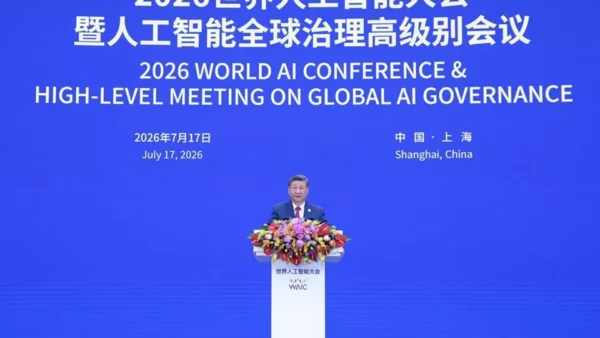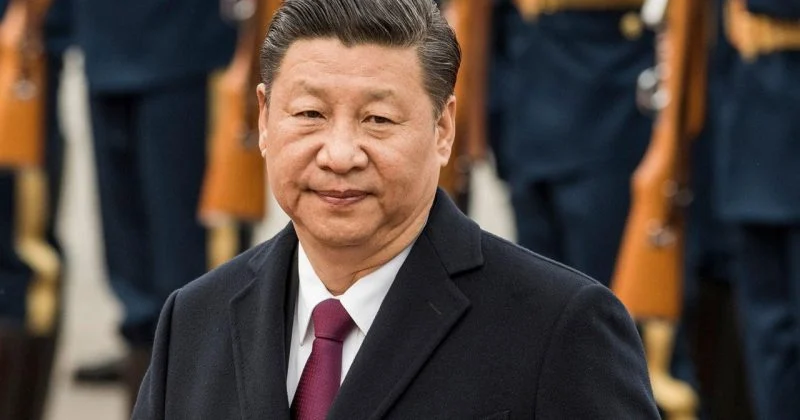
Xi Jinping, president of China and general secretary of the Chinese Communist Party (CCP), traveled to Shanghai in mid-July. While the major reason for his trip was to open an international AI conference, he also had another priority: symbolically addressing concerns related to the distressed property market.
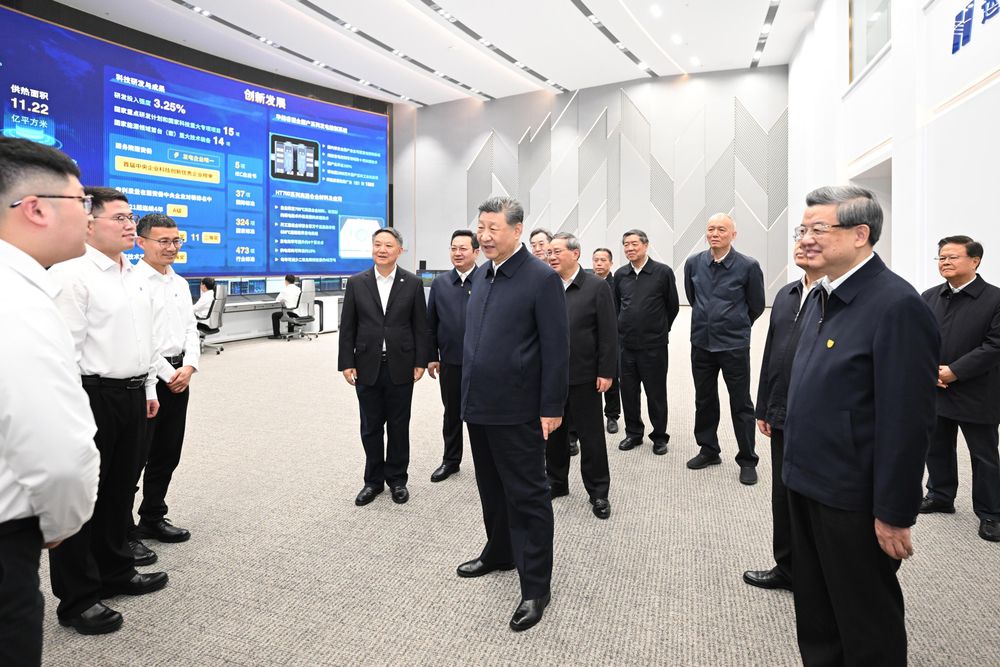
Xi began his Shanghai visit with an inspection tour in Huangpu District, the traditional heart of the old city of Shanghai. Huangpu is home to the Bund and its 19th century British-built buildings. Xi met local citizens and CCP officials alike, and made a point of focusing on their standard of living, rather than suggesting that they should move into newly constructed housing, often in the outer suburbs of the city or beyond.
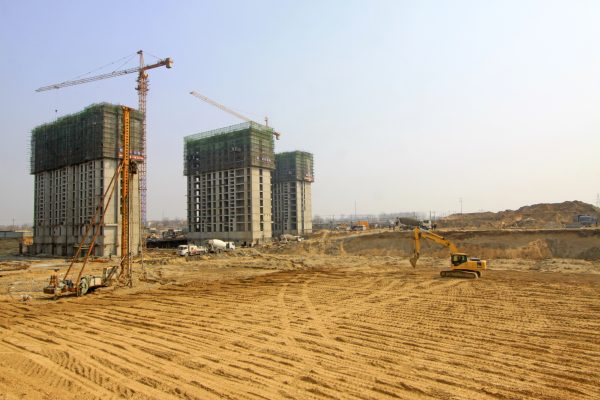
Of all of China’s domestic priorities, home ownership and property investment has been both a boon and a bane.
Professor of Economics Kenneth Rogoff of Harvard University, in the Brookings Podcast on Economic Activity, stated in April that “real estate has been the cornerstone of the Chinese growth model, and if you include infrastructure which is closely related, it accounts for roughly a third of demand in China over a very long period. It has been the engine along with exports of China’s growth.”