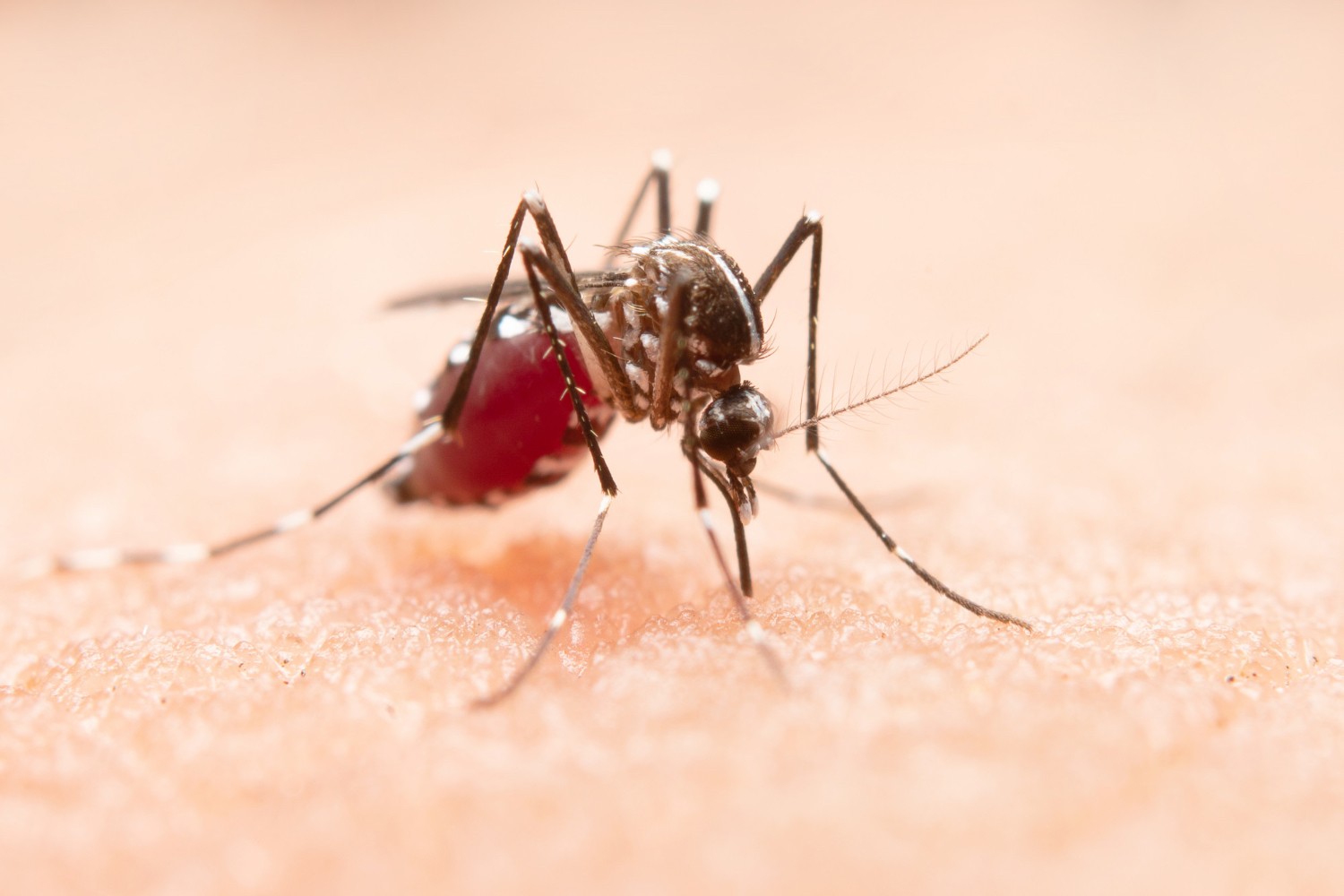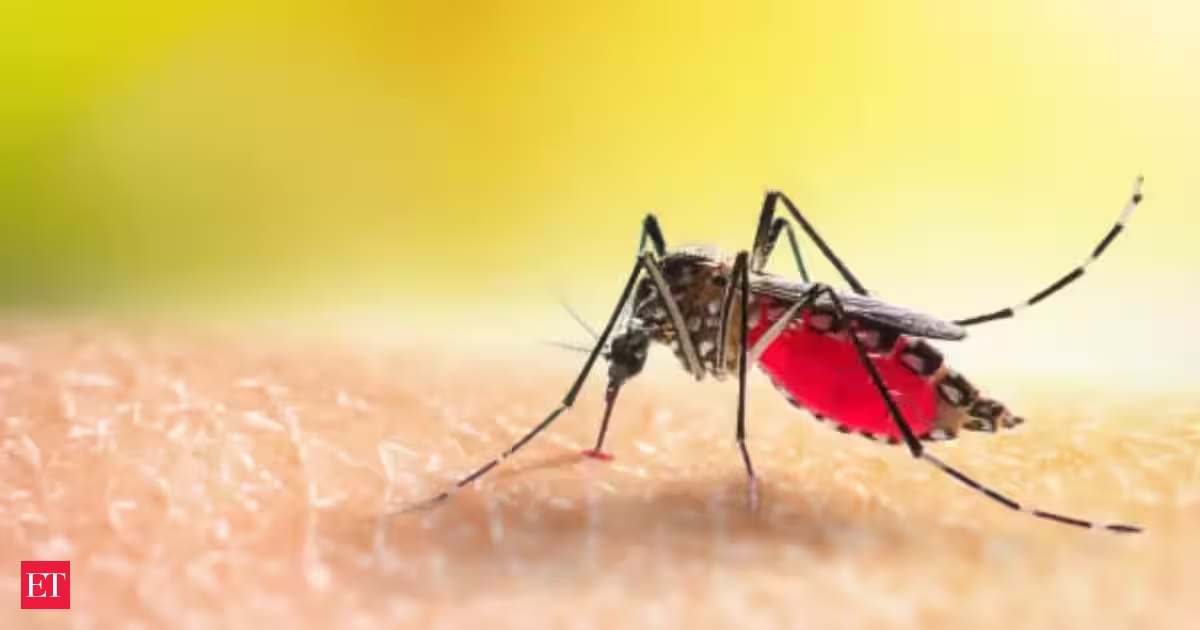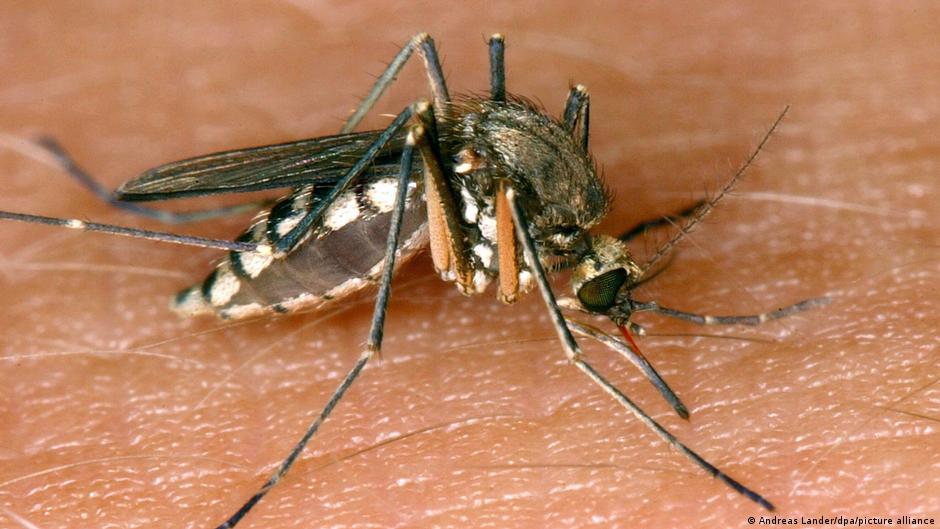
For many of us, mosquitoes are mostly a source of irritation and annoyance – and if that's all they are to you, you might count yourself lucky.That's because the mosquito is actually the world's deadliest animal, thanks to its unrivaled ability to spread a swathe of harmful diseases, including malaria, dengue fever, West Nile virus, and more.It's estimated that over 1 million human deaths result from this vector every year, so understanding why and how mosquitoes seek us out is a hugely important field of science.In a new study reported in iScience, we just got a step closer to solving the mystery and figuring out why mosquitoes seem to be strangely more attracted to some people, while ignoring others.In an experiment led by scientists from Florida International University (FIU), researchers recruited 119 volunteers from Miami and had each of them place their arm in a long tube called an olfactometer.At the other end of this tube, the researchers introduced three different species of mosquitoes – Aedes aegypti, Aedes albopictus, and Culex quinquefasciatus – to see which mosquitoes were attracted to which people.An example of a mosquito attraction olfactometer experiment. (Peggy Greb/USDA)We already know that mosquitoes are attracted to human scents – among lots of other unwitting signals – but understanding why subtle differences in body odor affect mosquito attraction has so far remained hard to pin down.Partly that's because of the complicated makeup of human body odor itself, formed as odorless secretions on our skin turn into gases called volatile organic compounds (VOCs) through interactions with bacteria in our skin microbiome.There are thought to be over 1,000 human skin VOCs, many of which warrant further study, so it's difficult to know exactly how these chemicals relate to specific smells.And that's before you consider there are about 3,600 known species of mosquito, each of which has likely evolved slightly different scent preferences, so there's still a lot we have to learn about how mosquito scent attraction works."It has become increasingly clear that there is a connection between human skin microbes and/or odors when mosquitoes target individual humans," the research team, led by senior author and neurogeneticist Matthew DeGennaro from FIU, explains in their paper."Although previous studies have compared the attraction of different mosquito species with individuals, cross-comparing attraction rates of multiple mosquito species to individual human volatilomes and skin microbiomes, to our knowledge, has not been previously accomplished."
You're Not Imagining It – Some People Really Are More Attractive to Mosquitoes, Study Shows
For many of us, mosquitoes are mostly a source of irritation and annoyance – and if that's all they are to you, you might count yourself lucky.
799 words~4 min read