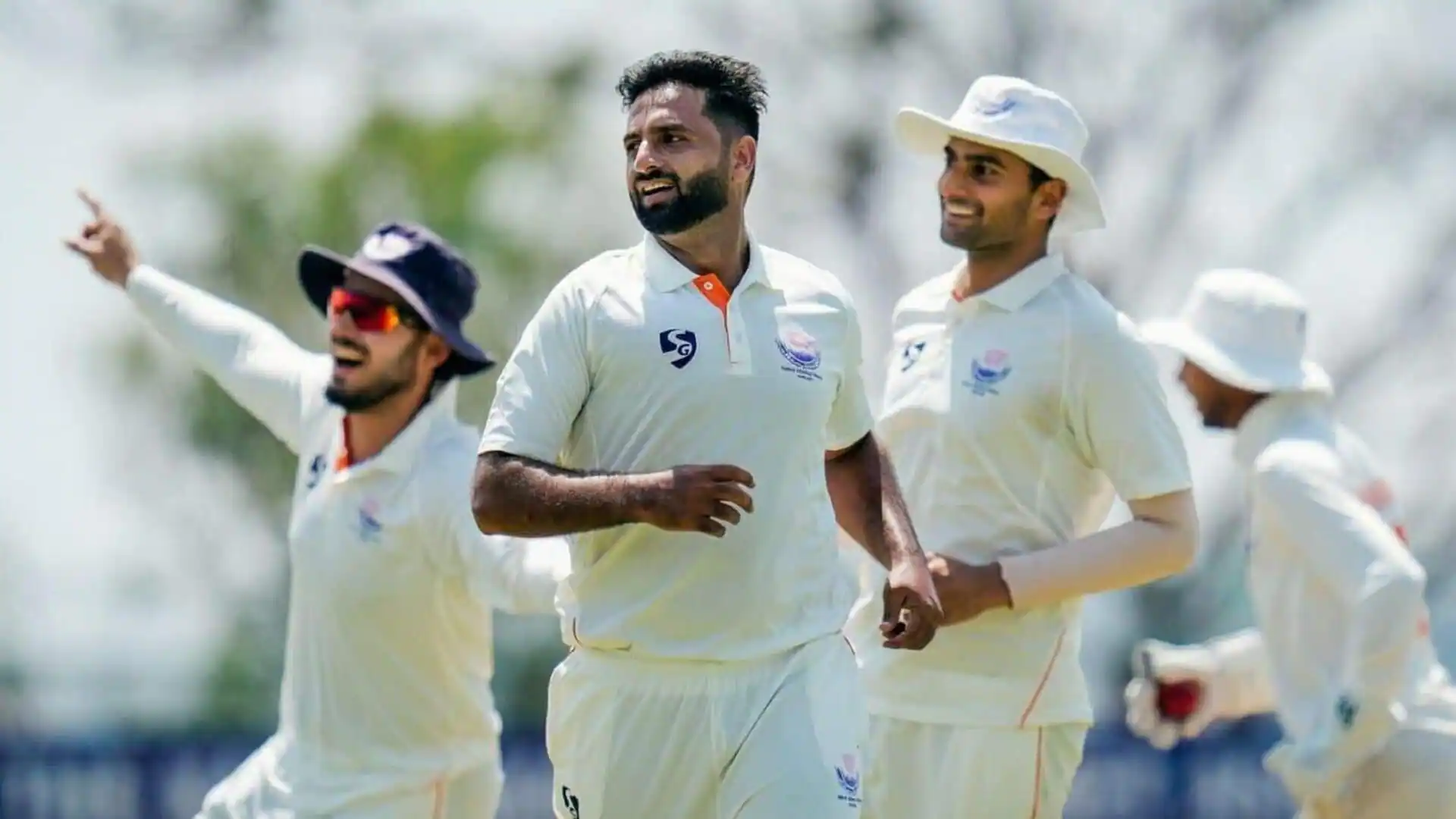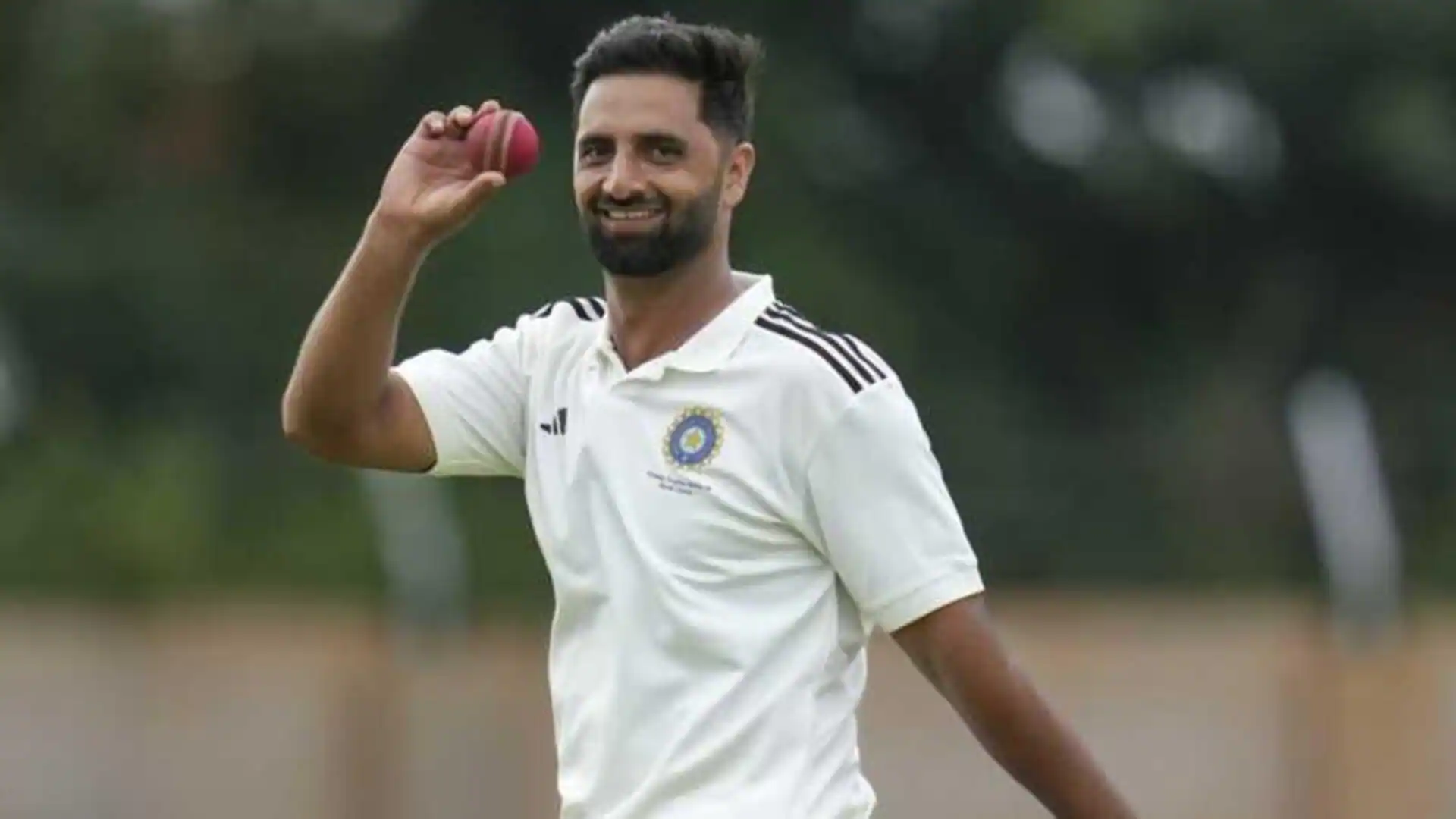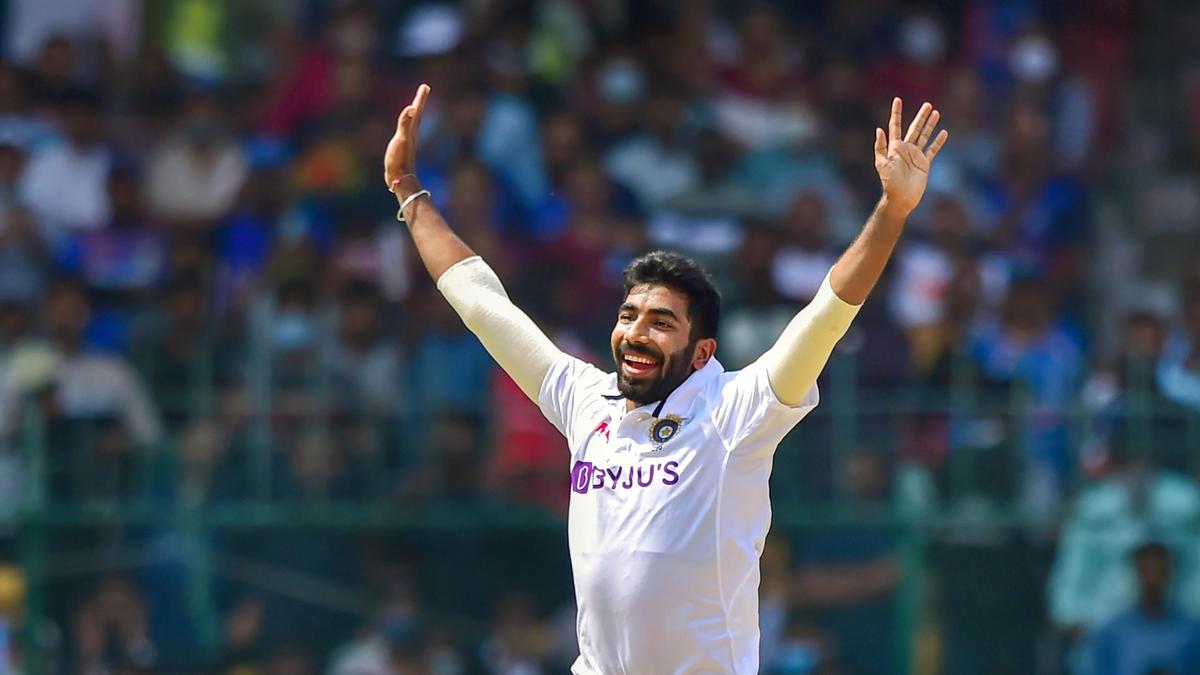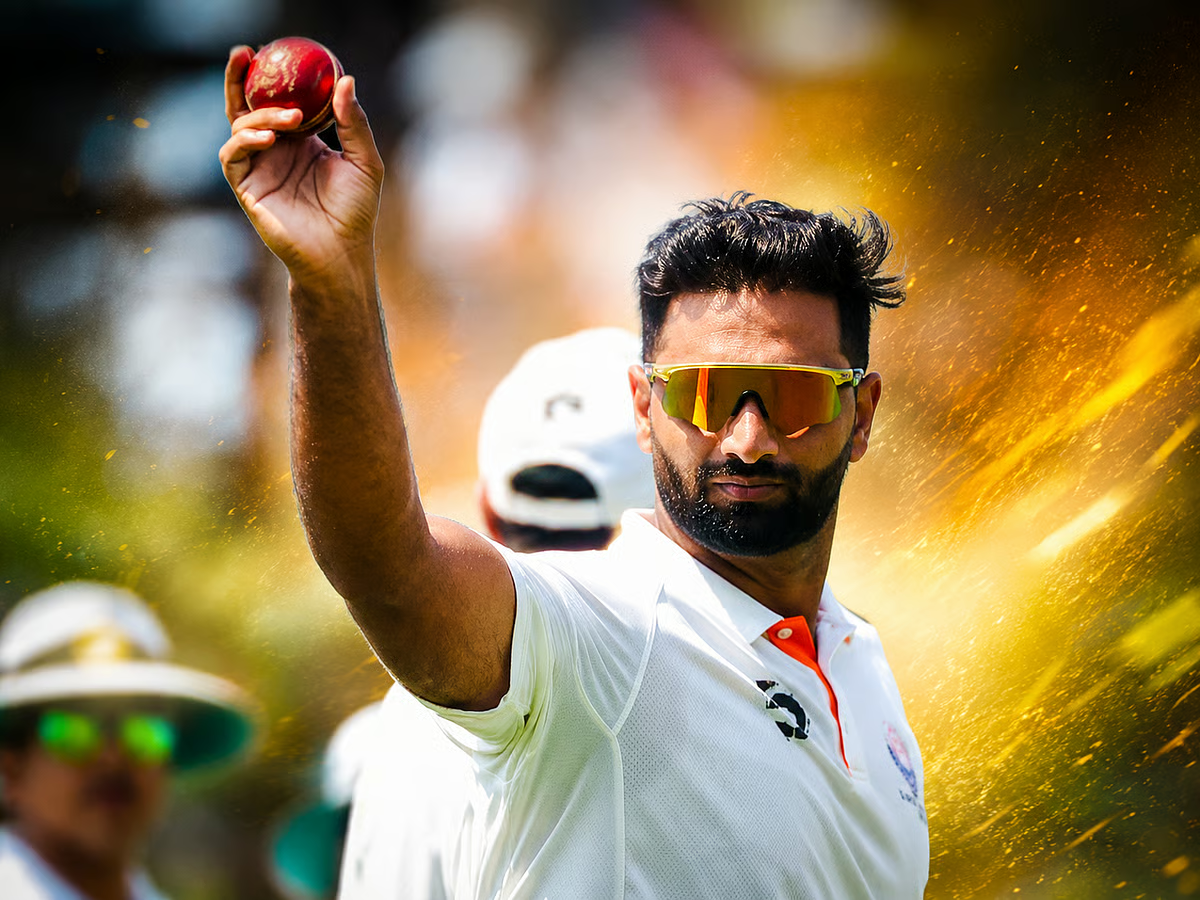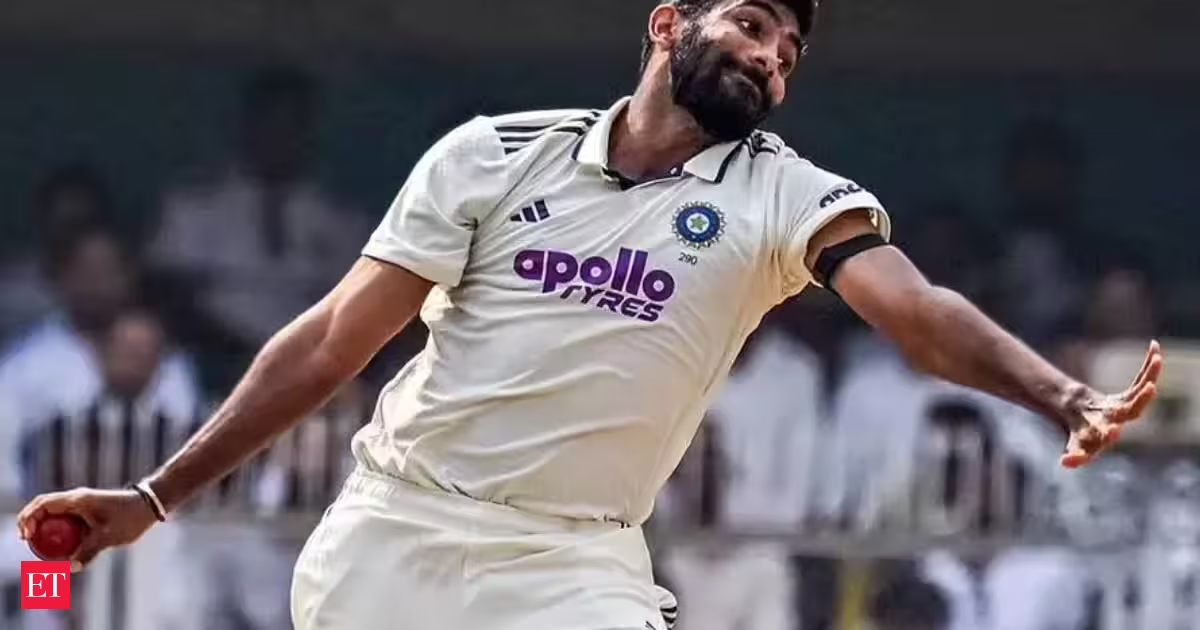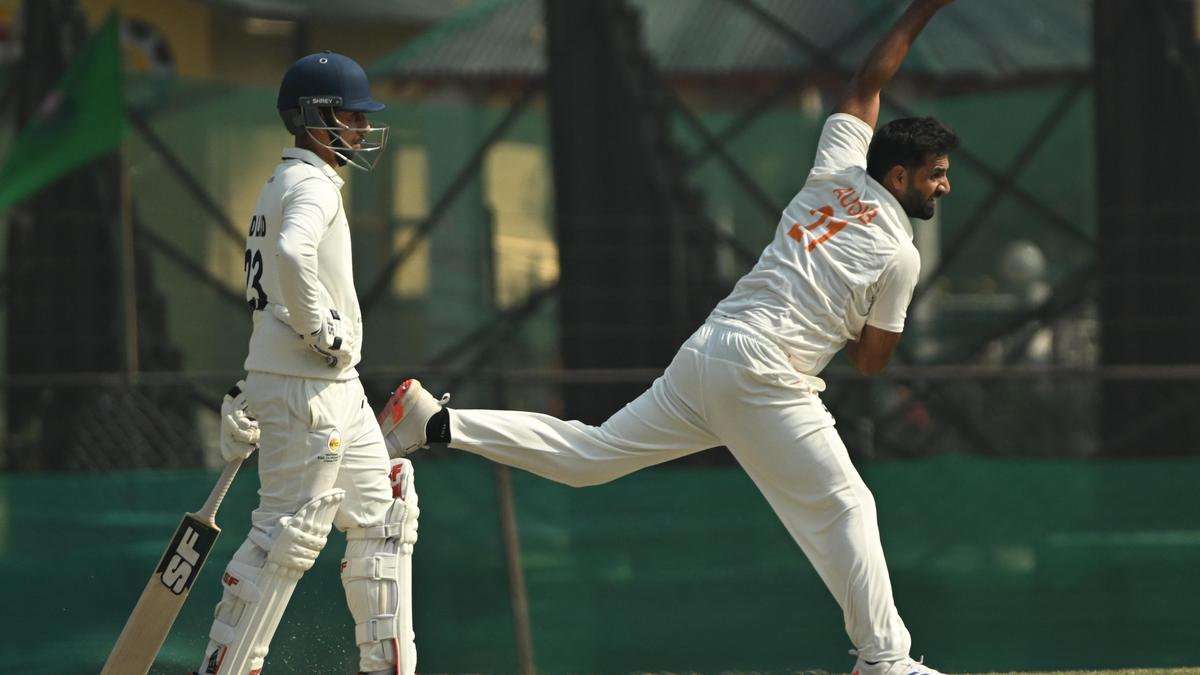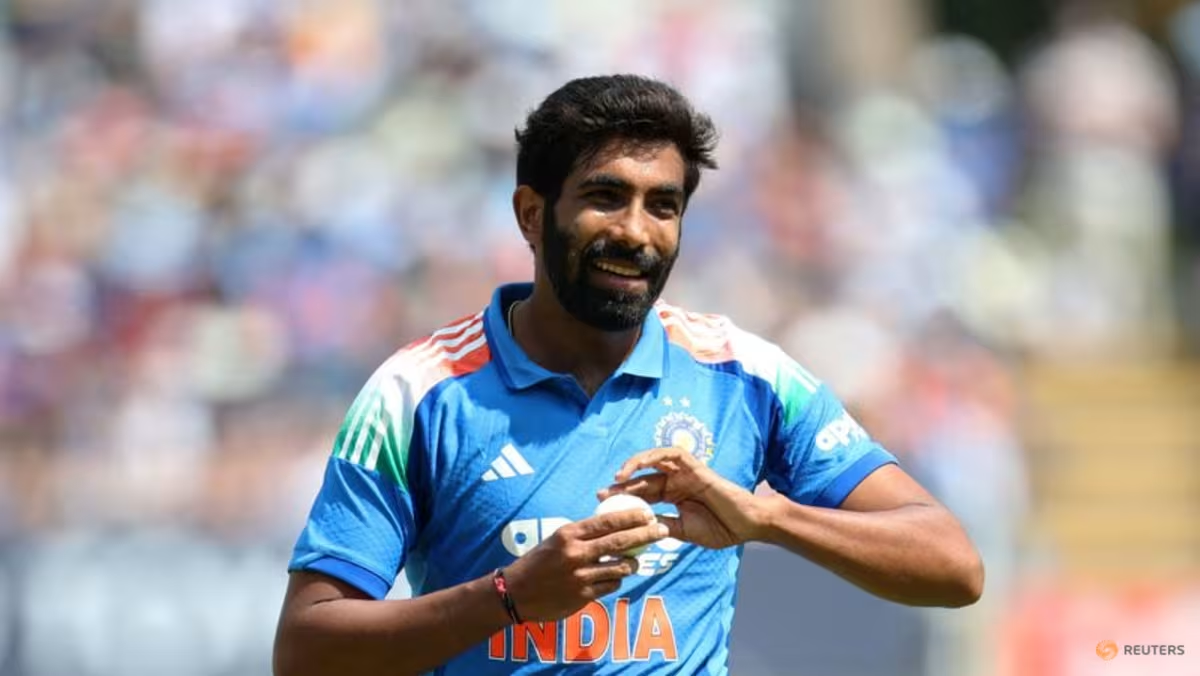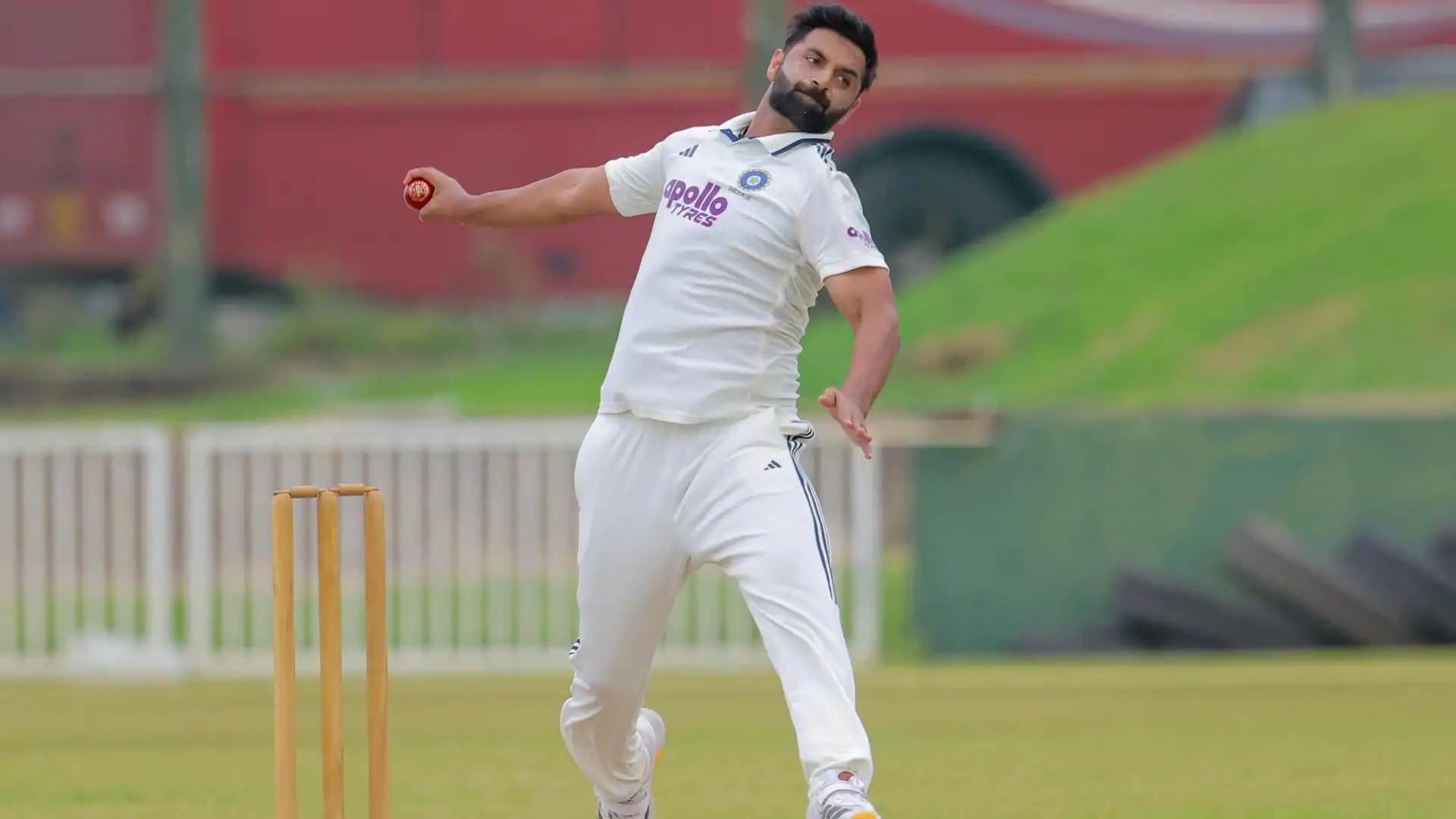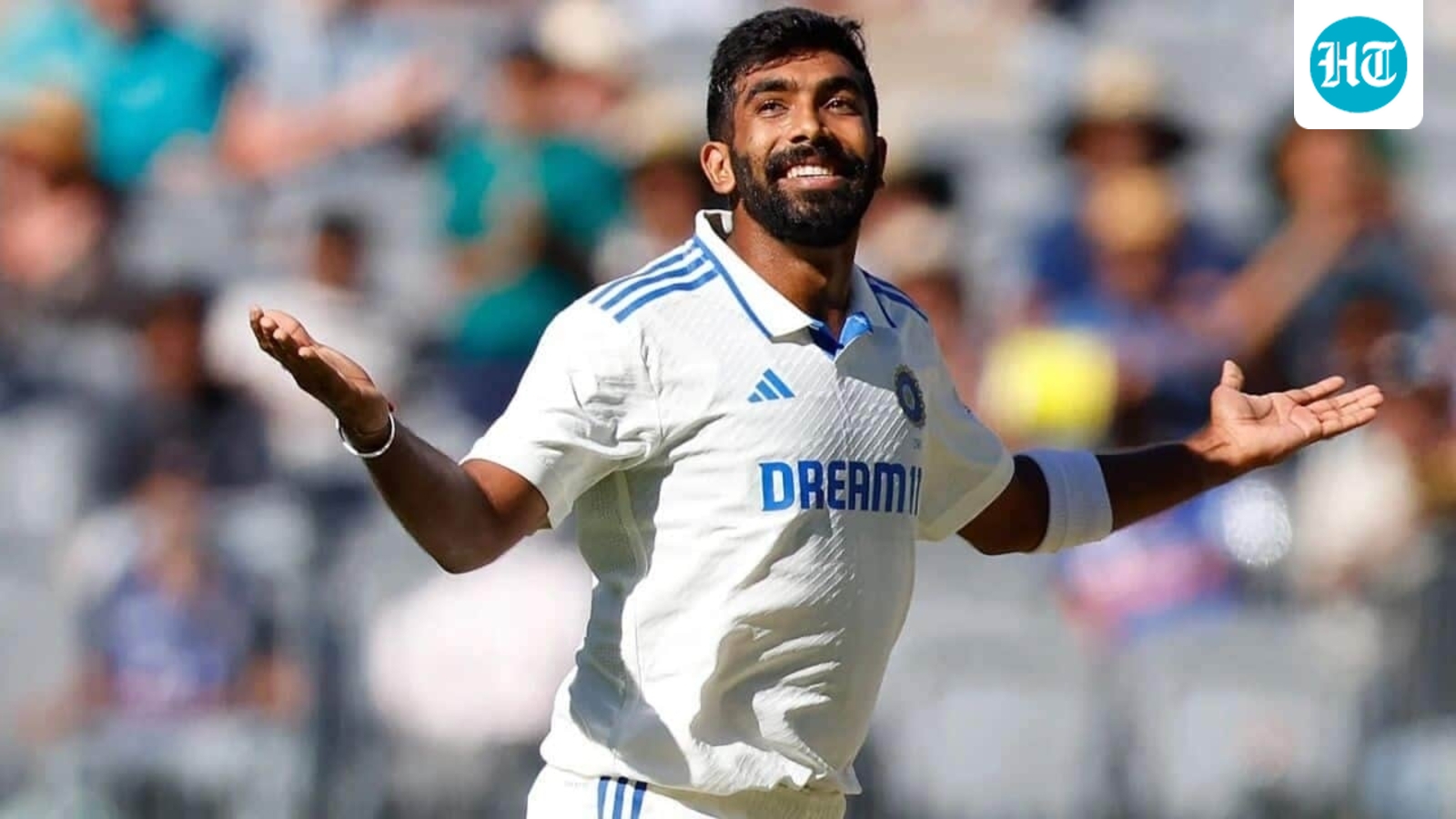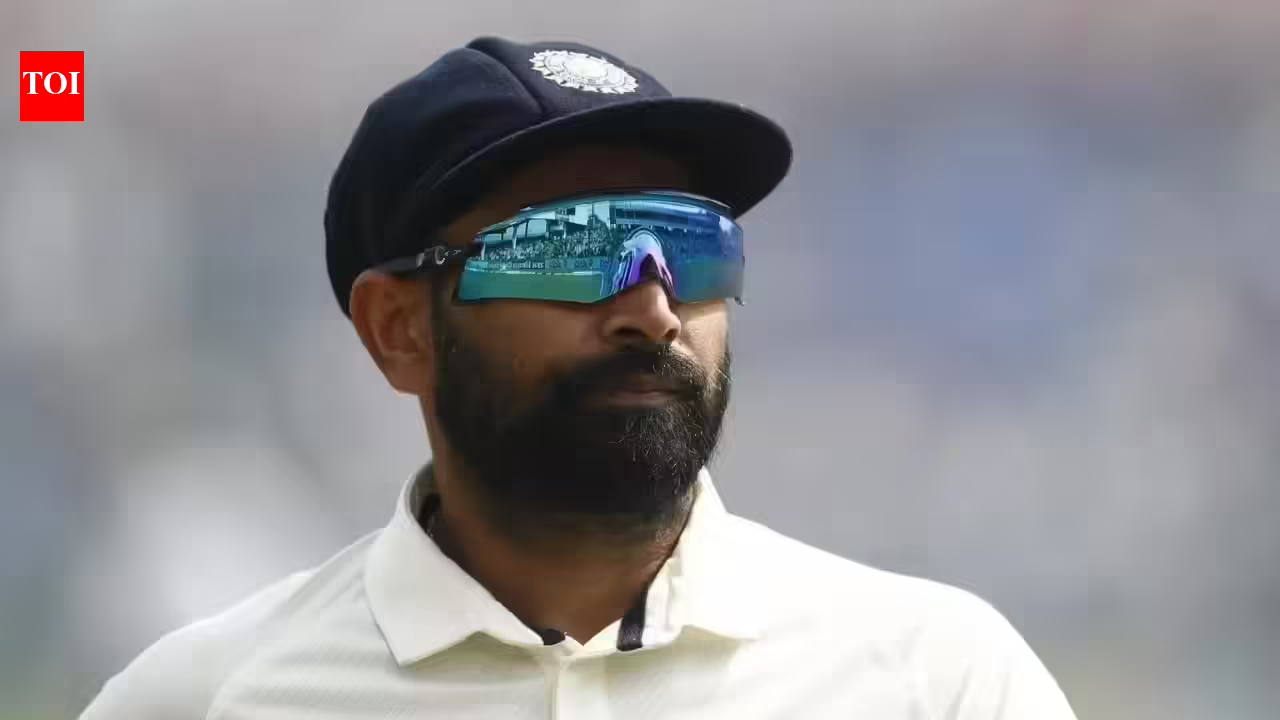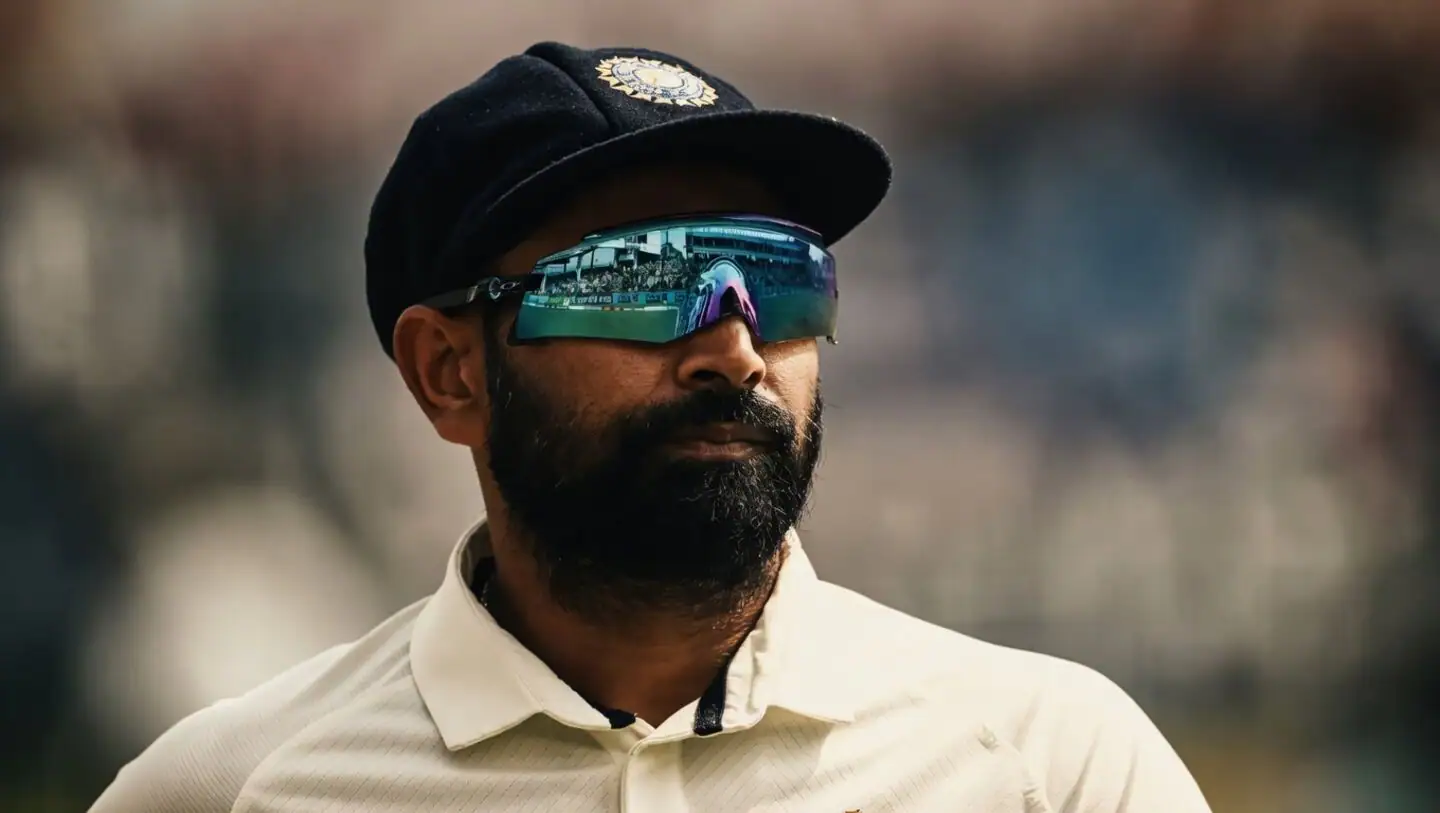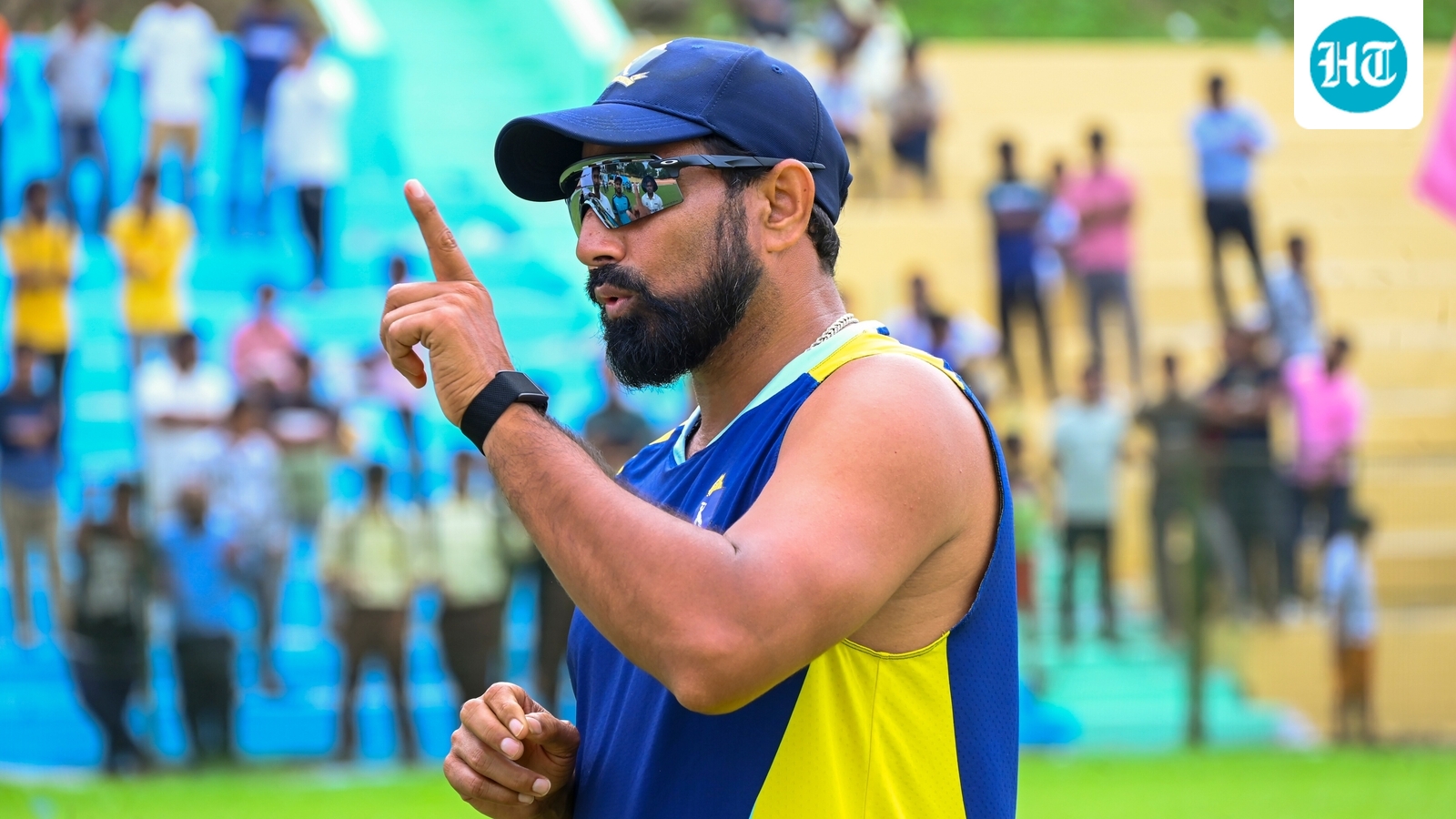
Auqib Nabi’s maiden India call-up should be celebrated rather than questioned. The Jammu and Kashmir fast bowler has forced his way into the Test squad through sustained domestic excellence, taking 60 wickets at 12.56 in the 2025-26 Ranji Trophy and 104 wickets across the last two seasons.Mohammed Shami has been ignired onec again. (PTI)Yet Nabi’s selection as Jasprit Bumrah’s replacement for the two-Test series in Sri Lanka has inevitably reopened a different debate: what more must Mohammed Shami do to be considered again?Bumrah was ruled out after failing his final fitness assessment because of continuing discomfort in his left knee. His withdrawal leaves India without the bowler around whom their Test attack has been constructed, particularly during difficult phases when conditions offer little assistance.India responded by calling up Nabi, who also took six wickets during India A’s recent first-class tour of Sri Lanka. The decision rewards form, gives India a bowler familiar with the conditions and continues the management’s attempt to build a younger fast-bowling group. Nabi’s selection is therefore entirely defensible.The more contentious decision is the continued exclusion of Shami.Shami has produced the evidence selectors normally demandShami did not spend the last domestic season relying upon his reputation or waiting for an automatic recall. He played across formats for Bengal and produced numbers that would normally make an international comeback almost unavoidable.In seven Ranji Trophy matches, Shami bowled 1,383 deliveries and claimed 37 wickets at an average of 16.72. He delivered 230.3 overs, bowled 50 maidens, took three five-wicket hauls and recorded career-best first-class figures of 8 for 90. Only a small group of bowlers took more wickets, while few combined volume and effectiveness as impressively. Nabi was the tournament’s outstanding pacer with 60 wickets at 12.56, but Shami’s returns were also comfortably international-selection standard.Shami then took 16 wickets in seven Syed Mushtaq Ali Trophy matches at 14.93, with best figures of 4 for 13. In the Vijay Hazare Trophy, he claimed another 15 wickets in seven games.That gave him 68 wickets in 21 matches across Bengal’s three principal domestic competitions. Including his solitary Duleep Trophy appearance for East Zone, where he took one wicket, Shami’s complete 2025-26 domestic record stood at 69 wickets in 22 matches. Across the Ranji Trophy and Duleep Trophy alone, he bowled 264.3 first-class overs and collected 38 wickets. This was not a bowler protecting himself through four-over spells. It was a significant red-ball workload spread across an entire season.Shami subsequently played 13 matches for Lucknow Super Giants in IPL 2026, taking 12 wickets. His IPL returns were not exceptional, but his availability across another full competition reinforced the broader point: he has been fit enough to train, travel and play sustained competitive cricket.Agarkar’s explanation no longer settles the debateChief selector Ajit Agarkar has argued that Shami’s exclusion is related not to performance but to his ability to withstand longer-format workloads. When explaining why Shami had not been considered for the one-off Test against Afghanistan in May, Agarkar said the information available to the selectors suggested the fast bowler was ready only for T20 cricket. He acknowledged that Shami had played the domestic season but said there had been no discussion about selecting him for the Test.That position may be based on medical information unavailable to the public. Playing a Ranji match is not necessarily equivalent to completing an international Test, recovering quickly and playing another Test eight days later. Shami will turn 36 in September and has undergone major ankle surgery, suffered knee swelling during an earlier comeback attempt and not played a Test since the 2023 World Test Championship final.The selectors are entitled to consider his age, recovery pattern and future availability. But the evidence has now moved beyond a couple of successful comeback matches. Shami completed 22 domestic games, bowled more than 260 first-class overs and finished the Ranji Trophy with 37 wickets at under 17 apiece. If his body remains unsuitable for Test cricket, the BCCI must explain what specific workload threshold he has failed to meet. Without that clarity, the “T20-ready only” argument appears increasingly disconnected from what Shami has actually done.Also Read: Auqib Nabi earns maiden India Test call-up as Jasprit Bumrah is ruled out of Sri Lanka seriesBumrah’s injury should have changed India’s calculationIndia could reasonably have moved towards Nabi and other younger bowlers while Bumrah remained available to lead the attack. Bumrah’s presence allows an uncapped seamer to be introduced within a secure structure.His absence changes that structure. India’s revised pace group contains Mohammed Siraj, Prasidh Krishna, Gurnoor Brar and Nabi. Siraj is the only member with substantial, sustained Test experience. Prasidh has international exposure but has endured his own fitness interruptions, while Brar and Nabi are yet to play Test cricket.That does not mean Shami should automatically have replaced Bumrah ahead of Nabi. It means India could have selected both. Nabi could have received the reward his domestic performances deserve, while Shami could have supplied the experience lost with Bumrah. The senior bowler would have offered new-ball control, reverse swing, an understanding of how to dismiss international batters on unresponsive pitches and guidance for an inexperienced pace unit.Sri Lankan Tests may be dominated by spin, but pace still has an important role. The new ball can move in Galle, while reverse swing and variable bounce become dangerous as the surface deteriorates. Few Indian bowlers have been better equipped than Shami to attack the stumps under those conditions.The Gambhir-Agarkar regime appears determined to accelerate India’s transition, and that objective is understandable. Shami cannot remain part of India’s plans indefinitely. But transition should not become inflexibility. Domestic cricket is repeatedly presented as the route through which excluded players must prove form and fitness. Shami followed that route, carried a serious red-ball workload and produced 69 wickets across the season. Nabi has earned his opportunity. Shami, however, has also earned a more convincing explanation than the one India have provided.With Bumrah unavailable and the pace attack stripped of its leader, overlooking Shami no longer looks merely like planning for the future. It looks like a decision the management had already made—and one it is unwilling to reconsider regardless of the evidence.
Bumrah's injury exposes rigidity in Agarkar-Gambhir's plans: Mohammed Shami stays ignored despite brilliant season
Jasprit Bumrah's injury has exposed India's rigid Shami stance despite his brilliant domestic season and proven Test experience. | Cricket
1,023 words~5 min read