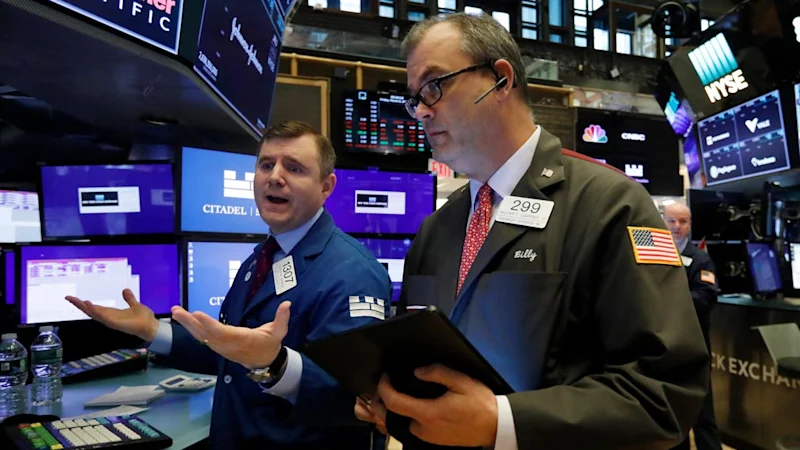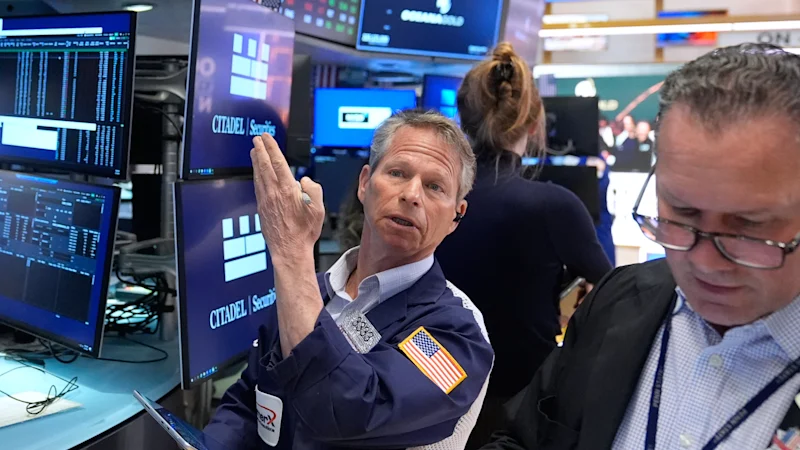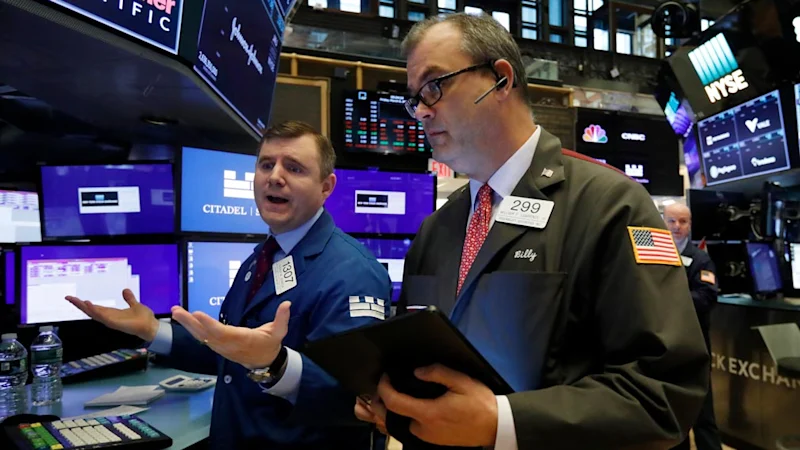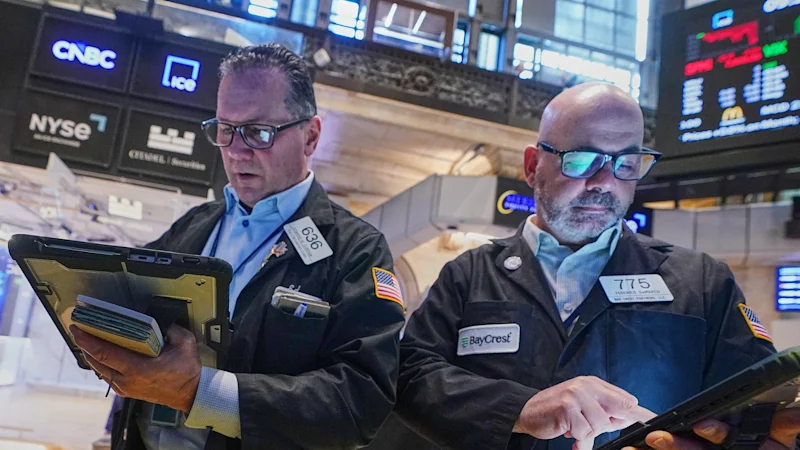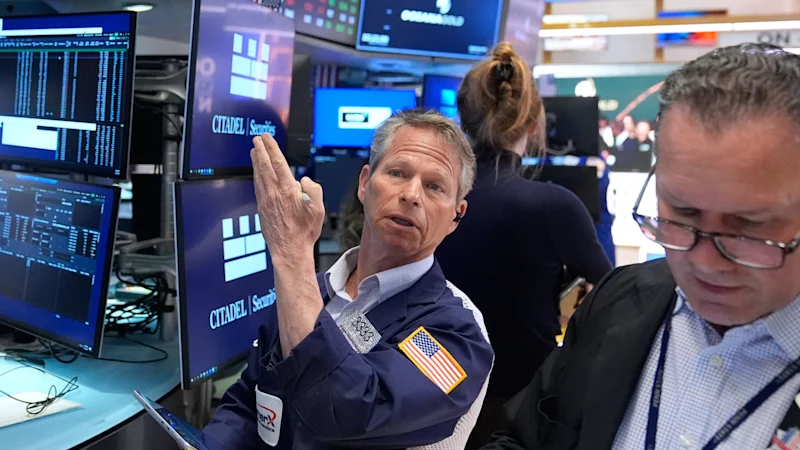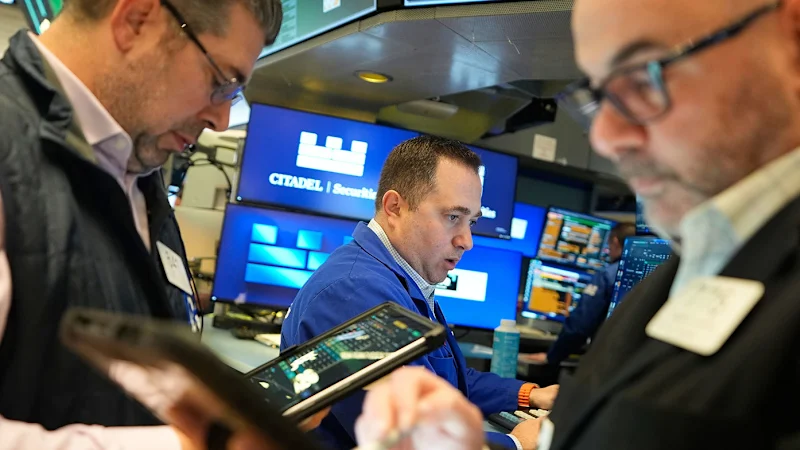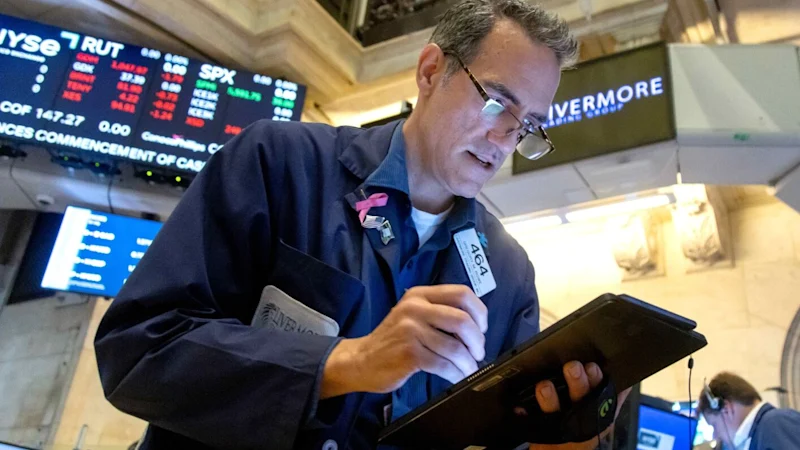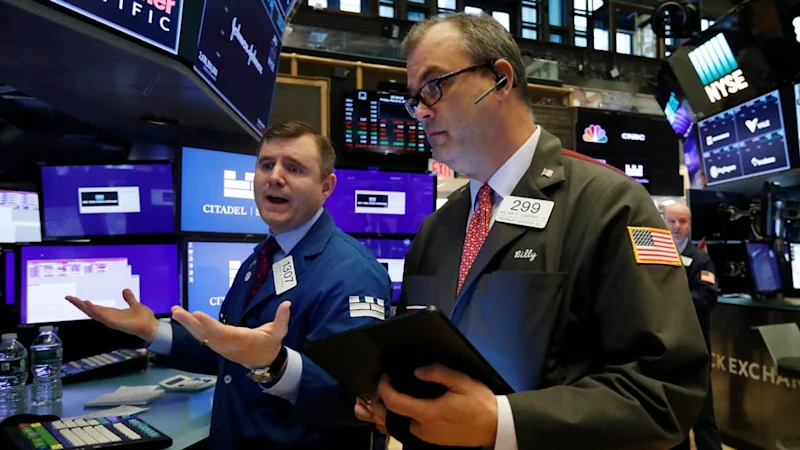
Staff writersUpdated August 4, 2026 — 10:17am,first published August 4, 2026 — 5:19amThe Australian sharemarket opened higher on Tuesday, buoyed by a strong session on Wall Street, where stocks rallied the edge of their all-time high after easing oil prices helped calm investors’ worries about inflation.The S&P/ASX 200 was up 25.90 points, or 0.3 per cent, at 9045.20 as of 10.12am AEST. The local bourse had added 0.5 per cent on Monday after President Donald Trump said over the weekend that he decided to hold off on new strikes against Iran at the urging of allies in the region.Wall Street has rallied to start the week, lifting sentiment on the Australian market.APTrump said his latest offer of talks was a “last chance” for Iran after he called off what he said was a major attack on the Islamic Republic. Iran denied it was negotiating with the US, but said talks with Oman to get more ships moving through the Strait of Hormuz are making progress.“I want to give them every last chance before decapitation,” Trump told reporters in the Oval Office. “You’ll find out today or tomorrow. I mean, they’re going to go quickly, one way or the other. It’s not very complex.”Despite the conflicting signals, the suggestions of renewed diplomacy pushed oil prices lower on Monday, with Brent crude down about 4.6 per cent to just under $US84 a barrel. Brent’s price careened between $US72 and $US102 last month as worries rose and fell about when the war with Iran would allow oil tankers to freely exit the Persian Gulf again to deliver crude to customers worldwide. The latest acquiescence by Trump helped to ease worries about the global flow of crude, and Treasury yields correspondingly fell in the bond market.The yield on the 10-year Treasury sank to 4.68 per cent from 4.75 per cent late on Friday. It, though, remains well above its 3.97 per cent level from before the war with Iran.Higher yields threaten to undercut prices for stocks and other investments, while slowing the economy by making borrowing more expensive for US households and businesses. The average long-term US mortgage rate has already leaped to its highest level in a year.On Wall Street overnight, the S&P 500 jumped 1.5 per cent and closed just 0.1 per cent below its record set earlier this summer. It’s coming off a wild July, where it swung up and down as oil prices shot higher because of the war with Iran and other worries. The Dow Jones Industrial Average added 1.3 per cent, and the Nasdaq composite climbed 2.1 per cent.Monday’s ease in oil prices helped airlines and other companies with big fuel bills lead the market. United Airlines flew 5.8 per cent higher, while American Airlines climbed 5 per cent. Norwegian Cruise Line Holdings steamed 6.6 per cent higher.Boeing soared 8 per cent. US regulators certified its new 737 MAX-7 planes, clearing it for commercial service, following years of work to provide pilots with clearer information and warnings, along with other improvements.Amazon rose as much as 5.8 per cent on Monday to touch an intraday high, becoming only the fifth company to ever cross the $US3 trillion ($4.3 trillion) market-cap threshold. It closed 4.6 per cent higher.Tyson Foods added 2.9 per cent after the meat company reported a slightly stronger profit for the spring than analysts expected. CEO Donnie King said strength is continuing in the company’s chicken business and its prepared foods, which include brands like Jimmy Dean and Hillshire Farm.It joined a lengthening list of big US companies to deliver a bigger profit for the spring than analysts expected. That’s imperative for Wall Street because stock prices tend to follow the path of corporate earnings over the long term, and worries were rising that US stock prices may have broadly already shot too high.Companies in the S&P 500 are on track to deliver earnings per share for the spring that are 47 per cent higher than a year before, according to FactSet, with more than half of the companies in the index having already reported. If that ends up being the case, it would be the strongest growth since the spring of 2021, when the economy was roaring out of the COVID pandemic.Also offering encouragement for profits was a report on Monday showing that growth for US manufacturing accelerated to its strongest level since 2022.Keeping Wall Street unsettled, though, were swings for stocks of companies that make computer chips. They’ve been veering up and down for weeks on worries about whether their surging revenues because of the artificial-intelligence boom are sustainable.If AI ends up producing less profit and productivity than hoped, Big Tech companies could curtail their spending sprees on data centres that have helped chip stocks soar to tremendous heights.Micron Technology went from a drop of 6.4 per cent to close 0.7 per cent higher. It’s still up roughly 190 per cent for the year so far.The manic swings for AI stocks have been most dramatic in South Korea, where the Kospi index is dominated by just two tech titans, Samsung Electronics and SK Hynix.Seoul’s Kospi fell 5.1 per cent Monday, coming off Friday’s 17.9 per cent surge that was its best day in history.In neighbouring Japan, Tokyo’s Nikkei 225 fell 0.9 per cent after the United States and Japan confirmed they had moved together to prop up the value of the Japanese yen against the dollar. A stronger yen would help to limit inflation in Japan, but it could also potentially hurt Japan’s exporters.with AP, BloombergThe Market Recap newsletter is a wrap of the day’s trading. Get it each weekday afternoon.From our partners
ASX gains in early trade after Wall Street rallies on falling oil prices
The Australian sharemarket opened higher on Tuesday after US stocks rallied the edge of their all-time high as easing oil prices helped calm investors’ worries about inflation.
TL;DRAI
Wall Street +1.5% (S&P 500 vicino record) su calo petrolio Brent -4.6%, diplomazia US-Iran; Amazon $3T market cap, earnings S&P 500 +47% YoY. Allentamento tassi supporta breve termine ma chip stock e Big Tech rimangono volatili su ROI AI e data centre spending.
938 words~4 min read